







Can You Put Milk in a Moka Pot Instead of Water for Drip Bags?
Brewing drip bag coffee directly with milk does not work the same way as hot water. Milk extracts coffee far less effectively, and heating it changes proteins and lactose. One experiment bloomed the grounds with hot water first, then poured 75°C milk in two stages using medium-dark roasts, but the fine powder swelled and clogged the filter bag, stretching the process to nearly 20 minutes.
That defeats the point of a drip bag, so an iced milk cold brew is the easier alternative. The same logic explains why milk is a poor substitute for water in a moka pot. If the goal is a latte-style drink, the coffee milk ratio latte depends on brewing a concentrated base first and adding steamed milk afterward. Recommended medium-dark drip bags included Angelbird, Queen's Estate, Golden Mandheling and Huilan.
Drip bag coffee has always been mainly brewed with hot water, but many coffee lovers want to use milk to directly brew a cup of latte. Milk's extraction ability is far inferior to hot water, and after heating, the proteins and lactose will also undergo changes, so directly applying conventional methods obviously won't work. Front Street once conducted a dedicated experiment: first use hot water for blooming, then inject 75°C hot milk in two stages, and prioritize medium-dark roasted drip bags, such as Angelbird, Queen's Estate, Golden Mandheling, Huilan, etc. If you prefer fruity acidity, Xizhua, Daduqi, and Strawberry Candy are also good choices. However, actual testing found that after milk contacts the coffee, the fine powder swells and easily clogs the filter bag, and the whole process takes nearly 20 minutes, which contradicts the original intention of drip bag convenience. This article will fully present this experiment and share a more hassle-free iced milk cold brew method, allowing you to easily achieve latte freedom.
Coffee should be brewed with water—this is common sense—but some friends have wild ideas and want to directly use milk to brew drip bag coffee and make a rich, smooth "latte." So, can milk be used to brew drip bag coffee?
Actually, using milk as the main extraction medium for coffee is not the first time in Front Street's experiments. Last year we published an article titled "Can Pour-Over Coffee Be Brewed with Milk? Is It Feasible?", in which we analyzed: the substances contained in milk are too complex, and its extraction ability simply cannot compare with hot water; moreover, once heated to boiling, a large amount of protein and lactose is lost, and the taste instead becomes worse. Therefore, directly copying conventional parameters and methods to brew drip bag coffee with milk is clearly unworkable.
To compensate for milk's insufficient extraction power, Front Street's approach is to first use hot water for blooming, allowing the coffee grounds to absorb water so that flavor substances can be better released later, then heat the milk to 75°C and inject it in two stages.
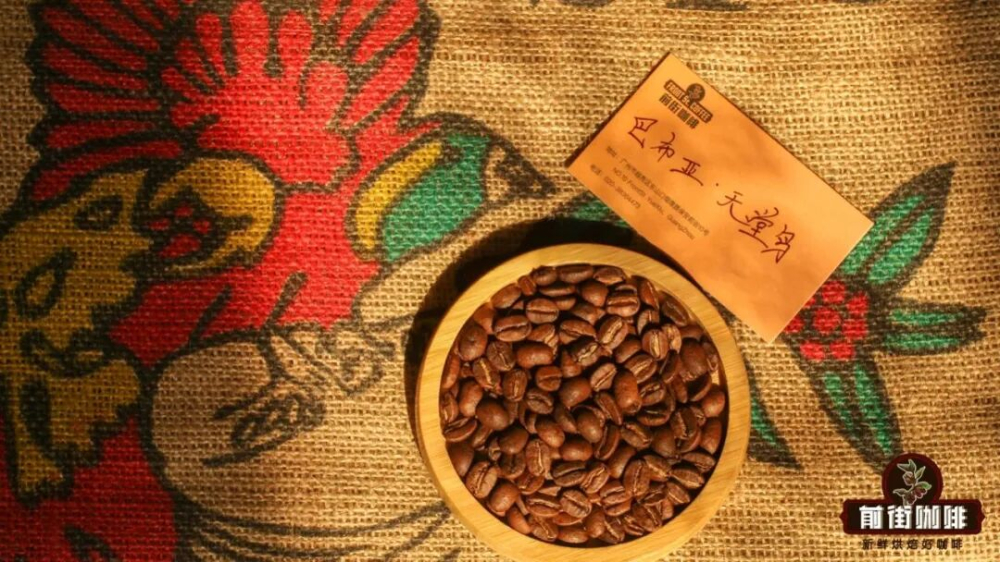
To avoid the brewed drip bag milk coffee tasting sharply sour or bland, Front Street still recommends prioritizing medium and dark roasted drip bags. Recommended are Front Street.Angelbird drip bag with almond and cocoa aromas, Front Street.Queen's Estate drip bag with creamy peanut flavor, Front Street.Golden Mandheling with full body, and Front Street.Huilan drip bag with obvious caramelized aroma. They pair more harmoniously with hot milk;
But if you are more sensitive to bitterness, choose drip bags with fermented fruity acidity, such as Front Street.Xizhua drip bag, Front Street.Daduqi drip bag, Front Street.Strawberry Candy drip bag, etc. These coffees combine preserved fruit, fruity aroma, fermented winey notes, and a certain caramelized flavor, suitable for drinking with milk.
If using milk to brew drip bag coffee?
First prepare a tall glass and a pack of fresh Front Street Strawberry Candy drip bag coffee, tear it open and hang it on the edge of the cup (for a more intuitive reference, Front Street will include timing and weighing in this brewing).
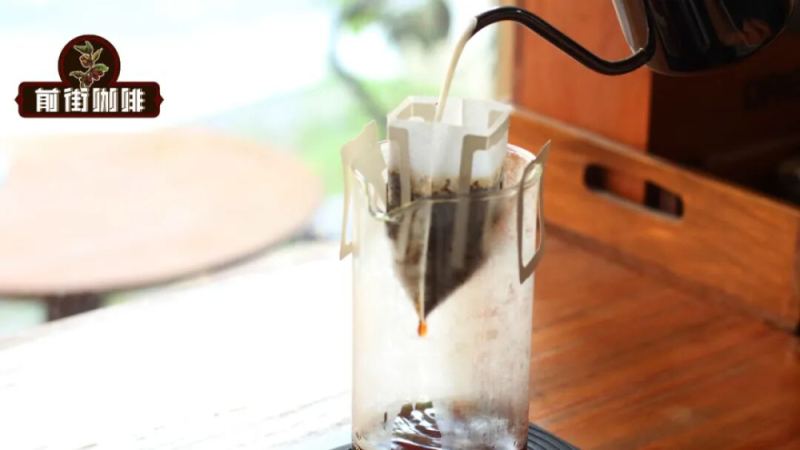
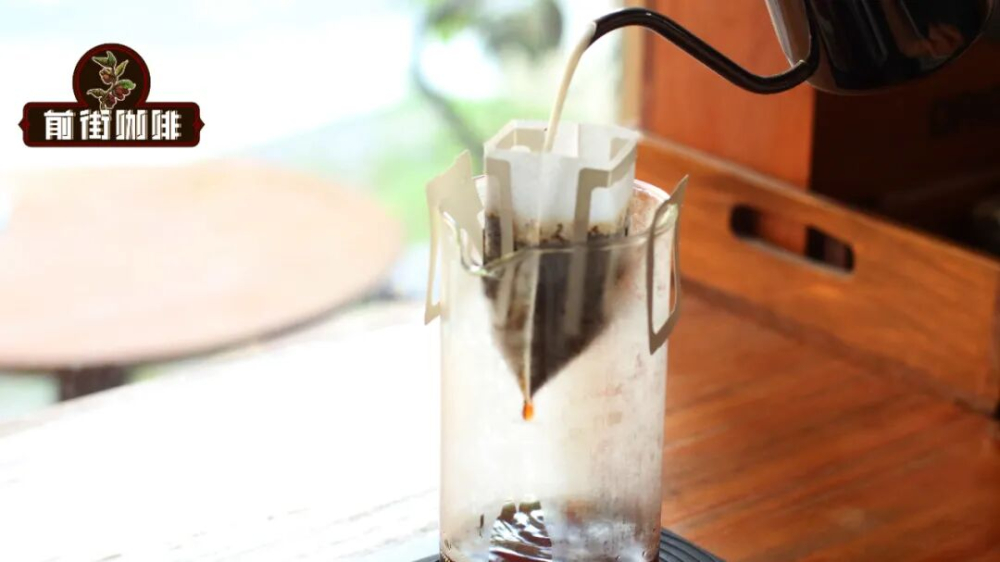
For the first stage, pour 90–93°C hot water into the drip bag until the filter bag is half full (after boiling, turn off the heat, leave the lid open and let it sit at room temperature for 1 minute), about 25g of water. Try to maintain a small stream; if using a gooseneck kettle, you can appropriately circle around.
After the coffee liquid finishes dripping, begin pouring the second stage: use 75°C hot milk (hot enough that you can't hold your hand against it) and pour it into the coffee bed until the filter bag is 9/10 full. When the coffee liquid is almost drained, continue pouring the next stage until 9/10 full. The total amount of water and milk is 150g.
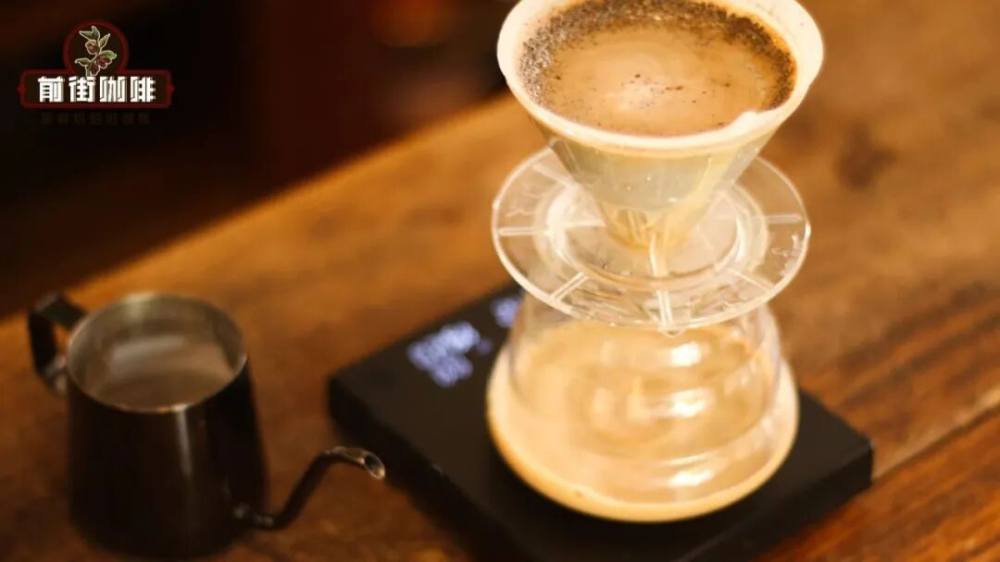
Visually, the whole cup of coffee is a relatively strong milk tea color. As for the coffee taste alone, Front Street considers both richness and aroma acceptable. Tasted directly, it has flavors of strawberry jam, raisins, and cream. Whether drunk directly or with ice, the mouthfeel is good.
However, after the coffee contacts the milk, the fine powder accelerates swelling and clogs the gaps in the filter bag, so the flow rate during the second extraction stage slows greatly, and the total drip time reaches 11 minutes.
Add to that the preparation time for various ingredients, and Front Street's Daduqi drip bag took 20 minutes from start to finish just to barely get the milk coffee in hand. Moreover, you also have to clean the tools used to heat the milk, which clearly runs counter to the convenience that drip bags pursue. Therefore, for friends who want to quickly make milk coffee with drip bags, Front Street does not particularly recommend this direct injection method.
Drip bag + milk, what else can be done?
Drip bag coffee has developed in China for many years, and regarding combinations of milk and it, everyone has also explored many new ways to enjoy it in daily life. Front Street happens to have two here.
Another one is more suitable for friends who love iced milk coffee. The steps are also very simple: just prepare drip bag coffee packs, a bottle of milk (fresh milk tastes better), and a refrigerator. After a sleep, you can easily achieve "latte" freedom.
The operation is very simple: after taking out the drip bag, there is no need to tear it open. Directly peel off the paper shell on the packaging, then throw it "bare" into the milk, tighten the bottle cap and shake vigorously up and down, with the purpose of letting the milk soak the coffee powder inside. Because it is low-temperature extraction, Front Street believes the ratio of coffee to milk does not need to be too strict; roughly between 1:12 and 1:15 is fine. For example, here Front Street adds 150ml of fresh milk to one 10g drip bag coffee.
Next, put the milk with the drip bag soaking in it into the refrigerator to chill overnight. The next morning (taking about 8–12 hours), take it out and shake it vigorously a few times, clip out the drip bag, and the milk coffee is ready.
The above content is compiled by CoffeeHunters, a coffee news website.


