








What Cafe Latte Milk Coffee Ratio Works at Home?
A latte's quality depends on two things: how well the espresso is extracted and the cafe latte milk coffee ratio used. A ratio of about 1:6 coffee to milk is recommended, and the ingredient list stays simple, espresso plus milk. Hot and iced versions follow the same logic, with adjustments for temperature and dilution rather than a different recipe.
Espresso blend beans are the practical starting point because they combine flavors from several origins, usually at a medium or darker roast, and extract rich crema more easily. That fuller, more intense mouthfeel leaves more room for error, and blends tend to cost less than single-origin beans of similar flavor, which suits beginners.
Whether a latte tastes good depends decisively on the extraction quality of the espresso and the ratio of coffee to milk. This article focuses on latte-making, breaking down each key step one by one—from choosing espresso blend beans and extraction parameters for single and double shots to the specific methods for hot and iced lattes. It also explains milk frothing temperature control and steam wand operating techniques in detail, and recommends a 1:6 coffee-to-milk ratio. At the same time, it preserves the complete product information and flavor description of Front Street Coffee's classic blend, making it a useful reference for coffee lovers who want to consistently reproduce cafe-quality results at home.
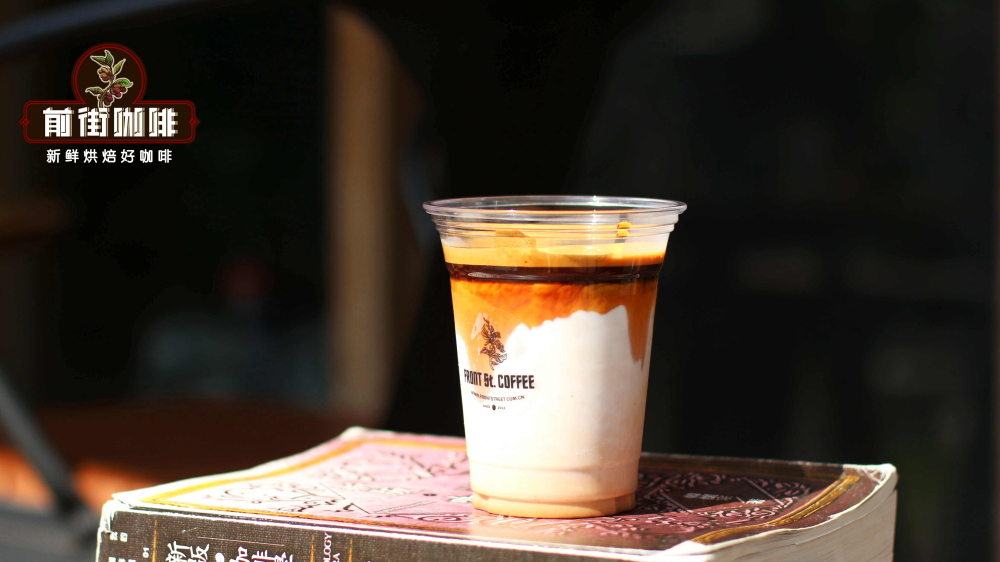
To determine whether a latte is satisfying, the extraction quality of the espresso and the ratio between the coffee liquid and milk are the two core factors. Front Street Coffee's milk coffee often receives feedback like this: "Your espresso really tastes special—I've never encountered anything similar at other cafes, and the combination of milk and espresso is just right!" So when Front Street Coffee makes hot lattes and iced lattes, exactly which espresso bean do they use, and how is the coffee-to-milk ratio set?
The ingredients for a latte are actually not complicated—espresso plus milk is enough—and there is no hard-and-fast rule for the ratio; it can be adjusted freely according to personal taste. But the quality of the ingredients themselves is very important because it directly affects the standard of the finished latte.
From an extraction perspective, making a latte should prioritize espresso blend beans with greater stability. Blend beans usually combine the flavor characteristics of multiple producing regions and use a medium or darker roast level, making it easier to extract rich crema—beans with good crema performance are more suitable for milk coffee. This way, the espresso's mouthfeel becomes fuller and more intense, with greater room for error. In addition, most espresso blend beans are designed for cafe service, and compared with single-origin beans of similar flavor, they are often more affordable and follow an economical, cost-effective route. For beginners who do not yet have much coffee-making experience, choosing espresso blend beans is clearly the more reliable direction for making a delicious latte.
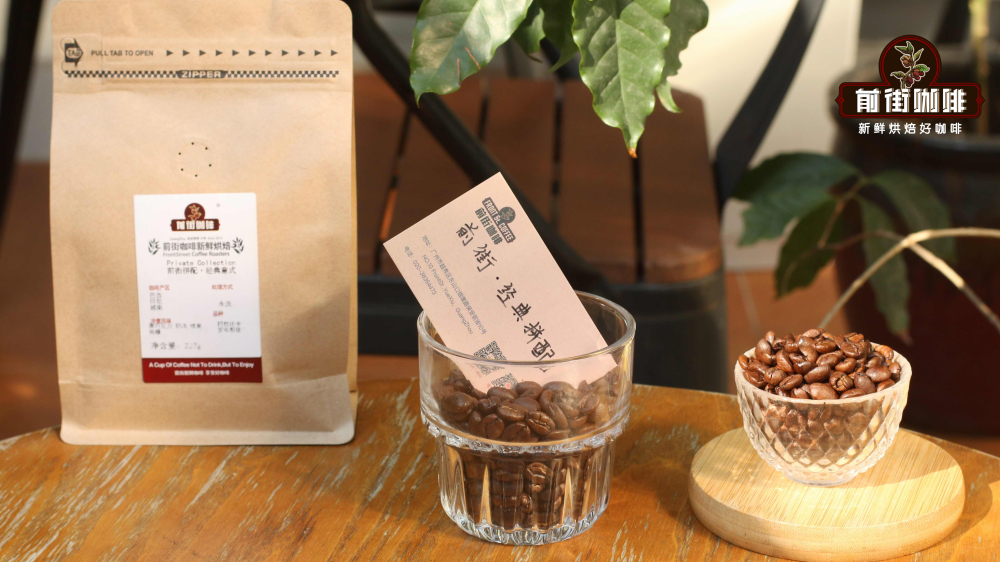
If you want to save the time and effort of repeated experimentation, you can go directly for Front Street Coffee's classic blend, the most beginner-friendly option. This bean is composed of Brazil Red Bourbon, Indonesia Mandheling, and Vietnam Robusta. The medium-dark roast not only brings rich caramel and roasted nut aromas, but also maximizes body and delicate crema. With the support of golden crema, making a latte becomes easy and simple.
How do you extract single or double espresso?
Coffee bean: Front Street Coffee Classic Blend
Grinder: Galileo Q18
Grind size: 2.0 setting
Dose-to-yield ratio: 1:2
Coffee dose: 20g
Coffee liquid yield: 40g
Extraction time: 26–32 seconds
Extraction pressure: 9bar
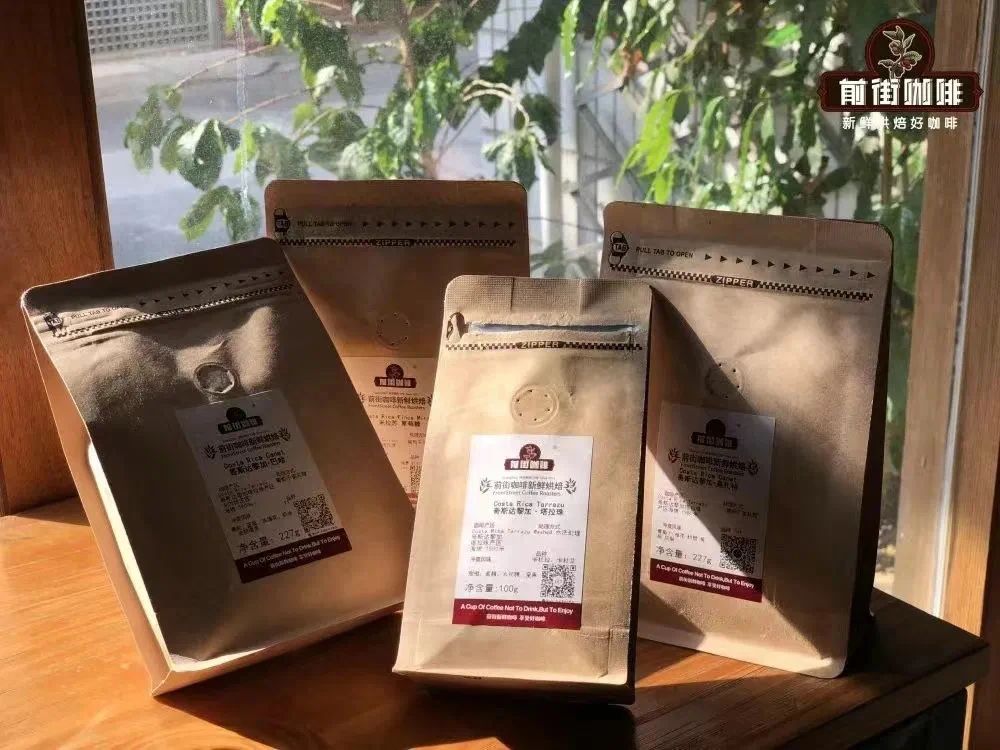
Front Street Coffee uses a double espresso when making lattes. The extracted flavor profile is: caramel, butter, and cocoa aromas are clearly distinguishable, with a rich aroma of toasted bread and a comfortable sweet aftertaste.
How to make a hot latte
Milk: whole fresh milk (Front Street Coffee uses Vitasoy fresh milk)
Milk frothing temperature: 50–60°C. If the temperature is too low, the lactose in the milk cannot be fully released; if it is too high, the proteins are damaged, resulting in a grainy mouthfeel.
Milk foam thickness: 0.3–0.5cm. Foam thinner than 0.3cm is suitable for flat white, while foam thicker than 0.5cm is more suitable for cappuccino.
Key points for frothing milk for a hot latte
Rinse before turning on the steam: let the steam wand run briefly to release the moisture at the front and prevent the foam from becoming too wet. Use a clean cloth to shield it and avoid splashing everywhere.
Insert the steam wand into cold milk: let the steam inject into the milk. If the tip is inserted too deep, it will only heat the milk without creating foam; if inserted too shallowly, it will create large bubbles and affect latte art. If large bubbles appear, lightly tap the pitcher on the table to make them break.
Steam wand position: the ideal and least error-prone injection point is—when inserting the steam wand into the pitcher, keep it against the spout, with the nozzle pointing toward the center and then slightly offset by 1cm.
Turn on steam to froth: when injecting steam, pay attention to the sound. It should sound like blowing air into a drink with a straw, not like bubbles hitting the metal pitcher with a sharp ringing sound. Turn it off once the temperature reaches about 50–60°C.
Recommended ratio for a hot latte
Front Street Coffee recommends a coffee-to-milk ratio of 1:6 for a latte, meaning 40ml espresso paired with 240ml hot milk. Mix the milk and espresso thoroughly in a circular motion, and you get a hot latte.
When fresh milk is heated, the sweet-tasting molecules of lactose are better released. After being evenly mixed with espresso, the entire latte carries the milk's natural sweetness while not overpowering the espresso. Instead, with the milk as a backdrop, the espresso's character is shown even more. Front Street Coffee's hot latte flavor profile is: black cocoa, butter, and coffee acidity collide to create a milkshake-like sweetness, with a finish carrying hazelnut and other nutty notes.
How to make an iced latte
Milk: whole fresh milk
Milk temperature: refrigerated milk from the fridge
Ice cubes: mix with milk at a 1:3 ratio
Milk and coffee amounts: Front Street Coffee recommends 300ml iced milk mixture with 40ml espresso
First add ice cubes and fresh milk, keeping the total amount at 300ml, then extract a double espresso and pour it into the iced milk. If you add too little ice, remember to add a correspondingly larger amount of milk. Front Street Coffee's iced latte flavor profile is: chocolate, caramel, and rich nutty aromas. As the ice gradually melts, the overall intensity of the coffee slowly decreases.
The above content is compiled by CoffeeHunters, a coffee news website.


