







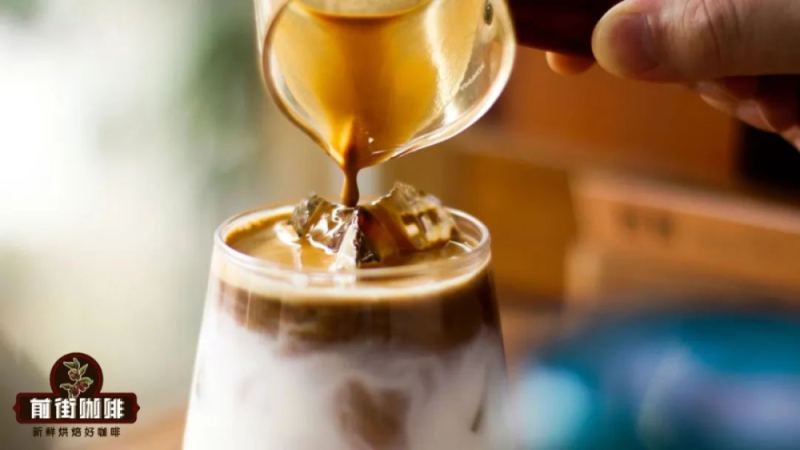
How do ingredients of coffee and coconut milk interact in a hot latte?
Thick coconut milk works in an iced latte but breaks down when heated. The fat separates, the proteins denature, and the mix turns sour, so the coconut sweetness overwhelms the espresso. The practical fix is blending thick coconut milk with fresh dairy milk, which stabilizes the texture and keeps the coffee flavor audible in the cup.
Pair the drink with a strongly flavored medium-dark roast so the base can carry the sugar load. Front Street tested ratios of espresso, thick coconut milk, and fresh milk in store, along with aeration time and temperature control during steaming. Getting the ingredients of coffee and milk balanced matters more than the pattern: a hot coconut latte should taste harmonious and still hold latte art.
Coconut milk latte is sweet and refreshing as an iced drink, but when switched to a hot beverage, it easily becomes cloying and sour, with disjointed flavors. Where exactly does the problem lie? This article starts from the compositional characteristics of thick coconut milk, analyzes the principles of fat separation, protein denaturation, and acidification reactions upon heating, and offers a practical solution of blending with milk. At the same time, Front Street Coffee, based on in-store testing, shares suitable ratios of espresso, thick coconut milk, and fresh milk, as well as operational details such as aeration time and temperature control when steaming milk foam, to help you make a cup of hot coconut milk latte with harmonious flavors and suitable for latte art at home.
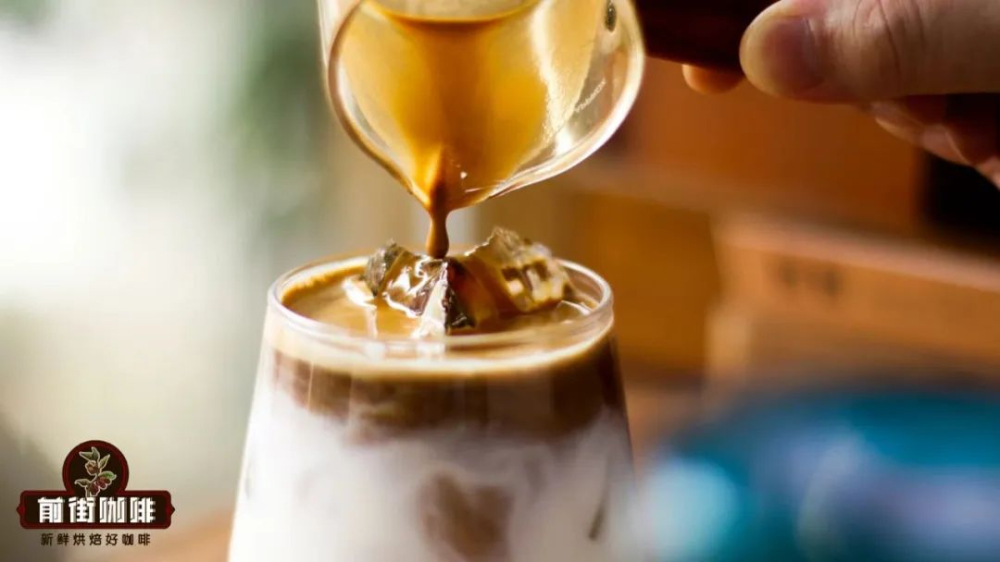
Is coffee actually better iced or hot? This question is constantly debated among coffee enthusiasts, and flavored coffee cannot escape this choice either.
During the summer, Front Street Coffee shared a viral coconut coffee recipe, in which the coconut milk (raw coconut) latte, with its excellent flavor combination, allowed many people to successfully recreate it at home.
Recently, as autumn deepens in many northern regions, some friends wanted to try something new and made a heated version of coconut milk latte following the hot latte method, only to find that the taste was far from the iced version—the rich aroma of the coffee itself was almost overwhelmed by the sweet, cloying coconut milk flavor, the various tastes each went their separate ways in the mouth, and after swallowing, an untimely sourness emerged, amounting to a complete failure. What is the reason behind this?
Since coconut milk or coconut cream has a high sugar content, it must be paired with a strongly flavored espresso to balance it out. Therefore, it is recommended to prioritize Front Street Coffee's medium-dark roast blend series, especially Front Street Classic Blend and Front Street Commercial Blend. These two incorporate a small amount of Robusta into Arabica beans, making the crema richer and releasing buttery and roasted hazelnut notes.
First, identify the "culprit" that makes coffee taste bad
We already know that making iced coconut milk latte is not complicated; essentially, it is replacing the milk in a latte with coconut milk or coconut cream, and the thicker the base, the fuller the coconut aroma, and with ice cubes, the entire cup of coffee will be sweeter and more refreshing.
Front Street Coffee also noticed that compared to the mixed recipe we originally used (Golden Gaoda coconut milk plus Fresh Pasture milk), more people are willing to buy ready-made bases directly—boxed thick coconut milk, as it is convenient, labor-saving, and requires no additional sugar. Through communication, Front Street Coffee learned that the friend who failed this time used exactly this type of product.
Why does the flavor of thick coconut milk take a sharp turn for the worse once heated?
Unlike the milk we drink daily, the new generation of thick coconut milk is made by pressing and extracting juice from coconut flesh, developed specifically for mixing beverages or coffee. To make the texture smoother and richer and more compatible with coffee, manufacturers add sugar, hydrogenated oil, and other ingredients, so drinking it directly may be too sweet and cloying, but once mixed with espresso and ice cubes, it immediately becomes rich and appealing.
Back to the point, this type of thick coconut milk contains a certain amount of fat and protein. When heated to a hot temperature, the fat separates from the water and coagulates into small particles. At the same time, the protein denatures at high temperatures, and the liquid gradually becomes viscous or even solidifies. This is also the key reason why many people find it harder to do latte art with thick coconut milk than with regular milk when making hot lattes.
The milk foam steamed from thick coconut milk tends to have drifting lines during latte art
In addition, its pH value fluctuates with temperature, causing the coconut milk to acidify to some extent, and the high temperature makes the coconut milk flavor stronger and sweeter, so the coffee tastes both sweet and cloying with a sour note.
How to properly make a hot coconut milk latte?
If you want to make a thick coconut milk latte that is both tasty and not sour when served hot, there are actually many ways. Front Street Coffee happens to have one: add milk. Blending milk into thick coconut milk and heating together has several benefits: first, it neutralizes some of the overly sweet and cloying coconut milk flavor; second, it makes the latte's mouthfeel more layered, moving toward a nutty-creamy direction; third, it effectively prevents the coconut milk from acidifying.
To find the appropriate ratio of espresso to thick coconut milk and milk, Front Street Coffee used the in-store Sunflower·Warm Sun as the extraction subject, selected a 300ml large ceramic cup, and tested various mixing schemes separately. Ultimately, it was found that a double shot (36ml) plus 240ml of the blended base made the best hot latte, with a 1:1 mixing ratio of thick coconut milk to milk, that is, one part thick coconut milk to one part milk.
During operation, first extract 36g of espresso from 20g of coffee powder and pour it into the cup, then pour 120ml of thick coconut milk and 120ml of fresh milk into the milk pitcher (if you want a richer flavor, you can make it into an approximately 200ml flat white, using 80ml thick coconut milk plus 80ml fresh milk), then steam milk foam suitable for latte art, and finally blend the two evenly.
During steaming, it is best to incorporate more air, about "sizzling" for 4 to 5 seconds, so that the milk foam can be as thick as possible, making it easier to control the release flow during pouring and making the white patterns clearer. In addition, the steaming temperature of coconut milk should not be too high: for those who prefer a stronger coffee taste, heat to 45–50°C; for those who like the sweet aroma of coconut milk, you can steam it a bit hotter, bringing the temperature to 50–55°C.
However, this method also has a drawback: although heating thick coconut milk mixed with milk solves the problem of uncoordinated flavors and can produce basic patterns after blending, the foam dissipates astonishingly fast. After just a few minutes, the freshly made patterns have already become blurred, and the entire foam layer begins to continuously collapse.
Therefore, for those who value appearance, Front Street Coffee recommends making it in the style of a Dirty, that is, directly pouring the espresso over the warm blended coconut milk. The specific operation will not be shown one by one here; everyone can refer to the previous article "Why doesn't your Dirty have layers?"
- END -
The above content is compiled by CoffeeHunters, a coffee news website.


