







Search Results for: high-strength coffee
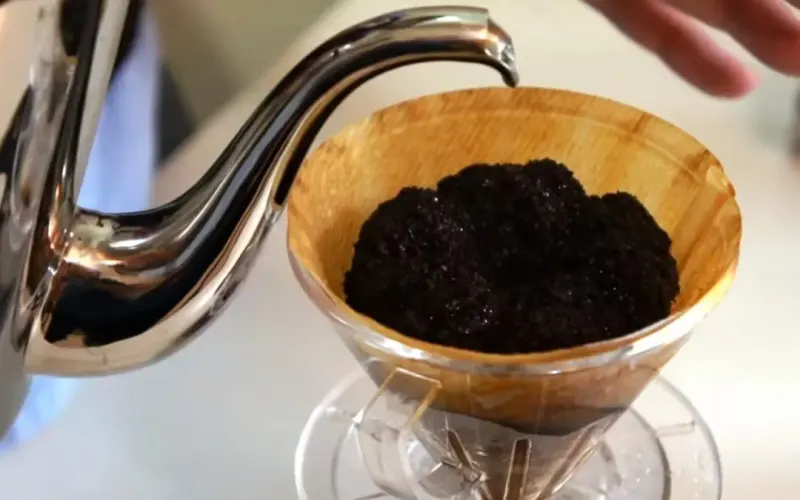
What Is High-Strength, Low-Extraction in Pour-Over Coffee? Japanese Dark Roast Brewing Principles and Practical Parameters Explained
Friends who enjoy Japanese-style dark roast coffee often notice a pattern: a large dose of grounds with a small amount of water produces a cup that is rich but not bitter. This approach has a professional name today—high concentration, low extraction. It is both a summary of past Japanese brewing traditions and an effective way to avoid the bitterness of dark-roasted beans. This article will start from the principles, explaining why Japanese brewing favors a large dose and a low extraction rate, and how doing so simultaneously enhances body and flavor intensity. Then Front Street will use PWN Golden Mandheling as an example to share a set of iced high-concentration, low-extraction practical parameters, including dose, ratio, grind, water temperature, and staged pouring, to help you easily recreate a classic dark roast flavor. [more…]
How can pour-over coffee highlight sweetness? A detailed explanation of the high-strength, low-extraction approach and practical parameter settings.
For many people, the most important thing about drinking coffee is that sweetness, but bitterness always easily barges in and ruins the party. In fact, coffee flavors are released in a sequence—sweetness and acidity come first, bitterness and off-flavors later. As long as you stop before bitterness dissolves out in large amounts, you can get a cup dominated by sweetness. This is the "high concentration, low extraction" approach we're discussing today: push the concentration higher while keeping the extraction yield at a suitably low level, so sweetness stands out and bitterness is suppressed. Below, we'll start with the Golden Cup extraction standard, explain what high concentration, low extraction is, its origins in Japanese dark roast brewing, and provide a directly usable pour-over recipe for light roasts. [more…]
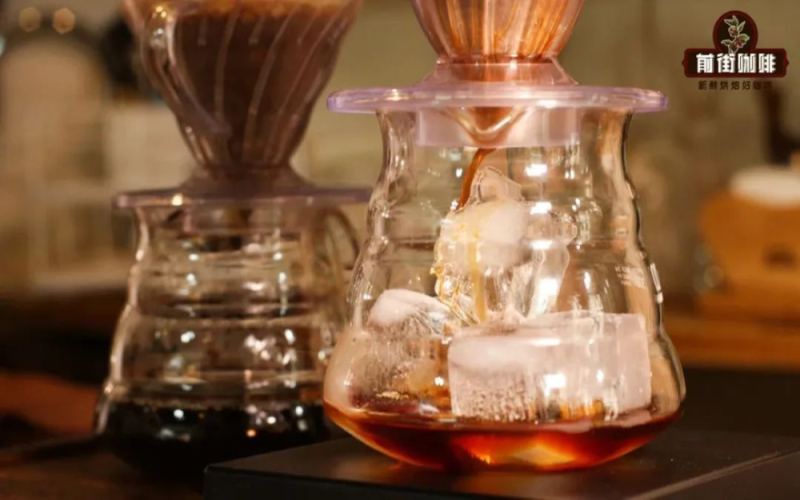
A Detailed Guide to Four Iced Pour-Over Coffee Brewing Methods: From High-Strength High-Extraction to Ice-Chilling Cooling
As temperatures rise, iced coffee returns to the top of the sales charts. Iced pour-over lets you freely choose your favorite beans while offering the sweet, refreshing taste of a chilled brew—making it an excellent way to beat the heat. But the key to making a delicious iced pour-over lies in solving the problem of dilution after cooling. Front Street Coffee has put together four zero-threshold iced pour-over brewing approaches—high-concentration high-extraction, ice rinsing, the stirring method, and ice-bath cooling—each with detailed parameters and step-by-step instructions, demonstrated using a light-to-medium roast Ethiopian Kafa Forest as an example. No matter what equipment you have on hand or what size your ice cubes are, you'll find a method that suits you. [more…]
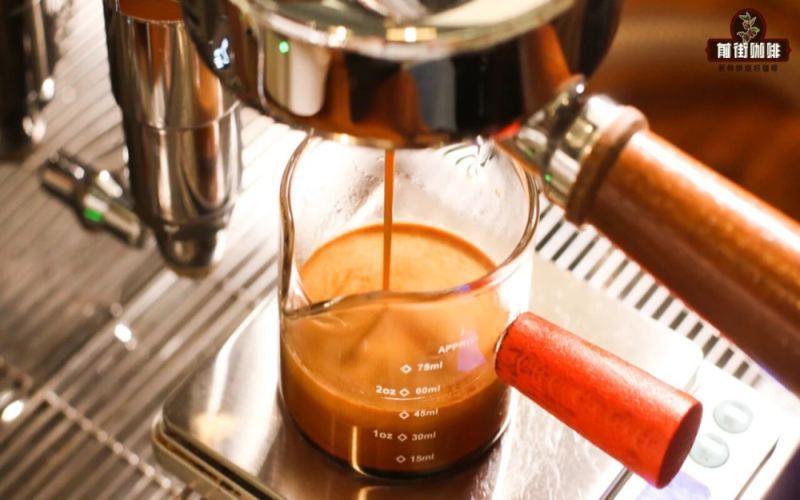
How big is the gap between a moka pot and an espresso machine? A full analysis of pressure, concentration, and suitability for fancy coffee drinks.
The moka pot is often called a "direct-fire espresso maker." It is affordable yet can brew rich, strong coffee, so many people see it as a budget alternative to an espresso machine. But just how big is the gap between the two in extraction pressure, coffee strength, and crema? Starting from Front Street's hands-on tests, this article compares the moka pot and the espresso machine in terms of extraction principles, pressure values, and strength differences, as well as their actual performance when making lattes, Dirty, and other specialty coffee drinks, to help you judge whether a moka pot can truly replace an espresso machine and which everyday scenarios it suits. [more…]
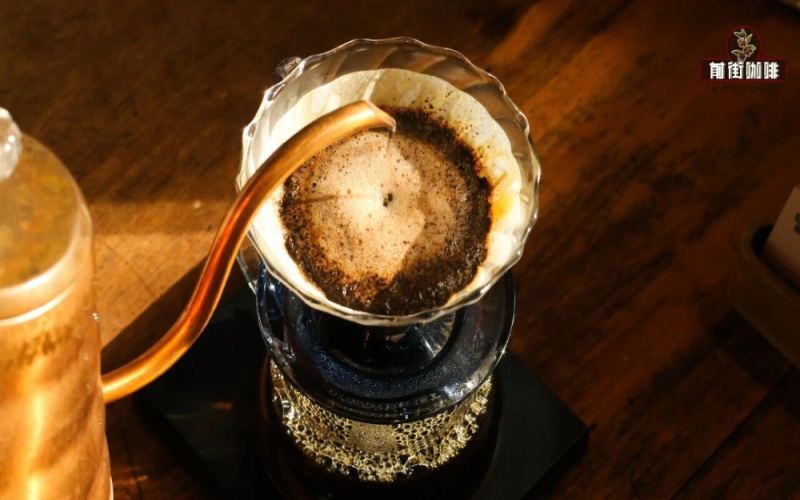
A Detailed Guide to the One-Pour Hand-Drip Coffee Method: Tetsu Kasuya's Simplified Pouring Technique and Front Street Coffee's Practical Parameters
Pour-over coffee techniques often intimidate beginners, requiring repeated practice to achieve consistent results. This article introduces a brewing method called "one-pour," publicly presented in 2019 by Tetsu Kasuya, the 2016 World Brewers Cup champion. Its core idea is to skip the bloom phase, pouring all the target water in a single large stream within 15 seconds, then letting the dripper complete the process through natural filtration. This method demands very little pouring skill and has low equipment requirements, yet yields coffee with lively flavors and rich fruity notes. Front Street will share improved parameters and flavor performance based on actual testing with the Hario Infinity dripper, making it a useful reference for coffee enthusiasts who want an easy introduction to pour-over brewing. [more…]
A Guide to Brewing Dark Roast Coffee for Sweet Aftertaste: Grind, Water Temperature, and Technique for Jamaica Blue Mountain No. 1
Brewing a cup of dark roast coffee with pronounced sweet aftertaste is no simple task—many enthusiasts run into problems of excessive bitterness or insufficient sweetness. Drawing on Front Street's brewing experience, this article first breaks down how sweet aftertaste forms: sweetness only gradually emerges after bitterness fades, so the coffee itself must contain enough sugars and sweet-aroma compounds. Then, using the excellent-quality Front Street Jamaica Blue Mountain No. 1 coffee as an example, it shares a complete brewing recipe: 15g of grounds, a 1:14 coffee-to-water ratio, 89°C water temperature, an Ek43 grind setting of 10.5, and a Kono dripper, using a three-pour method with a slower flow to extend extraction, ultimately presenting black chocolate and nutty aromas, with the finish turning into a maple-syrup-cream-like sweetness. [more…]
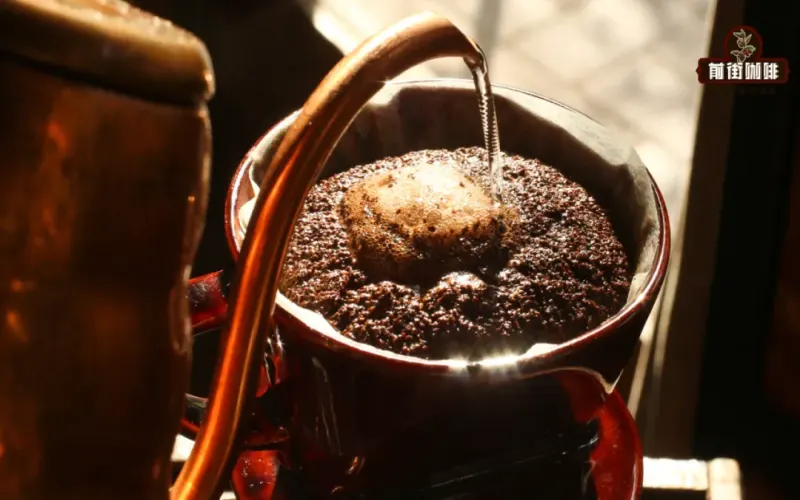
The Classic Japanese Hand-Drip Volcano Method: The Principles Behind High Sweetness in Dark Roast Coffee and Complete Step-by-Step Instructions
The volcanic pour is a highly distinctive brewing method within the Japanese hand-brewing system, named for the way the coffee bed rises and bubbles like a volcanic eruption during extraction. It is designed specifically for dark-roasted coffee, relying on a small stream of water, multiple intermittent pours of small volumes, and a high-concentration, low-extraction approach to ultimately present a cup of coffee with pronounced sweetness and a rich, smooth body. Starting from Front Street's experience shared on multiple occasions, this article provides an in-depth analysis of the underlying logic of the volcanic pour: why it can create a volcanic eruption-like spectacle, why only dark-roasted beans are up to the task, and how high concentration with low extraction avoids bitterness and improves extraction efficiency. The article also provides complete brewing parameters and a practical demonstration using Front Street's Golden Mandheling, guiding you step by step through this brewing experience that is both visual and gustatory.【图片1】【图片2】【图片3】【图片4】【图片5】【图片6】【图片7】【图片8】【图片9】【图片10】【图片11】 [more…]
AeroPress Iced Coffee Brewing Guide: Bean Selection and Extraction Parameters Explained
In the heat of midsummer, iced coffee becomes the daily go-to for many coffee lovers. Making a satisfying AeroPress iced coffee actually involves quite a few factors—the freshness of the coffee beans, nailing the grind size, and controlling the extraction time; every step affects the final flavor expression. This article uses Front Street washed Yirgacheffe as an example, starting from the logic of bean selection, to break down in detail the AeroPress iced coffee brewing process and core parameters, including grind size, coffee-to-water ratio, water temperature, and operating steps, helping you reliably recreate a cup of iced coffee rich with floral aromas and abundant fruity character at home. [more…]
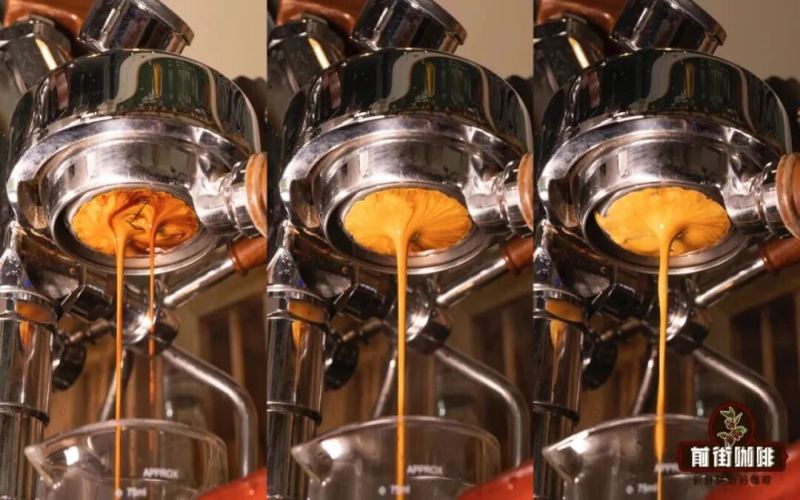
Espresso | What factors affect the strength of espresso? How can you increase the strength of Italian-style coffee?
From an extraction perspective, whether a cup of espresso tastes good first depends on the choice of coffee beans, then on the flavor and strength of the espresso, and finally on details such as the ratio of accompanying ingredients and temperature. Among these, making the espresso itself troubles many home baristas because various unexpected situations can arise. For example, from [more…]
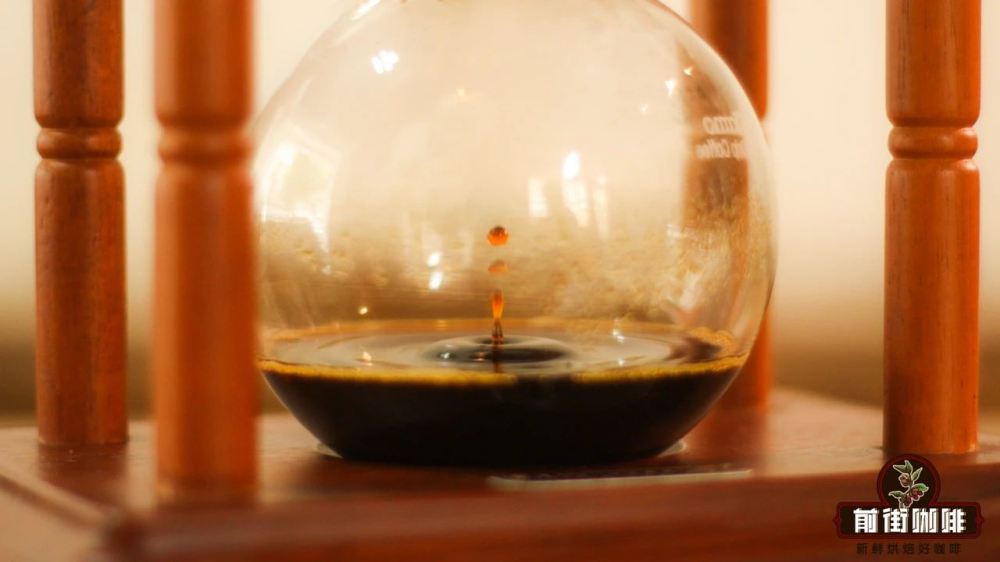
Cold Brew Coffee Characteristics | How Is Cold Brew Different from Iced Americano? Introduction to the Coffee-to-Water Ratio, Grind Size, and Extraction Time for Ethiopian Natural Hambela Cold Brew
Cold brew drip coffee is usually available in limited quantities at cafés, because each preparation takes over eight hours. Cold brew drip coffee originated in Europe. Since this cold coffee drink is said to have been invented by the Dutch, some people call it DUTCH COFFEE. In addition, during the preparation process, it uses naturally falling water droplets. [more…]

By-Pass Technique in Coffee Brewing: Principles, Applications, and Key Control Factors Explained
In the field of coffee brewing, By Pass is a concept that is practiced far more often than it is discussed in theory. Many enthusiasts simply equate it with adding water to dilute brewed coffee, but is this understanding accurate? Starting from the literal meaning of By Pass, this article will systematically explain the underlying logic of the bypass technique in conjunction with the relationship between extraction yield and strength in the Golden Cup standard. It also introduces Kanazawa-style brewing as a reference, analyzing how to use a 1:13 coffee-to-water ratio together with bypass water equal to twice the coffee dose to optimize the acidity and cleanliness of light-roasted coffee, and explores the room for adjusting parameters such as grind size and water temperature. [more…]
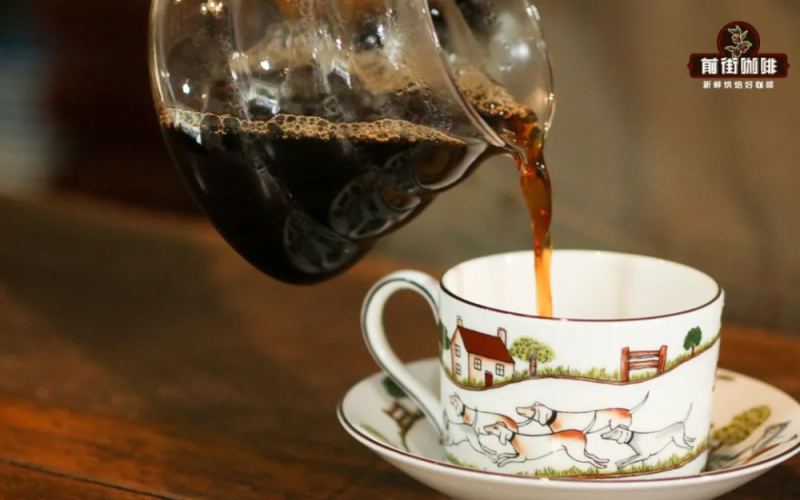
How to Make Coffee Sweeter? Four Front Street Coffee Recommendations with Prominent Sweetness and a Brewing Tips Guide
Many people pursue sweetness in coffee because sweetness promotes dopamine secretion and brings a pleasurable experience. But sweetness in coffee does not exist independently; it is presented through the balance between acidity and bitterness: the sweetness of light-roasted beans is hidden in the sweet-and-sour fruit profile of high acidity and low bitterness, while the sweetness of dark-roasted beans is integrated into the caramel and maple syrup flavors of low acidity and high bitterness. This article first recommends four Front Street Coffee beans with strong sweetness—Panama Boquete Geisha, Mozart, Queen's Estate, and Golden Mandheling—and then provides sweetness-brewing approaches for medium-light roasts and medium-dark roasts respectively: light-roasted beans can release mid-palate sweetness by increasing water temperature, sieving out coarse grounds, and adjusting the pouring technique; dark-roasted beans use a high-strength, low-extraction strategy, paired with a slow-flow dripper and gentle pouring, to reduce the release of bitterness. Whether you are a beginner or an advanced player, you can find actionable sweetness-brewing solutions here. [more…]
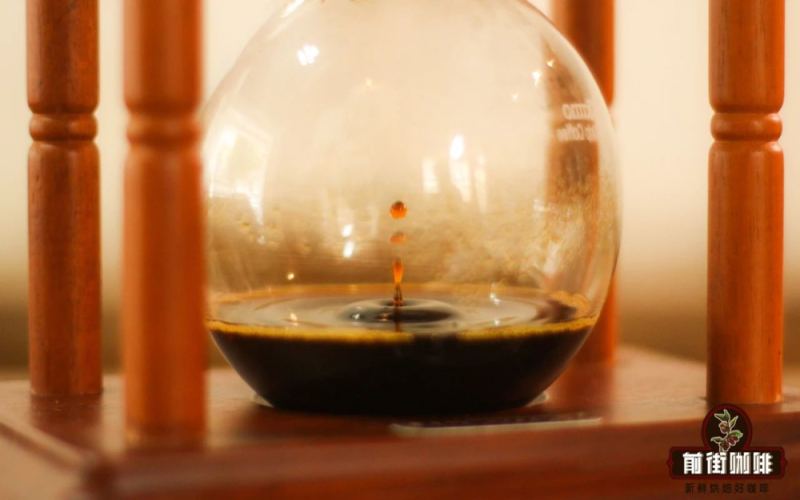
Key points for making cold brew coffee and flavor variations, plus an analysis of the parameter differences from iced pour-over
Cold brew coffee is often served in limited quantities in cafés because a single batch can easily take over eight hours to make. This cold coffee drink, which originated in Europe and is said to have been invented by the Dutch, is also known as DUTCH COFFEE. Because it relies on water dripping naturally through the coffee grounds and then falling drop by drop into the lower vessel to be collected, it is also called water-drip coffee. It is completely different from the simple method of adding ice to hot coffee: the former is low-temperature extraction, while the latter is brewed with hot water and then cooled. This article will cover the production steps of cold brew, bean selection ideas, drip rate control, refrigeration and aging, as well as the specific parameters for iced pour-over, to help coffee lovers clarify the differences between the two kinds of iced coffee, and provide Front Street Coffee bean recommendations and practical reference. [more…]
Can Pour-Over Coffee Make a Latte? A Correct Reverse-Brewing Method and Key Points for Extracting Milk Coffee
Recently, a "reverse brewing" method has become popular in the coffee world—first mixing and soaking the coffee grounds and water to complete extraction, then using a paper filter and dripper to filter out the grounds, resulting in a highly concentrated coffee liquid used to make milk coffee. After being asked about this method by customers in-store, Front Street Coffee specifically sorted out the principles and operation of this approach. Strictly speaking, this is no longer "brewing" but immersion extraction, similar to a smart cup or French press. Although it cannot match the concentration of an espresso machine or moka pot, for households without pressure equipment, it is a practical alternative to satisfy a craving for milk coffee. This article will explain why making milk coffee requires high concentration, how to choose beans, and the specific extraction parameters and steps for Front Street Coffee's Strawberry Candy · Geisha Blend. [more…]

Cold Brew, Ice Drip, Iced Americano, Iced Pour-Over: A Complete Analysis of the Extraction Principles, Brewing Methods, and Flavor Differences of Four Iced Coffees
On a scorching summer day, a glass of iced coffee always brings refreshing delight. But can you tell the essential differences between cold brew, ice drip, iced Americano, and iced pour-over? This article will systematically sort out the characteristics of these four common iced coffees from four dimensions: extraction method, preparation time, difficulty of operation, and flavor and mouthfeel. Whether you are a coffee enthusiast just starting out or a home brewing player hoping to hone your skills, you can find the cup that suits you. The article also includes Front Street Coffee's detailed brewing parameters and flavor descriptions to help you understand more intuitively the unique charm of each iced coffee. [more…]
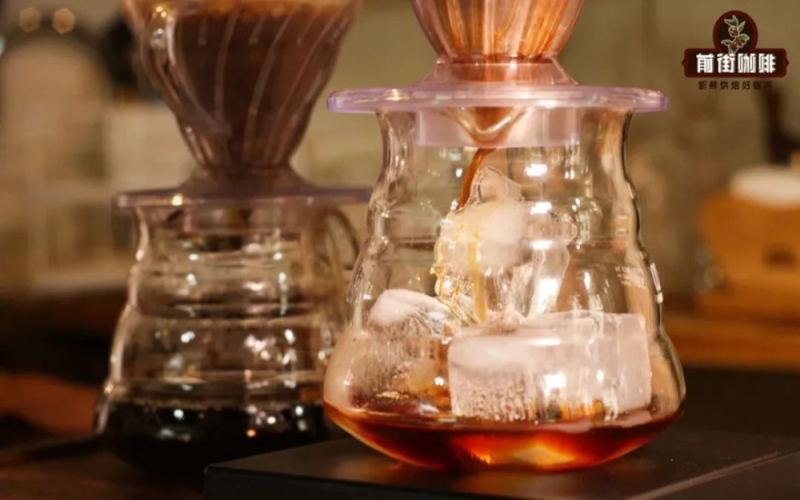
How to Make Delicious Iced Pour-Over Coffee: Four Practical Brewing Methods and Detailed Parameters
When the weather turns hot, iced coffee becomes the first choice for many people. Iced pour-over preserves the flavor layers of pour-over coffee while adding a refreshing chill, but making a good iced pour-over isn't as simple as adding ice cubes to hot pour-over. Melting ice dilutes the coffee's strength, and directly applying hot-brew parameters often results in a weak glass of iced coffee water. This article centers on the two cores of extraction yield and strength, and compiles four zero-threshold iced pour-over methods: the high-strength high-extraction method, the ice-rinsing method, the stirring method, and the ice-bath cooling method. Each method comes with specific parameters and operating steps using a medium-light roast Front Street Coffee Kafa Forest as an example, helping you easily make a full-flavored, sweet-and-sour balanced iced pour-over at home. [more…]

Pros and Cons of Drip Bag Coffee | How to Brew Jamaican Blue Mountain No. 1 Drip Coffee Bags? What Are the Wrong Ways to Brew Filter Coffee Bags?
For more specialty coffee knowledge, please follow the WeChat official account: Front Street Coffee (FrontStreet Coffee). Drip bag coffee is loved by coffee enthusiasts for its convenience, so many novice coffee lovers who have just started using drip bag coffee ask Front Street Coffee (FrontSt [more…]
What Type of Coffee Does Cold Drip Coffee Belong To? A Detailed Explanation of the Preparation Steps and Its Flavor Differences from Cold Brew Coffee
As temperatures gradually rise, cold beverages enter their peak sales season, and cafés are putting all kinds of iced coffee on their menus, including Americano, cold brew, and the rather time-consuming ice drip coffee. Many consumers wonder why ice drip coffee is often priced considerably higher than ordinary iced coffee. In this article, Front Street Coffee will explain ice drip coffee's category classification, extraction principles, complete brewing process, and how it differs in flavor from cold brew coffee, while also introducing ice drip coffee's storage advantages and the people it suits, to help coffee lovers gain a comprehensive understanding of this slow-crafted coffee category. [more…]
A Complete Guide to the World's Twelve Great Specialty Coffee Regions: The Flavor Geography from Colombia to India
The flavor code of coffee is often hidden in the land where it grows. From the Andes in South America to the highlands of Africa, from the Caribbean islands to the archipelagos of Asia, each producing region shapes an unrepeatable landscape in the cup through its unique climate, altitude, and processing methods. This article will take you on a visit to twelve globally recognized high-quality coffee origins—Colombia's balanced smoothness, Ethiopia's wild wine-like aroma, Jamaica Blue Mountain's scarce legend, Yemen Mocha's complexity and variability, as well as the distinctive personalities of Kenya, Indonesia, Hawaii, and other places. Whether you are a beginner pour-over enthusiast or a seasoned player looking for your next bag of beans, this origin guide can help you build a clearer flavor coordinate system. Front Street Coffee will also accompany you in understanding the origins while finding the cup that suits you. [more…]

Drip Coffee Bags | How acidic is dark roast Brazilian drip black coffee? How to brew Mandheling, Yirgacheffe, and Brazilian drip coffee?
With the rise of the specialty coffee trend, coffee culture has been continuously spreading, and sales of both coffee equipment and coffee beans are constantly increasing. As a store focused on specialty coffee, Front Street not only brews a delicious cup of coffee for every guest, but also aims to spread coffee culture. If everyone [more…]