







How Does Sweetness in Coffee Survive a Dark Roast?
A sweet aftertaste in dark roast coffee comes from sugars and sweet aromatic compounds already in the bean, not from bitterness. The effect only reads as sweet when the coffee holds enough of those compounds, so the roast, the green coffee, and the extraction all matter more than the level of bitterness in the cup.
One working recipe uses 15 g of grounds at a 1:14 ratio, 89C water, an Ek43 setting of 10.5, and a Kono dripper. A three-pour method with a gentler stream stretches extraction, which shapes the blue mountain coffee taste toward dark chocolate and nuts before the finish turns syrupy.
Brewing a dark roast coffee with pronounced sweetness in the finish is not easy, and many enthusiasts run into problems of excessive bitterness or insufficient sweetness. This article starts from Front Street's brewing experience, first analyzing the principle behind the sweet aftertaste—sweetness only gradually emerges after the bitterness fades, so the coffee itself must contain enough sugars and sweet aromatic compounds. Then, using the excellent-quality Front Street Jamaica Blue Mountain No. 1 coffee as an example, it shares a complete brewing recipe: 15g of grounds, a 1:14 coffee-to-water ratio, 89°C water temperature, Ek43 grind setting of 10.5, a Kono dripper, and a three-pour method with a smaller stream to extend extraction, ultimately producing aromas of dark chocolate and nuts, with a finish that turns into a maple syrup and cream-like sweetness.
However, making a cup of coffee with a clear sweet aftertaste is not easy, and it depends heavily on the brewer's understanding of sweetness in the finish and extraction. Many friends' dark roast coffees either taste too bitter and scorched, or are enjoyable but lack a lingering finish, and cases with a strong sweet aftertaste are rare. So today Front Street will talk about how to brew a pot of dark roast coffee with high sweetness and ample sweet aftertaste.
How the Sweet Aftertaste Forms
If you want to make coffee with a pronounced sweet aftertaste, the first step is to understand how that sweet aftertaste actually arises. Why does Front Street emphasize this point? Because Front Street has noticed that many people have a misconception about the sweet aftertaste, thinking that "the stronger and more bitter the coffee, the stronger the sweet aftertaste will be." This is actually an impression formed mainly by the sensory contrast effect. In fact, the strength of the sweet aftertaste and the degree of bitterness in coffee are not necessarily connected.

The sweet aftertaste is indeed influenced by the sensory contrast effect, but the premise for this contrast to hold is that the coffee must first contain enough sweetness. If the sweetness is insufficient, then no matter how strong or bitter the coffee is, it is hard to experience a strong sweet aftertaste, because the sweetness in coffee is inherently low, and the sweetness you can feel after the bitterness passes is merely the faint sweetness brought by saliva secreted after the mouth is stimulated.
The reason the sweet aftertaste occurs is more because the taste buds are relatively sensitive to bitterness. When we drink a cup of coffee that has both bitterness and sweetness, the bitterness receptors quickly send bitterness signals to the brain, making the brain immediately perceive bitterness, thereby temporarily suppressing the expression of sweetness.
However, these receptors quickly adapt to continuous stimulation, so the response intensity of the bitterness receptors gradually weakens. Simply put, our perception of bitterness gradually diminishes.
As the perception of bitterness continues to decline, the sweetness originally masked by bitterness begins to emerge little by little. In addition, due to the taste contrast effect, our sensitivity to sweetness becomes higher, and the expression of sweetness becomes more prominent. This is the mechanism of sweetness after bitterness—the sweet aftertaste.
In other words, to get a strong sweet aftertaste, bitterness alone is not enough; the coffee must also have ample sweetness. To enhance the sweetness of coffee, you need to work on two aspects. The first is choosing suitable coffee beans.
How Do You Brew a Dark Roast Coffee with a Pronounced Sweet Aftertaste?
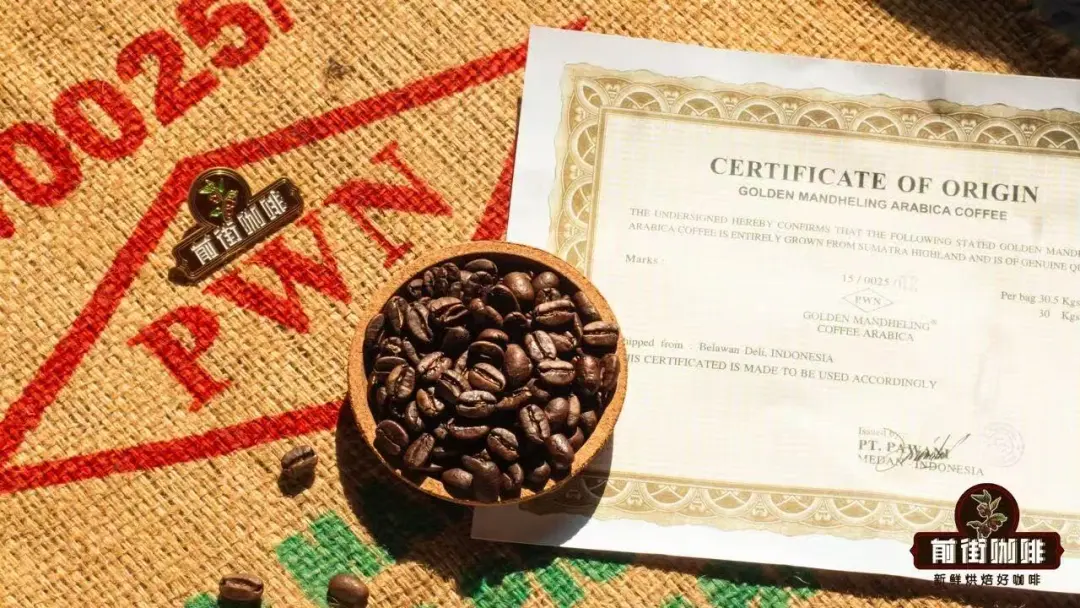
Coffee beans themselves contain natural sugars. Although these sugars gradually decrease as the roast level deepens, they generate new aromatic compounds with sweetness through chemical reactions. The better the bean quality and the higher the sugar content, the richer the sweet aromas produced after roasting. For example, Front Street Indonesia Golden Mandheling and Front Street Jamaica Blue Mountain No. 1 coffee, sold by Front Street on Tmall and Taobao, are both dark roast coffee beans of quite excellent quality.
The second is to use a suitable brewing method to control the proportions of bitterness, sweetness, and other components in the coffee. Speaking of this, Front Street believes everyone has already thought of a very ideal brewing technique—yes, it is the high-strength, low-extraction method commonly used in Japanese brewing. This technique increases concentration by increasing the coffee-to-liquid ratio, while also effectively reducing the dissolution of bitter substances, thereby greatly enhancing the sweet aftertaste experience.
However, many friends also used this technique from the start to brew dark roast coffee, yet the final sweet aftertaste was not strong. The reason is actually very simple: the ratio they used was too large, completely cutting off the latter part of the coffee, resulting in incomplete extraction. Although this can suppress bitterness, it also reduces contrast, so naturally the sweet aftertaste is not as strong.
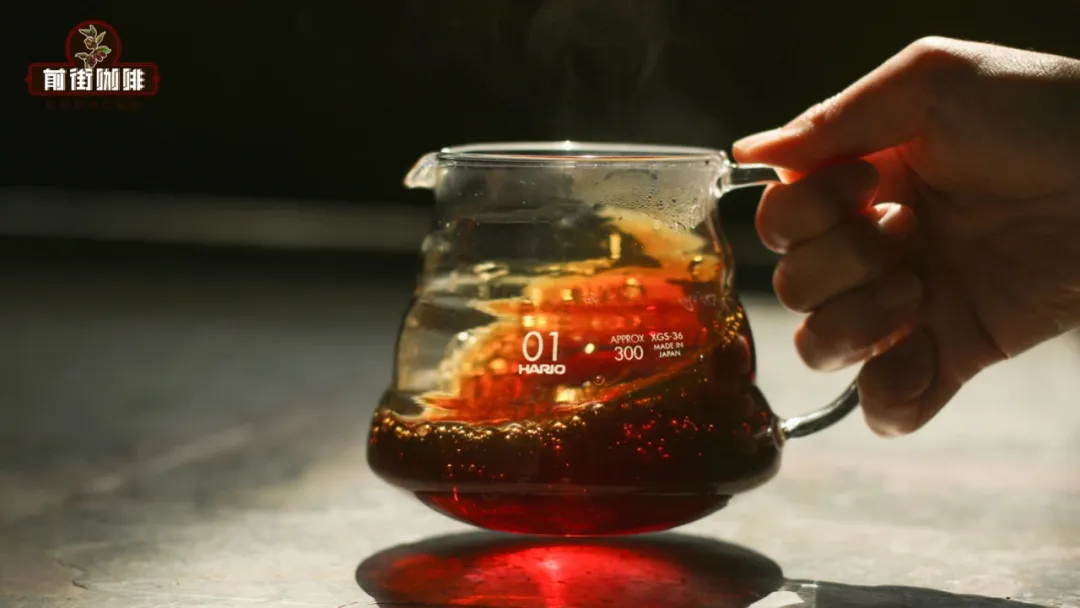
So without further ado, next Front Street will share how to brew a pot of dark roast coffee with a strong sweet aftertaste.
Brewing Share
The coffee beans Front Street used for this brew are the Front Street Jamaica Blue Mountain No. 1 coffee mentioned earlier in the bean list. The parameters are as follows:
Dose: 15g Coffee-to-water ratio: 1:14 Brewing water temperature: 89°C Grind level: Ek43 setting 10.5, 70%~75% passing rate on a No. 20 sieve Extraction time: 2 minutes Dripper used: Kono
Previously, Front Street shared a 1:13 high-strength, low-extraction brew, and afterward many friends reported that it was too strong, so this time Front Street adjusted the ratio to 1:14, so that even without a bypass, the brewed coffee concentration should be relatively easy to accept. Of course, if it still feels too strong, you can also use a bypass (adding extra water) of 15ml~30ml of hot water to dilute the concentration.

As usual, first bloom with 30ml of hot water for 30 seconds to allow the carbon dioxide that hinders extraction to fully escape.
After the bloom ends, pour the second stage of hot water in a large circular motion with a smaller stream, totaling 100ml for this stage.
After the second stage of hot water has mostly penetrated, pour the third stage of hot water in a small circular motion with the same smaller stream, totaling 80ml for this stage. Using a smaller stream is to lengthen the coffee's extraction time, because the water amount is not large and the water temperature is not high; appropriately extending extraction helps increase sweet substances.
The total time was 2 minutes 3 seconds, just within the set time range.
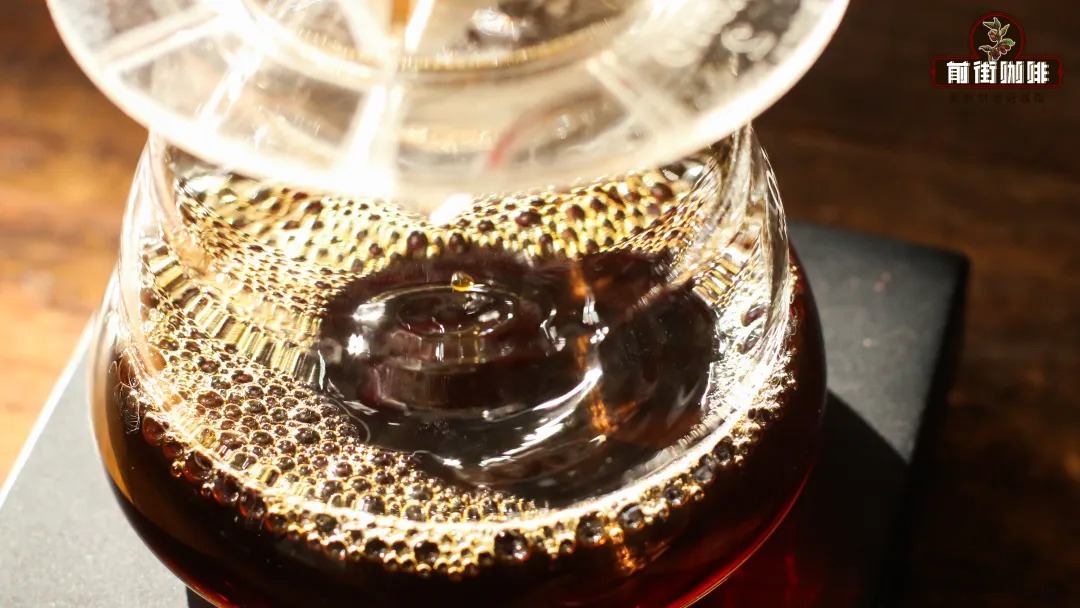
The Jamaica Blue Mountain No. 1 brewed this way, just as Front Street said, has a very pronounced sweet aftertaste. On the palate, it first shows the mellow aroma of dark chocolate, nuts, and spices, then turns into the sweetness of maple syrup and cream. The mouthfeel is richer and more full-bodied due to the higher concentration, and while it is fragrant and rich, the finish is long and lingering—quite excellent!!!
- END -
The above content is compiled by CoffeeHunters, a coffee news website.


