







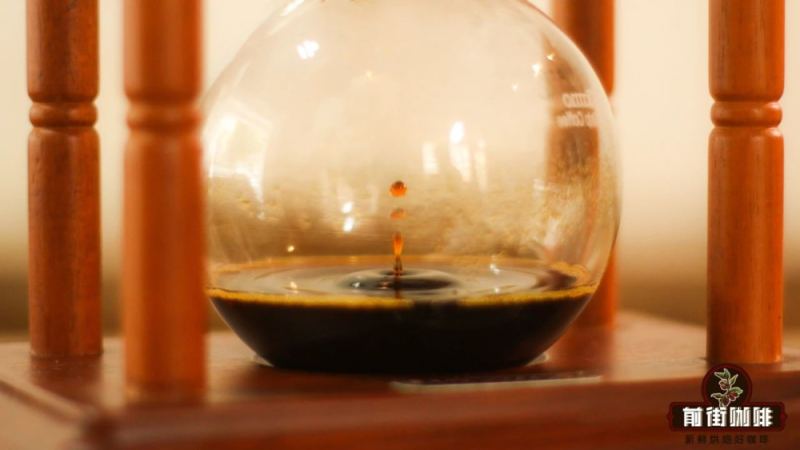
Ice drip coffee is often offered in limited quantities in cafés because a single batch can take over eight hours to make. This cold coffee, which originated in Europe and is said to have been invented by the Dutch, is also called DUTCH COFFEE. Because it relies on water droplets naturally seeping through the coffee grounds and then falling drop by drop into the lower pot to be collected, it is also known as water-drip coffee. It is completely different from simply adding ice to hot coffee: the former is low-temperature extraction, while the latter is brewed with hot water and then cooled. This article will cover the steps for making ice drip, the approach to bean selection, drip-rate control, refrigerated aging, and the specific parameters for iced pour-over, to help coffee lovers clarify the differences between the two kinds of iced coffee and provide bean recommendations from Front Street Coffee along with practical reference.
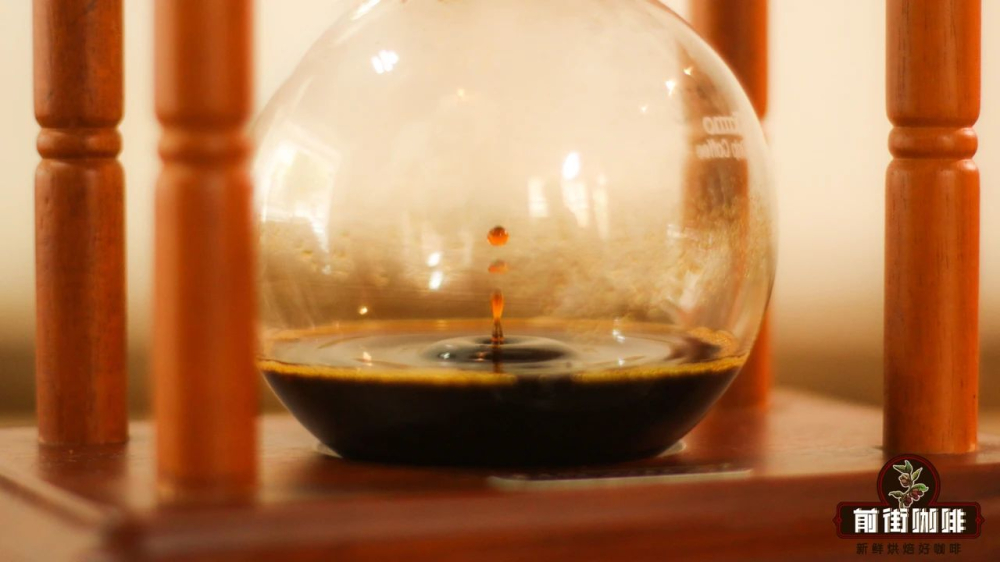
Ice drip is generally offered in limited quantities in cafés because each production takes more than eight hours. Ice drip coffee originated in Europe. Since this cold coffee is said to have been invented by the Dutch, some people call it DUTCH COFFEE. In addition, during production, naturally falling water droplets seep into the coffee grounds and finally fall drop by drop into the lower pot to be collected, so it is also called water-drip coffee and usually requires more than 8 hours.
How do coffee shops make ice drip?
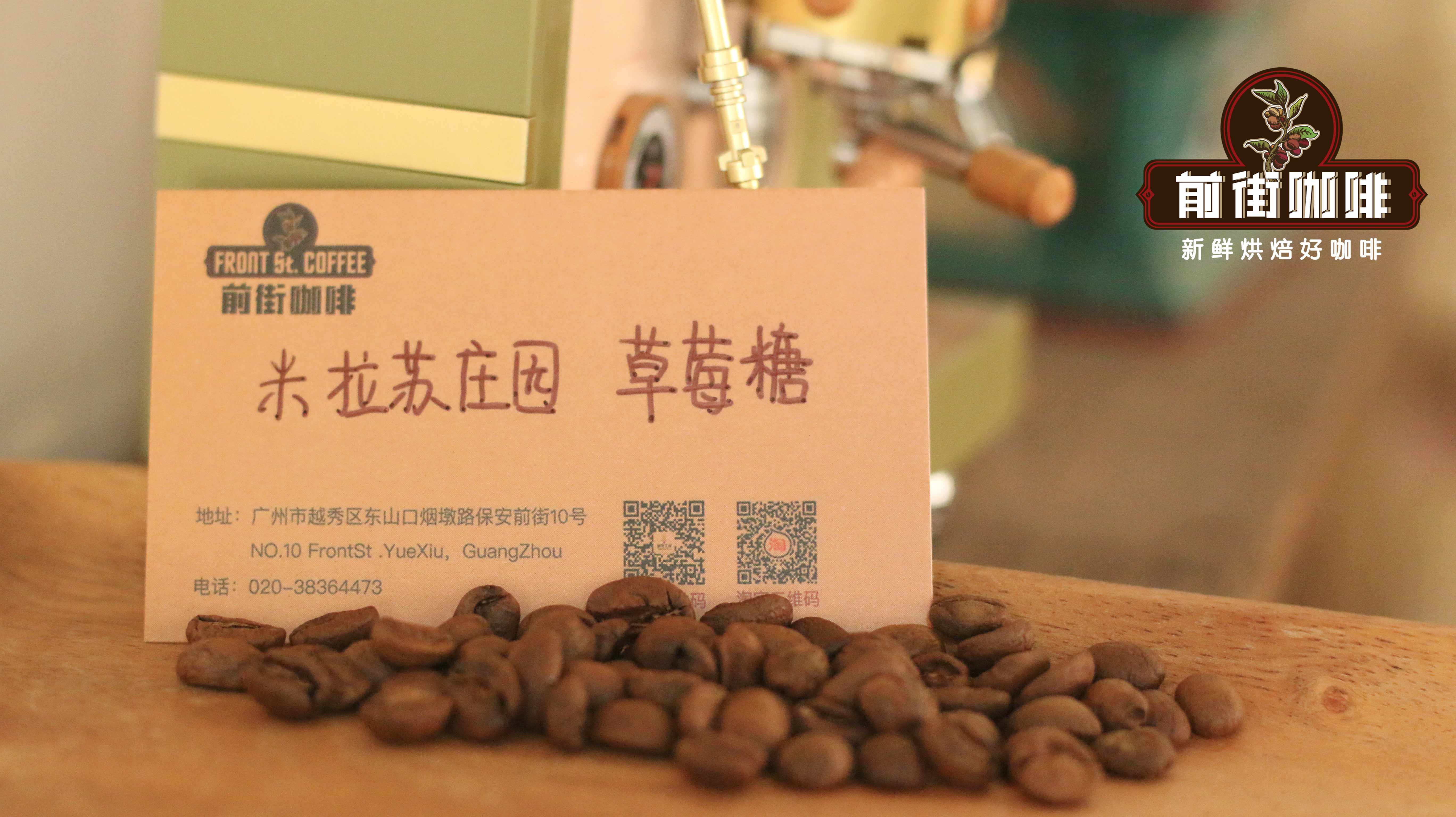
Materials preparation: ice drip pot, room-temperature direct drinking water, ice cubes, round filter paper for ice drip, a pack of Front Street Strawberry Candy coffee beans, grinder, and a sealed bottle. (For this tutorial, the ratio of coffee to water to ice is 1:6:6, using 50 g of coffee beans, 300 g of water, and 300 g of ice.)
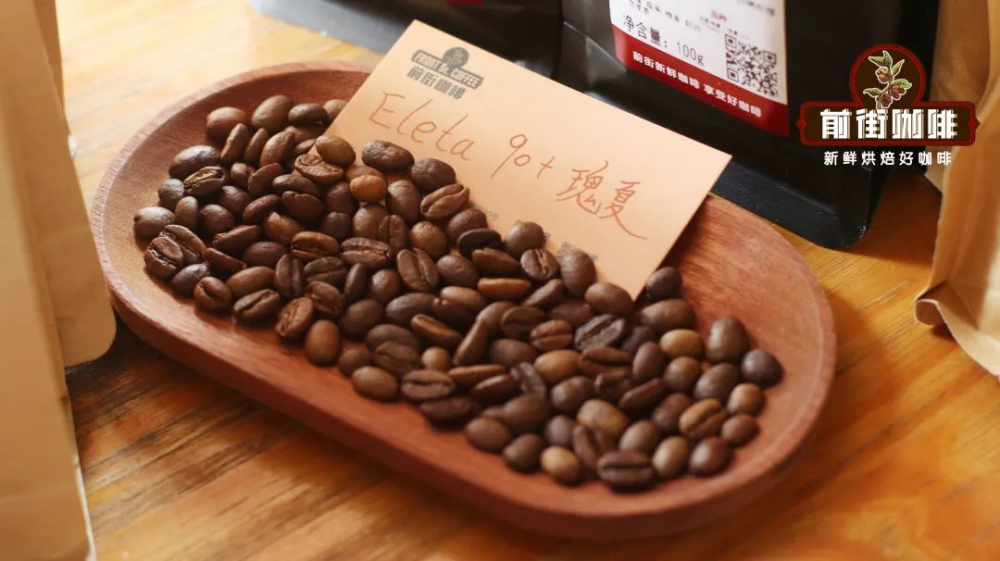
For ice drip coffee beans, usually choose types with fresh floral aromas and rich fruity notes. For those who like floral notes, Front Street Flower Queen Coffee, Front Street Butterfly Coffee, and Front Street Strawberry Candy Coffee are recommended; for those who like rich fruity notes or fermented flavors, it is suggested to buy Front Street Mozart Coffee, Front Street Sidra Coffee, and Front Street 90+ Estate Eleta Coffee.
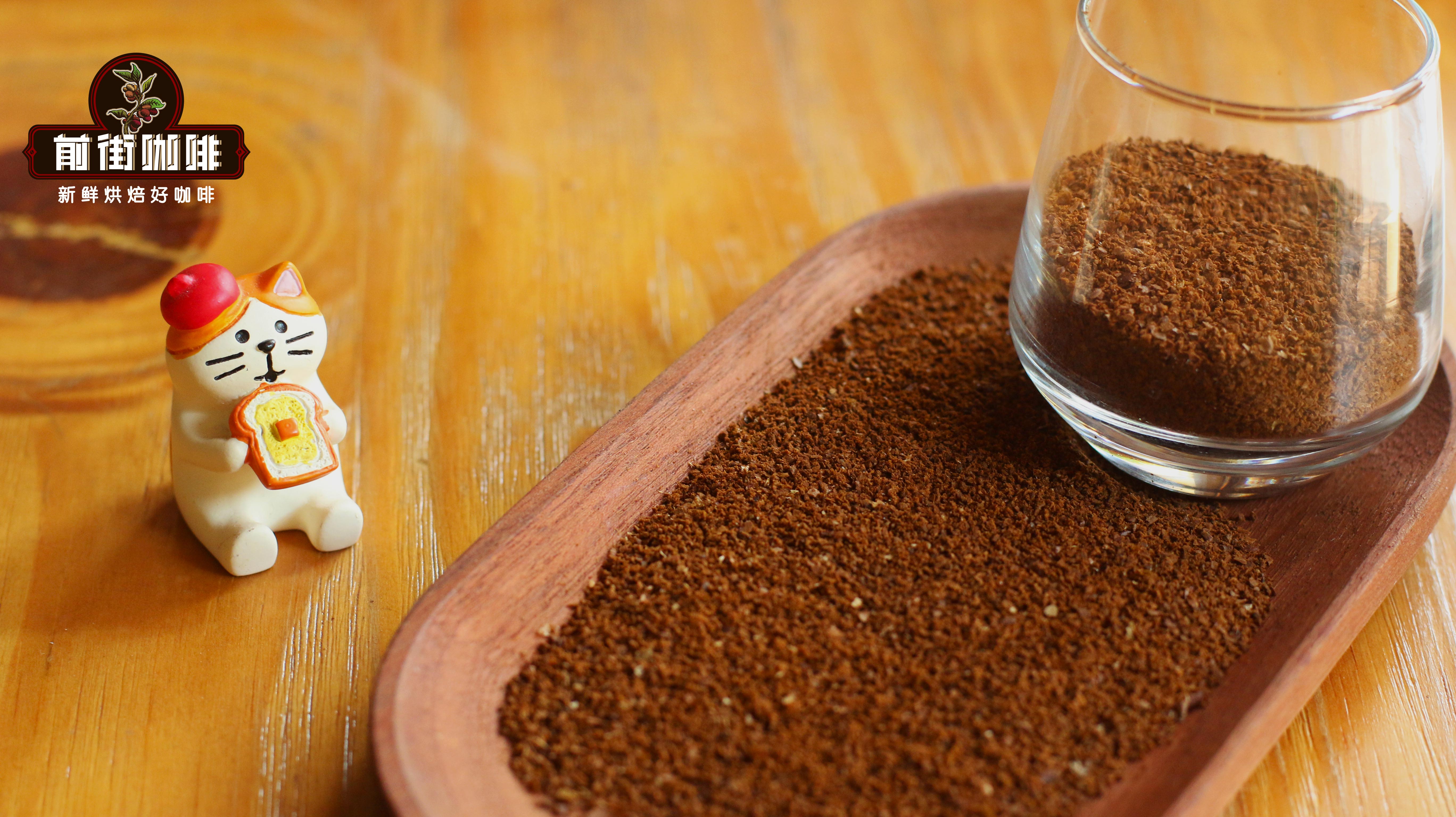
Step 1: Grind the coffee beans into coffee grounds.
(For reference only: this ice drip uses Front Street Strawberry Candy coffee beans, and the grinder used is an EK43s. The grind setting is 9, the setting usually used for iced pour-over.)
Step 2: Line the filter basket of the ice drip pot with a round filter paper for ice drip, moisten it with water, then pour in the coffee grounds and level them.
Step 3: Cover the leveled coffee grounds with another round filter paper for ice drip, and use room-temperature water to moisten the coffee grounds. (Tip: Make sure all the grounds are moistened. This can shorten the drip time and ensure the coffee bed is evenly penetrated by water.)
Step 5: Set the drip rate valve so the water drips at 7 drops per 10 seconds, then wait until dripping is complete.
(The drip filtration takes a long time, so observe the drip rate from time to time to prevent changes.) After extraction is finished, ice drip coffee should be put into a clean container and then refrigerated overnight before it tastes better. This is a habit many experienced coffee lovers have long developed. Spending a night in the refrigerator means sealed storage in a low-temperature environment, which we can simply understand as "aging." There are two purposes: controlling fermentation and avoiding spoilage.
Although a home refrigerator looks clean on the surface, in reality it still contains many microorganisms invisible to the naked eye. If ignored, they can easily cause food spoilage or deterioration. Therefore, to ensure the coffee is not contaminated by the outside environment, the container we use must have good sealing performance and be cleaned thoroughly. Low-temperature storage is not only to inhibit the reproduction rate of certain bacterial colonies, but also to give the substances in the coffee a slow and controllable fermentation process. This also explains why the longer ice drip is stored, the stronger the coffee's fermented flavor becomes.
Generally speaking, for the sake of flavor experience and health and safety, whether it is ice drip or cold brew, Front Street recommends drinking any low-temperature extraction method within 5 days (counting from the production date).
Besides cold-water extraction, in coffee shops we can also see another kind of iced coffee brewed with hot water: iced pour-over. Front Street believes that making iced pour-over is also very simple. As long as you choose the right coffee beans and make sure the parameters are not too far off, you can easily get a refreshing and delicious cup of black coffee.
Here, Front Street takes a medium-light roast coffee bean—Front Street Kaffa Forest—as an example. The high-strength, high-extraction iced pour-over parameters are as follows:
Dose: 15 g
10 times hot water: 150 g
5 times ice: 75 g
Water temperature: 92°C
Grind size: 83% passing through a No. 20 sieve (EK43s setting 9, C40 setting 22)
Dripper: Hario V60
Technique: three-pour method
First, put 75 g of ice cubes into the lower pot, then pour 15 g of ground coffee into the dripper and gently tap it level. For the first pour, use a small flow of 3 ml/s to pour 30 g of hot water from the center outward in a small circle for a 30-second bloom; after 30 seconds, pour the second stage of 60 g of water using the same technique, being careful not to raise the liquid level too high, as this can easily cause underextraction; when the coffee liquid is about to run dry, pour all of the remaining 60 g of hot water at a flow rate of 3 ml/s, ensuring the extraction time falls within 1 minute 50 seconds to 2 minutes.
The Kaffa Forest brewed this way not only has rich fruity notes like lemon and blueberry, but also highlights the sweet fragrance of melon seeds. The mouthfeel is light, with balanced acidity, sweetness, and bitterness. However, because a small amount of crushed ice remains after brewing, if you do not want the coffee to be further diluted, either drink it as soon as possible before the ice melts or remove the ice cubes first.
The above content is compiled by CoffeeHunters, a coffee news website.


