








How can you bring out more sweetness in coffee?
Sweetness in coffee comes from sugars and caramelized compounds that develop during roasting, and it depends heavily on how you brew. A coffee that tastes flat or harsh is often under-extracted or over-extracted rather than lacking sweetness. Adjusting grind size, water temperature, and brew ratio can change the cup more than switching beans. Small changes, made one at a time, reveal what each variable contributes.
Front Street Coffee offers several options with sweetness that reads clearly. Golden Mandheling coffee brings caramel and dark chocolate notes with syrupy body. A medium-roast Brazilian bean leans toward nut and cocoa. A washed Ethiopian coffee shows fruit sweetness instead. Whatever you choose, use a medium grind, water around 200 degrees Fahrenheit, and a steady pour. Let the coffee cool slightly, since sweetness becomes more noticeable as the cup drops in temperature.
Many people chase sweetness in coffee because sweetness triggers dopamine release and brings pleasure. But sweetness in coffee does not exist on its own—it emerges through the balance between acidity and bitterness: the sweetness of light-roasted beans hides within the sweet-and-sour fruit profile of high acidity and low bitterness, while the sweetness of dark-roasted beans blends into the caramel and maple syrup flavors of low acidity and high bitterness. This article first recommends four Front Street Coffee beans with intense sweetness—Panama Boquete Geisha, Mozart, Queen's Estate, and Golden Mandheling—then offers brewing-for-sweetness approaches for medium-light and medium-dark roasts respectively: light-roasted beans can release mid-palate sweetness by raising water temperature, sifting out coarse grounds, and adjusting pouring technique; dark-roasted beans use a high-concentration, low-extraction strategy, paired with a slow-flow dripper and gentle pouring, to reduce bitterness release. Whether you are a beginner or an advanced brewer, you can find an actionable brewing-for-sweetness plan here.
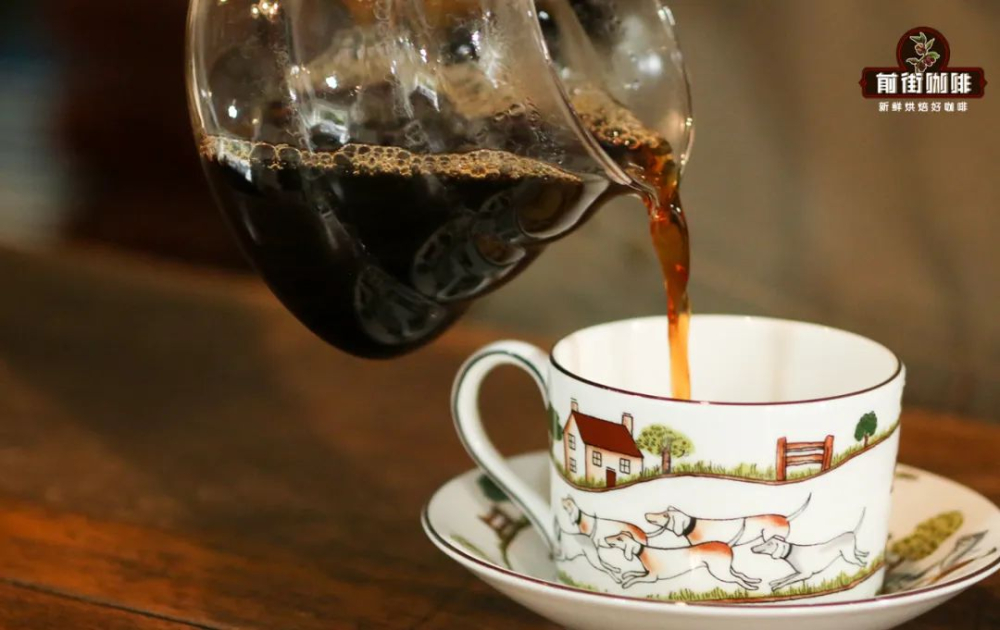
Why are we always obsessed with brewing coffee sweet? The reason is probably that sweetness stimulates dopamine release, making people feel pleasure.
To brew coffee sweet, the first step is to understand where coffee sweetness comes from. Sweetness in coffee does not exist independently; it needs coordination between acidity and bitterness to stand out. For example, light-roasted coffee itself has fewer bitter compounds, and its sweetness relies on a structure of high acidity and low bitterness, presenting as a sweet-and-sour interwoven profile, so it often carries various fruit flavors; while dark-roasted coffee has more bitter compounds, so its sweetness is built on low acidity and high bitterness, showing as caramel, maple syrup, and similar bitter-sweet notes. Below are four coffee beans with standout sweetness:
1. Front Street Panama Boquete Geisha
Flavor: jasmine, honey, orange, peach, tea aroma, with a clean, sweet, and soft mouthfeel
2. Front Street Mozart Coffee Beans
Flavor: raisin, osmanthus, orange, cream, fermented aroma, with the sweet fragrance of ripe fruit
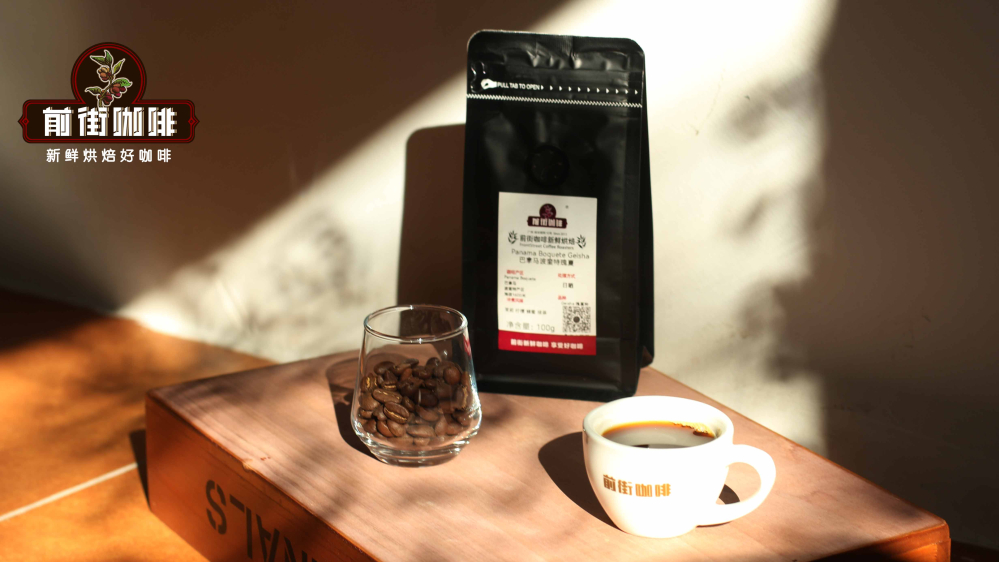
3. Front Street Queen's Estate Coffee Beans
Flavor: chocolate, creamy peanut, sucrose, nuts, with a clear sweet aftertaste
4. Front Street Golden Mandheling Coffee Beans
Flavor: caramel, spices, dark chocolate, pine, herbs, full-bodied and rich, with a long-lasting finish
Brewing-for-Sweetness Approach for Medium-Light Roasted Coffee Beans
Medium-light roasted coffee beans usually present fruit-like acidity. As long as you avoid extracting bitterness in the later stage, the overall taste of the coffee will basically not be bad. Therefore, there are many safe brewing methods on the market, and their core idea is to avoid the bitterness that easily appears by using low extraction, which makes unpleasant defect flavors less likely while preserving the main fruit profile.
However, if you want to bring the sweetness of coffee to the extreme, you need to take on the risk of possible over-extraction. I believe everyone has some understanding of the sweet-sour-bitter extraction model of coffee.
From this ideal model, to brew sweet, you must release the high sweetness of the mid-palate.
So, if you currently feel that the sweetness is not enough when brewing medium-light coffee beans with your method, you might as well try Front Street's suggestions:
① Raise the water temperature by 2°C;
Water temperature is the most direct factor affecting extraction efficiency. Raising the water temperature can speed up the extraction rate per unit of time. Simply put, if you feel a cup of coffee is too sour, you can appropriately raise the water temperature next time you brew.
② Try sifting out the coarse grounds;
In the past we often worried about fines, but if you conclude that a cup of coffee is too sour, that is definitely not caused by fines. Front Street often says that for pour-over coffee, the grinding sifting rate is 80% passing through a 0.85 mm sieve, and coffee grounds with a particle size larger than 0.85 mm are considered coarse grounds.
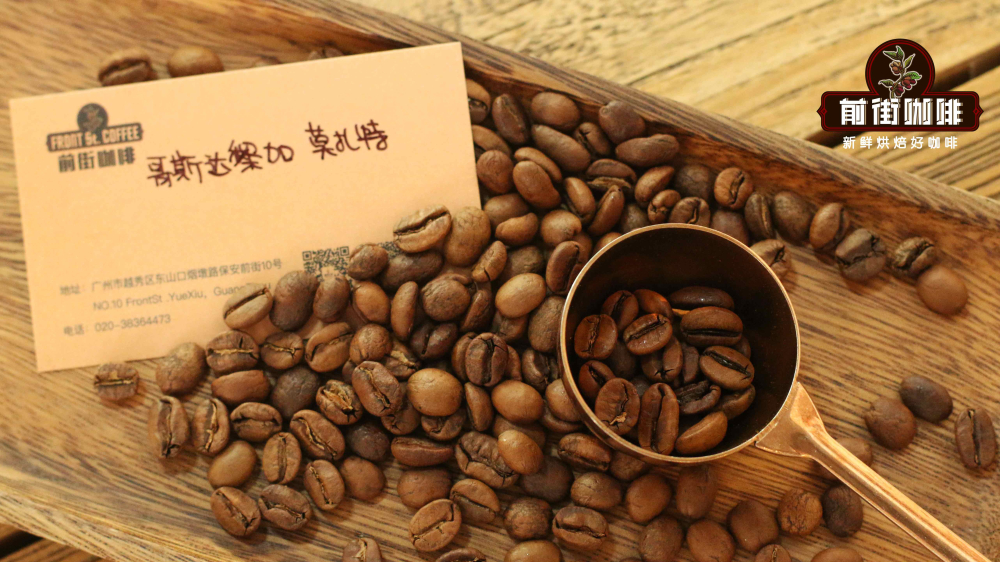
Coarse grounds release substances relatively slowly, and sifting them out helps highlight the sweetness of the coffee.
③ Use technique to avoid risk;
Choose one of the above two options according to the situation. When pouring, you need to pay more attention to controlling the water stream and the circling. The pouring can be divided into three stages (including blooming), with water amounts (for 15 g of grounds) of 25 ml / 125 ml / 90 ml respectively.
Brewing-for-Sweetness Approach for Medium-Dark Roasted Coffee Beans
Medium-dark roasted coffee beans generally have a primarily bitter profile of nuts and dark chocolate, and their prominent sweetness shows as caramel, maple syrup, and fructose. Poorly brewed coffee will be bitter all the way through, even bitter in the throat, with an extremely long bitter aftertaste.
So many people treat brewing dark-roasted coffee "sweet" as a discipline on their brewing journey.
The brewing suggestion Front Street shares with everyone is high concentration and low extraction, reducing bitterness release without losing body. For the dripper, you can choose one with a relatively slow flow rate; here Front Street chooses the Kono dripper. The grind size is 68% passing through a 0.85 mm sieve, the coffee-to-water ratio is 1:13, and the water temperature is 88°C.
The brewing method is also very plain, centered on the word "gentle." First pour in 30 ml of water and bloom for 30 seconds, then gently pour in small circles directly to 195 ml, raising the coffee bed, and leave the rest to immersion extraction. If the general parameters are not off, it will basically be very sweet.
The above content is compiled by CoffeeHunters, a coffee news website.


