







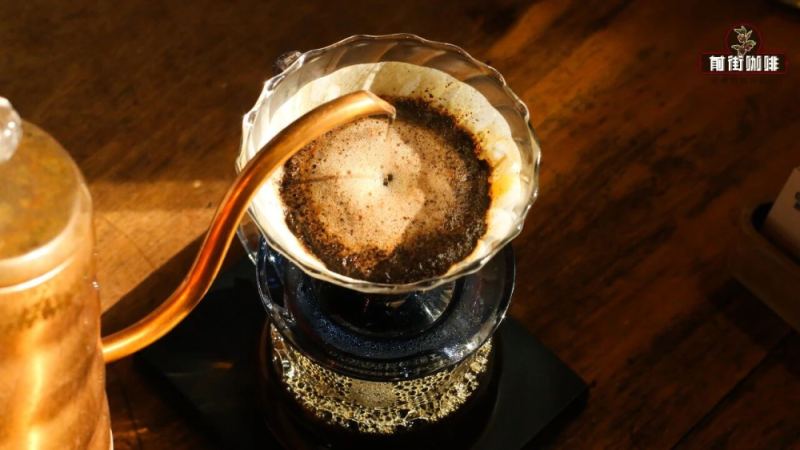
How does the one-pour hand-drip coffee method work?
The one-pour method skips blooming and pours all target water in a single strong stream within 15 seconds, then lets the dripper finish filtering naturally. Tetsu Kasuya, the 2016 World Brewers Cup champion, presented it publicly in 2019. It demands little pouring skill and simple equipment, yet still yields lively flavors and rich fruity notes, making coffee brewing easier for beginners.
Kasuya's version uses a V60 dripper, 30 grams of coffee grounds, a grind much finer than daily brewing, and water at 95°C. Testing with the Hario Switch dripper produced adjusted parameters and reliable flavor results. The approach fits his stated philosophy of simplifying coffee brewing, and it is a practical route to a delicious coffee cup without weeks of pouring practice.
Pour-over coffee pouring techniques often deter beginners, requiring repeated practice to achieve consistent results. This article introduces a brewing method called "one-pour," publicly presented by Tetsu Kasuya, the 2016 World Brewers Cup champion, in 2019. Its core idea is to skip the blooming step, pour all the target water in one go with a strong stream within 15 seconds, and then let the dripper finish the natural drip filtration. This method has extremely low demands on pouring skill and a low barrier for equipment, yet it can produce coffee with lively flavors and rich fruity notes. Front Street will share improved parameters and flavor performance based on actual testing with the Hario Switch dripper, making it a useful reference for coffee lovers who want to get started with pour-over easily.
There are all kinds of pour-over brewing methods, but most of them have high demands on pouring technique. Many friends who want to drink a good cup of coffee they brewed themselves need at least one or two weeks of continuous practice just to barely achieve consistency. Today, Front Street will share a brewing method that requires neither skilled pouring technique nor expensive equipment.
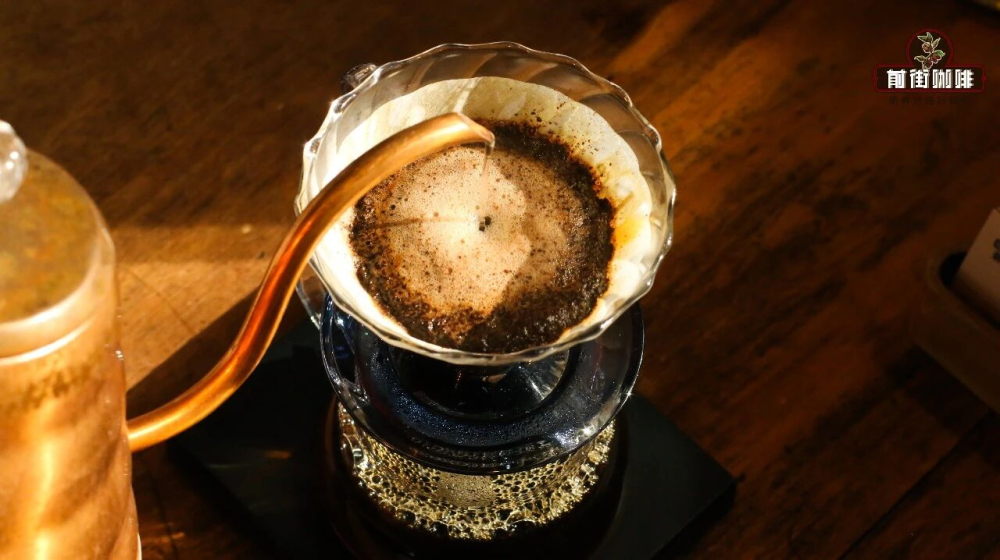
Just brew it casually in summer?
The brewing method to be introduced this time is called "one-pour." Put simply, it means pouring all the target water in one go, then waiting for the coffee liquid to finish filtering naturally, and that's the end of it. The whole process is very fast, and it even skips the blooming step entirely. Doesn't that sound a bit unconventional?
In fact, this brewing method has existed for a long time, but it has always circulated in a relatively small circle, so not many people know about it. Of course, many people have also come up with similar brewing ideas on their own. What Front Street focuses on here is the "one-pour" brewing plan proposed by Tetsu Kasuya in 2019.
[Tetsu Kasuya is the champion of the 2016 World Brewers Cup. Everyone surely remembers the 4:6 method he used in the competition.]
Kasuya's version of "one-pour"
Tetsu Kasuya's consistent brewing philosophy is to simplify coffee brewing and avoid fancy gimmicks. This time he also gets straight to the point, brewing delicious coffee in the most plain way.
He uses a V60 dripper, 30g of coffee grounds, a grind much finer than for daily brewing, and a water temperature controlled at 95°C. He pours 300ml of water in one go with a strong stream within 15 seconds, and the pouring motion is simply circling. Ideally, the coffee liquid should finish dripping by 1 minute 30 seconds. After brewing, the coffee bed will evenly adhere to the inner wall of the dripper.
Photo of the Japanese coffee magazine CAFERS
What are the characteristics of this method?
This brewing method is essentially a high-strength, low-extraction approach. The finer grind is intended to let water penetrate the coffee bed more quickly, so the blooming step can be omitted. By using hotter water to complete the pour in a short time and leaving the rest to the dripper's natural filtration, dependence on water-control technique is greatly reduced. The final extracted coffee shows rich and lively fruity notes. The higher coffee liquid strength compensates for the lack of flavor caused by low extraction, making it a rather unique sensory experience.
Notes on "one-pour"
Although this is a simple and direct brewing method, there are still a few details worth paying attention to.
△Choose a dripper with a larger capacity (2-4 servings), because pouring a large amount of water in a short time will raise the coffee bed very high, and a small dripper may not be able to hold that much water.
△For the coffee beans used, it is recommended to choose light-roast beans with floral and fruity notes, preferably Front Street Colombia Sidra, Front Street Mozart, Front Street Blackberry... and other coffees processed with honey or anaerobic methods. This method is very suitable for brewing these fresh and bright coffee beans.
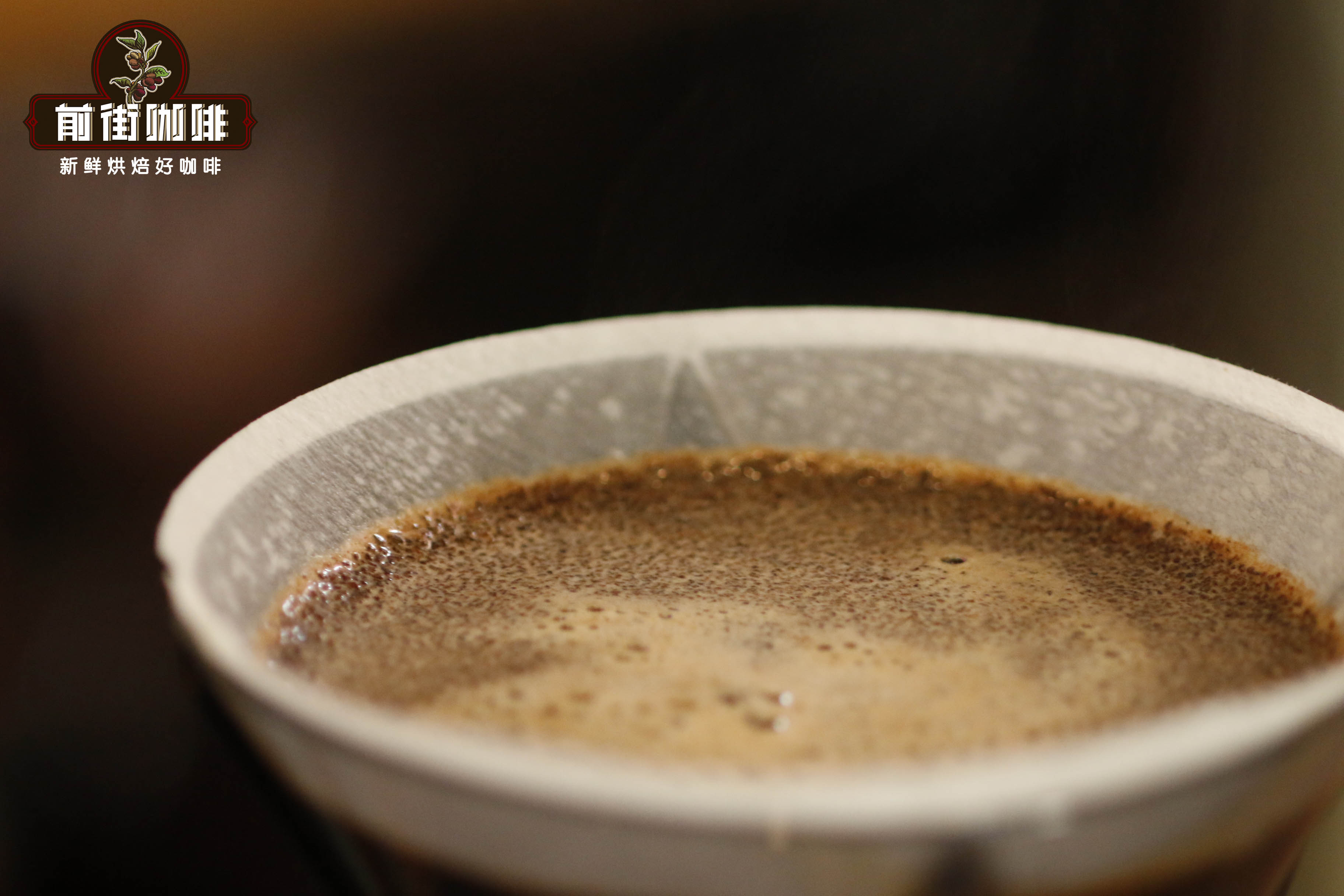
△You do not need to deliberately control the pour, but you should keep a strong stream circling quickly in one direction to create a "whirlpool" feeling.
△This method does not require watching your technique; you only need to adjust the grind size and use time to judge whether your grind size is appropriate.
△After brewing, the coffee bed looks very beautiful. The coffee grounds will evenly cling to the wall of the dripper, and the bottom will be flat, shaped like a bowl.
Front Street's "one-pour"
Front Street also briefly mentioned in the review article on the Hario Switch dripper that this dripper is very suitable for the "one-pour" brewing method. Front Street adjusted some parameters for this dripper to express better flavor.
Front Street Costa Rica Musician Beethoven coffee beans have yellow floral notes and flavors of honeydew and papaya. Use 20g of coffee grounds, with a grind size of about 95% passing a No. 20 standard sieve (coarser than Kasuya's), because the Hario Switch itself has a slightly slower flow rate. The water temperature is 94°C, and the pouring method is the same as Kasuya's. However, the poured water amount is 240ml, for a ratio of 1:12.
The strength measured with a refractometer is 1.47%, and the calculated extraction yield is 15.56%, which is squarely high-strength, low-extraction. However, when tasting, there is no discomfort from the high strength or any sense of insufficient flavor. Instead, the lively acidity and obvious floral aroma are very pleasant to drink.
The above content is compiled by CoffeeHunters, a coffee news website.


