







Search Results for: group head preheating
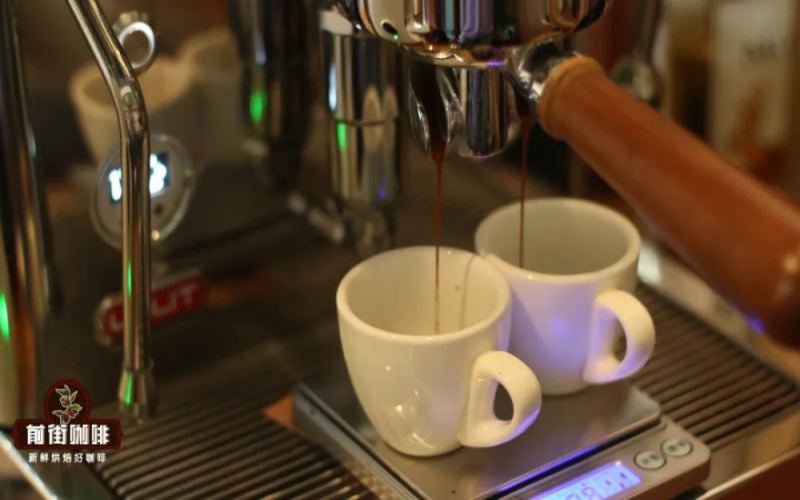
How should the portafilter temperature be controlled when extracting espresso? A hands-on test of the flavor differences among three states: room temperature, preheated, and high temperature.
When extracting espresso, should the portafilter be left at room temperature or locked onto the group head to keep it warm? Different baristas have different opinions on this. Some worry that the high temperature of the group head will overheat the filter basket and accelerate the loss of coffee grounds' aroma; others believe that keeping it warm is the only way to maintain a consistent portafilter temperature. Front Street Coffee specially designed three sets of controlled experiments for this purpose, using a room-temperature portafilter, a preheated portafilter, and a long-time high-temperature portafilter to extract the same "Sunflower Warm Sun Blend Coffee Beans," comparing aroma, acidity, sweetness, and aftertaste one by one to see exactly what kind of taste changes temperature differences bring, and which method is more worth recommending in daily operation. [more…]
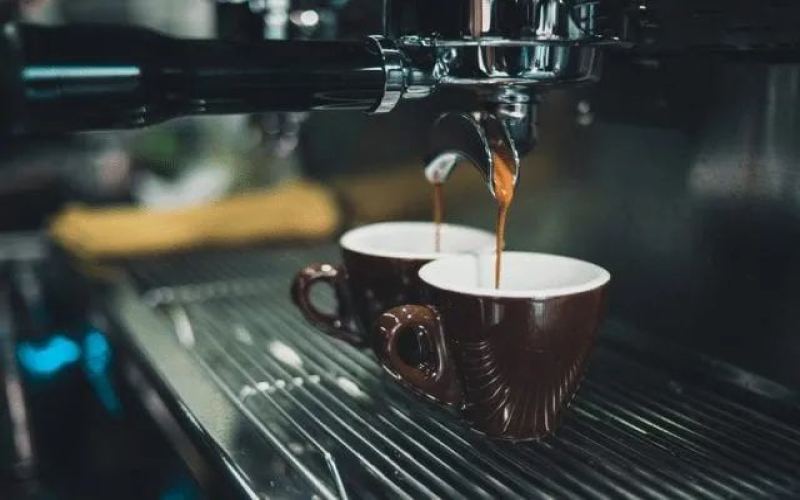
Differences Between a Double-Spout Portafilter and a Bottomless Portafilter for Espresso Extraction, and Recommendations for Choosing One
When making espresso, the choice of portafilter is often overlooked, yet it directly affects the consistency of the output and the operating experience. A split portafilter has a closed bottom with two spouts, allowing it to evenly distribute a double shot of espresso; a bottomless portafilter removes the bottom cover, making it easier to observe the extraction state, and is especially advantageous for identifying channeling and making layered coffee. However, the two also differ noticeably in flow rate, preheating requirements, and cleaning and maintenance. This article will systematically compare the features of split portafilters and bottomless portafilters, and offer practical advice from Front Street Coffee to help you make a more suitable choice in your daily output. [more…]
How Does Portafilter Temperature Affect Espresso Extraction? A Comparative Test of Brew Head Preheating vs. Chilled Portafilter
Espresso extraction involves numerous variables, and portafilter temperature is often overlooked. Front Street Coffee designed a comparative experiment to address the question of "whether the hot or cold brew head affects tamping force": keeping dose and yield fixed while only changing the portafilter temperature, recording time, concentration, flavor, and milk-coffee performance. The experiment used Front Street Sunflower Warm Sun Blend, and the results showed that although temperature did not significantly change the extraction yield, it clearly steered the flavor direction—a preheated portafilter made the full-bodied feel and winey notes more prominent, while a chilled portafilter amplified the fruity acidity and light texture. This article will present the complete experimental data and tasting conclusions, and answer whether tamping force needs to be adjusted with temperature, as well as how to decide on a portafilter preheating strategy based on the coffee bean roast level. [more…]

Analysis of Common Espresso Extraction Misconceptions and Standard Operating Demonstration Guide
In the daily preparation of espresso, many seemingly insignificant operational details often determine the success or failure of the final flavor. This article systematically outlines four easily overlooked extraction pitfalls: not flushing water to cool down before attaching the portafilter, not knocking out the puck promptly after extraction, forgetting to clean the dispersion screen, and leaving the portafilter locked in the group head for extended periods. These habits not only affect the taste of the coffee but may also shorten the lifespan of the equipment. Drawing on Front Street Coffee's practical recommendations, the article provides corresponding correct practices and standard demonstrations to help coffee enthusiasts develop proper operating procedures and improve the consistency and quality of every cup of espresso. [more…]
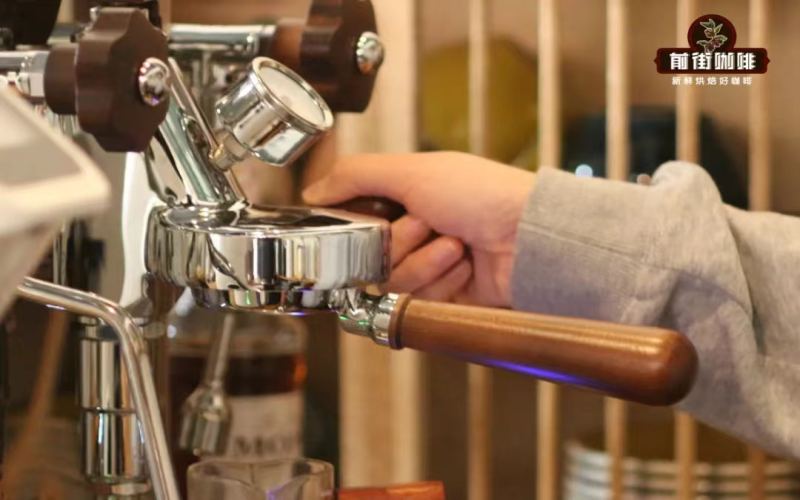
Extracting Espresso Problems
In making espresso, some seemingly unimportant details are often overlooked, yet they can gradually affect the taste of the coffee. Today, Front Street Coffee will talk about those details that are often forgotten—count how many you've missed. - Forgetting to flush water before attaching the portafilter. If there is a long interval between this espresso extraction and the last one, [more…]
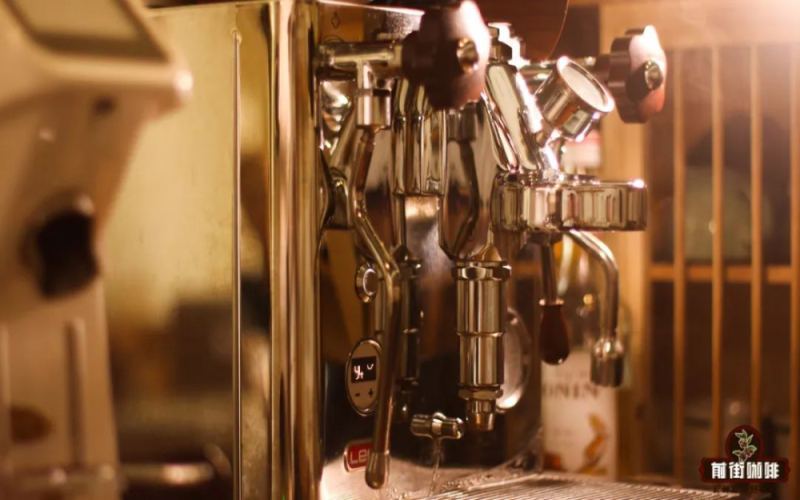
Four Key Details for Pulling Espresso: Flushing, Removing the Portafilter, Heat Retention, and Group Head Cleaning
When pulling espresso, some seemingly insignificant operational habits can, over time, have a noticeable impact on coffee quality and machine lifespan. This article compiles four easily overlooked details: why you should flush hot water before extraction, why you should remove the portafilter promptly after extraction, what hidden risks arise from leaving the portafilter locked in the group head for long periods, and how to clean the gaps in the group head. Each detail comes with specific reasons and operational advice to help coffee enthusiasts develop more standardized extraction habits, making every shot of espresso more consistent and cleaner. [more…]
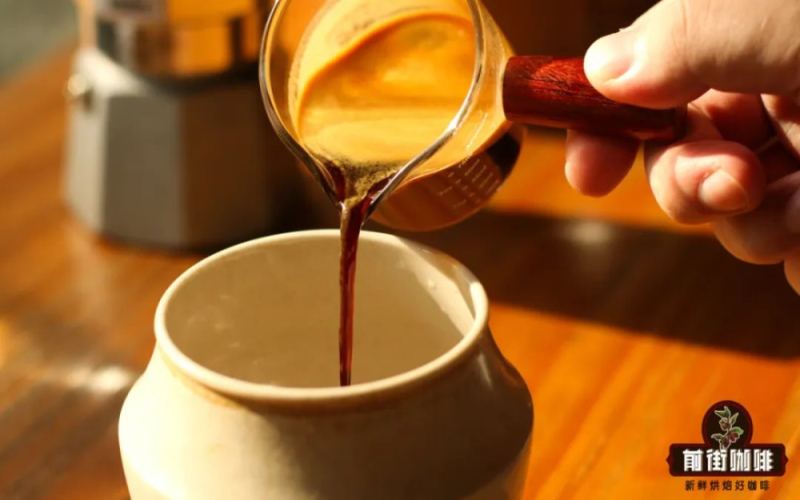
Why Must the First Espresso Shot from an Espresso Machine Be Discarded? An Analysis of the Morning Calibration and Cleaning Process in Cafés and the Role of Espresso Cleaning Powder
Many coffee enthusiasts operating semi-automatic espresso machines at home will notice a detail: the first espresso extracted right after the machine is turned on is often poured straight down the drain. This is not waste, but an early-tuning routine followed by both professional coffee shops and experienced home baristas. Why exactly can't this espresso be drunk? What systematic preparatory work do coffee shops do before officially opening? What role does espresso cleaning powder play in this? This article will focus on the daily startup routine of espresso machines, explain why the first shot of espresso is discarded, and comprehensively lay out the standard steps for in-store morning tuning, while also explaining the uses of cleaning powder and recommendations for choosing it. The article will also draw on the practical experience of Front Street Coffee to help everyone develop a correct mindset for coffee machine maintenance. [more…]
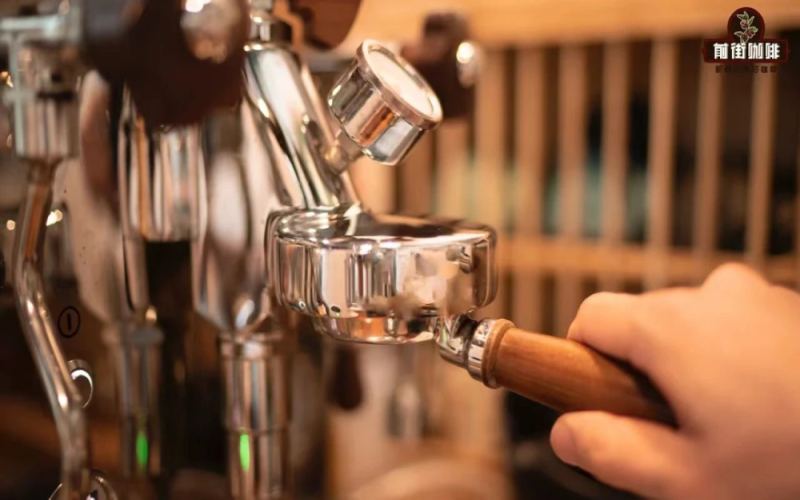
Espresso Extraction | What Is the Ideal Water Temperature Setting for an Espresso Machine? Does Water Temperature Affect Espresso Extraction?
For more specialty coffee knowledge, please follow: Front Street Coffee (Frontsteet Coffee). In the past, when Front Street shared knowledge about espresso extraction, it focused on parameters such as grind size, dose, ratio, extraction time, and pressure, and also provided in-depth analysis of steps like receiving the grounds, distributing the grounds, and tamping. [more…]
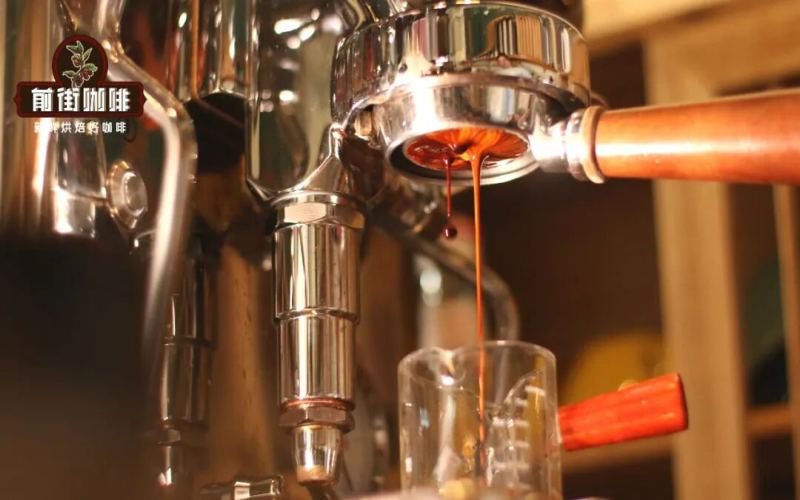
Key Points for Making Espresso | Why Do Coffee Shops Pour Out the First Espresso After Opening? Should You Pour Out the First Shot of Espresso When Making It at Home?
Have you ever seen this scene: a barista turns on the machine in the morning, and the first espresso pulled is not drunk, but "ruthlessly" poured down the drain, then they continue to pull the next shot. Guests who see this will ask why. If you're making coffee at home, do you need to do this too? Why is the first cup [more…]
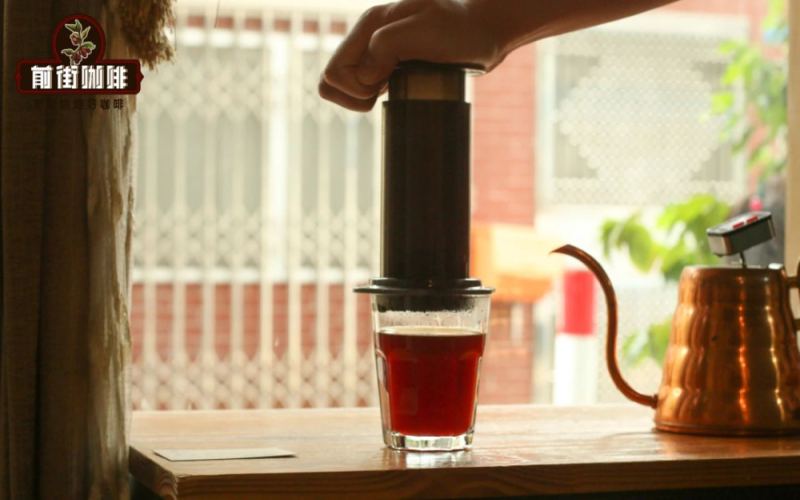
Analysis of the Flavor Differences Between the AeroPress and the Moka Pot: Extraction Principles, Operation Methods, and the Full Process of Making Espresso
The AeroPress and the moka pot are both handy brewing tools commonly used by home coffee enthusiasts, but their extraction principles and flavor profiles are completely different. The AeroPress combines immersion, paper filtration, and pressure extraction, producing a clean and balanced cup; the moka pot, on the other hand, relies on steam pressure to deliver a rich, full-bodied result. Starting from their structure and principles and methods of operation, this article combines a comparison of extractions using the same coffee bean from Front Street Coffee, and explains in detail the steps for making espresso, including dose, extraction ratio, time control, and techniques for serving a hot latte, to help you easily recreate professional-level coffee at home. [more…]
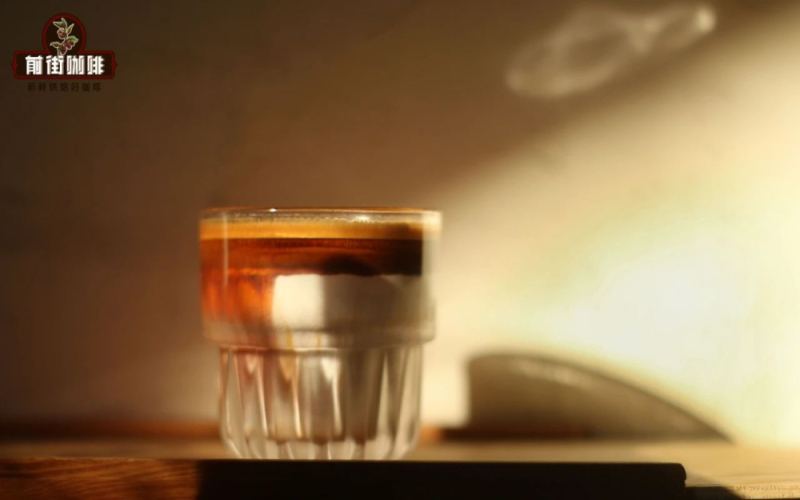
Luckin Yirgacheffe SOE Coffee Flavor Test: Americano and Latte Preparation Methods and Parameters Shared
In 2020, Luckin Coffee launched its specialty SOE limited series, and the Yirgacheffe SOE Americano and Latte quickly drew attention. What is the difference between SOE and blended beans? Is Luckin's Yirgacheffe SOE actually good? Starting from the concept of SOE, this article combines the hands-on testing experience of Front Street Coffee to analyze its flavor performance, and shares in detail the preparation steps, extraction parameters, and home equipment suggestions for SOE espresso, Americano, and Latte. If you are curious about single-origin espresso or want to recreate a smooth cup of Yirgacheffe SOE at home, this content will give you a complete reference. [more…]
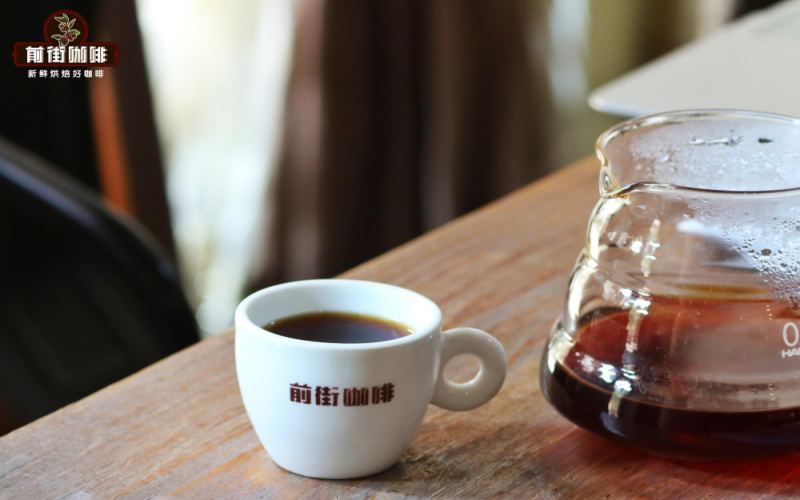
Flavor Analysis of Colombia Finca El Paraiso Anaerobic Natural Coffee Beans and SOE Extraction Guide
Finca El Paraiso is a family-run coffee estate in Colombia's Cauca region, renowned for its innovative processing methods. Its anaerobic natural coffee beans, with their pronounced fermented character and sweetness, have become a favorite among many coffee enthusiasts. In this article, Front Street Coffee will take you deep into this bean's regional background, varietal characteristics, and processing techniques, and share a complete set of insights ranging from the roasting curve to cupping flavors, all the way to V60 brewing and SOE extraction. Whether you're a pour-over enthusiast or an espresso player, you'll find practical reference parameters and key operating points here. [more…]
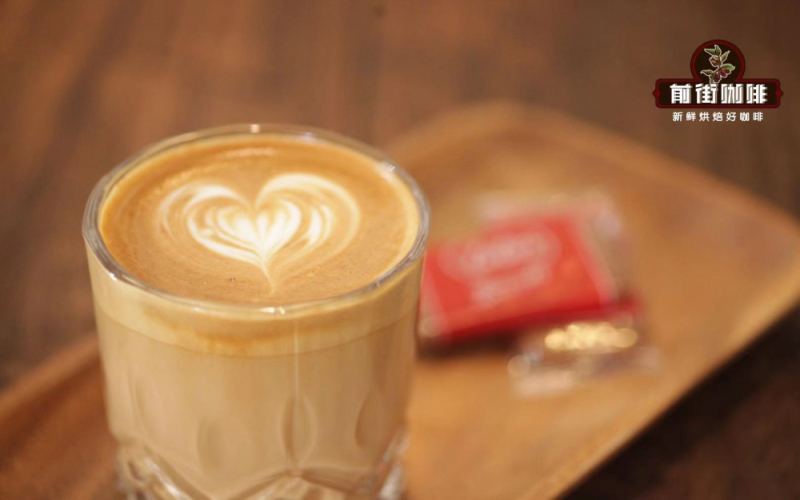
A Complete Guide to Making Flat White Coffee: From Espresso Base to Milk Foam Thickness, Master Practical Techniques for Extraction and Integration
Flat White is favored by many coffee lovers because its small cup size and low milk volume make the coffee flavor more concentrated. It originated in Melbourne, Australia, and began to gain popularity in Europe, the United States, and Australia in the 1980s. To make a delicious Flat White, the key lies in the extraction method of the espresso base, the control of milk foam thickness, and the ratio of milk to coffee. Starting from the beverage preparation process at Front Street stores, this article provides a detailed introduction to the characteristics of Flat White, its differences from latte and cappuccino, and the specific steps for making it. It also shares the flavor performance of two beans, Front Street Sunflower Warm Sun Blend and Classic Italian Blend, to help you recreate a creamy and smooth Flat White at home. [more…]
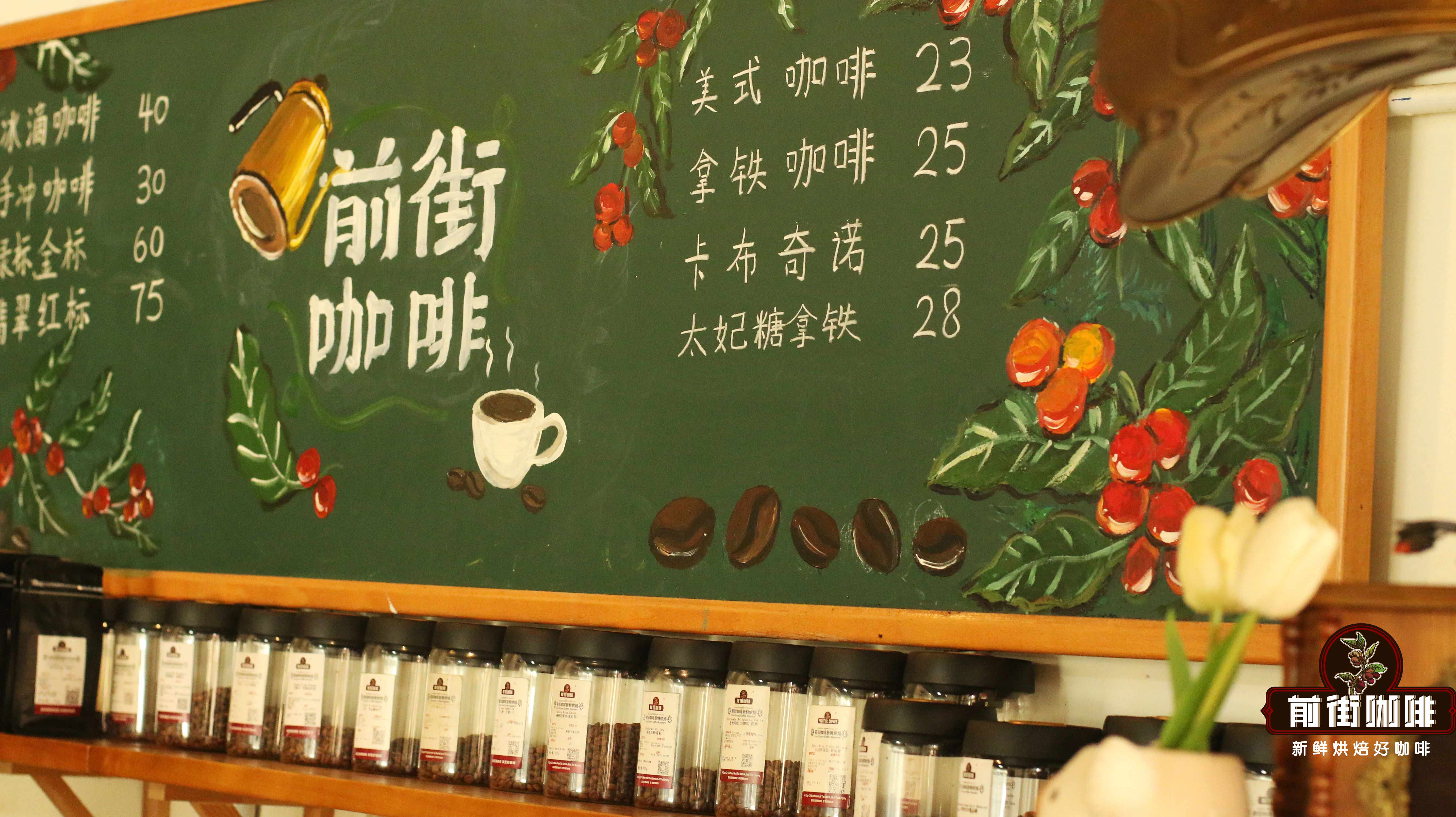
The Flavor Characteristics of SOE Single-Origin Espresso and Key Points for Making the Perfect Latte
SOE stands for Single Origin Espresso, which refers to espresso extracted from coffee beans of a single origin, with the core purpose of showcasing the signature flavors of a specific region. Unlike blended beans, which pursue balance and consistency, SOE places more emphasis on origin personality, typically using a lighter roast to highlight floral and fruity notes, though there are also darker-roasted styles with nutty and chocolatey characteristics. This article will systematically explain how to make a delicious cup of SOE coffee and latte, covering the definition of SOE, its characteristics, historical origins, bean selection recommendations, and specific extraction parameters, and will also include the complete operating procedure for Front Street Coffee's Huakui SOE. [more…]
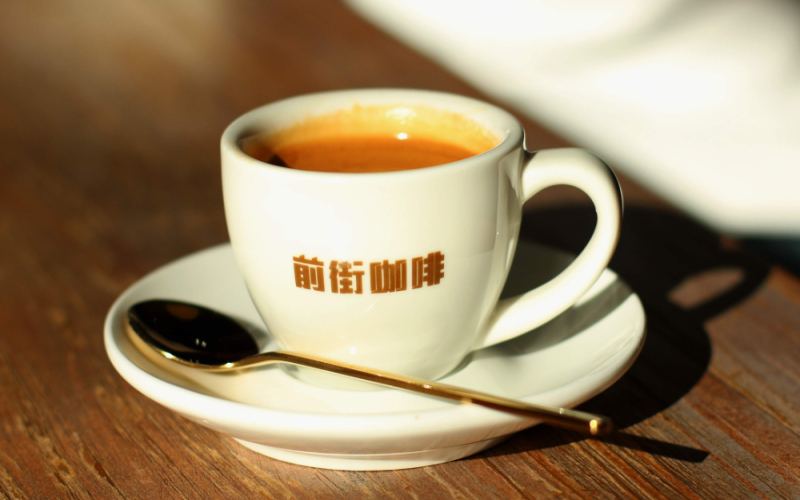
Indonesian Mandheling Coffee: Regional Characteristics and Flavor Analysis: Suitability for Espresso SOE and Front Street Mandheling Bean Recommendations
Mandheling coffee is a common single-origin bean in specialty coffee shops, yet it is often misunderstood as being bitter and nothing more. In reality, an excellent cup of Mandheling can reveal rich dark cocoa and herbal aromas, with a mellow body that shows a slight fruity acidity, a smooth mouthfeel, and a long-lasting sweet aftertaste. This article will provide a comprehensive analysis of Mandheling from the perspectives of its origin background, flavor characteristics, shelf life, and espresso SOE applications, and recommend two representative beans—Front Street Lintong Mandheling and Front Street PWN Golden Mandheling. It will also share SOE extraction parameters and latte-making methods to help coffee enthusiasts gain a deeper understanding of this classic Indonesian coffee. [more…]
Can SOE single-origin beans be used for espresso? An article analyzing the flavor characteristics and extraction key points of SOE coffee.
In the world of espresso, SOE (Single Origin Espresso) is attracting more and more attention from coffee lovers. It refers to espresso made from single-origin coffee beans, with the core aim of showcasing the unique flavor personality of a particular origin, rather than pursuing the balanced consistency of blended beans. This article will start with the definition, flavor characteristics, and historical origins of SOE, explain how it differs from traditional blends, and recommend the types of coffee beans suitable for making SOE. At the same time, Front Street Coffee will also share the complete extraction parameters for Huakui SOE and the method for making a latte, helping you make a cup of single-origin espresso with clear flavor at home. [more…]
The Complete Guide to SOE Coffee: From Definition and Origins to Extraction Techniques, Unlocking the Pure Flavor of Single-Origin Espresso
SOE (Single Origin Espresso) has now become a regular on specialty coffee shop menus. It emphasizes highlighting the unique flavor characteristics of a certain region, forming a sharp contrast with blended espresso, which pursues balance and stability. This article will systematically sort out this coffee trend from the definition of SOE, its historical origins, bean selection, to specific extraction parameters. The article also combines Front Street Coffee's years of experience to share how to choose single-origin beans suitable for making SOE, as well as the complete extraction plan for Huakui SOE and the details of latte preparation, helping coffee lovers make a cup of single-origin espresso with clear flavor and outstanding taste at home. [more…]
Is It Feasible to Make Espresso from Single-Origin Pour-Over Beans? An Analysis of SOE Latte Flavor Characteristics and Extraction Key Points
Can single-origin beans used for pour-over also be used to make espresso? This is a question many coffee lovers are curious about. SOE (Single Origin Espresso) uses single-origin beans as its raw material and, through specific roasting curves and extraction parameters, presents the floral, fruity acidity or nutty, chocolatey notes unique to a growing region. Unlike blended beans, which pursue balance and consistency, SOE places greater emphasis on the recognizability of regional flavors and demands higher bean quality and barista skill. This article will start with the definition, characteristics, and origins of SOE, analyze which coffee beans are suitable for making SOE, and use Front Street Coffee's Huakui as an example to fully demonstrate the parameters and steps from espresso extraction to latte production, helping you make a cup of SOE latte with clear flavor and a smooth mouthfeel at home. [more…]
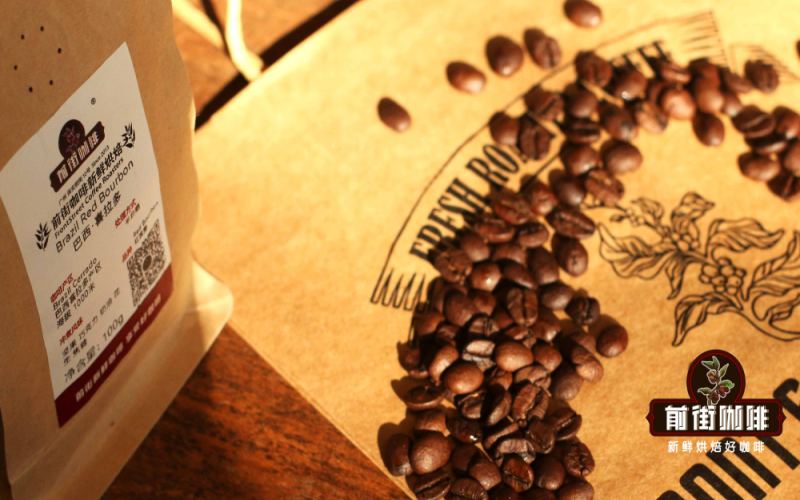
What makes Golden Mandheling coffee so special? A full analysis of Indonesian Mandheling classic herbal-flavor espresso blend beans
Coffee lovers who enjoy low-acid, full-bodied coffee with a distinctive herbal aroma are certainly familiar with Mandheling. And Golden Mandheling, as a premium lot among them, is even more memorable for its clean mouthfeel and pine-like fragrance. This article will walk you through the differences between Mandheling and Golden Mandheling, introduce the Sumatra producing region of Indonesia, explain PWN's quality assurance, and share the roasting characteristics and brewing suggestions for Front Street Golden Mandheling. In addition, we'll introduce an espresso blend that highlights Mandheling's wild aroma—Front Street Classic Blend—along with specific parameters for making espresso, Americano, and hot lattes with it, so you can easily recreate classic flavors at home. [more…]
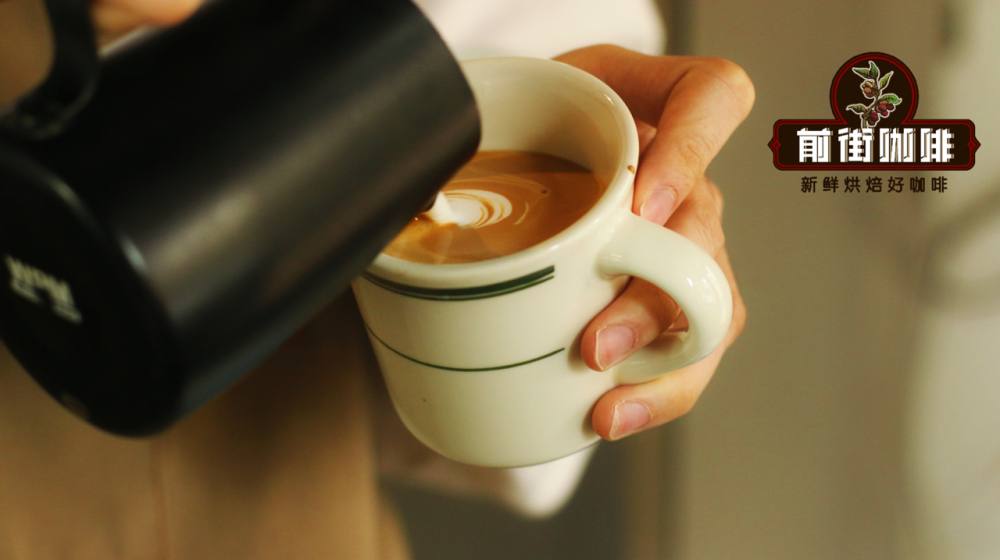
Flat White Coffee Making Tutorial | Which country did Australian White Coffee originate from? How much espresso should be extracted and how much milk should be added to make an Australian White Coffee?
Before making a cup of Flat White coffee, Front Street briefly introduces its definition and characteristics. Flat White, also known as Australian White coffee, Little White coffee, or Fu Rui Bai coffee, among other names, originated in Melbourne, Australia. After Italians introduced espresso to Australia in the 1980s, in order to adapt to [more…]