







How Does a Moka Pot Differ From the AeroPress?
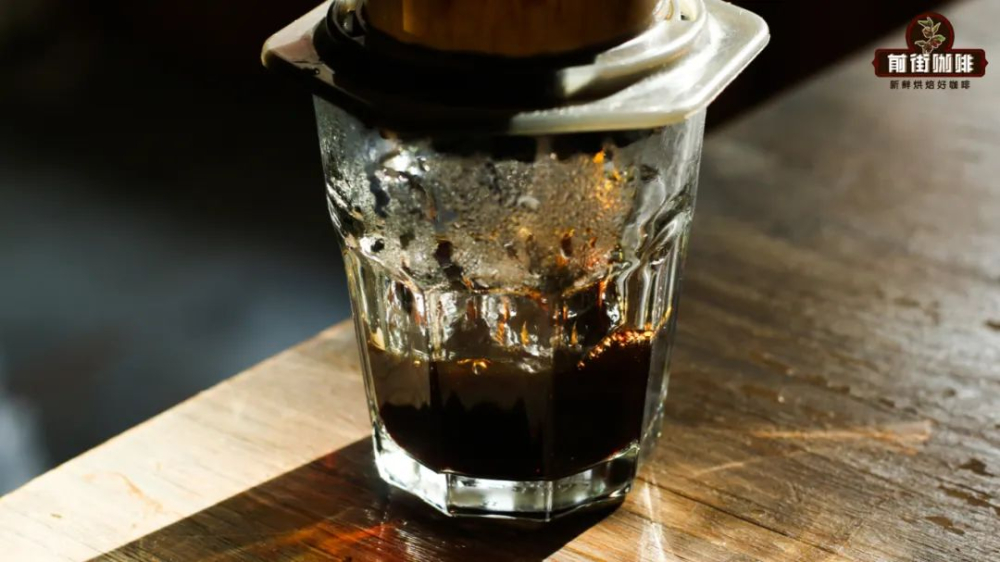
The AeroPress and the Moka pot are both common home brewing tools, but they extract coffee in different ways and produce different flavors. The AeroPress combines immersion, paper filtration, and pressure for a clean, balanced cup. The Moka pot uses steam pressure and gives a richer, fuller body. Structure and principle explain most of the gap between them.
A Moka pot has three parts: an upper chamber for the coffee liquid, a middle filter basket, and a lower chamber holding water. Heating turns the water to steam, and pressure pushes hot water up through the grounds into the upper chamber. Front Street compared both devices using the same coffee bean, then covered espresso steps: dose, extraction ratio, time control, and serving hot lattes at home.
The AeroPress and the Moka pot are both convenient brewing tools commonly used by home coffee enthusiasts, but their extraction principles and flavor profiles are completely different. The AeroPress combines immersion, paper filtration, and pressure extraction, producing a clean and balanced taste; the Moka pot relies on steam pressure, yielding a rich and full-bodied result. This article will start with their structure and principles, then combine a comparison of extracting the same coffee bean from Front Street Coffee, and explain in detail the steps for making espresso, including dose, extraction ratio, time control, and techniques for serving hot lattes, helping you easily replicate professional-level coffee at home.
For more specialty coffee knowledge sharing, please follow the WeChat public account: Front Street Coffee (FrontStreet Coffee)
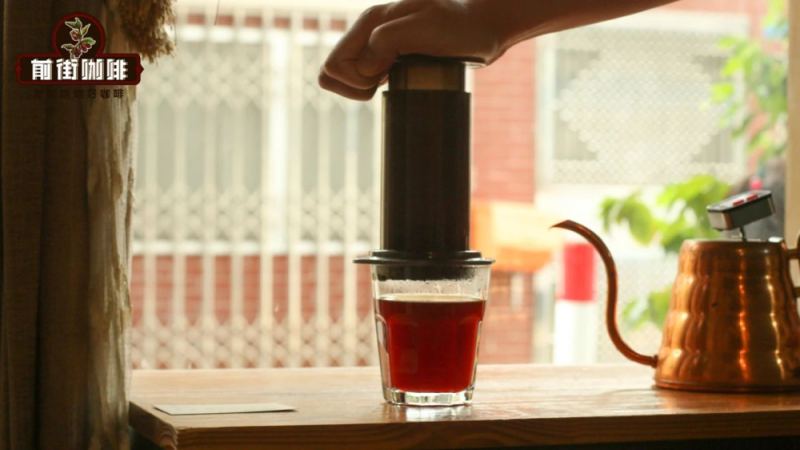
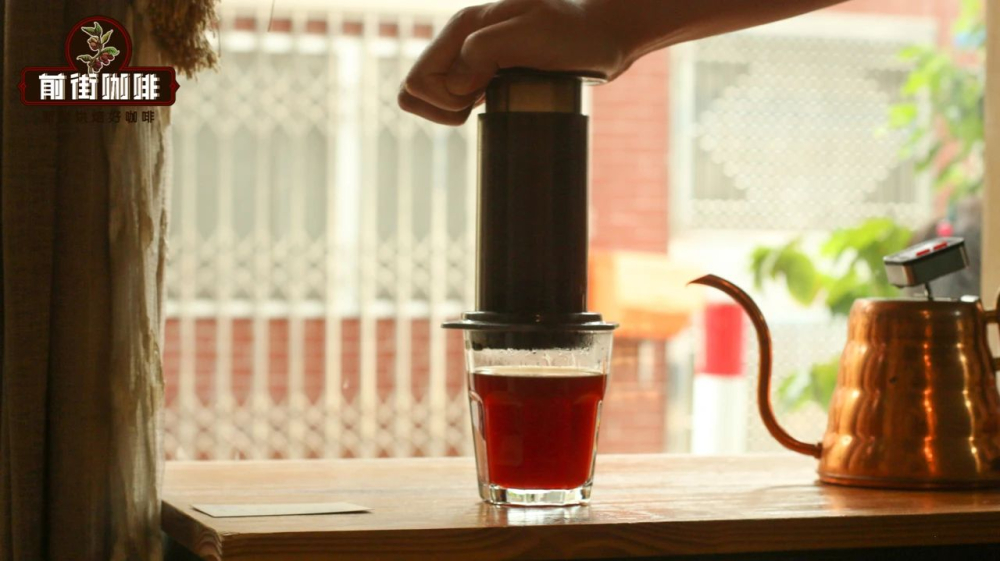
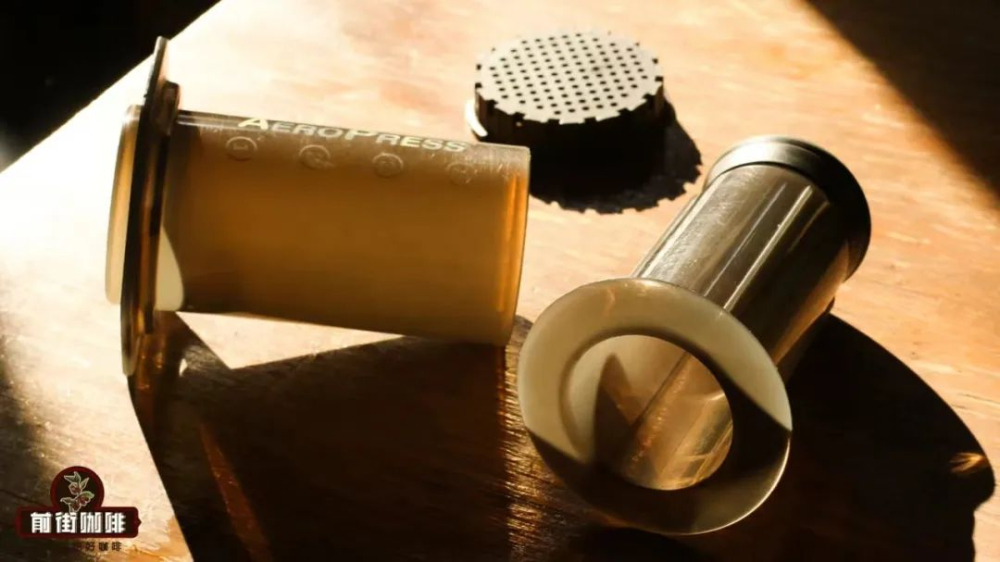
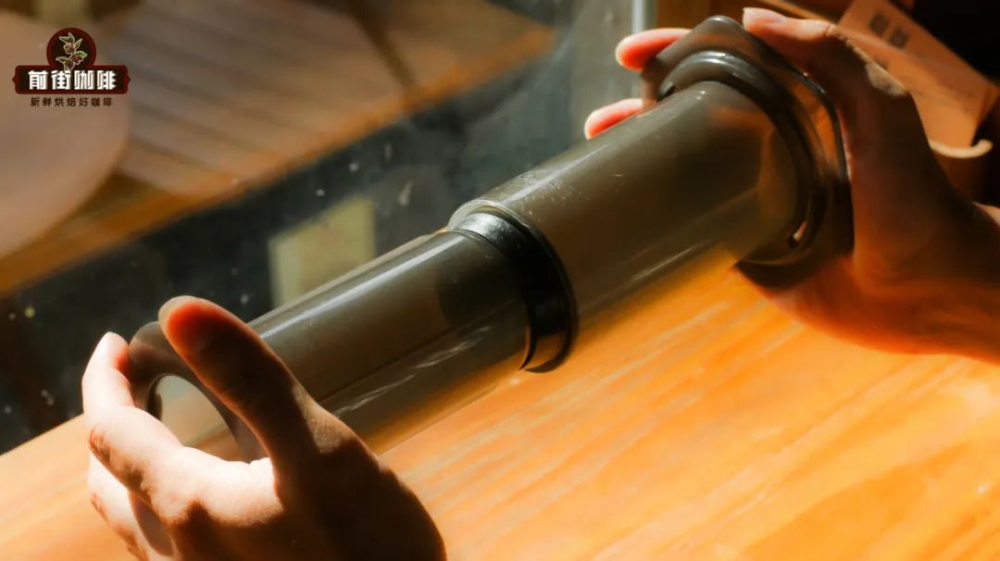
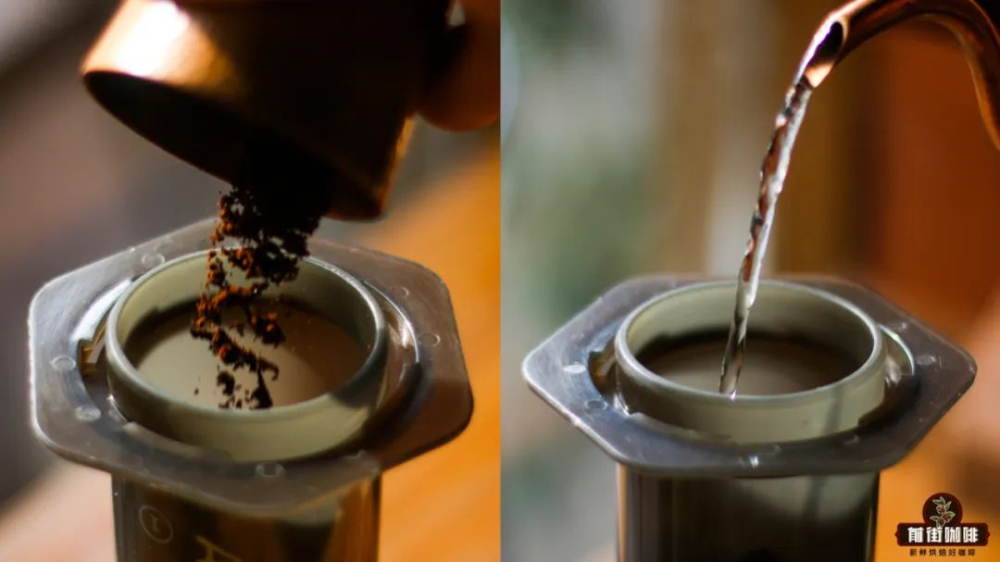
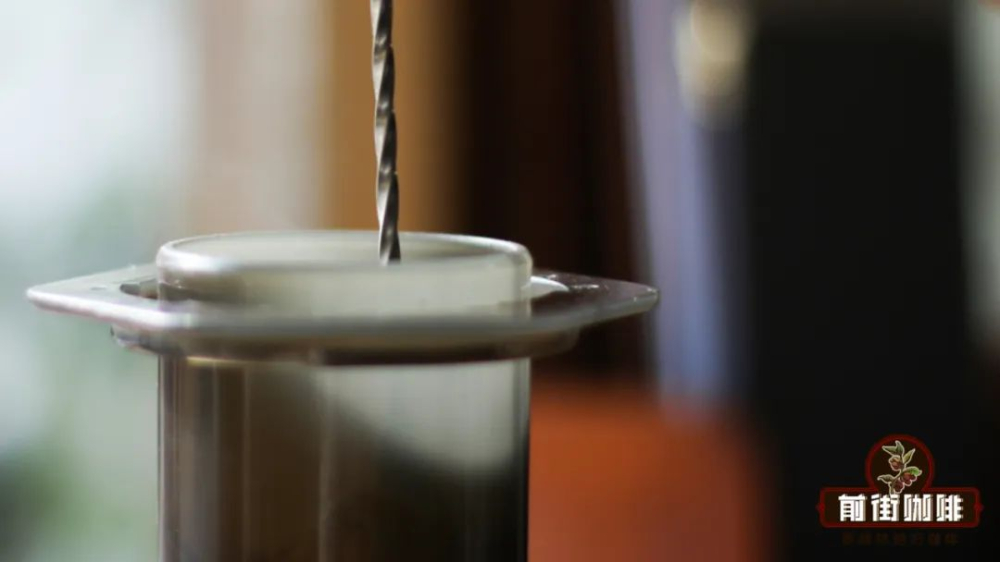
The charm of the AeroPress lies in its simple preparation and clean taste. The AeroPress is a simple device for manually brewing coffee. In general, its structure is similar to a syringe. It combines the immersion extraction method of a French press, the paper filtration of pour-over coffee, and the rapid, pressure extraction principle of espresso. Coffee brewed with the AeroPress has the richness of espresso, the purity of pour-over coffee, and the smoothness of a French press.
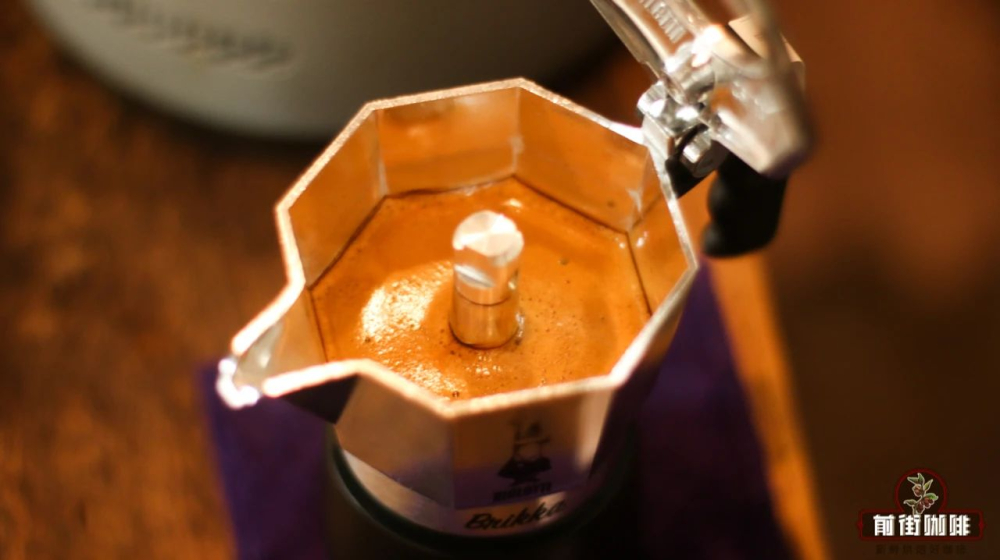
Another equally common home brewing method is also deeply loved by everyone for its simple operation, and that is the Moka pot. The design of the Moka pot is very concise, with the entire structure divided into only 3 parts: the upper chamber that holds the coffee liquid, the middle filter basket, and the lower chamber that holds water for heating. When we heat it, the water in the lower chamber is heated first and turns into steam, creating a certain pressure that pushes the steam from bottom to top. When the hot water moves upward and reacts with the coffee grounds, the continuously increasing pressure pushes the extracted coffee liquid further up into the upper chamber, and at this point we get the rich coffee liquid we need.
Next, let us compare the characteristics of these two coffee brewing devices and use the same coffee bean from Front Street Coffee for extraction to see how their tastes differ.
Espresso coffee refers to Espresso, which is a thick coffee liquid with a layer of dense crema that needs to be extracted using a semi-automatic or fully automatic espresso machine. With its popularity, popular categories such as Americano, latte, and mocha made by people in different places using Espresso as a base according to local tastes all belong to espresso coffee.
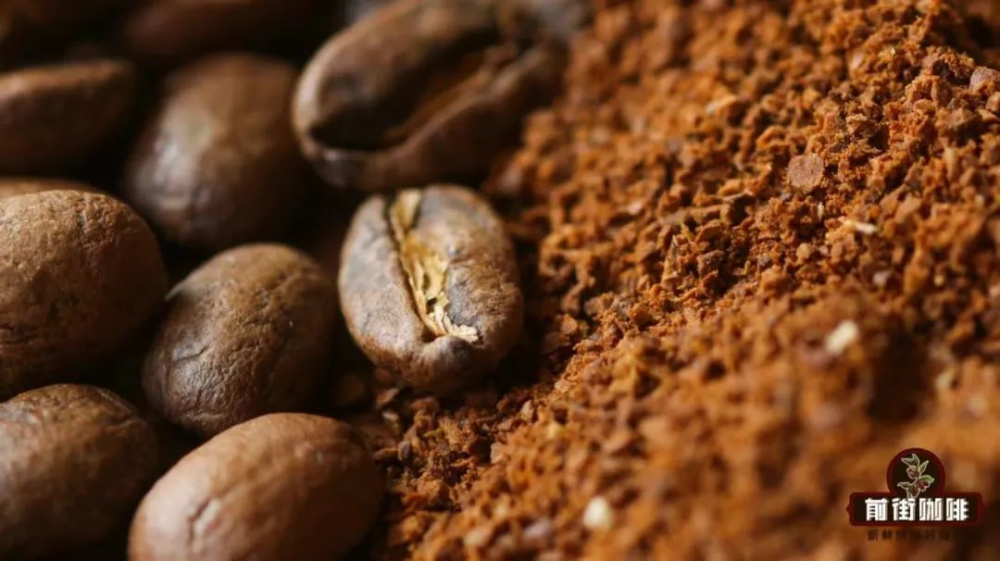
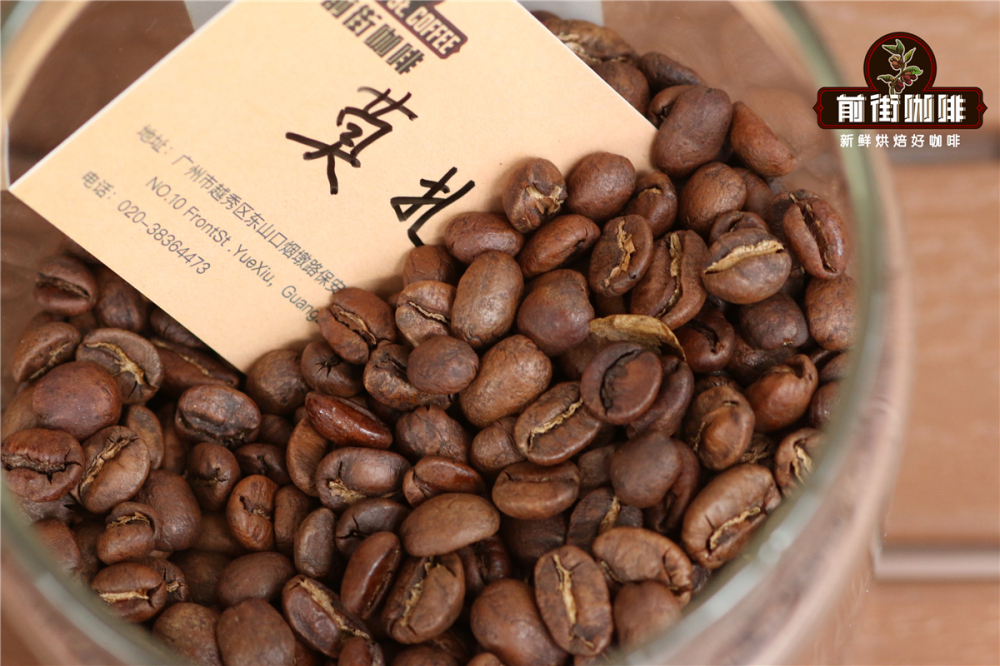
Because espresso coffee is extracted under fine grinding, high water temperature, and high pressure, the espresso brings together multiple tastes, and various flavor compounds impact our tongues exponentially. Therefore, if we use single-origin coffee beans that are too light or too dark for extraction, the taste may be too intense and mask the aroma in the coffee. So Front Street Coffee suggests that you can choose some medium-roast coffee beans with flavors that are easier to present for making it. This can not only enrich the taste of the coffee in our cup, but also be more conducive to extraction stability. For example, these options on the Front Street Coffee bean list: the tropical fruit, refreshing sweet-and-sour Front Street sun-dried Red Cherry coffee beans, the hazelnut and sugarcane sweetness of Front Street Papua New Guinea Paradise Bird coffee beans, the rich fermented fruit aroma of Front Street Costa Rica Mozart coffee beans, and the chocolate, cream, and peanut notes of Front Street Brazil Queen's Farm Yellow Bourbon coffee beans.

Here, Front Street Coffee Queen's Farm coffee beans are chosen to explain to everyone how to make espresso.
The coffee machine used by Front Street Coffee has a double basket capacity, with a dose of about 18–20 grams. For service, Front Street Coffee uses 20 grams of coffee grounds. The extraction ratio at Front Street Coffee is 1:2, meaning 20 grams of coffee grounds extract 40 grams of coffee liquid. Time is related to the flow rate of the coffee grounds. Generally, a single extraction is controlled within 20–35 seconds, because within 20 seconds the coffee taste tends to be thin, while over 35 seconds it is easy to over-extract and produce a burnt bitter taste. Most of Front Street Coffee's espressos are in the range of 28–30 seconds.
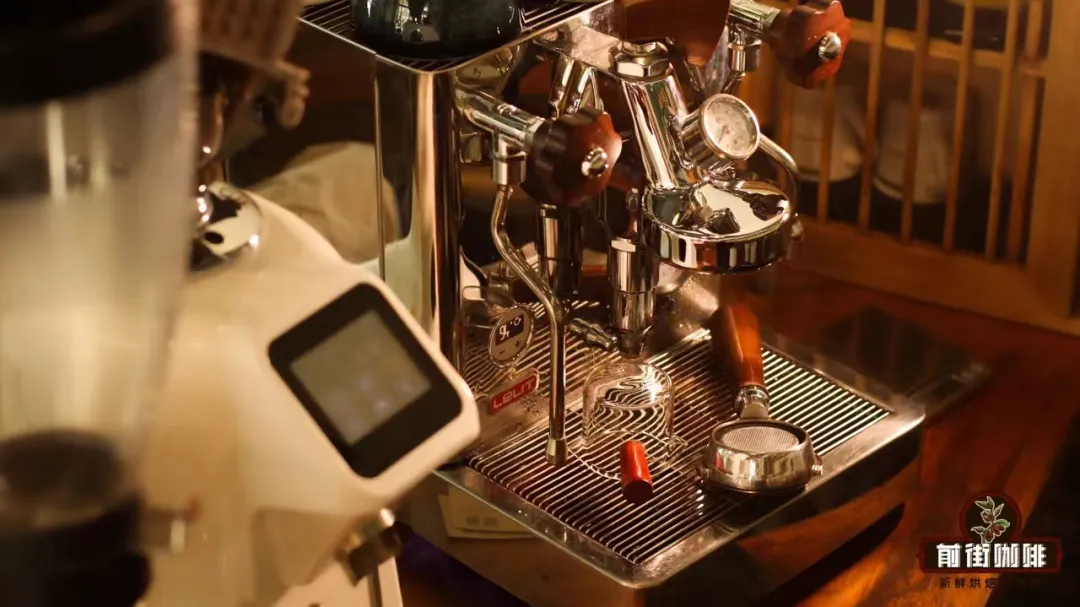
Before extraction, you need to first wipe the basket dry, turn on the grinder, grind the amount for a double dose of coffee grounds, place it on an electronic scale to adjust up or down until it reaches 20 grams. Then use a distribution tool to level the coffee grounds, and press down vertically with a tamper to compact the coffee puck tightly to ensure more stable coffee extraction.
Then turn on the extraction switch and let water run for 1–2 seconds to wet the group head, while also carrying away the coffee grounds stuck on it. Place an electronic scale under the cup that will receive the Espresso, reset the weight to 0, and place it together under the group head during extraction.

Gently and slowly lock the portafilter onto the group head, and begin flipping down the extraction switch. Observe the changes in the extracted liquid. When the electronic scale shows that 40 grams of coffee liquid has been extracted, at about 30 seconds, flip down the extraction switch, and the espresso is ready.
When serving a hot latte, Front Street Coffee adds the espresso liquid to a preheated coffee cup, then uses the espresso machine steam to froth the milk. The milk temperature is best controlled at 55–65°C, so that it forms dense milk foam with a moderate thickness, and then it is evenly blended with the coffee liquid. The final latte art is the icing on the cake. Front Street Coffee's hot latte presents the sweet aroma of chocolate liqueur and is as smooth as cream.
The above content is compiled by CoffeeHunters, a coffee news website.


