







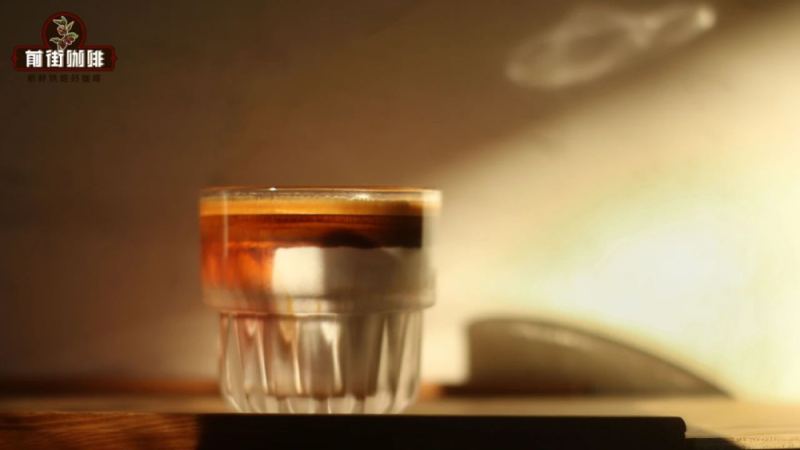
What Does SOE Espresso Change in an Americano or Latte?
SOE means single-origin espresso: instead of blended beans, one origin is extracted alone. In 2020 Luckin Coffee launched a specialty SOE limited series with Yirgacheffe SOE Americano and Latte, which raised the question of how single-origin espresso differs from the blended espresso used in most daily cafe drinks.
Blends were traditionally used because single-origin beans can magnify their own flaws and shift with each year's harvest. SOE takes the opposite route and highlights one origin. Blended beans are not necessarily worse and single-origin beans not necessarily better; the practical reference here covers prep steps and extraction parameters for SOE espresso, Americano and Latte at home.
In 2020, Luckin Coffee launched a specialty SOE limited series, and the Yirgacheffe SOE Americano and Latte quickly drew attention. What is the difference between SOE and blended beans? Is Luckin’s Yirgacheffe SOE actually good? This article starts with the concept of SOE, combines it with the hands-on testing experience of Front Street Coffee, analyzes its flavor performance, and shares in detail the preparation steps, extraction parameters, and home equipment suggestions for SOE espresso, Americano, and Latte. If you are curious about single-origin espresso coffee, or want to recreate a smooth Yirgacheffe SOE at home, this content will give you a complete reference.
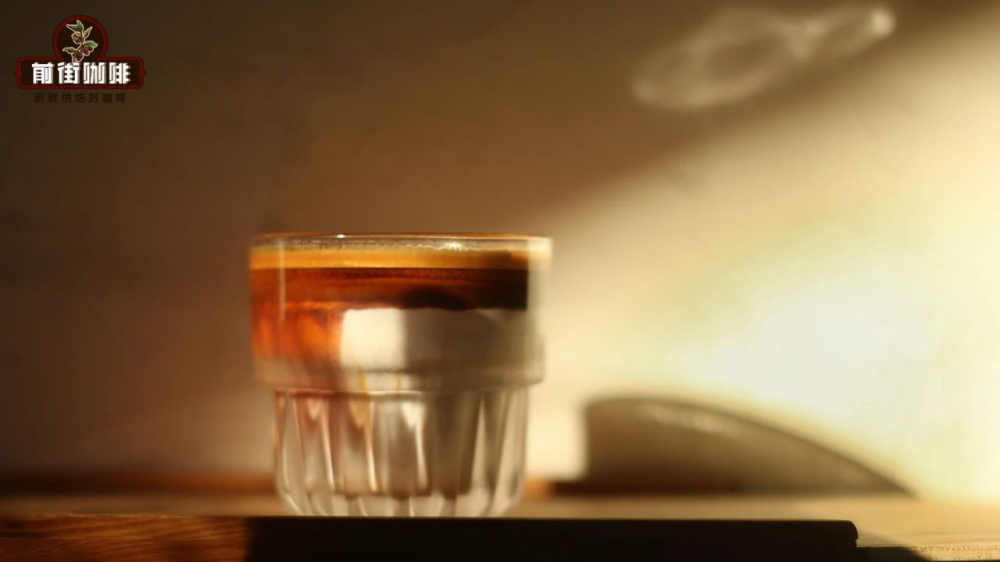
In 2020, Luckin Coffee launched a specialty collection SOE limited series, including Yirgacheffe SOE Americano and Latte, which quickly sparked a large amount of consumer discussion. Some people found the term SOE novel, while others were curious: compared with regular Americanos and Lattes, what exactly makes SOE worthy of Luckin opening a separate product line for it?
What is SOE?
Most of the espresso coffee products we encounter in daily life use blended coffee beans as the raw material. Blending is not used to cover up the defects of inferior beans; rather, it is mostly because when using an espresso machine for pressurized extraction, if only single-origin coffee beans are used, it is easy to magnify the beans’ own shortcomings, or to end up with a thin body and monotonous layers, and it is also difficult to stably cope with the flavor fluctuations brought by terroir changes in each origin year after year.
Therefore, in the past, in order to keep espresso coffee consistent over the long term, people used the characteristics of coffee beans from different origins to complement one another, making the final extracted coffee taste more reliable.
SOE coffee takes the opposite route, emphasizing the use of single-origin coffee beans. Since blended beans took so much effort, why return to single origin? Behind this is the influence of specialty coffee culture—gradually, people in the industry came to believe that a good cup of coffee should be presented by single-origin beans, so everyone began to study how to make a delicious espresso with single-origin beans.
It should be noted here: blended beans are not necessarily worse, and single-origin beans are not necessarily better either. The key is still how the coffee tastes after extraction. No matter which type of coffee beans is used to make espresso, the ultimate goal is to drink a delicious and balanced cup of coffee.
Is Luckin Yirgacheffe SOE coffee good?
Luckin Yirgacheffe SOE uses coffee beans from the Yirgacheffe region of Ethiopia. To ensure consistent output across stores, this bean is given a dark roast, but it still retains some of the region’s signature citrus acidity and aroma.
Since Luckin does not sell espresso separately, Front Street Coffee also tried in-store using a "Natural Red Cherry Coffee Bean" also from Yirgacheffe, extracted after dark roasting, with flavors of citrus, berries, caramel, and nuts.
When made into an Americano, the taste becomes somewhat thin, with a watery mouthfeel. When made into a Latte, it brings out a profile similar to an American berry milkshake, though the coffee itself no longer stands out very prominently.
Overall, this series is relatively mild and plain, suitable for people who want to drink coffee but cannot quite accept bitterness. If you want a stronger coffee flavor, products made with blended coffee beans are still more recommended.
In fact, recreating the same SOE at home as in the shop is not complicated. Choosing the right roast level for the coffee beans is the key first step. Based on the experience of the baristas at Front Street Coffee, picking a bean suitable for SOE extraction not only makes it easy to produce a delicious espresso, but also makes it much easier to turn it into an Americano or Latte by adding water or milk. On the Front Street bean list, two single-origin coffee beans are offered in SOE versions: one is the strawberry-scented Huakui, and the other is Konga with the classic Yirgacheffe flavor. When ordering, just check the espresso roast option.
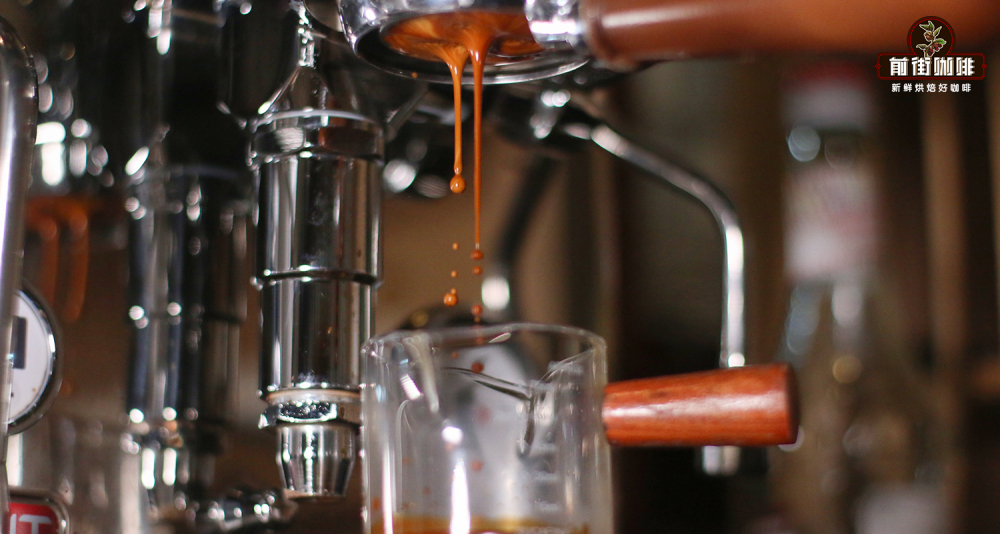
The coffee machine used at the Front Street shop is the commercial single-group "Lelit Bianca," which can adjust extraction by changing pressure, with a maximum pressure of 11 bar. A home coffee machine only needs to reach 9 bar pressure to meet the needs of extraction and milk frothing, and paired with an espresso coffee grinder it is enough.
Sharing the extraction parameters for SOE coffee
Coffee beans: Ethiopia · Natural Yirgacheffe · Konga espresso beans
Coffee dose: 20 g
Coffee liquid yield: 40 g
Dose-to-yield ratio: 1:2
Extraction time: 26–33 seconds
Grind setting: Galileo 2.0
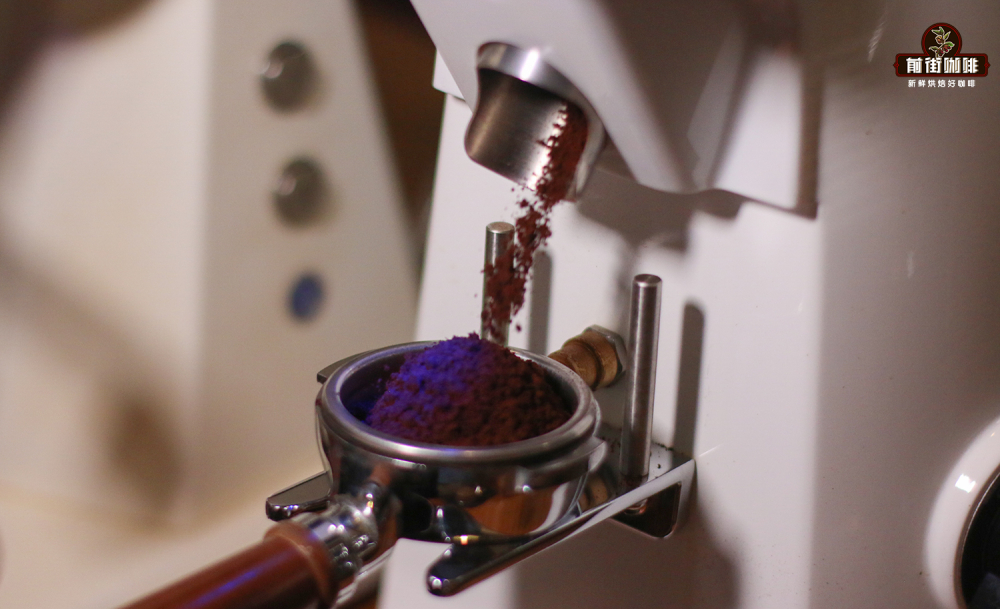
Front Street uses a double basket, with a capacity of about 18–20 grams, and uses 20 grams of coffee powder when serving.
Usually the ratio of coffee powder to coffee liquid is between 1:1.5 and 1:2.5. Front Street uses 1:2, which means 20 grams of coffee powder extracts 40 grams of coffee liquid. Time is related to the flow rate of the coffee powder. Generally, a single extraction is controlled within 20–35 seconds, because within 20 seconds the coffee often tastes thin, while over 35 seconds it is easy to over-extract and develop a burnt bitterness. Most of Front Street’s espressos fall within 28–30 seconds.
Front Street first wipes the basket dry, turns on the grinder, grinds the amount for a double dose of coffee powder, places it on the electronic scale, and adjusts until it reaches 20 grams. Then use a tool to distribute the grounds evenly, tamp the puck firmly, and ensure a more stable extraction. Next, turn on the extraction switch to release water, wet the group head and rinse away the coffee grounds stuck on it, gently lock the portafilter onto the group head, and begin pulling the extraction. When the electronic scale shows that the coffee liquid has extracted to 40 grams, at about 28–33 seconds, you can pull down the extraction switch, and a cup of SOE espresso is ready. After that, you can add an appropriate amount of ice water or 80°C hot water according to preference to make a cup of Yirgacheffe SOE Americano.
When making an SOE hot latte, Front Street uses a 1:6 ratio: add 40 grams of espresso coffee liquid to a preheated coffee cup, then use the espresso machine steam to froth 240 g of milk. The milk temperature is best controlled between 50–65°C to form a dense milk foam with moderate thickness, then blend it evenly with the coffee liquid. The Yirgacheffe SOE latte made this way tastes like eating a lemon-flavored cookie on the first sip, with a rich and silky mouthfeel, and after drinking it your whole body immediately feels warm.
The above content is compiled by CoffeeHunters, a coffee news website.


