







Search Results for: base

The Evolution Path of Commercial Base Beans: How to Upgrade Step by Step from Chain-Style to Specialty Blends
Those who have opened a shop and look back at their base beans will find a clear evolutionary line. Most people start with chain-style dark-roast blends, and after a year or two, the beans on the bar gradually shift toward medium roasts and specialty blends. This isn't fickleness of taste—it's that as a shop grows to different stages, the questions the base beans need to answer also [more…]
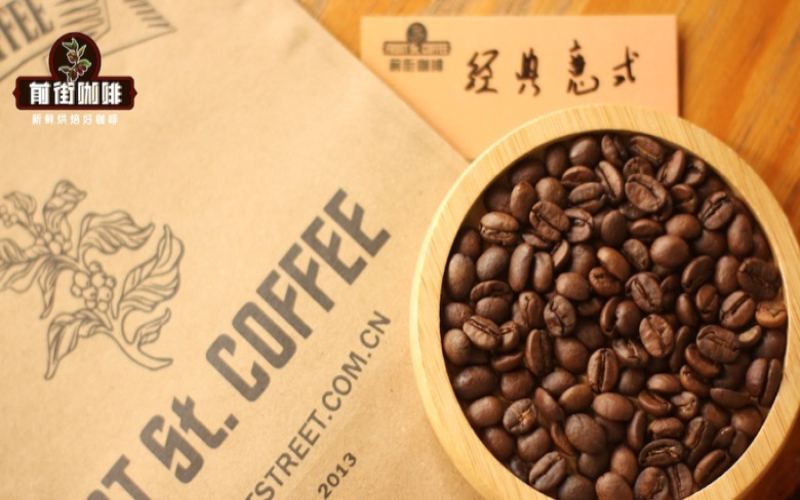
Discussing Commercial Espresso from a Menu Structure Perspective: How a Shop Should Establish Its Base Bean
Looking at a coffee shop's bean list tells you a lot about how that shop thinks. Some shops have very long lists, packed with single origins, blends, and limited releases; others carry only one or two espresso beans year-round, yet make every cup solid. For most cafes, the core of a commercial espresso bean list isn't quantity—it's staying power—one [more…]
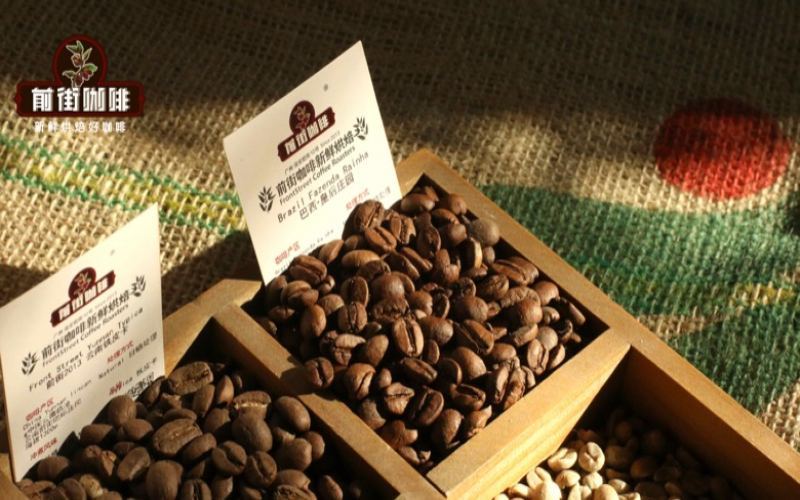
The Regional Foundation of Commercial Espresso Blends: Brazil, Colombia, and the Trade-offs of Single-Origin SOE
When choosing espresso beans for a coffee shop, the origin structure is the key factor determining the flavor direction. Commercial espresso beans fall into two main routes: one is the blend base, and the other is single-origin SOE; each has its own positioning and suitable scenarios. Blended beans are the mainstream choice for commercial espresso. The core idea of blending is to use beans from different origins to complement each other, with Brazil providing [more…]

Flat White Coffee Base | Did Flat White Coffee Originate in Australia? Why Is Flat White So Popular? What Are the Differences Between Flat White and Latte?
No need to doubt it—when we see Australian White, Fuyu White, Australian Rui White, Pure Art White… in coffee shops, they all refer to the same coffee drink—Flat White. It's also a milk coffee, so why is this drink so popular? Next, Front Street Coffee will chat about this trendy milk coffee. Flat w [more…]
Espresso Milk Coffee | Is an Australian White, Flat White, or Artisan White a latte? What are the flavor and mouthfeel characteristics of an Australian White? Is the coffee base of an Australian White the same as that of a latte?
For most coffee lovers, their first encounter with the Flat White came in 2015, when Starbucks launched it under the name "Fu Rui Bai" and added it to its permanent menu. Later, various coffee brands also rolled out their own Flat Whites, bringing this drink from the Southern Hemisphere [more…]
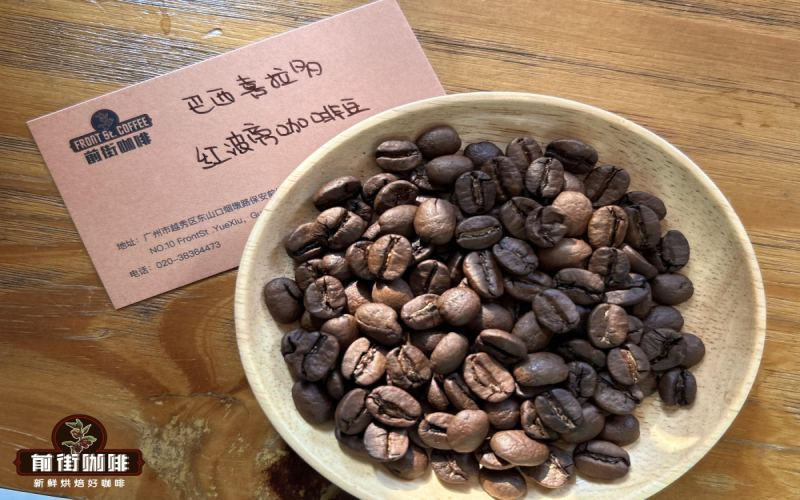
Coffee Basics | What Does Mocha Mean in Coffee? Is Mocha Coffee a Black Coffee Made from Mocha Coffee Beans? Is There Any Connection Between the Moka Pot and Yemeni Mocha?
For more specialty coffee knowledge and sharing, please follow our WeChat official account: Front Street Coffee (FrontStreet Coffee). Many newcomers to coffee feel very confused when they see coffee terms containing "Mocha." Views on Mocha coffee differ between those who start with espresso-based coffee and those who start with single-origin coffee. [more…]

The Origin of the Flat White | Is a Flat White a Latte? How Do Starbucks Flat White, Luckin Australian White, and Costa Flat White Differ?
For more specialty coffee knowledge, please follow our WeChat official account: Front Street Coffee (FrontStreet Coffee). The espresso and milk-based Italian milk coffee—Flat White—is translated under different names at different cafes, such as Luckin's Australian White Coffee and Starbucks [more…]
How to Choose Between Espresso Blends and SOE: Pick Based on Taste Preferences and Equipment Conditions
Don't reduce flavor to a simple opposition between acidity and bitterness; aroma, sweetness, body, mouthfeel, and finish together make up a cup of coffee. Bean selection approach: first decide on floral-fruity, nutty-cocoa, or a balanced middle ground, then use origin, processing method, and roast level to put it into practice. In espresso, dose, grind size, yield, and time form a set of variables that require repeated [more…]
How to Choose Several Coffee Beans Suitable for Pour-Over: Plan Your Bean List Based on Drinking Volume and Budget
Put a bean into a pour-over, espresso machine, or moka pot, and it will show three different faces. Pour-over highlights aroma and clarity, the espresso machine emphasizes intensity and sweetness, and the moka pot requires a balance among pressure, heat, and the coffee bed. The brewing device determines the approach to bean selection, while the roast level determines the direction of the parameters. The flavor direction of pour-over is determined by origin, variety, and process [more…]
Caffeine Content in Coffee Beans | Why Does Coffee Keep You Alert? Which Coffee Is the Most Energizing? How Much Caffeine Is in a Cup of Black Coffee? What Is the Daily Caffeine Intake Limit?
The most fundamental purpose of coffee is to provide a boost of energy. Whether it's an espresso you gulp down before rushing off, the ever-present drip coffee in the office, or a pour-over single-origin you go out of your way to a café for, they all share that stimulating effect. It's just that people choose what suits them based on different settings, needs, and taste preferences. [more…]
The Role of Origins in Commercial Blends: Brazil as the Base, Colombia for Sweetness, Robusta for Cost Control
Walk into the back bar of any coffee shop, and what's grinding in the grinder is most likely not a single-origin bean but a blend. Commercial blends exist because what a café needs is not the personality of a particular bean, but a stable, easy-drinking, cost-controllable overall performance. And the reason a blend is stable comes down to each origin [more…]

Flat White vs Latte Coffee Comparison | Why Is the Flat White So Popular? Why Is a Latte Larger Than a Flat White? What Are the Characteristics of the Flat White Method?
For more specialty coffee knowledge, please follow: Front Street Coffee (Frontsteet Coffee). Whether it's a large or small cup, with added water or milk, common coffee drinks like Americano, Latte, Flat White, Cappuccino... all use espresso as their base. Espresso is highly versatile, [more…]

Iced Latte Beginner's Guide | What's the Right Ratio of Milk to Coffee for an Iced Latte? What Should You Watch Out for When Making an Iced Latte at Home?
Making espresso is an essential skill for every barista, and nearly every coffee shop serves espresso-based drinks. What we commonly call espresso drinks are a series of coffee beverages made with espresso as the base. Today, let's make the easiest milk coffee among espresso drinks—the iced latte. The iced latte may seem like a [more…]

Coffee bean recommendations for opening a shop: roast level determines your menu's character
The roast level of coffee beans directly shapes a shop's flavor impression. Light roasts more easily bring out floral, fruity, citrus, and tea notes, making them ideal for highlighting a region's character; medium roasts tend to balance sweetness, acidity, and body, giving them broad menu versatility; dark roasts, meanwhile, build familiarity through cocoa, nut, and roasted aromas. When choosing beans for a shop, you can start with [more…]
Single-Origin Pour-Over Coffee Bean Buying Guide: Variety Recommendations and Taste Analysis Based on Flavor Preferences
Faced with a dazzling array of single-origin coffee beans, how can you quickly find the one that suits your taste? This article starts with flavor preferences and sorts out two clear purchasing approaches for you: those who prefer fresh fruity acidity can focus on medium-light roasted beans, which often carry bright notes of floral, citrus, and berry; while those who enjoy a rich mouthfeel and cannot quite accept acidity are better suited to medium-dark roasted single-origin beans, which usually present intense flavors of chocolate, nuts, and caramel. The article selects several popular bean offerings from Front Street Coffee and introduces each one's origin characteristics and flavor performance, helping you make a choice by comparing them with your own preferences. [more…]

Mocha Coffee Tutorial Illustrated | What Is Espresso Milk Coffee Mocha? Which Coffee Beans Are Suitable for Making Mocha? How to Make a Delicious Mocha at Home?
For more specialty coffee knowledge, please follow: Front Street Coffee (Frontsteet Coffee) Recently, more friends have been visiting Front Street stores to ask about Mocha coffee. Unfortunately, Mocha coffee has already been removed from Front Street's menu, so these friends have all hit a dead end one after another. "Since [more…]

Espresso specialty coffee bean recommendations: how gear, parameters, and bean flavor work together
The same coffee beans will perform noticeably differently in different brewing devices. Pour-over places more emphasis on aroma and clarity, the espresso machine highlights intensity and sweetness, and the moka pot requires a balance of pressure, heat, and the coffee bed. Bean selection cannot be separated from the brewing device, and the parameters must also be adjusted accordingly based on the roast level of the beans. The key to espresso extraction lies in the dose, grind [more…]

Flat White Coffee | What Is a Flat White? Flat White Coffee Preparation Parameters and Espresso-to-Milk Ratio Reference
Espresso-based coffee is probably the most universally popular series of coffee drinks. You might not like black coffee that hits your palate with either sourness or a burnt bitterness, but espresso drinks can be adjusted in their ratios to offer you different tastes and flavor experiences. Among these, adjusting the ratio of espresso to milk is likely the most basic technique in espresso drinks. [more…]
Common pour-over coffee beans: choosing based on body and cleanliness
When you first start buying beans, rather than chasing breadth of flavor, it's better to first dig deep into a single bean: choose one with a clear flavor profile and high brewing compatibility, lock in the dose, grind, and water temperature, then observe the details of the entry, sweetness, and finish—this is how a flavor reference is established. Pour-over flavor comes from origin, variety, processing method, and roast level. [more…]
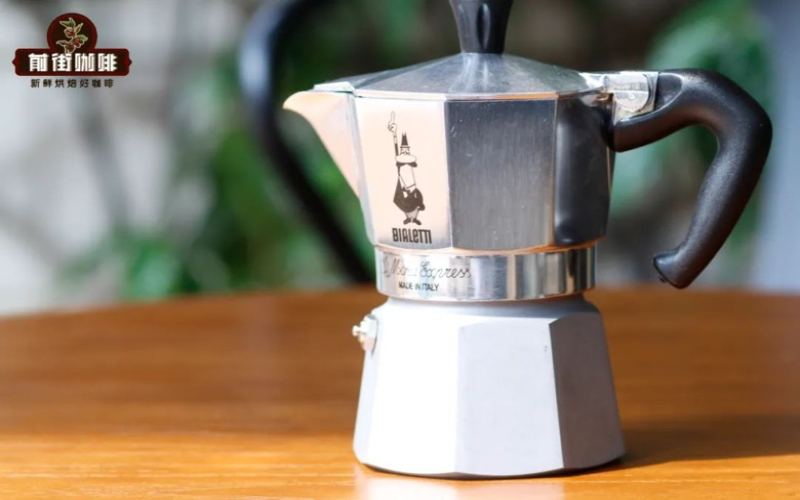
Low-Acid Dark Roast Moka Pot Espresso Coffee Beans: Choose Based on Taste Preference and Equipment Conditions
Change the equipment, and the way beans express themselves changes too. For pour-over, the scoring criteria are aroma and clarity; for espresso machines, they are intensity and sweetness; for a moka pot, you have to balance pressure, heat, and the state of the coffee bed. So before choosing beans, first decide what equipment you'll use, then fine-tune the brewing parameters according to the roast level. As a steam-pressure extraction device, the moka [more…]