







SOE (Single Origin Espresso) has now become a regular on specialty coffee shop menus. It emphasizes highlighting the unique flavor characteristics of a particular origin, in stark contrast to espresso blends that pursue balance and stability. This article will systematically sort out this coffee trend, from the definition of SOE, its historical origins, bean selection, to specific extraction parameters. It also combines Front Street Coffee's years of experience to share how to choose single-origin beans suitable for making SOE, as well as the complete extraction plan for Huakui SOE and latte-making details, helping coffee enthusiasts make a cup of single-origin espresso with clear flavor and outstanding taste at home.
What exactly does SOE refer to?
SOE is the abbreviation of Single Origin Espresso, usually called "single-origin espresso" in Chinese. Its core pursuit is to express the signature flavor of a certain coffee origin as clearly as possible. In other words, the coffee beans used to make this espresso must come from the same single-origin batch; the opposite is espresso blended from beans from multiple origins.
On coffee shop menus, most options labeled SOE use beans with a lighter roast level, with the aim of allowing the floral aroma, fruity acidity, and other qualities of the origin itself to show. For example, Front Street Yirgacheffe from Ethiopia has jasmine floral notes and citrus-like acidity; Front Street Kenya Small Tomato Washed Coffee presents the acidity of black plum and dark berries. Of course, some shops also offer SOE with a slightly darker roast and mainly nutty notes, such as the dark chocolate sweetness of Colombian coffee, or the creamy, caramel-like richness of Brazilian coffee. Using these distinctive SOEs as a base, various coffee drinks such as lattes, Americanos, and flat whites can also be made.
What characteristics does SOE have?
In the past, bean suppliers were used to blending coffee beans from two or more origins into a new blend formula. This could achieve advantages such as balanced flavor, stable extraction, and controllable cost. SOE is different. It puts origin first, and from roasting to extraction, every step must serve to present the unique flavor of that origin.
The final flavor of a cup of coffee is affected by many factors: the terroir of the growing environment, processing method, roast level, brewing technique and parameters, and so on. To make the performance in the cup better, merchants have to select higher-quality coffee batches to produce it, and costs and selling prices will naturally rise accordingly.
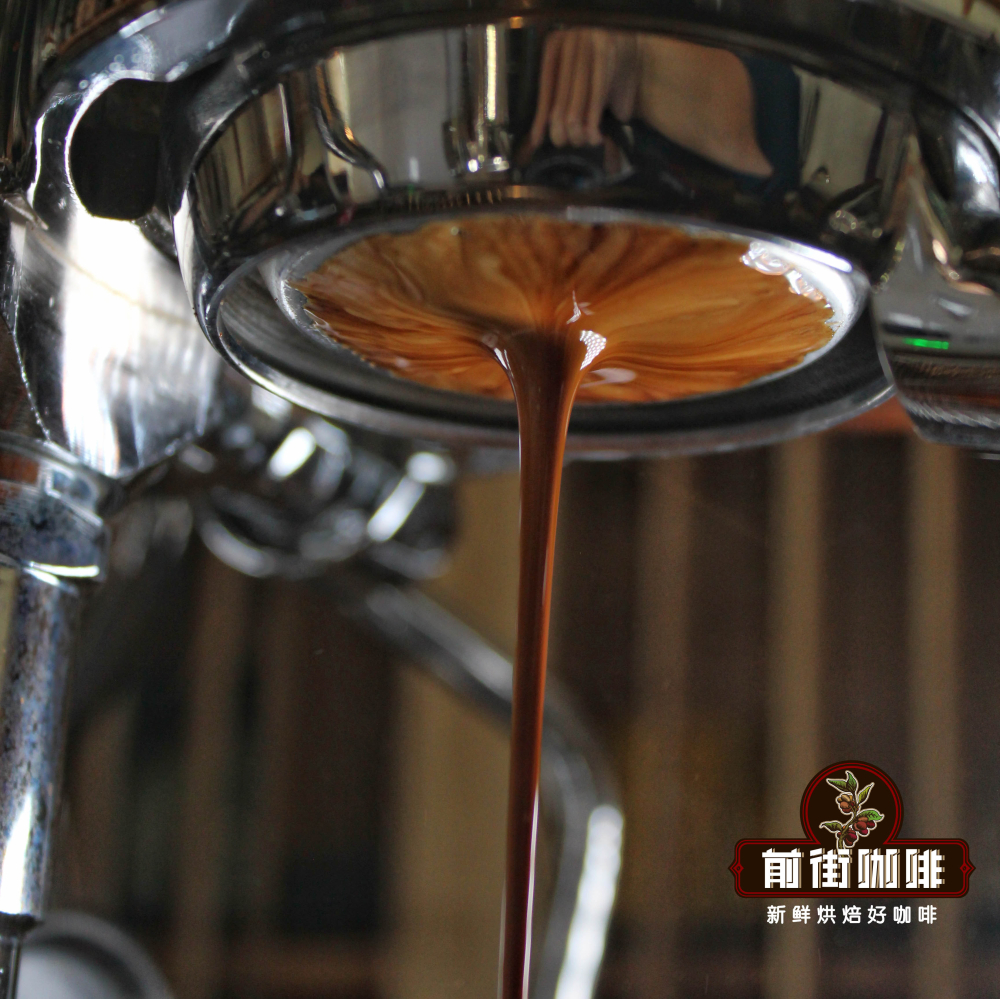
When making blends, roasters often deepen the roast level to make the flavor more balanced and stable, while also masking some defects in bean quality. SOE needs to highlight flavor individuality, so the roast level is generally not too dark; otherwise the extracted espresso lacks persuasiveness. But it also cannot go as extremely light as a pour-over single origin, because at high concentration it easily produces stimulating acidity and astringency. Therefore, SOE requires a dedicated roasting curve, combined with corresponding extraction parameters, to bring out the high-quality flavors of the origin.
How did SOE come about?
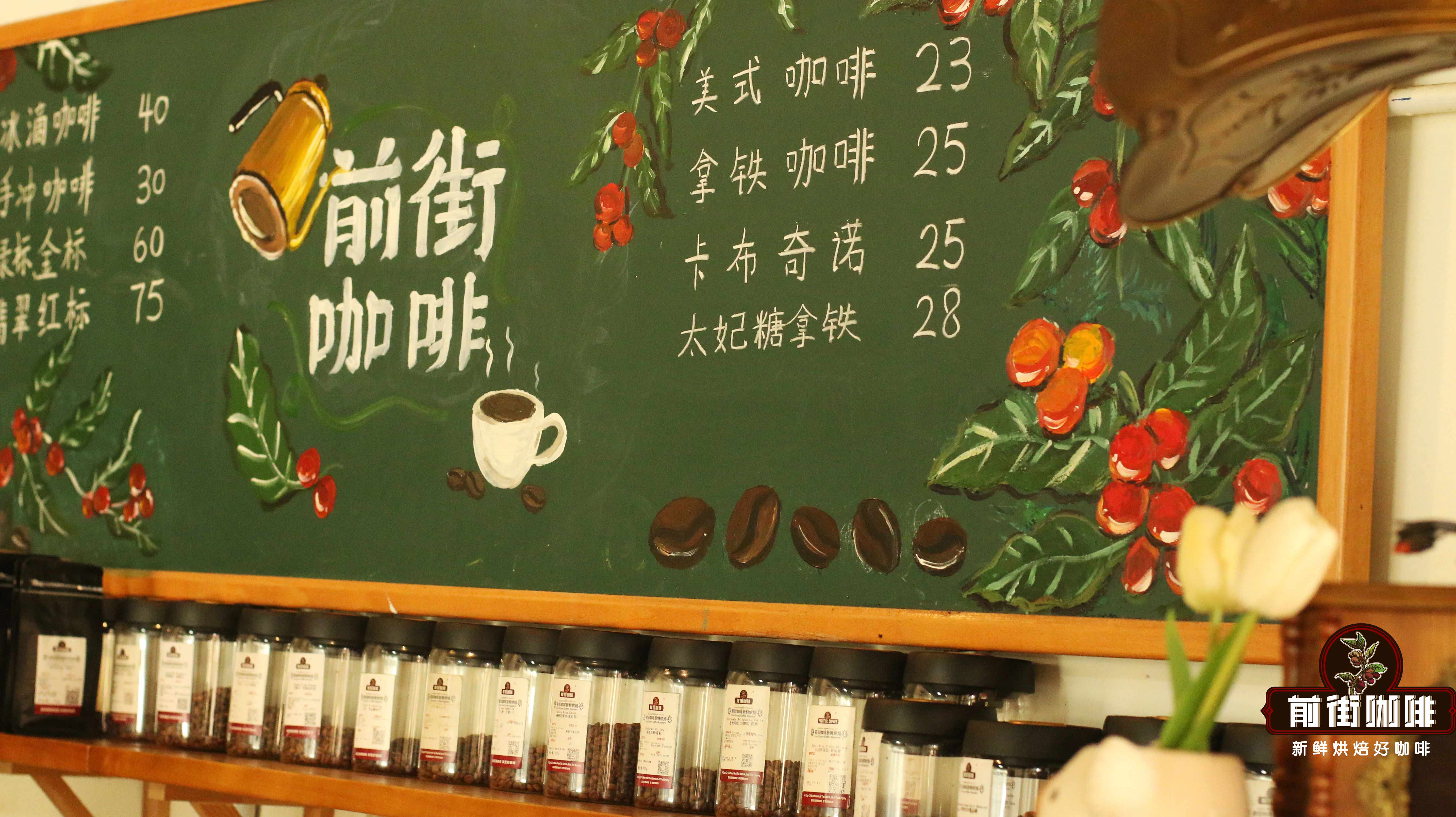
After the rise of the specialty coffee wave, more and more high-quality single-origin beans were written onto the menus of various coffee shops. For example, Front Street's bean list occupies an entire large blackboard. Some baristas participating in competitions, when making espresso, were no longer satisfied with balanced blend beans and instead tried using high-quality single-origin beans as raw materials. Through repeatedly tested brewing parameters, they extracted a highly individual espresso, gaining many extra points in competition. In addition, with the widespread spread of videos and images in recent years, using single-origin beans to make espresso has gradually become a new trend.
In fact, SOE is not something that only appeared in recent years. When espresso first became popular, coffee shops around the world all used single-origin beans; it was just that this was not specifically emphasized at the time. Later, as coffee consumption demand continued to grow, coffee quality from different origins became uneven, and flavor and stability were difficult to guarantee. To avoid the impact of low-quality beans, some merchants began blending beans from different origins together to make the taste more stable. In recent years, the specialty coffee atmosphere has become stronger and stronger, and coffee people have begun to value bean traceability, hoping to drink espresso made from beans from well-known specialty origins, so SOE has become popular again.
Which coffee beans are suitable for making SOE?
Front Street has always believed that drinking coffee is a very subjective matter, and everyone's taste preferences are different. Here are three types of coffee beans with different flavor profiles; everyone can choose according to the taste they like.
If you prefer fruity sweet-and-sour notes, you can choose medium-light roasted single-origin beans, and the SOE will show the bright sweet-and-sour sensation of various fruits. For example, Front Street Ethiopia Natural Yirgacheffe Red Cherry Coffee Beans on Front Street's bean list have the sweet-and-sour taste of tropical fruits and berries.
If you choose single-origin beans with chocolate and nutty notes, the roast level will be relatively darker, and the resulting espresso will have rich crema and hazelnut aroma. For example, Front Street Brazil Queen's Estate Coffee Beans present the sweetness of creamy peanut and dark chocolate.
There is another case: using special processing methods to make certain flavors more recognizable. For example, Front Street Honduras Sherry Barrel Coffee Beans use refined washing plus whiskey barrel fermentation. The resulting SOE has vanilla and whiskey aromas. Mixed with steamed hot milk, it tastes like rich chocolate milk.
Tips for making SOE
No matter what method is used to extract coffee beans, Front Street believes freshness is crucial. If the beans' roast date is already more than a month past, some of the aroma may have been lost, and an unpleasant woody taste may also develop. Front Street hopes that every customer who places an order can taste the coffee aroma during the best flavor period, so it only ships beans freshly roasted within 5 days. To make a better-flavored SOE, Front Street recommends choosing freshly roasted single-origin coffee beans.
In addition, when extracting SOE with lighter-roasted beans, because the roasting time is short and the internal texture is harder, the flavor is relatively difficult to extract. At this time, extraction parameters need to be adjusted to increase the extraction yield, such as extending the extraction time, increasing the water temperature, making the grind finer, and increasing the dose.
Making SOE greatly tests a barista's extraction skill. It is necessary to consider the roast level of the beans and slowly adjust different parameters to present the best flavor and mouthfeel. If the wrong beans are chosen and one is not familiar with the espresso-making process, the probability of failure is also higher, and the coffee made will either be so bitter it is hard to swallow or so sour it makes people frown. So in Front Street's view, choosing a coffee bean suitable for making SOE not only makes it easy to produce a delicious espresso, but adding water or milk to make an Americano or latte will also get twice the result with half the effort.
Take Front Street Huakui Coffee, which Front Street likes very much. Considering that everyone may brew it differently after purchase, Front Street's roasters specially launched two different roasting curves: one is a medium-light roast suitable for cold brew and pour-over, and the other is a medium roast suitable for espresso machines and moka pots. For example, if someone wants to save trouble and make cold brew, or pursues a sense of ritual and uses pour-over extraction, then choose the medium-light roast; if you prefer golden crema, or hope to pour delicate patterns on a latte, Front Street recommends choosing the SOE roasting curve.
Extraction parameters for Front Street SOE Huakui Espresso
Coffee beans: Front Street Ethiopia Huakui 8.0
Coffee dose: 20g
Coffee liquid yield: 40g
Dose-to-yield ratio: 1:2
Extraction time: 26–32 seconds
Grind setting: Galileo 2.0
The coffee machine Front Street uses has a double basket capacity, requiring 20 grams of coffee powder each time, with an extraction dose-to-yield ratio of 1:2, that is, yielding 40 grams of coffee liquid within a reasonable time. Extraction time is related to the flow rate of the coffee powder, and a single extraction is generally controlled between 20 and 35 seconds. If it is less than 20 seconds, the coffee taste tends to be thin and weak; if it exceeds 35 seconds, it is prone to over-extraction and burnt bitterness. So when Front Street produces it, the espresso time is controlled within the range of 26–32 seconds.
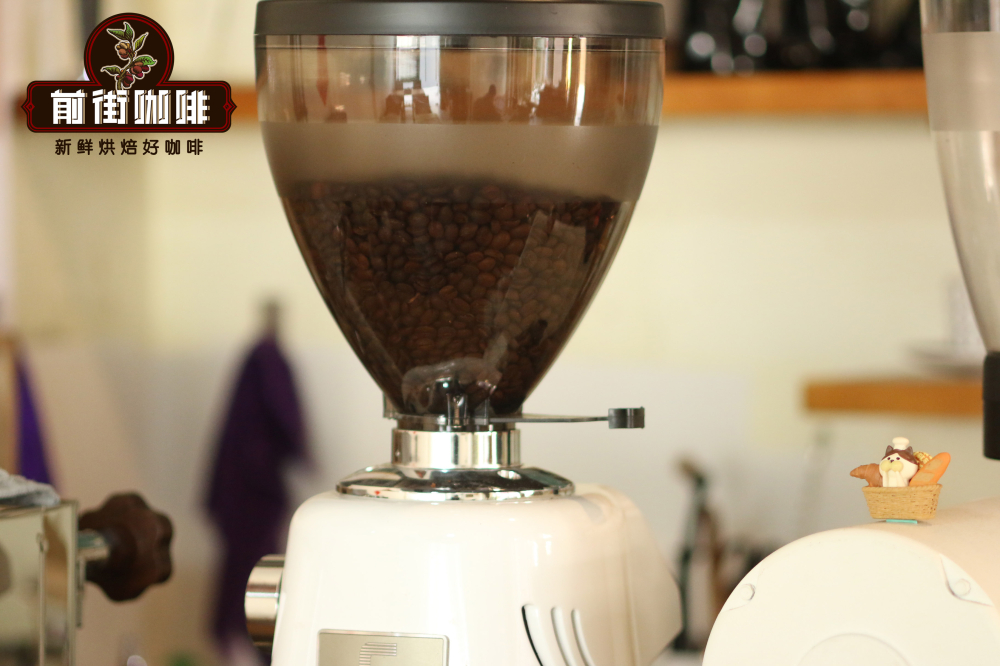
Before extraction, first wipe the basket dry, turn on the grinder, grind a double dose of coffee powder, place it on the electronic scale and adjust until it is exactly 20 grams. Then use a distribution tool to level the coffee powder, and then use a tamper to press vertically downward with force, compacting the puck firmly to ensure more stable extraction.
Then turn on the extraction switch and let water run for 1–2 seconds to wet the group head and rinse away stuck coffee grounds. Place an electronic scale under the cup that will catch the Espresso, reset the weight to zero, and keep it under the group head during extraction.
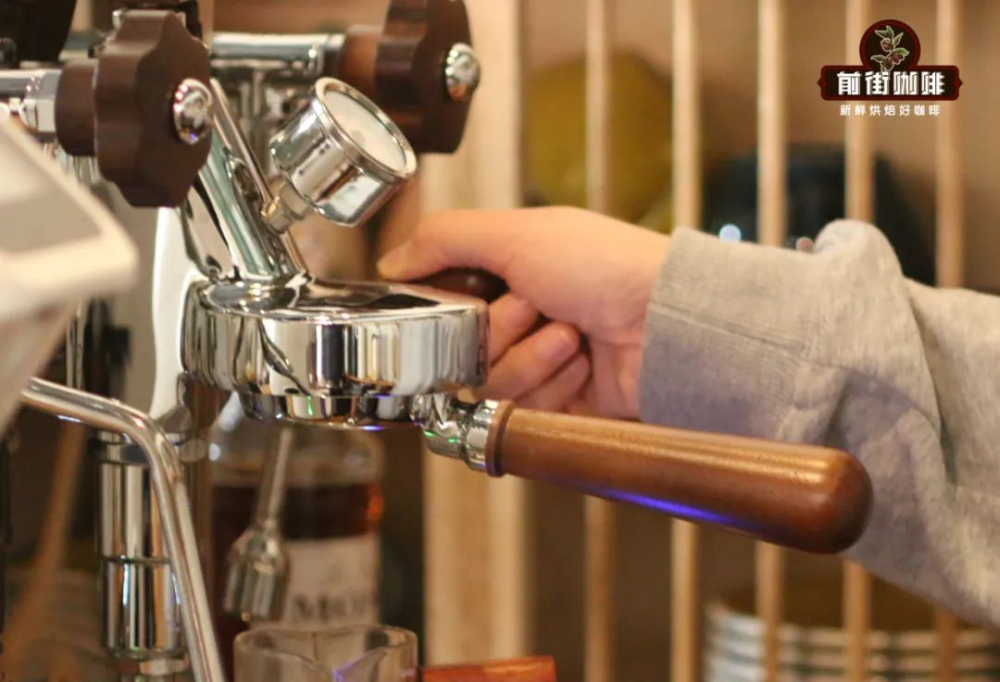
Gently and slowly lock the portafilter onto the group head, then flip the extraction switch. Observe the changes in the extracted liquid. When the electronic scale shows 40 grams of coffee liquid and the time is about 30 seconds, turn off the extraction switch. Brewing parameters will change subtly with daily air humidity and the condition of the coffee beans, so it is necessary to adjust the coffee dose, grind setting, and extraction yield up or down.
The ingredients for a latte are very simple: it only needs espresso and milk. There is also no fixed ratio, mostly between 1:5 and 1:8. The Front Street Huakui SOE Latte introduced by Front Street today uses a 1:5 ratio, with 40 grams of espresso liquid and 200 grams of milk.
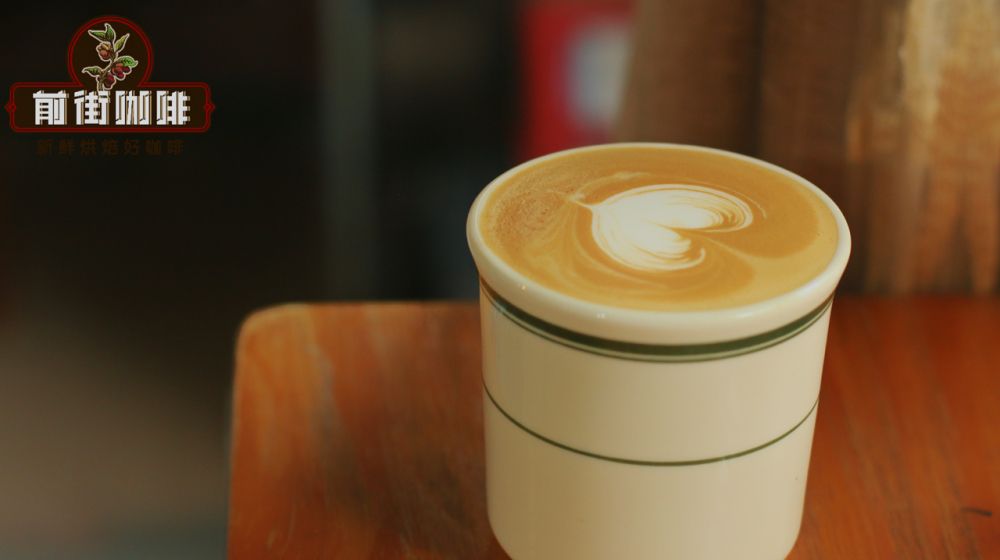
For example, when producing a hot latte, Front Street first adds the espresso liquid to a preheated coffee cup, then uses the espresso machine's steam to froth the milk. The milk temperature is best controlled at 55–65°C to form dense milk foam of moderate thickness, then evenly integrate it with the coffee liquid. The final latte art is the icing on the cake. Front Street's hot latte presents the sweet aroma of liqueur chocolate and a creamy, smooth mouthfeel. Front Street's iced latte first adds 75 grams of ice cubes plus 200 milliliters of fresh milk, then extracts 40 grams of coffee liquid and pours it on top. Before drinking, customers are reminded to stir it evenly.
The above content is compiled by CoffeeHunters, a coffee news website.


