







Search Results for: grinding water temperature
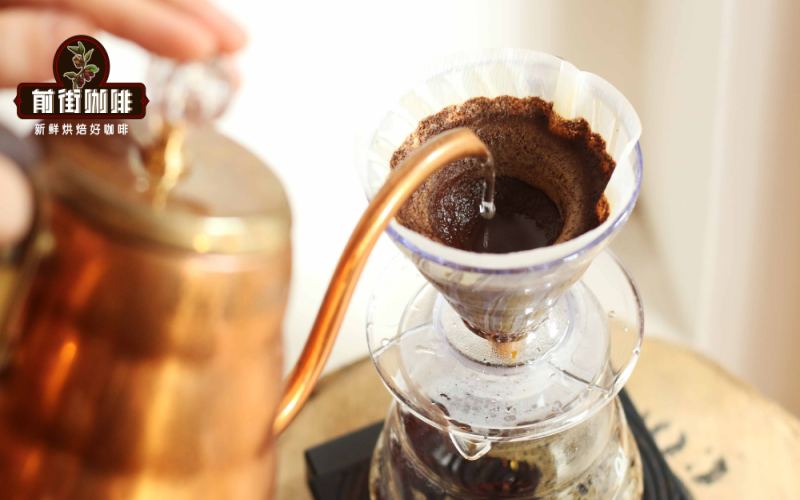
Low-Temperature Fine-Grind Slow-Pour Method Practical Guide: Pour-Over Extraction Parameters and Flavor Comparison Using 50°C Water with Moka Pot Grind
The joy of pour-over coffee lies in the fact that with the same bean, a different extraction approach can produce a completely different flavor in the cup. Today I'll share a special method called "low-temperature fine-grind slow pour," inspired by automatic cold brew machines—grinding the coffee to a fineness close to espresso, then using low-temperature water to extract slowly. This approach both releases the coffee's flavors more completely and effectively avoids over-extraction. Below, using Front Street. Blackberry as an example, I'll break down the grind parameters, pouring technique, and extraction ratio in detail, compare the flavor with a conventional pour-over method, and include notes from actual practice for coffee enthusiasts to try. [more…]
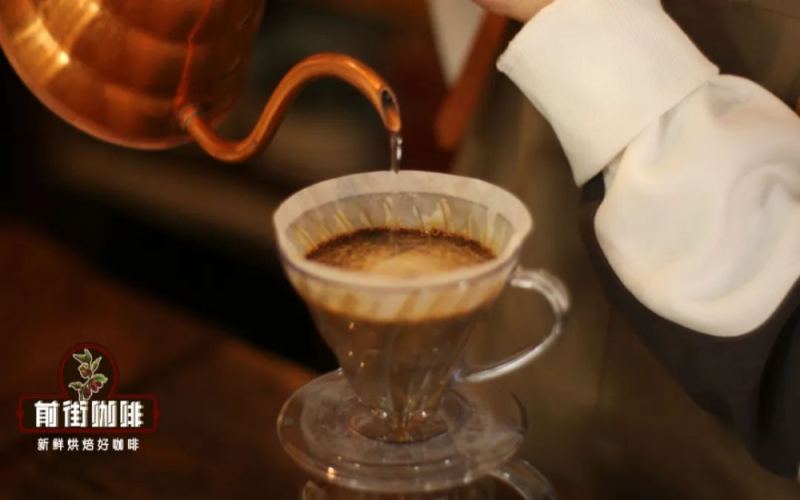
Why Does the Same Bean Taste Different? A Detailed Look at the Three Key Factors in Pour-Over Coffee: Grind, Water Temperature, and Water
Many people share this confusion: the beans are the same, the brewing method is identical, yet the coffee made at home always tastes different from what's served in a café. This suggests the problem most likely lies in the extraction stage. Drawing on long-term experience interacting with customers, Front Street Coffee has identified three of the most common sources of deviation—grind, water temperature, and brewing water. This article will break down each of these three factors one by one: how to judge whether the grind is appropriate by looking at the state of the coffee bed and the brewing time, what water temperature range suits different roast levels, and what effect the minerals in water actually have on extraction. If you too are bothered by that cup of coffee at home that always seems to fall just short, feel free to follow along with this article and troubleshoot, to see exactly which step the problem is stuck at. [more…]
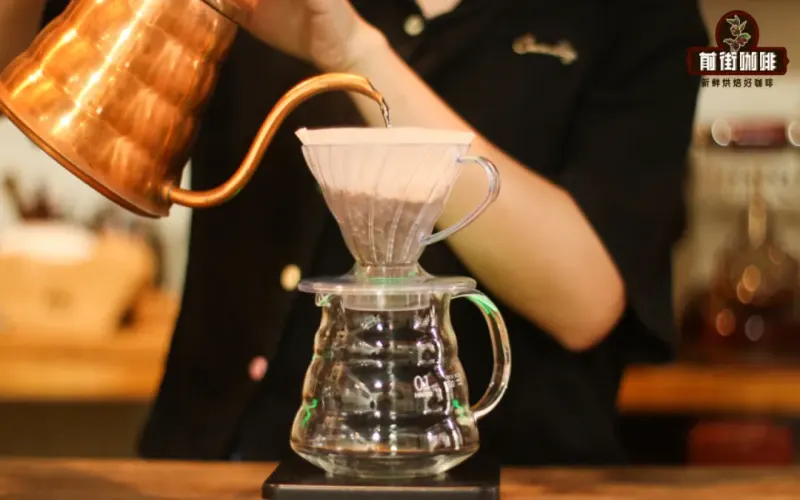
A Complete Guide to Pour-Over Coffee Grind Parameters: Differences in Water Temperature, Coffee-to-Water Ratio, and Grind Size Between Dark and Light Roasts
When brewing pour-over coffee, water temperature, water volume, grind size, and time are the four key factors that determine extraction. Among them, grind size is often the most easily misjudged because it cannot be directly observed—too fine or too coarse will throw the flavor off balance. This article starts with methods for judging grind size, explaining how to calibrate it using a No. 20 sieve, drawdown speed, and taste feedback, and compiles the three grind settings Front Street Coffee uses for light-roasted, anaerobic, and dark-roasted beans, including their respective passing rates through the sieve, water temperatures, and coffee-to-water ratios, while also offering grind adjustment advice for iced pour-over, helping enthusiasts build a stable, reusable brewing framework. [more…]
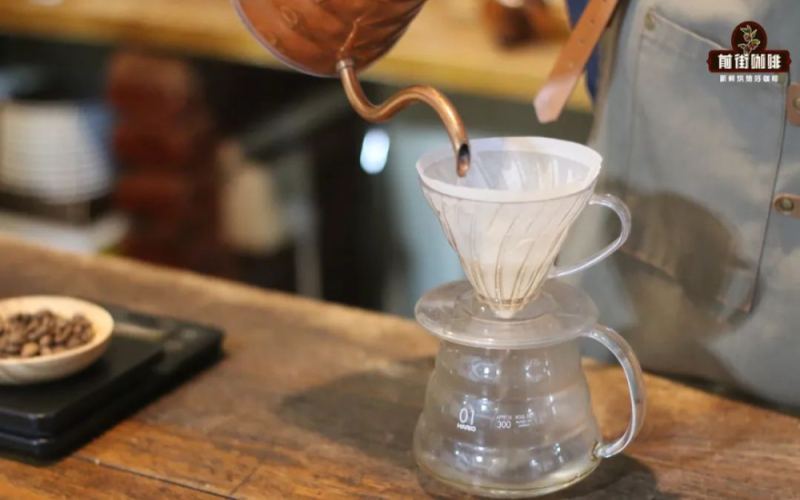
Four key preparations before pour-over brewing: filter paper fitting, water temperature control, grinding timing, and coffee grounds recheck
To brew a consistently delicious pour-over coffee, the key is to eliminate as many uncertainties as possible before brewing. Many enthusiasts tend to overlook some details during the preparation stage, which leads to uneven extraction and flavor deviation. Drawing on daily observations and the practical experience of enthusiastic friends, Front Street Coffee has compiled four easily overlooked preparation steps: how well the filter paper fits the dripper directly affects degassing and flow; once the water temperature is confirmed, you should pour as soon as possible to avoid the temperature in the kettle continuously dropping; grinding is best left as the last step to reduce the loss of coffee aromatics; after grinding, you should also double-check the coffee dose, because the grinder may retain or spit out grounds, and a deviation of ±0.5g is enough to change the final flavor. These seemingly minor steps often determine the success or failure of the entire cup. [more…]

How Does Water Temperature Affect Pour-Over Extraction? Brewing Temperature and Grind Recommendations for Ethiopian Huakui
When brewing the same coffee beans, why do some people use 88°C while others use 93°C or even higher? What role does water temperature actually play in extraction? Starting from everyday conversations at Front Street Coffee shops, this article systematically explains how water temperature affects coffee flavor, mouthfeel, extraction yield, and concentration, and, using floral-forward varieties such as the Ethiopian Huakui, explains how to highlight floral aromas by lowering water temperature, and how to compensate for extraction efficiency with parameters such as grind size and time, helping coffee enthusiasts find a brewing approach that suits them. [more…]
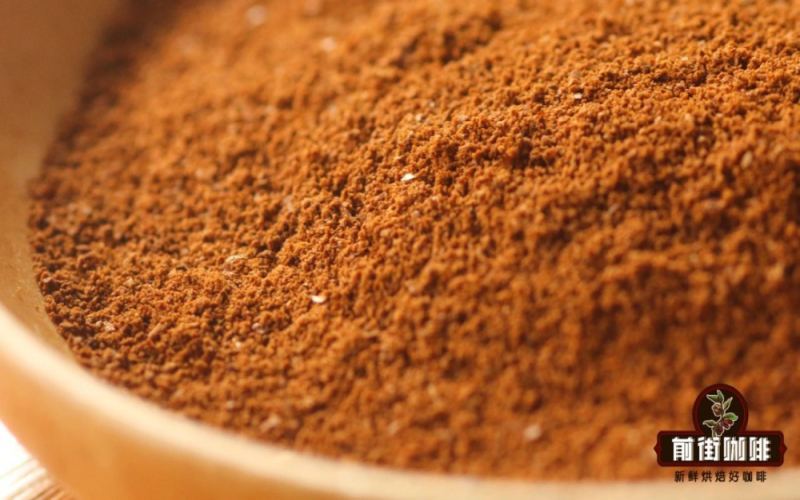
The Grinding Logic and Bean Selection Guide for Low-Temperature Cold Brew Coffee: From Extraction Principles to Specialty Drink Concentration Control
Cold brew coffee is extracted in a low-temperature, still environment, and many people habitually assume that grinding the coffee finer will increase its strength—but is that actually true? Through comparative experiments, Front Street Coffee found that a coarser grind actually yields a higher TDS reading in cold brew. Starting from the underlying logic of water temperature and particle movement, this article will explain why the "finer grind equals stronger coffee" theory that applies to high-temperature pour-over does not hold for cold brew. It also offers coffee bean recommendations suitable for cold brew, suggested coffee-to-water ratios, and points to note on grind selection for beans of different roast levels, helping you make a specialty cold brew with just the right strength and an aroma that isn't masked by added ingredients. [more…]
How Fine Should Cold Brew Coffee Grounds Be? An Analysis of How Coarse and Fine Grinds Affect Extraction Strength
When making cold brew coffee, should the grind size be coarse or fine? Many enthusiasts habitually assume that grinding finer will increase the concentration, but in a low-temperature, still-steeping extraction environment, this logic does not necessarily hold. Through practical experiments, Front Street used the same Yirgacheffe beans, the same coffee-to-water ratio, and the same steeping time to make cold brew with fine and coarse grinds respectively, testing the concentration and tasting the flavor differences. The results showed that the coarse grind actually had a slightly higher TDS, and its flavor performance was also brighter and sweeter. This article will explain this phenomenon from the perspectives of water temperature and particle movement, and provide grinding recommendations and applicable conditions for making cold brew coffee, helping you make a cup of cold brew with excellent concentration and flavor. [more…]
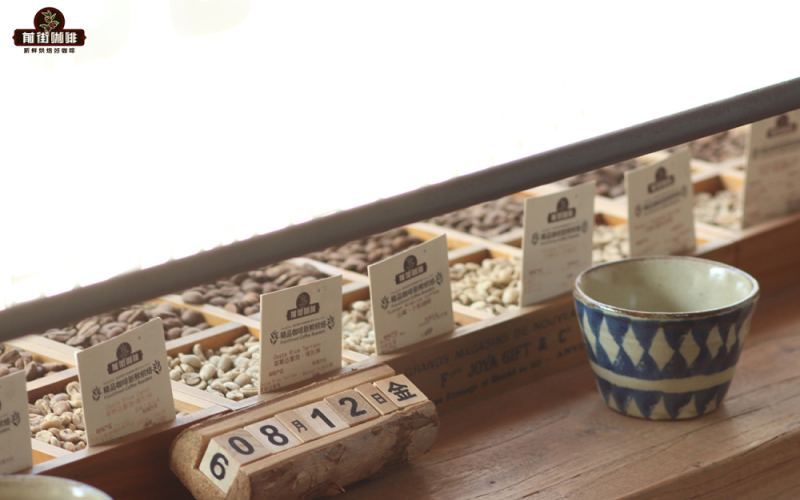
What grind size is standard for cupping? An analysis of how to determine the grind size and water temperature for pour-over black coffee
When you get an unfamiliar single-origin coffee bean, how do you accurately judge its flavor performance? Cupping is the industry-standard method. Front Street Coffee conducts cupping on every coffee bean it acquires, whether or not it goes on the shelves. This article uses the SCA cupping system as its benchmark and provides a detailed introduction to the equipment and parameters required for cupping, including sample bean processing, grind size calibration, coffee-to-water ratio, water quality and temperature requirements, as well as the operating procedures for dry aroma, wet aroma, breaking the crust, and skimming. After cupping is completed, the pour-over grind size and brewing water temperature must also be determined according to the roast level. Light-roast and medium-roast coffee beans each have different standards for sieve pass-through rate and water temperature selection. [more…]
A Beginner's Guide to Pour-Over Drip Coffee: Equipment Selection, Brewing Steps, and Key Parameters Such as Water Temperature and Grind Ratio
Pour-over drip coffee may seem simple—just a dripper, a hand gooseneck kettle, filter paper, and a cup are all you need—but once you actually start brewing, you realize there are countless variables at play. This article begins with the basic equipment, then gradually introduces the standard brewing process, the interrupt-pour technique, advanced setups, and the five major variables, along with specific water temperature and grind size recommendations for light, medium, and dark roasts. Whether you're a beginner just getting into pour-over or an enthusiast looking to refine your technique, you'll find practical parameter references here. The article also covers methods for adjusting variables to suit your taste, key points for cleaning and maintenance, and practical approaches for making flavored coffee bases and super-concentrated iced coffee, and recommends related products from Front Street Coffee. [more…]
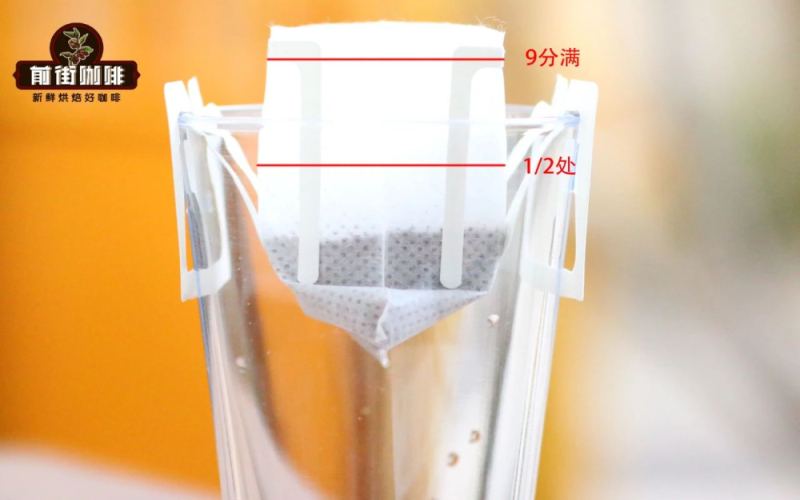
Three Keys to Better-Tasting Drip Coffee: A Practical Guide to Grind Size, Water Temperature, and Coffee-to-Water Ratio
Pour-over drip bag coffee brewing may seem simple, but if you want to brew an ideal cup, you cannot overlook three details: grind size, coffee-to-water ratio, and water temperature. This article explains, one by one, how each step—from pouring method and grind selection to ratio control and temperature management—affects the final taste, and provides specific product examples from Front Street Coffee's drip bags to help you avoid common pitfalls and consistently brew a delicious cup of drip bag coffee at home. [more…]
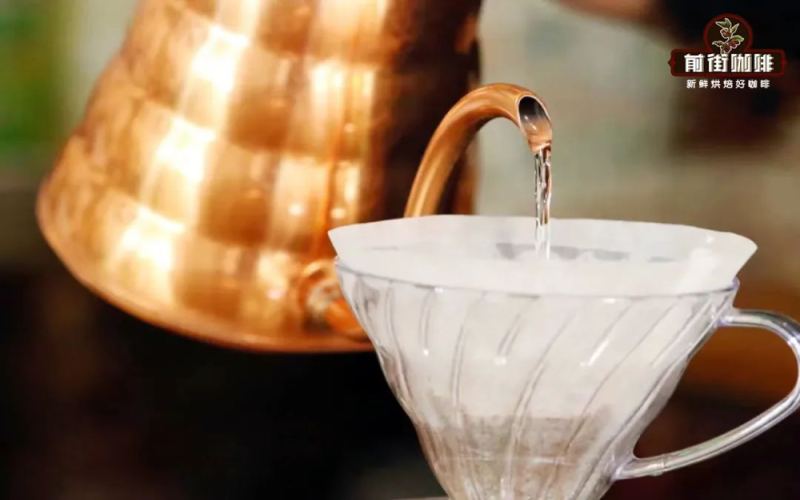
A Complete Analysis of Pour-Over Coffee Parameters: Scientific Adjustment Approaches to Coffee-to-Water Ratio, Grind Size, Water Temperature, and Time
Many coffee enthusiasts make a point of visiting Front Street Coffee, drawn not only by the impressive variety of coffee beans but also by the baristas' brewing skills, which never fail to impress. When it comes to brewing a great cup of coffee, does it ultimately come down to hands-on technique or mental understanding? Front Street Coffee believes that water flow control and pouring are merely the basics. What truly determines the flavor direction is a deep understanding of the four key parameters: grind size, coffee-to-water ratio, water temperature, and time. This article will systematically lay out ways to improve your pour-over skills, from the interconnected relationships between parameters and methods for categorizing coffee bean characteristics to practical tips for keeping brewing records. Whether you are a beginner just getting into pour-over or an experienced brewer looking to break through a plateau, you'll find actionable guidance here. [more…]
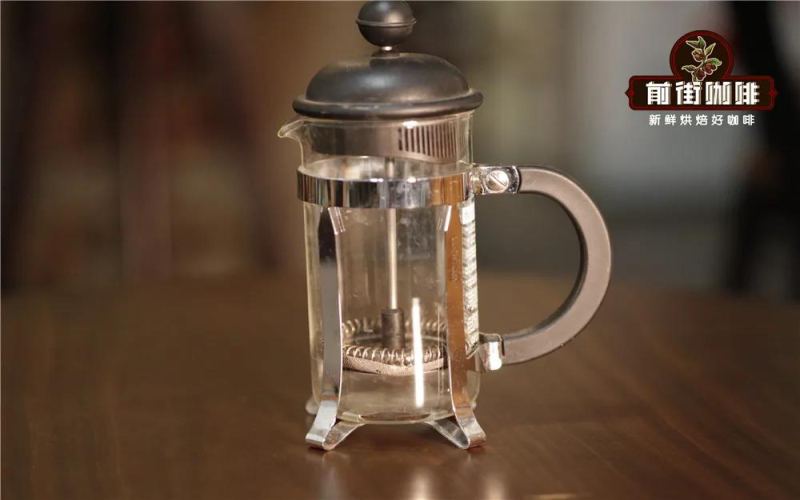
The Complete Guide to Brewing Coffee with a French Press: A Detailed Explanation of Grind Size, Water Temperature, Coffee-to-Water Ratio, and Steeping Time
The French press is easy to operate, yet it best showcases the true flavor of coffee beans, earning it the reputation of the "lazy person's brewing method." But to brew a good cup of French press coffee, grind size, water temperature, water ratio, and steeping time all need to be precisely controlled. Starting from Front Street Coffee's practical standards, this article explains in detail the French press's structural principles and extraction logic, provides the grind passing rate, recommended water temperature, and 4-minute steeping plan for medium-light and medium-dark roasted beans, and explains why balanced beans are more suitable for the French press than beans with rich layers. [more…]
How does grind size affect flavor in pour-over coffee? A three-stage grind analysis with Sidamo Candlestick
Grind size is one of the key variables affecting extraction results in pour-over coffee, directly related to the dissolution efficiency of flavor compounds and the balance of the final cup. This article takes a naturally processed Ethiopian Sidamo Candlelight as an example, using three different grind sizes—BG-5I, BG-5T, and BG-7D—to conduct brewing comparisons under identical conditions of coffee dose, water temperature, and coffee-to-water ratio, recording the flavor differences at each grind size through actual tasting notes. The article not only presents complete brewing parameters and flavor descriptions but also shares pour-over knowledge about the principles of staged extraction and water temperature adaptation for different roast levels, making it a useful reference for coffee enthusiasts looking to refine their pour-over technique. [more…]
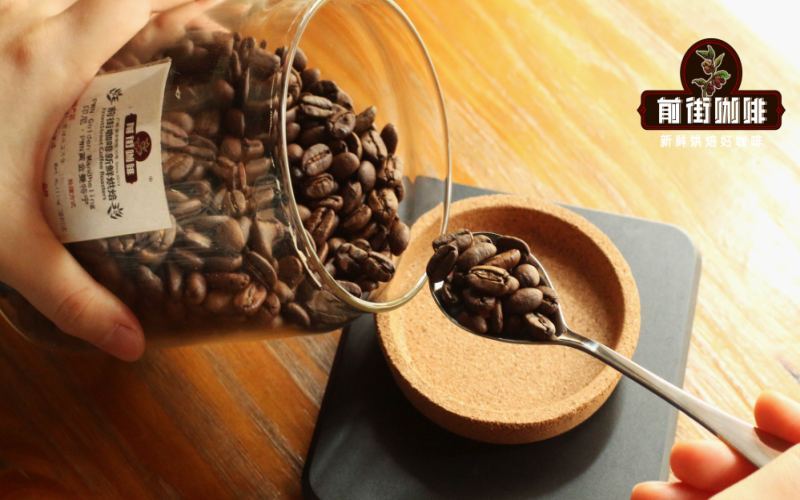
Brewing Front Street Golden Mandheling Coffee with a V60 Dripper: Adjustment Tips for Grind Size, Water Temperature, and Coffee-to-Water Ratio
Many coffee enthusiasts, after purchasing Front Street PWN Golden Mandheling coffee beans, find that when they brew at home according to the parameters on the packaging, the taste differs from that in the store. This is actually closely related to the type of dripper—Front Street's store uses the Kono Meimon dripper, while most enthusiasts have a V60 dripper at home. The two drippers differ significantly in flow rate and extraction method, so the same set of parameters cannot simply be applied to both. This article will explain in detail how to adjust the grind size, coffee-to-water ratio, and brewing water temperature according to the characteristics of the V60 dripper, so that you can brew a rich and full-bodied Golden Mandheling at home. At the same time, the article also introduces the method for measuring the 0.85mm sieve passing rate, as well as Front Street's grind size recommendations for different brewing methods, helping you grasp the extraction variables more precisely. [more…]
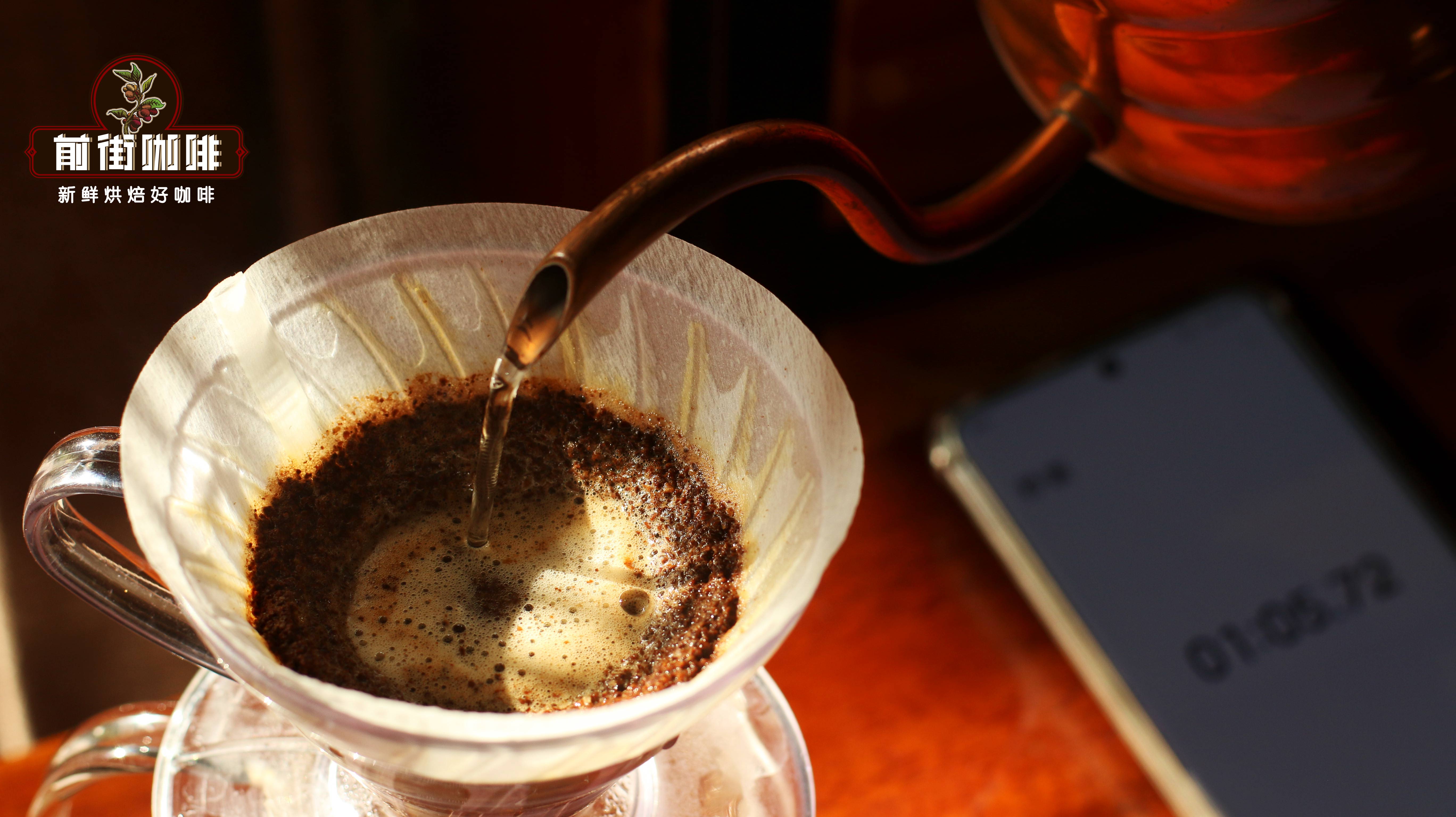
A Complete Guide to Coffee Grind Sizes: How to Identify Five Grind Levels and the Standards for Pour-Over, French Press, and Espresso
Grind size is one of the core variables that determines the direction of coffee flavor, yet many who are just getting into pour-over brewing still feel unclear about its principles and practical application. Using five grind levels as a thread, Front Street Coffee systematically sorts out the logic linking everything from extra-fine powder to coarse powder with different brewing devices, and draws on hands-on cases such as espresso, drip bags, pour-over, siphon, and French press to explain how grind size affects extraction resistance, flow rate, and the final flavor. The article also weaves in the brewing parameters and flavor descriptions of several coffees currently sold by Front Street Coffee, emphasizing that the numerical grind setting itself has limited reference value—what truly matters is the ability to flexibly adjust coarseness and fineness according to different bean characteristics and brewing devices. [more…]
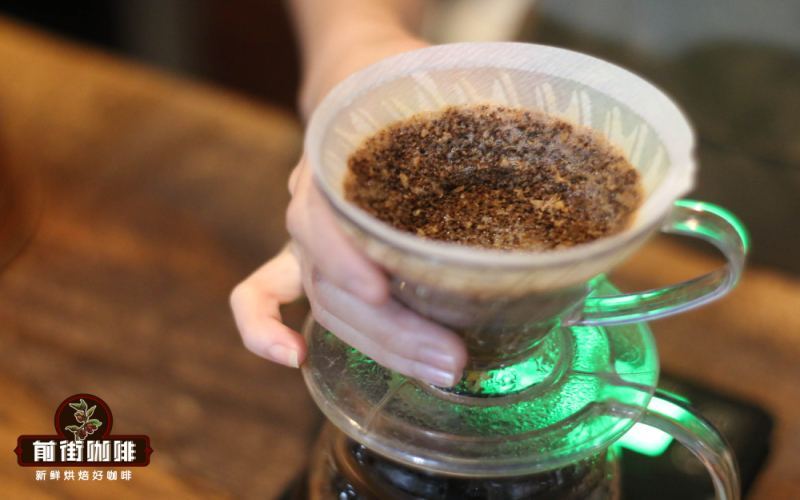
How Do Over-Extraction and Under-Extraction Change Coffee Flavor? A Detailed Explanation of the Effects of Pour-Over Grind Size and Coffee-to-Water Ratio
The key to a delicious cup of coffee lies in precisely controlling the extraction rate. About 30% of the soluble flavor compounds in coffee beans are extractable, but only 18% to 22% of them are truly pleasant. Over-extraction lets bitterness mask the acidity and sweetness, while under-extraction leaves the cup thin and noticeably watery. The core variables affecting extraction include grind size, water temperature, and pouring technique. This article systematically analyzes the causes and signs of over-extraction and under-extraction, and, drawing on Front Street Coffee's roasting and brewing experience, offers grind-size and water-temperature recommendations for coffee beans of different roast levels, helping coffee lovers consistently reproduce their ideal flavor. [more…]

The Complete Guide to Clever Coffee Dripper Brewing: How to Master Grind Size, Water Temperature, and Coffee-to-Water Ratio
The Clever Dripper, with its unique piston valve design, combines the immersion advantages of a French press with the filtration function of a pour-over dripper, making it a beloved brewing device for many coffee enthusiasts. By precisely controlling the coffee dose, ratio, grind size, water temperature, and time, you can consistently produce an excellent cup of coffee. Based on the practical experience of Front Street Coffee, this article systematically explains the brewing parameters and operating steps for the Clever Dripper, covering grind recommendations for medium-light and medium-dark roasts, water temperature ranges, coffee-to-water ratio choices, and comparative experimental results on immersion duration. Whether you are a beginner just getting to know the Clever Dripper or an advanced player looking to refine your brewing skills, you will find practical references and clear operating guidance here. [more…]
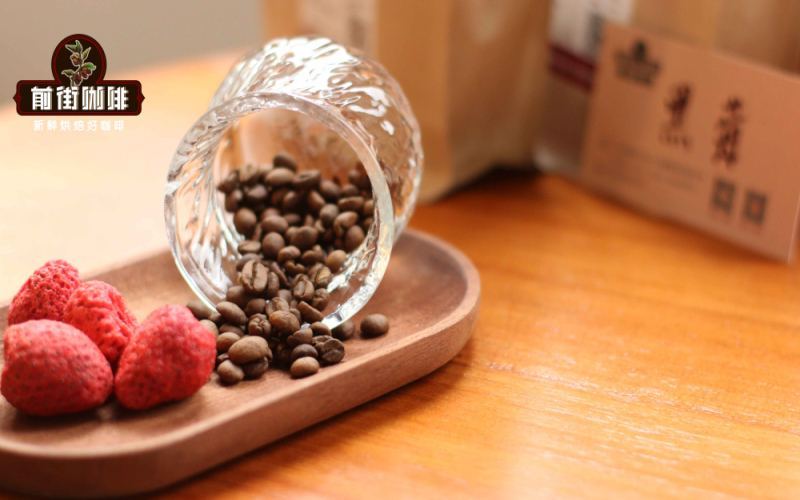
Pour-over light roast coffee too sour and hard to drink? Adjust grind, time, and water temperature to brew a sweet, balanced cup.
After specialty coffee became popular, light roasting gradually became the mainstream, and coffee's flavor shifted from a single note of bitterness to a layered richness of acidity. However, many people brewing at home always feel that the same beans taste noticeably different from what they get in a café—in the café, the sweetness and acidity are balanced, while what they brew themselves is sharp and astringent, like biting directly into a lemon. This gap usually stems from two aspects: first, the beans themselves have relatively high acidity; second, insufficient extraction prevents sweetness and bitterness from being released in time. This article will start with three key variables—grind size, extraction time, and brewing water temperature—to explain how to bring the sweet-to-sour ratio of light-roasted coffee back into balance, and will include a complete brewing demonstration of Front Street Yirgacheffe·Gededing for reference. [more…]
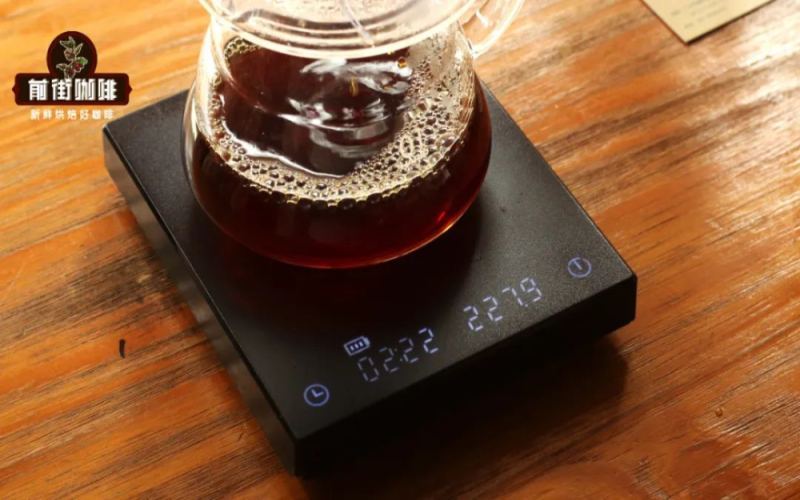
A Complete Guide to Pour-Over Coffee Parameters: Water Temperature, Coffee-to-Water Ratio, Grind Size, and Pouring Techniques with Step-by-Step Illustrations
What variables should you actually control to brew a balanced pour-over coffee? Among the six key factors—water temperature, coffee-to-water ratio, grind size, pouring technique, time, and water quality—the first four have the most direct impact on flavor. This article uses diagrams to break down the logic behind each parameter and how to adjust it, helping you move past the misconception that "a 1°C difference changes the taste," understand why grind uniformity matters more than the setting number, and learn to use a three-pour technique to adapt flexibly to extraction changes. It also offers parameter recommendations for specific beans such as Front Street Coffee Huakui and Front Street Coffee Golden Mandheling, so the theory truly translates into everyday brewing. [more…]
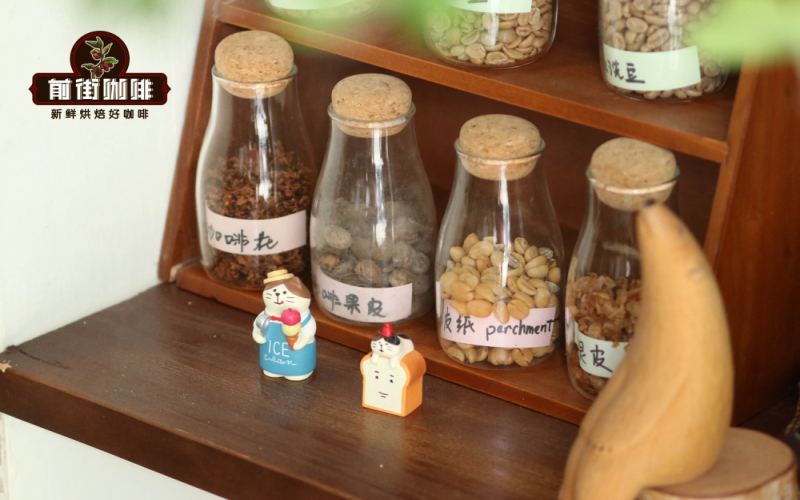
Analysis of the three common mistakes in French press coffee brewing, and how to control grind size, water temperature, and coffee-to-water ratio for the best taste.
The French press is simple to operate and versatile, making it the preferred device for many coffee enthusiasts getting started with specialty coffee. However, precisely because it is so easy to use, it is easy to overlook several key variables during brewing: grind size, water temperature, and coffee-to-water ratio. This article begins with the history and working principles of the French press, outlines three common mistakes in brewing, and, drawing on the practical experience of Front Street Coffee, provides specific parameter recommendations for coffee beans of different roast levels. Finally, using the Huakui coffee bean as an example, it demonstrates a complete French press brewing process, helping readers extract the fullest flavor of the coffee possible while preserving its rich, full-bodied taste. [more…]