







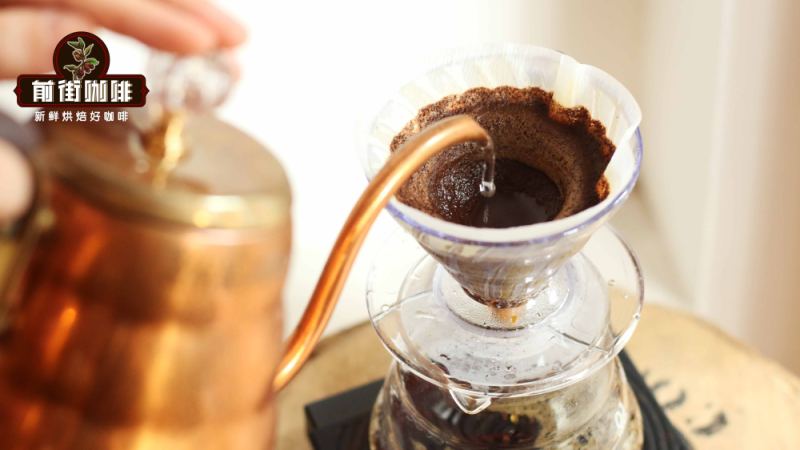
How Does Low-Temperature Brewing With Moka Pot Coffee Grind Work?
A low-temperature fine-grind slow pour uses coffee ground to a moka pot coffee grind, an EK43s setting of 1 or C40 hand grinder setting 10, then extracts it slowly with 50°C water. The method is said to draw out more sweet and acidic compounds while reducing clogging in the filter paper and limiting over-extraction. The coffee bed is tamped to slow flow further.
One sample recipe uses 18g of medium-roast Front Street Blackberry, a black honey processed bean with berry aroma and a full mouthfeel, brewed with 300g of water at a 1:16.6 ratio and a three-stage pour. The same bean can also be prepared by pour-over, cold brew or moka pot for comparison.
The joy of pour-over coffee lies in the fact that with the same bean, a different extraction approach can produce a completely different flavor in the cup. Today I'd like to share a special method called "low-temperature fine-grind slow brewing," inspired by automatic cold brew machines—grinding the coffee to a fineness close to espresso and then extracting slowly with low-temperature water. This approach both releases the coffee's flavors more completely and effectively avoids over-extraction. Below, using Front Street Blackberry as an example, I'll break down the grind parameters, pouring technique, and extraction ratio in detail, compare the flavor with a conventional pour-over method, and include notes from actual practice for coffee enthusiasts to try.
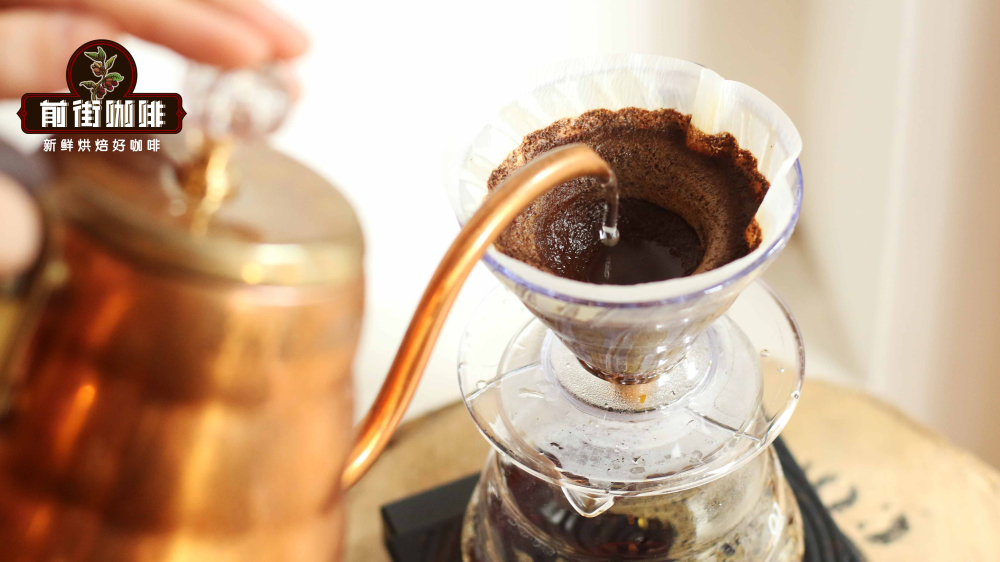
What makes pour-over coffee so appealing is that with the same bean, a different extraction approach can yield a completely different result in the cup—which is exactly why many enthusiasts enjoy exploring various new methods.
Recently a friend shared a rather unusual brewing method with Front Street Coffee called "low-temperature fine-grind slow brewing." It's said to be inspired by automatic cold brew machines: grind the coffee beans to a fineness close to espresso, then extract slowly with low-temperature water. This allows the bean's flavors to be released more completely while effectively avoiding over-extraction.
First, the principle: grinding extremely fine is intended to extract more of the coffee's sweet and acidic molecules, while the low water temperature reduces the clogging caused by fine particles in the filter paper and prevents over-extraction. Before brewing, the coffee bed also needs to be tamped, which further slows the flow rate, thereby reducing the release rate of soluble substances and making the entire extraction process more thorough.
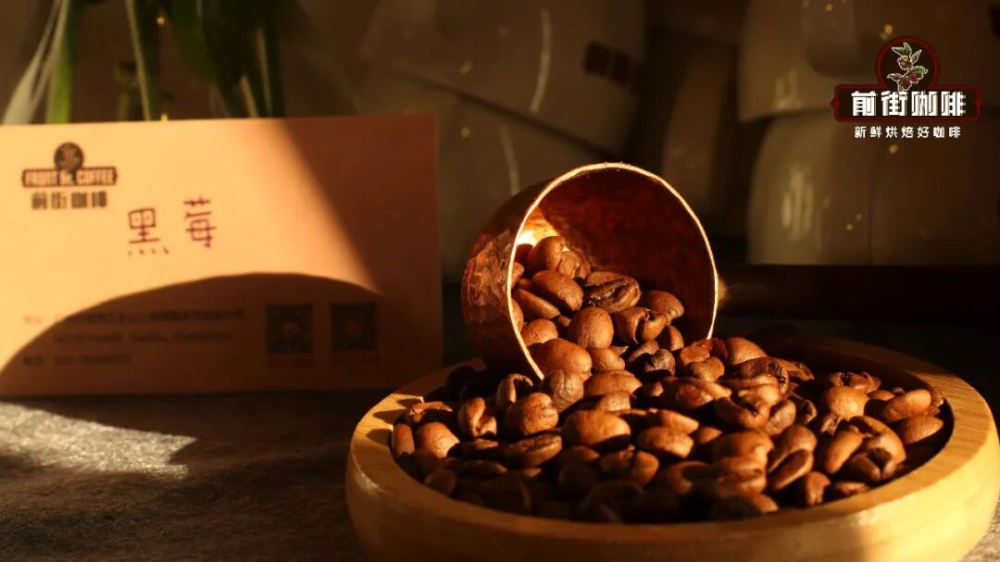
Since this method's extraction parameters are quite extreme, here we use the medium-roast Front Street Blackberry for demonstration. This bean uses black honey processing; after brewing it has a rich berry aroma and a full, grape-juice-like mouthfeel, suitable for pour-over, cold brew, moka pot, and many other extraction methods.
Coffee bean: Front Street Blackberry
Dose: 18g
Water amount: 300g
Coffee-to-water ratio: 1:16.6
Grind size: moka pot coffee grind (EK43s setting 1 / C40 hand grinder setting 10)
Water temperature: 50℃
Pouring technique: three-stage
First pour 18g of ground coffee into the dripper and gently tap it level (if clumps appear, break them up with a distribution needle or toothpick), then use a tamper or a clean flat-bottomed tool to tamp the coffee grounds with a bit of force.
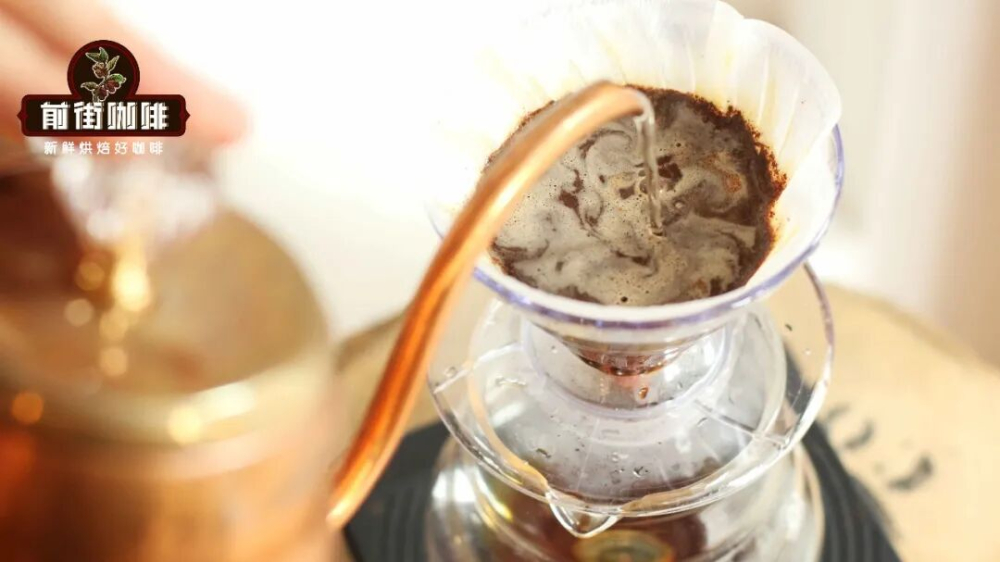
Pour 40g of 50℃ warm water in a circular motion onto the coffee bed and let it bloom and degas for 30 seconds;
After 30 seconds, pour 150g of hot water in a circle about the size of a coin;
Wait until the coffee liquid has fully drained—at this point the time is 1 minute 08 seconds—then begin the third stage with a wide circular pour until the scale reads 300g (if you can't pour it all at once, split it into another stage). The final total extraction time is 2 minutes 36 seconds.
As a comparison, we brewed another pot of Front Street Blackberry following Front Street's usual brewing recommendations, to compare the taste differences.
Coffee bean: Front Street Blackberry
Dose: 18g
Water amount: 270g
Coffee-to-water ratio: 1:15
Grind size: fine sugar (EK43s setting 9.5 / C40 hand grinder setting 24)
Water temperature: 92℃
Pouring technique: three-stage
For the first stage, gently pour 30g of hot water and let it bloom for 30 seconds. For the second stage, maintain an even, steady outward circular pour until about 150g of water has been added, then wait for the coffee liquid to drop.
When the liquid level drops to the point where the coffee bed is about to be exposed, pour the final stage of water up to 270g, wait for all the coffee liquid to finish dripping, and the final total extraction time is 2 minutes 03 seconds.
Flavor of the conventional brewed Front Street Blackberry: relatively full-bodied, with flavors of grape juice, citrus, berries, and floral notes, a slight fermented quality, and a chocolate finish.
Flavor of the low-temperature fine-grind slow-brewed Front Street Blackberry: you can taste red grape, berries, peach, and light floral notes, with a distinct fresh sweetness and high clarity, almost no trace of bitterness—though the body is on the lighter side, and the aroma is not as long-lasting as the conventional version.
A few brewing details to share
① Because the starting water temperature is low, and since it's now the middle of winter with faster heat loss, the brewed coffee liquid tends to cool down quickly. So Front Street recommends choosing a dripper with better heat retention and preheating the server and dripper before extraction, to avoid the coffee cooling too fast;
② Although low water temperature can avoid over-extraction to some extent, if the grind is too fine it will ultimately cause severe clogging of the grounds, making the coffee steep too long and develop a bitter taste.
To be on the safe side, for a first attempt we can take a middle value between espresso grind and pour-over grind, then appropriately raise the water temperature to coordinate the extraction. For example, if Front Street's pour-over grind is setting 10 and espresso grind is setting 0, for low-temperature fine-grind slow brewing you could use setting 5 with 60℃ water.
③ This method is mainly meant to offer everyone a new brewing idea, so there's no need to be constrained by various parameters—we can adjust according to the type of coffee bean or our own taste preferences. For example, when brewing medium-light roast beans, you can raise the water temperature by 5℃ and control the coffee-to-water ratio at 1:17~1:18 for clearer flavors; when brewing dark roast beans, you can lower the water temperature by 5℃ and adjust the ratio to 1:16~1:17 for a fuller mouthfeel.
The above content is compiled by CoffeeHunters, a coffee news website.


