







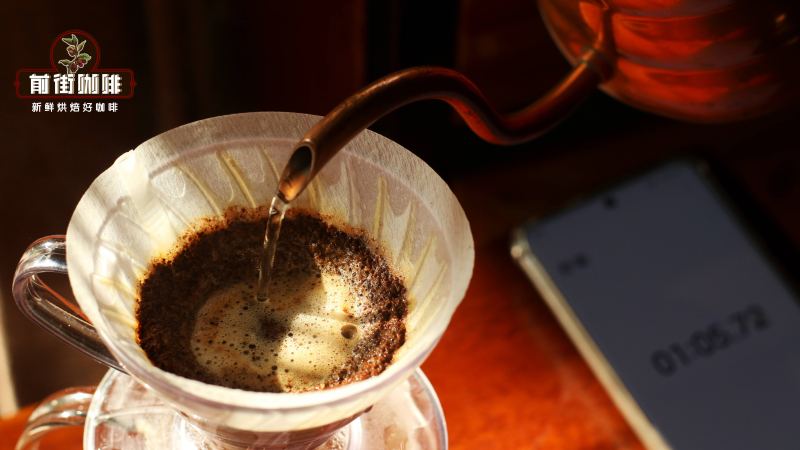
How Does Coffee Grind Size Change Extraction and Flavor?
Finer coffee grind sizes slow the flow of water, increase extraction, and produce a more intense cup that can turn woody if taken too far. Coarser grounds leave larger gaps, reduce contact surface, speed up the drip, and yield a weaker cup. Matching grind to the brewer matters more than copying any single number from a recipe.
Espresso, drip bags, pour-over, siphon, and French press each need a different coarseness, from extra-fine powder to coarse powder. The practical skill is adjusting the setting to the bean and device rather than trusting fixed figures. A mellow coffee meaning, in this context, reflects a balanced extraction where sweetness and body are present without harsh bitterness.
Grind size is one of the core variables that determines the direction of coffee flavor, yet many who are just getting into pour-over brewing still find its principles and practical application unclear. Using five grind levels as a thread, Front Street Coffee systematically sorts out the logic of matching everything from extra-fine powder to coarse powder with different brewing devices, and uses hands-on cases such as espresso, drip bags, pour-over, siphon, and French press to explain how grind size affects extraction resistance, flow rate, and the final flavor. The article also interweaves the brewing parameters and flavor descriptions of several coffees currently sold by Front Street Coffee, emphasizing that the numerical settings themselves have limited reference value—what you really need to master is the ability to flexibly adjust coarseness according to different bean characteristics and devices.
Front Street Coffee has noticed that many friends just starting out with pour-over coffee are not clear about the concept of grind size. They only know that pour-over requires controlling the coarseness of the grounds, but they do not understand why grind size directly affects the quality of the final cup. Front Street Coffee has always believed that when learning any skill, understanding the principles behind it is crucial—only then, when something goes wrong with the brew, can you quickly determine which step is the problem and adjust accordingly. Below, Front Street Coffee will sort out for everyone how pour-over grind coarseness actually affects coffee extraction.
How does coffee grounds coarseness affect extraction?
The finer the grind, the more easily the coffee grounds pile up at the bottom of the filter paper, the greater the resistance to water flow, the slower the flow rate, and the longer the extraction time is drawn out. As a result, the extraction yield of soluble substances in the coffee is relatively high, and the final cup is often more intense, but it may also carry off-flavors such as woody notes;
The coarser the grind, the larger the gaps in the coffee bed, the less surface area of coffee grounds the hot water can contact, the weaker the resistance, the faster the drip rate, and the lower the extraction yield accordingly, so the coffee flavor is naturally weaker.
The coarseness of coffee grounds directly relates to how much and how quickly coffee components are released during brewing. Overall, grind degree can be divided into five levels: coarse, medium, medium-fine, fine, and extra-fine.
Front Street Coffee prepared coffee grounds at these five grind levels respectively, and below explains one by one what kind of coffee each coarseness is suitable for making.
1. Extra-fine: suitable for espresso and moka pot coffee
When making espresso, the coffee grounds must be tamped firmly so that they create resistance to high-pressure hot water, and only then can the essence of the coffee truly be extracted. Therefore, espresso is especially sensitive to grind size—the more uniform the grind, the tighter the puck after tamping, the fewer the gaps, and the more balanced the water flow resistance, making a successful Espresso possible.
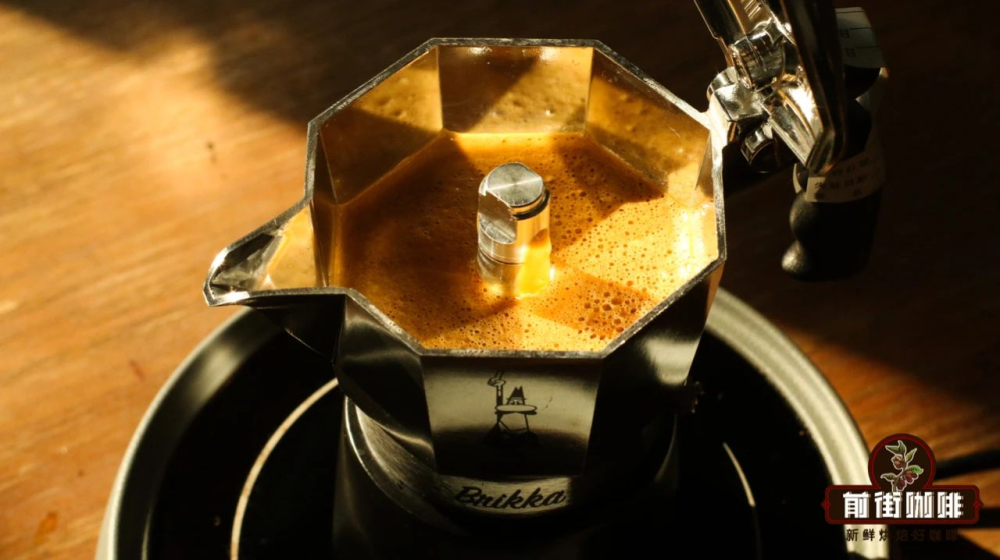
Using a moka pot to brew coffee is also suitable for extra-fine grounds, except that the extraction process is usually prone to over-extraction. Although it can bring out a little crema, the taste is on the bitter side, and the meaning of enjoying the hands-on process is often greater than the flavor itself. At the same time, you should not grind the beans too fine in pursuit of crema, otherwise it may clog the pressure release valve and create a safety hazard.
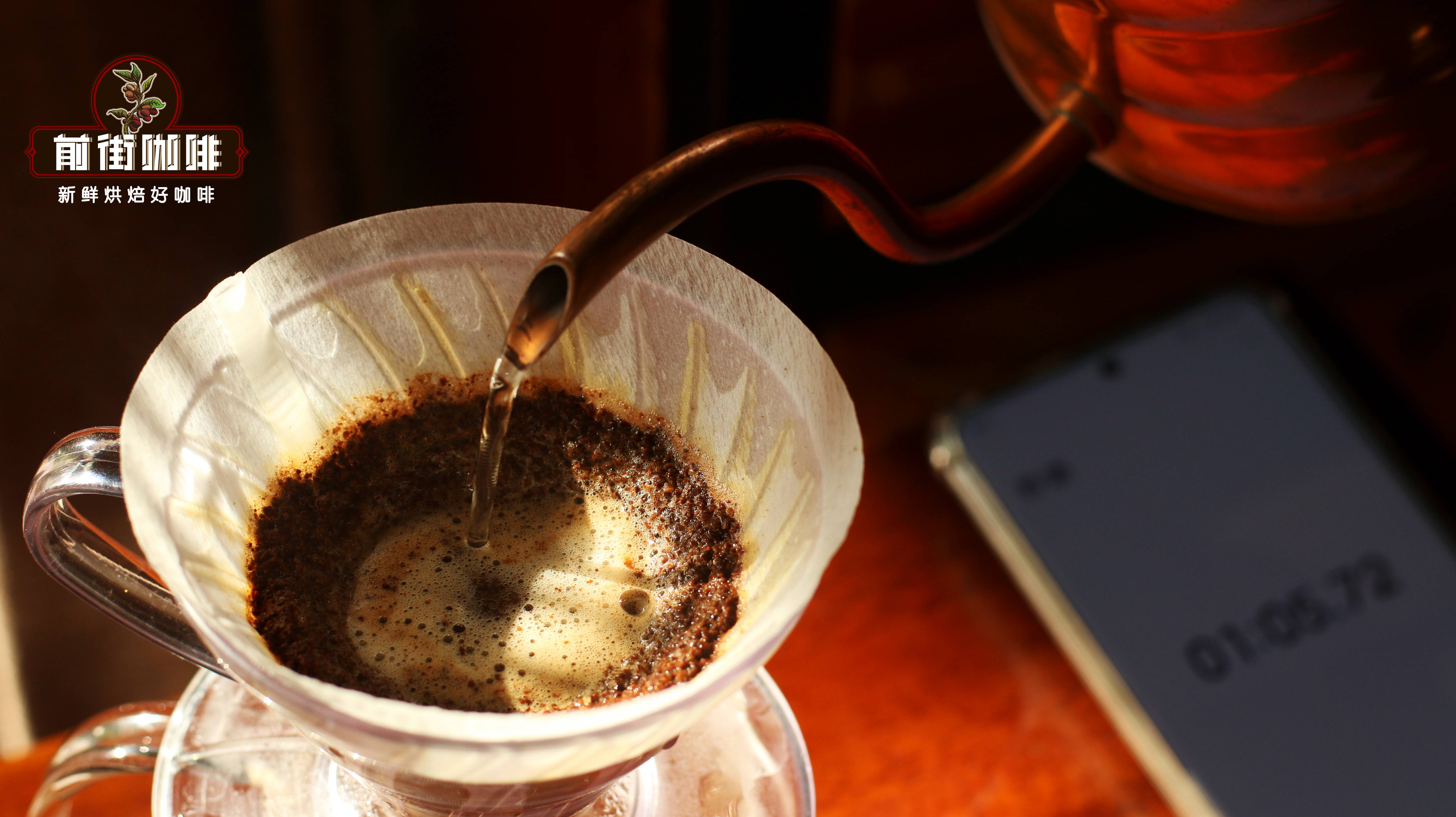
In the extra-fine espresso brewing experiment, Front Street Coffee selected Front Street Sunflower Warm Sun blend coffee beans. The grinder was a Feima 900N; the smaller the grind setting number, the finer the grind, and the larger the number, the coarser the grind.
Espresso part:
Coffee bean information
Coffee bean name: Front Street Sunflower Warm Sun Blend
Blend bean sources: Honduras Sherry barrel, Yirgacheffe Red Cherry Project sun-dried
Cupping flavor: vanilla, cream, fermented wine aroma, citrus, chocolate
Extraction parameters
Coffee grounds dose: 20g
Coffee liquid yield: 40g
Extraction time: 28s
Steamed milk part:
Milk parameters
Milk type: whole milk
Steaming temperature: 55 degrees Celsius
Milk foam thickness: 1cm
Milk to coffee ratio: 1:8
Cup details
Cup capacity: 300ml
Material: ceramic
Preparation details
Pour 240 milliliters of cold milk into the milk pitcher, aerate and steam about 1 centimeter of milk foam, and heat to about 55 degrees Celsius. Pour in the espresso and integrate until seven-tenths full, then gently push out a simple pattern.
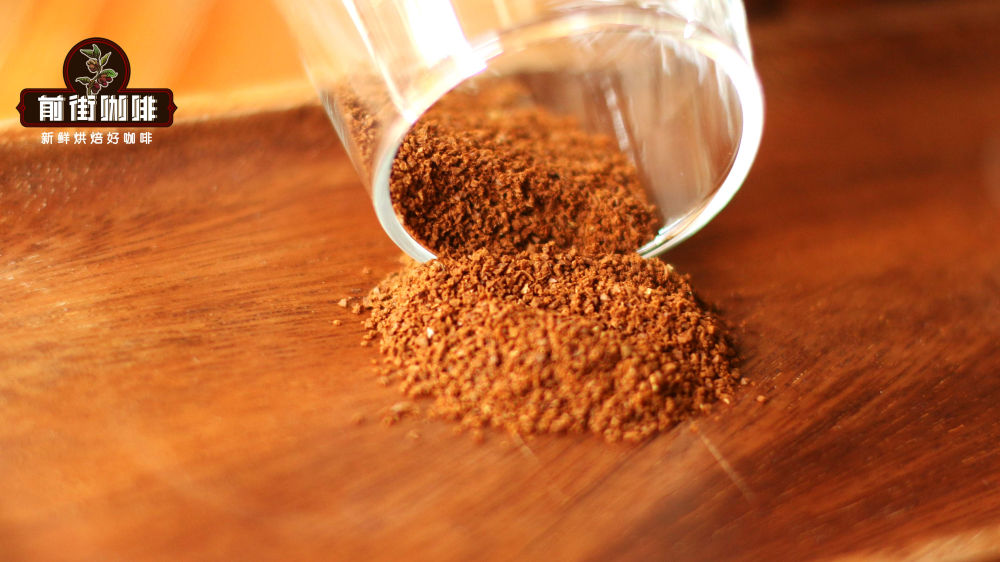
Front Street Latte flavor description
The espresso bean currently used by Front Street Coffee is a blend, made by combining Honduras Sherry barrel fermented beans with Ethiopia Yirgacheffe Red Cherry Project sun-dried coffee beans. The espresso made with this bean, when paired with milk, presents a distinct rum chocolate flavor, with prominent sweetness, a long finish, and high cleanliness, making it very suitable for friends who prefer wine-like aromas.
2. Fine: suitable for drip bags
Fine grounds are suitable for drip bag coffee. Many people think that because part of a drip bag is immersed in water, coarser particles should be used. Actually, that is not the case; the drip bag is made entirely of filter paper, so the flow rate is already fast to begin with.
Front Street Coffee staff are often asked by customers whether drip bags need blooming, so they conducted six comparison experiments using Costa Rica Geisha Blend Strawberry Candy drip bag coffee.
Costa Rica Geisha Blend Strawberry Candy
Country: Costa Rica
Region: Tarrazu
Altitude: 1500-1800 meters
Processing method: honey process + washed
Grade: SHB
Varieties: Geisha, Caturra, Catuai
Front Street Coffee used two methods, drip-filter style and immersion style, testing respectively with center pouring, one-pour flow, and staged extraction.
No blooming
Drip-filter style center pouring
Parameters: 1:15; water temperature 91°C; 10g/bag; extraction time 1 minute; total brewing water 150g
Flavor: berries, nuts, chocolate, cane sugar, orange; the overall flavor is very light, with a clean mouthfeel.
Immersion style center pouring
Parameters: 1:15; water temperature 91°C; 10g/bag; total extraction time 2 minutes; total brewing water 150g
Flavor: citrus, cream, brown sugar, chocolate, plum, berries, orange; has a juicy feel, with a relatively light mouthfeel.
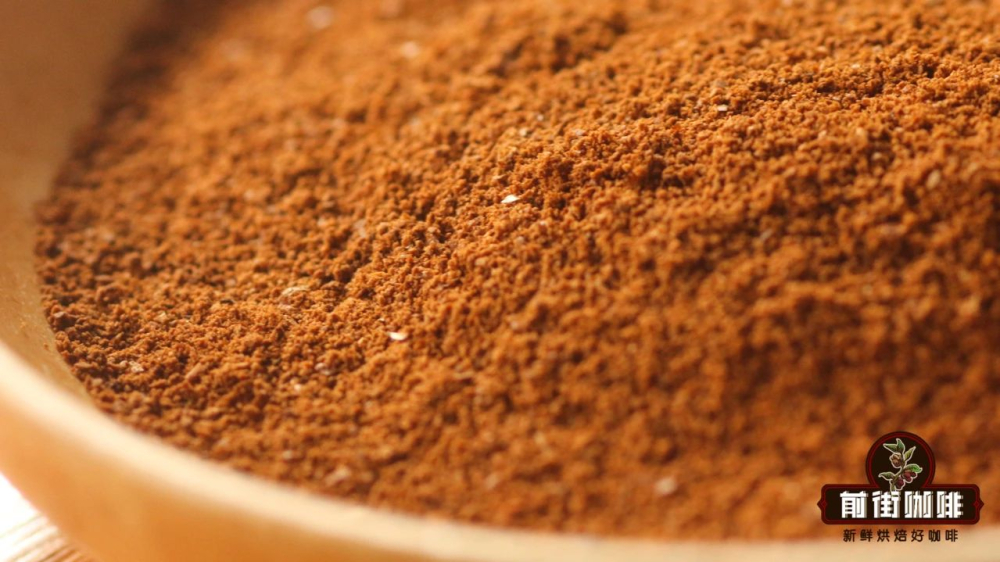
Blooming
Drip-filter style: one-pour flow
Parameters: 1:15; water temperature 91°C; 10g/bag
Technique: pour 26g of water and bloom for 30 seconds, then pour to 150g and stop; time 1 minute 34 seconds.
Flavor: oolong tea, berries, fermented fruit aroma; the overall acidity is soft, and the citrus sweet-and-sour note is obvious in the finish.
Immersion style: one-pour flow
Parameters: 1:15; water temperature 91°C; 10g/bag
Technique: pour 20g of water and bloom for 30 seconds, then pour to 150g and stop; time 2 minutes 00 seconds.
Flavor: chocolate, nuts, almond, caramel, floral, peach; after the temperature drops slightly, there is the sweetness of orange.
Drip-filter style staged pouring
Parameters: 1:15; water temperature 91°C; 10g/bag
Technique: bloom with 20g of water for 30 seconds, then pour to 100g; when the coffee bed appears, pour again to 150g; time 1 minute 40 seconds.
Flavor: sweet orange, black tea note, orange, grapefruit, plum, woody, nuts, chocolate, cream; the flavor layers are distinct.
Immersion style staged pouring
Parameters: 1:15; water temperature 91°C; 10g/bag
Technique: bloom with 25g for 30 seconds, then pour to 100g; when the coffee bed appears, pour again to 150g; time 2 minutes 00 seconds.
Flavor: almond aroma on entry, chocolate, hazelnut, plum, caramel, oolong tea; the mouthfeel is relatively mellow and full.
Flavor descriptions vary from person to person and are also affected by water temperature and extraction method. The above experiments are intended for sharing and are for reference only. Front Street Coffee believes that although drip bags are simple and convenient, if you want to extract a cup of coffee with relatively complete and rich layers, it is still recommended to bloom. If you really do not want the trouble, you can also use the immersion-style no-bloom approach.
3. Medium-fine: suitable for light-roasted beans
Medium-fine is close in coarseness to fine granulated sugar (the most common white sugar in supermarkets, a slightly larger particle size). Pour-over grind size usually ends up in the medium-fine range. Because medium-fine is used extremely often, if you love coffee, you should repeatedly experiment with your own grinder to find the medium-fine level that suits you best.
Front Street Coffee selected Panama Boquete Geisha for this brewing demonstration. This bean is SHB grade (extremely hard bean, high density, suitable for medium-fine grinding and brewing, based on an 80% pass rate through a Chinese standard No. 20 sieve).
Panama Boquete Geisha coffee beans
Region: Boquete, Chiriqui
Altitude: 1500–1800 meters
Variety: Geisha
Grade: SHB
Processing method: washed
Brewing suggestions
For brewing parameters, it is recommended to use a V60 dripper, 90°C water temperature, 15g dose, and a 1:15 coffee-to-water ratio, with grind size based on an 80% pass rate through a Chinese standard No. 20 sieve.
Brewing technique
Front Street Coffee uses staged extraction: bloom with 30 grams of water for 30 seconds, pour in a small stream in circles to 125 grams and pause, then when the water level drops and is about to expose the coffee bed, continue pouring to 225 grams and stop, and when the water level drops again and is about to expose the coffee bed, remove the dripper (timing starts from the beginning of blooming); extraction time is 2 minutes 00 seconds.
Flavor description: the dry aroma has obvious tropical fruit, fermented aroma, and sweet spice notes; when wet, it gives off aromas of berries and honey; on entry there are strawberry, tropical fruit, and fermented wine notes, with honey and cocoa in the finish; the overall mouthfeel is smooth, the flavor layers are distinct, and the sweet aftertaste is obvious.
4. Medium: suitable for medium-roasted beans
Medium is roughly equivalent to coarse granulated sugar (the largest particle size white sugar you can find in supermarkets; most of the time it is this coarseness). Medium is slightly coarser than medium-fine, but far from reaching the particle size of coarse.
Beginners are advised to first practice pour-over with medium grounds, because grinding medium does not easily produce extra-fine powder, and it is also less likely that unstable water flow in the early stage will cause a large amount of water to accumulate in the dripper and soak the coffee grounds, resulting in over-extraction. In addition, because personal tastes differ, you can experiment more between medium and fine to find the coarseness that suits you.
How should medium-roasted beans be brewed? Front Street Coffee takes Brazil Queen Estate coffee as an example.
Brazil Queen Estate
Region: Mogiana, Sao Paulo State
Estate: Queen Estate
Altitude: 1400-1950 meters
Variety: Yellow Bourbon
Processing method: sun-dried
The purpose of medium-roasted coffee beans is to retain some sweet-and-sour notes while also bringing out nutty flavors. When brewing, a slightly coarser grind than for light roast is used, and the water temperature is also appropriately lowered.
Generally speaking, the higher the roast level, the looser the texture of the coffee beans (continuously releasing substances during roasting), and the more water-absorbent they are. In order to avoid extracting burnt, bitter, and astringent off-flavors, you should correspondingly coarsen the grind and lower the water temperature when brewing.
Brewing suggestions:
Dripper: KONO
Water temperature: 88°C
Dose: 15g
Coffee-to-water ratio: 1:15
Grind size: medium-fine grind (ek43s grinder setting 10.5)
Brewing technique
Staged extraction
Bloom with 30 grams of water for 30 seconds, pour in a small stream in circles to 125 grams and pause, then when the water level drops and is about to expose the coffee bed, continue pouring to 225 grams and stop, and when the water level drops and is about to expose the coffee bed, remove the dripper (timing starts from the beginning of blooming); extraction time is 2 minutes 00 seconds.
Flavor description
The taste has obvious sweetness, with a faint lemon aroma, contains rich nutty flavors, and shows obvious dark chocolate notes in the finish; the overall impression is relatively rounded.
5. Coarse: suitable for medium-dark roasted beans
Coarse is larger than coarse granulated sugar but smaller than yellow sugar. Coarse is suitable for siphon pots and French presses; under high-temperature extraction it is less likely to extract bitterness, but it also must not be ground too coarse, otherwise under-extraction will lead to a thin taste. Dark-roasted coffee beans are meant to highlight their rich chocolate flavor; when brewing, a coarser grind than for light roast is likewise used, and the water temperature is also appropriately lowered.
Front Street Coffee uses Indonesian Golden Mandheling coffee as an example for brewing.
Indonesian Golden Mandheling
Region: Sumatra
Company: PWN
Altitude: 1100-1600mm
Variety: Typica
Processing method: wet-hulled process
Brewing suggestions:
Dripper: KONO
Water temperature: 88°C
Dose: 15g
Coffee-to-water ratio: 1:15
Grind size: medium-fine grind (BG#6W)
Brewing technique
Staged extraction
Bloom with 30 grams of water for 30 seconds, pour in a small stream in circles to 125 grams and pause, then when the water level drops and is about to expose the coffee bed, continue pouring to 225 grams and stop, and when the water level drops and is about to expose the coffee bed, remove the dripper (timing starts from the beginning of blooming); extraction time is 2 minutes 00 seconds.
Flavor description
Layered and varied, mellow and clean, highly balanced, with a strong woody fragrance, rich malt and caramel aromas, fruity notes, and a lasting finish.
Front Street Coffee tip
In the process of grinding coffee, the least useful reference is precisely the setting itself. Different grinders have different setting standards, and even with the same grinder, differences in burr calibration can cause the same setting to produce different coarseness. Therefore, Front Street Coffee believes that rather than copying someone else's pour-over grind setting parameters, it is better to understand for yourself how different brewing methods and different coffee beans should correspond to coffee grounds coarseness; the key is still to experiment more.
The importance of grind uniformity
Front Street Coffee would also like to remind you of one more point: the ground particles should be uniform. After coffee beans are ground, the distribution of particle size is closely related to the quality of the coffee beverage. The more the particle size is concentrated within the target range, the more uniform the grind, and the better the flavor it can present. If there are too many coarse particles, the good flavors hidden deep inside the coffee are not easily extracted; if there are too many fine particles, it is easy to brew coffee that tastes too muddy and too bitter. However, an appropriate amount of unevenness can instead bring layering, so extraction time needs to be controlled properly.
For more specialty coffee beans, please add the private WeChat of Front Street Coffee, WeChat ID: kaixinguoguo0925
The above content is compiled by CoffeeHunters, a coffee news website.


