







Search Results for: grinder retention

Why Does a Quantitative Coffee Grinder Still Need Dosing by Weight? Analyzing How Hopper Pressure, Retention, and Grind Adjustment Affect Output Weight
Many coffee enthusiasts wonder: since a quantitative grinder can set the output weight or time, why weigh the grounds again after grinding? This article explains the reasons why quantitative grinders still produce errors from four aspects: hopper pressure changes, differences in coffee bean gaps, the influence of residual grounds, and output fluctuations after adjusting the grind. At the same time, combined with Front Street Coffee's actual usage experience, it explains that re-weighing the grounds is not only to ensure accurate grams and avoid affecting extraction, but also to facilitate timely adjustment when flavor deviations occur. What the quantitative function truly saves is operating time, rather than completely replacing the weighing step. [more…]
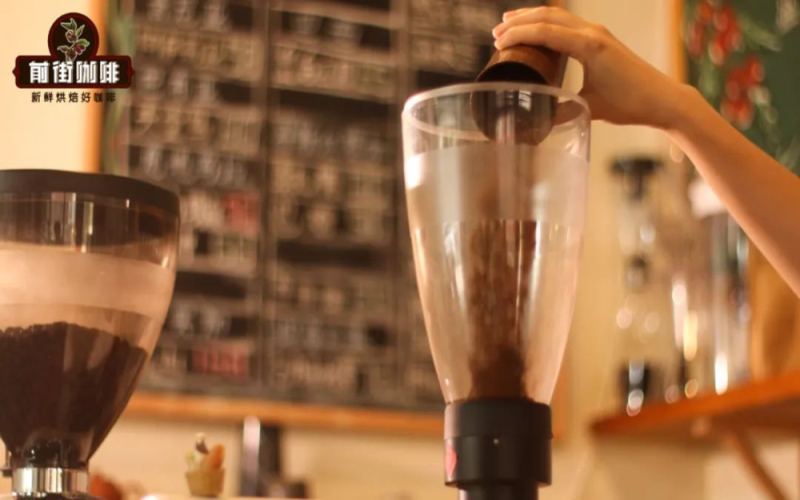
What Damage Does Double Grinding Do to a Coffee Grinder? A Full Analysis of the Differences Between Electric and Hand Grinders
In coffee competitions, double grinding was once seen as a means of precisely controlling particle size, but the actual practice is far from simple. Sending coffee grounds through the grinder again not only multiplies the amount of fines, but also worsens the "retention" problem—especially in electric grinders, where it can leave a large amount of grounds behind, making cleanup time-consuming and laborious. This article uses Front Street's experimental data to analyze in detail the impact of double grinding on the grinder, compares the differences between electric and hand grinders in this process, and offers alternative extraction adjustment solutions to double grinding, helping you improve extraction efficiency without disassembling your machine. [more…]
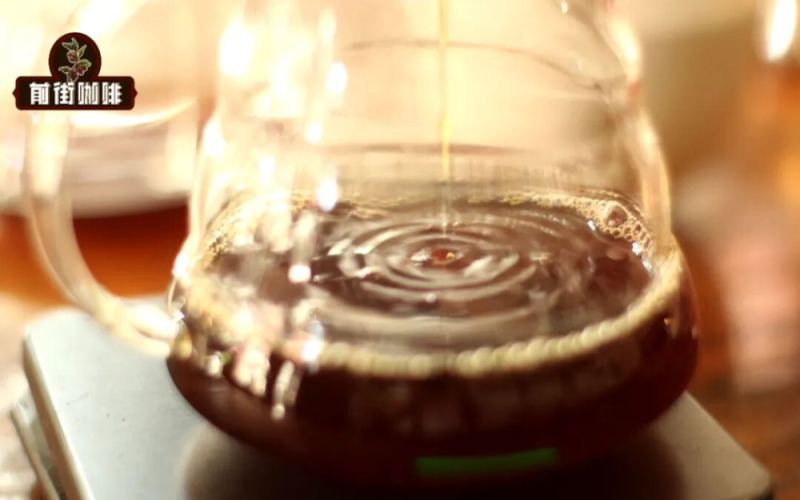
Analysis of Three Common Issues in Winter Pour-Over Coffee: Water Temperature Control, Equipment Heat Retention, and Static Clumping Management
In the depths of winter, the consistency of pour-over coffee often faces more challenges. Lower room temperatures cause water to lose heat faster, chilly equipment quietly alters the extraction rhythm, and static electricity from dry air makes coffee grounds clump and causes frequent issues with grinders retaining grounds. As Front Street Coffee, deeply rooted in the coffee field, we've combined in-store experience with customer feedback to identify the three most common situations encountered in winter brewing, and provide practical, actionable solutions—including how to adjust water temperature, how to keep equipment warm, and simple tips for dealing with static clumping—to help you brew consistently good flavor even in the cold season. [more…]
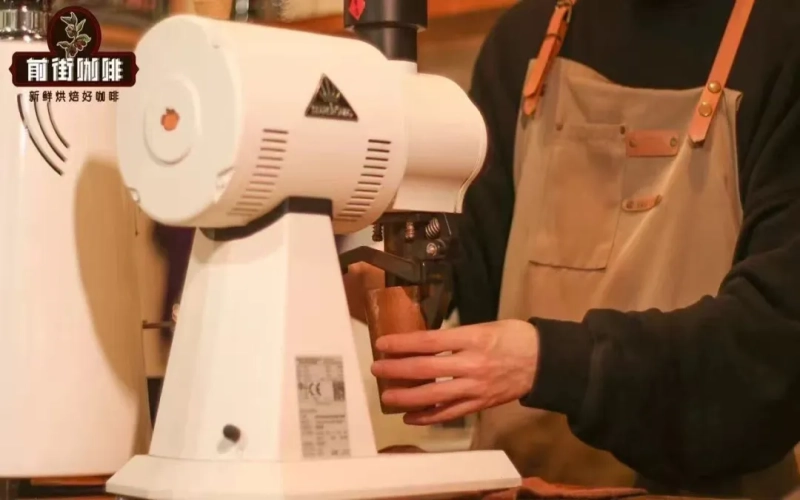
What to Do If Your Pour-Over Coffee Is Ground Too Coarse? The Pros and Cons of Re-Grinding and Practical Solutions for Adjusting Parameters and Brewing Directly
If you accidentally grind your coffee too coarse while making pour-over, can you pour it back into the grinder and grind it finer? This is what's known as re-grinding. Although it's used in professional competitions to improve particle uniformity, it also brings two major problems: an increase in fines and grinder retention. Through experiments, Front Street Coffee found that after re-grinding, nearly 20 grams of grounds might be reduced to only about 13 grams—a shocking loss. If you don't have tools like a bellows, you might want to try a different approach: directly adjust parameters such as water temperature and pouring method, and use the coarser grounds to brew a good cup of coffee. This article uses Panama Elida Anaerobic Natural Catuai as an example to share a specific brewing plan, so you can handle unexpected situations with ease. [more…]
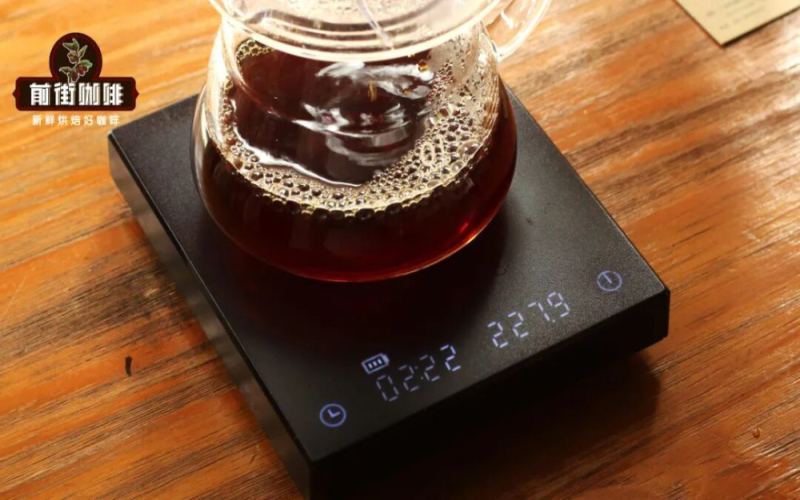
Pour-over coffee draining slowly or taking too long to extract—what to do? Find out the causes of water pooling and practical adjustments.
In pour-over coffee, extraction time is often the most difficult variable to control. Many coffee enthusiasts, when brewing at home, have encountered the situation where hot water is slow to drain through and the time gets dragged out. To avoid over-extraction, some people remove the dripper early, but is this really effective? Starting from the brewing framework commonly used at Front Street, this article sorts out several main reasons for slow flow and water retention, including too many fines, improper pouring technique, and the characteristics of light-roasted beans, and offers corresponding solutions to help you improve your brewing performance without changing equipment. [more…]
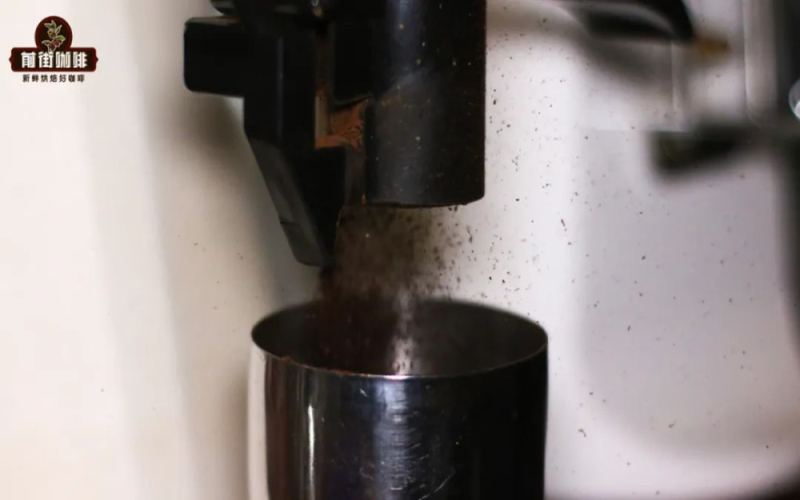
Why Does a Coffee Grinder Cause Flying and Sticking Grounds? Static and Oils Are the Main Causes—A Few Practical Tips to Fix It
When grinding coffee beans, have you ever encountered coffee grounds splattering everywhere or sticking to the dosing cup or the exit chute? There are usually two reasons behind this: the oils seeping out of dark-roasted beans, and static electricity in a dry environment. Dark-roasted beans have a loose structure, and as carbon dioxide is released, oils seep out along with it, making the ground particles prone to clinging to the cup walls; static electricity, meanwhile, causes fine particles to stick to the grinder's exit chute, reducing the actual amount of grounds you get. Some newer electric grinders come with anti-static plates, but many small electric grinders and hand grinders don't have this design. The Little Fuji grinder that Front Street Coffee once used had long-standing problems with flying grounds and retained grounds, and the bottom of hand grinder burrs often end up covered in coffee grounds. In addition to analyzing the causes, this article will also share a simple anti-static method of stirring coffee beans with a wet spoon, and remind you of the risks and precautions involved, helping you reduce waste and improve your grinding experience. [more…]
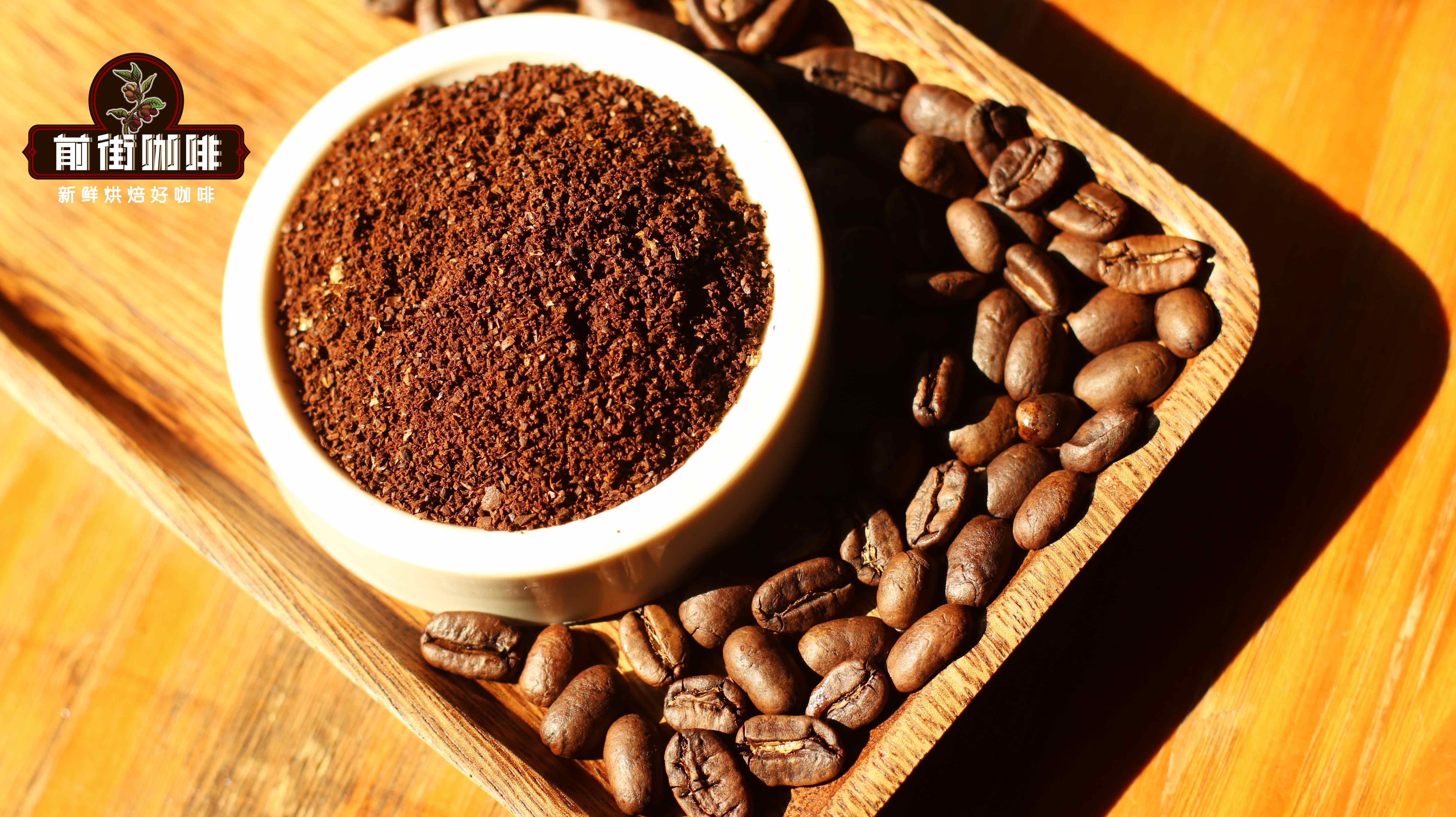
Key Points for Using a Coffee Grinder | Do You Need to Clean the Grinder Before Grinding Coffee Beans? What Should You Watch Out for When Using a Coffee Bean Grinder?
Many friends who originally used hand grinders have purchased an electric coffee grinder to grind coffee beans, with the aim of freeing their hands and no longer needing to go through the tedious grinding process. However, electric grinders are different from hand grinders, and there are many details to pay attention to when using them. If you are not careful, it is easy to shorten the life of the grinder and affect the grinding quality. [more…]
Light Roast Pour-Over Always Pools Water? Understanding the Relationship Between Density, Expansion, and Grind — and How to Fix It
Many coffee enthusiasts encounter a tricky problem when brewing light-roasted beans: near the end of the pour, the water level drops slowly, and a layer of water sits in the dripper that just won't finish draining. If you keep waiting, you risk over-extraction and bitterness; if you don't, you worry the flavor won't be complete. What was once a relaxing pour-over suddenly becomes stressful. In fact, water stalling with light-roasted beans isn't a problem with the beans themselves—it's the combined result of density, expansion, and grind size. This article breaks down the causes of stalling from these three angles and offers three actionable solutions: simply discarding the final phase of the pour, coarsening the grind while using higher temperatures and agitation, and sifting out ultrafines for reuse. Understanding the logic behind it matters more than memorizing parameters—next time you run into stalling, you can judge from the flavor whether adjustment is needed. Front Street Coffee also often advises: taste first, then adjust—don't rush to blame the beans. [more…]
A Complete Guide to Common Home Pour-Over Coffee Problems: Fixes for Stalling, Sudden Flow Changes, Off-Flavors, and Burnt Bitterness
Brewing coffee at home—when neither the equipment nor the beans are lacking, yet accidents still happen all too often: the final drawdown pools and drips endlessly, the flow rate suddenly speeds up at the same grind setting, sometimes it tastes great and sometimes it's rife with off-flavors, and the aftertaste carries a smoky, bitter char... Where exactly do these problems originate? Drawing on Front Street's hands-on experience, this article breaks down one by one the five most common extraction pitfalls in home brewing—from fine-particle clogging, the characteristics of anaerobic beans, and the effects of water quality to pouring technique and dark-roast parameter settings—to help you pinpoint the root cause and bring every pour-over cup closer to the ideal flavor. [more…]
Why Do Celebrities Prefer Iced Americano? A Guide to Making Iced Americano and Choosing Coffee Beans
Iced Americano has gained popularity among celebrities and coffee lovers in recent years. It not only refreshes the mind but also helps with weight loss and reducing water retention. So, what exactly is an Iced Americano? What are the nuances of its origin and preparation methods? And what kind of coffee beans should be chosen to make an Iced Americano? This article will take you through the definition of Americano, the evolution of espresso, and how to select blended coffee beans suitable for making Americano, from the professional perspective of Front Street Coffee. Whether you seek rich crema, a smooth mouthfeel, or floral and fruity aromas, you can find a suitable choice. Additionally, we will share the extraction parameters and water-to-espresso ratios for Americano to help you easily make a delicious Iced Americano. [more…]
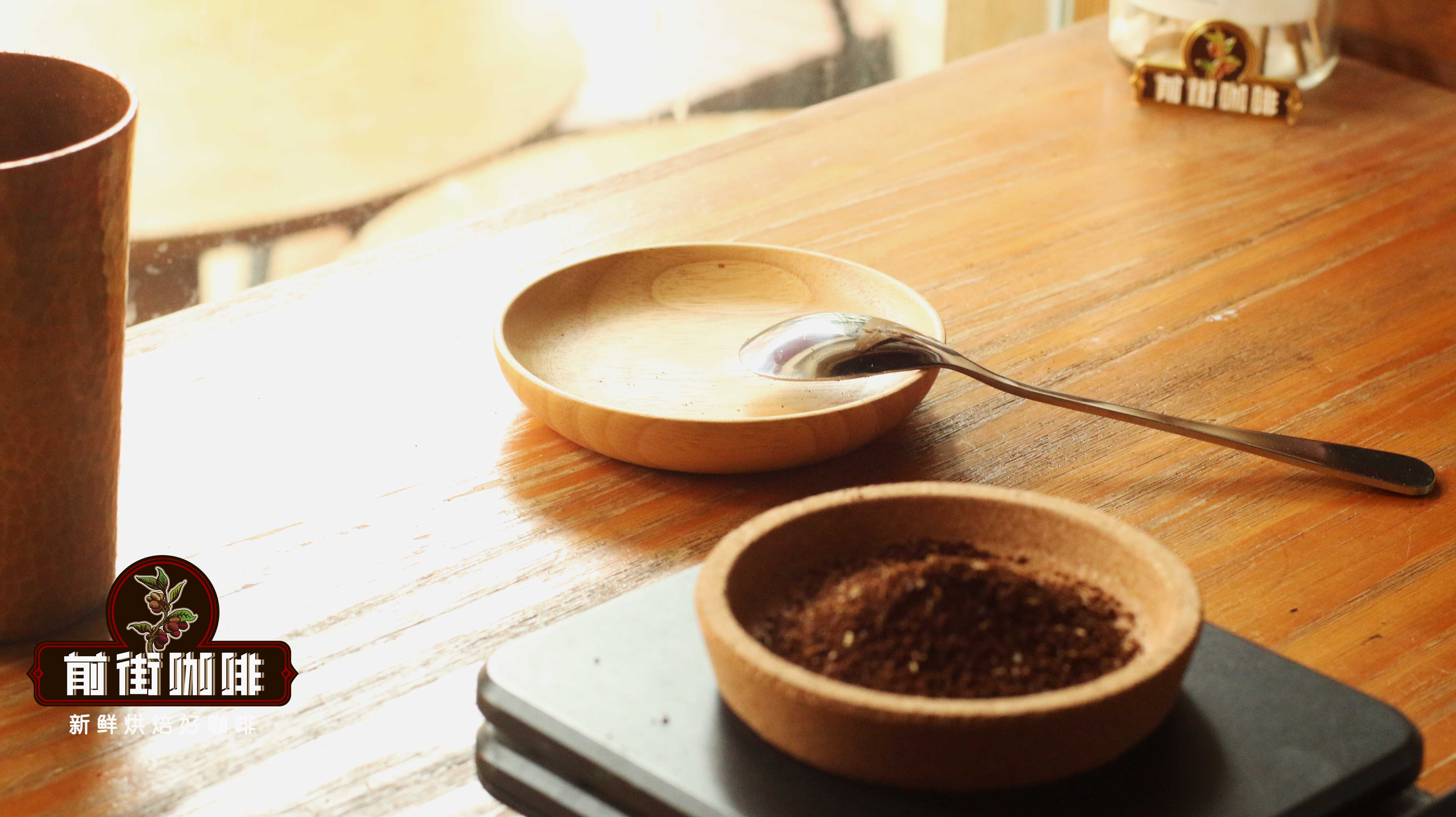
The Complete Guide to Cleaning and Maintaining Manual and Electric Coffee Grinders: Daily Cleaning and Deep Disassembly Essentials
Over time, home coffee grinders inevitably accumulate fine powder and oils in the burrs and the grounds chute, which not only affects the flavor of the next grind but may also shorten the machine's lifespan. This article systematically covers daily cleaning and deep maintenance methods for hand grinders and electric grinders, including simple handling after each use, when a thorough disassembly is needed, and how those who are not mechanically inclined can use cleaning powder to complete maintenance. The article also explains the "seasoning the burrs" technique before grinding to prevent flavor cross-contamination, and includes Front Street Coffee's recommendations on grinder selection and maintenance to help you keep your grinder in stable condition. [more…]
Freshly Ground Coffee Beans vs. Pre-Ground Coffee Powder: How to Choose? A Full Analysis of Flavor Differences, Buying Tips, and Storage Methods
In coffee consumption, a common yet crucial choice is this: should you buy whole coffee beans, or directly purchase pre-ground coffee powder? This decision directly affects the flavor performance, convenience, and shelf life of the coffee. This article will systematically compare the pros and cons of coffee beans and coffee powder from the perspectives of aroma retention, oxidation rate, and freshness assessment, and offer purchasing suggestions for different scenarios. At the same time, the article will also share the proper storage methods for coffee beans and coffee powder, helping you find a balance between convenience and quality, so that every cup of coffee can present its ideal state. [more…]

What Are the Similarities and Differences Between Drip Coffee and Pour-Over Coffee? A Full Analysis from Brewing Principles to Front Street Coffee's Practical Parameters
Drip coffee was the most common coffee brewing method worldwide before espresso became popular, and pour-over coffee is precisely the most representative member of the drip coffee family. This article starts from the origin and principles of drip coffee, compares it with espresso in terms of concentration, flavor retention time, suitable bean types, and grind size, and breaks down in detail the impact of water temperature on extraction results. Using the V60 and KONO drippers as examples, Front Street Coffee provides specific brewing parameters and staged extraction techniques for light-roasted and medium-dark-roasted beans respectively, helping coffee enthusiasts consistently reproduce their ideal flavors at home. [more…]

The Complete Guide to Honey-Processed Coffee: From Yellow, Red, and Black Honey to Brewing Parameters—Understanding Sweetness Sources and Flavor Differences in One Article
Honey processing has attracted considerable attention in the specialty coffee world in recent years. Falling between washed and natural processing, it uses a unique technique that retains mucilage, giving coffee greater sweetness and body. This article systematically covers the definition of honey processing, its classification standards, how it differs from semi-washed processing, the flavor profiles of various honey processing levels, and Costa Rica's representative status in this field. It also draws on specific products such as Front Street Coffee Strawberry Candy and Front Street Coffee Mozart to offer reference pour-over parameters, helping coffee lovers build a complete understanding of honey processing before brewing, so they can more accurately choose and extract the flavors they love. [more…]
How to store and use pre-ground coffee powder? A full analysis of flavor shelf life after grinding and brewing precautions.
Many people know that pre-ground coffee powder is not as aromatic as freshly ground coffee, yet they still choose to have it ground for them, and there are actually quite a few practical considerations behind this. Pre-ground powder saves the trouble of buying a coffee grinder, is portable and labor-saving, and the professional grinders at coffee shops usually provide a more uniform grind. However, once coffee beans become powder, their peak flavor period is greatly shortened, and the way they are stored and used changes accordingly. From Front Street's perspective, this article sorts out the major advantages of pre-ground powder and explains in detail the key points to note when using pre-ground powder, such as stirring and sealing, to help you enjoy a more satisfying cup within the limited flavor window. [more…]
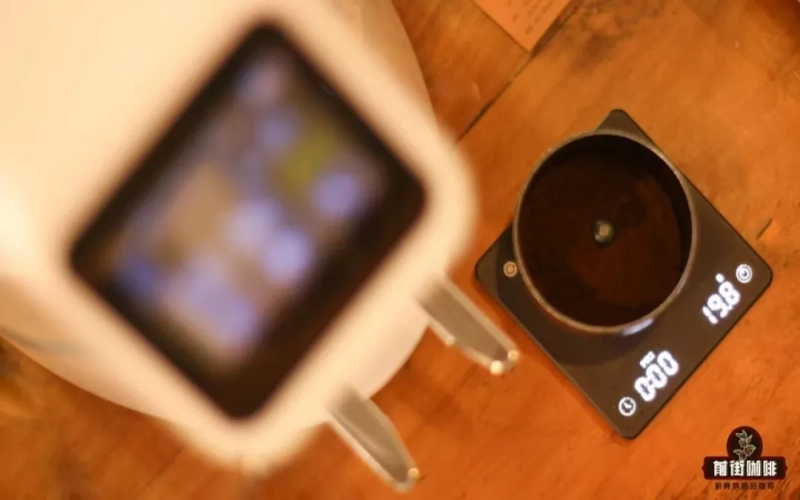
What difference does a 0.5g variation in espresso dose make to the extraction? Actual test data tells you
Many espresso grinders come with a dosing function: set the target weight in grams and it dispenses the grounds automatically, which seems to save you the trouble of weighing each dose. Yet plenty of coffee shops, Front Street Coffee included, still double-check the dose on a separate scale. The reason is that a grinder's dosing isn't always accurate—retained grounds in the chute, static and other factors mean the actual output often differs from the set value. So how much difference does a few tenths of a gram really make to an espresso? Front Street pulled two shots each at 19.5g, 20g and 20.5g and compared them. The results showed that both extraction time and extraction yield changed with the dose, and that mouthfeel and flavor differed noticeably too. Using measured data, this article explains how small dose adjustments affect espresso extraction, and why cafés need to pay attention to these details in the cup they serve. [more…]
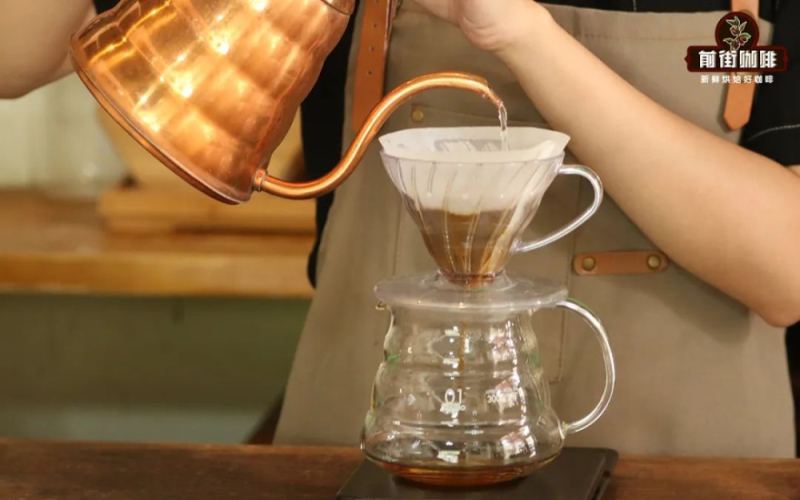
Guide to Consistent Pour-Over Coffee: Key Details from Parameter Execution to Filter Cup Preheating
The charm of pour-over coffee lies in its rich flavors, but it also puzzles many enthusiasts: why does the same beans and parameters produce a different taste every time? Front Street Coffee believes that it is nearly impossible to replicate two completely identical cups of coffee, but by controlling the details, it is entirely possible to make two cups sensorially indistinguishable. This article will start with four key steps—strictly executing brewing parameters, preheating the dripper and server, cleaning the grinder, and waiting for the drip to finish—to analyze in detail how to reduce unstable factors during brewing, helping you improve the stability and quality of your pour-over coffee. [more…]
Pour-Over Coffee Grind Size Self-Test Guide: From Spice Analogies to Blind Tasting Practice
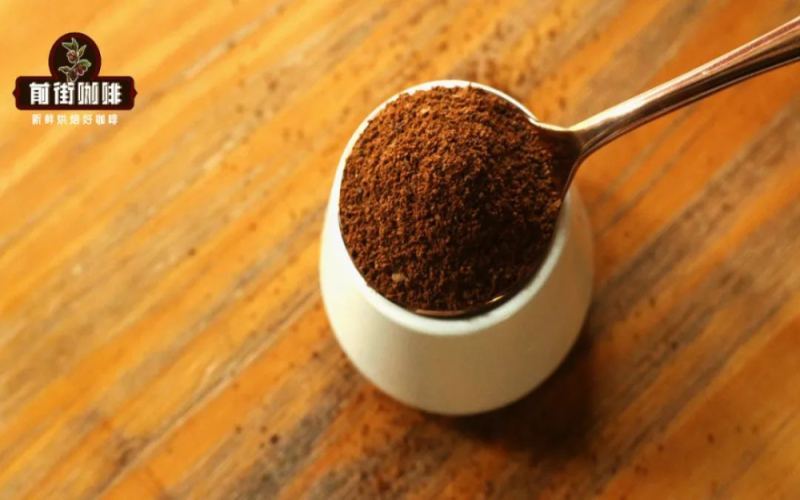
Among the many variables in pour-over coffee, grind size is often the hardest to describe precisely in words. Every enthusiast uses a different grinder, so when baristas communicate with customers, they usually have to rely on everyday seasonings as analogies. Although this approach has its limitations, it is an effective way to quickly establish a brewing framework. This article will systematically sort out the applicable scenarios for four grind reference points—fine salt, fine granulated sugar, coarse granulated sugar, and sea salt texture—and, using a natural-process red cherry coffee as an example with the MAVO Wizard 2.0 manual grinder, demonstrate how to gradually "blind-test" your ideal setting when faced with an unfamiliar grinder by observing the bloom pattern, drawdown time, and coffee grounds condition, helping you find your own cup of good coffee. [more…]

How Does Pour-Over Coffee Reveal Layering? Analyzing the Difference Between Layers and Layering, Plus Four Practical Techniques
Many coffee enthusiasts often mention the term "layering" during tasting, but what exactly is layering? How does it differ from plain "layers"? This article, from the perspective of Front Street, uses visual comparisons to help understand the meaning of layering, then returns to coffee tasting to analyze the manifestations of rich layering and two typical cases of lacking layering. At the same time, Front Street will share four practical methods, including coffee bean selection, fines retention, staged pouring, and adjusting the coffee-to-water ratio, to help you better present the layering of coffee during pour-over brewing. [more…]
Uncovering the Hidden Factors Behind Unstable Espresso Extraction: How Residual Grounds, Water Temperature, Pressure, Environment, and Chamber Pressure Affect the Flow
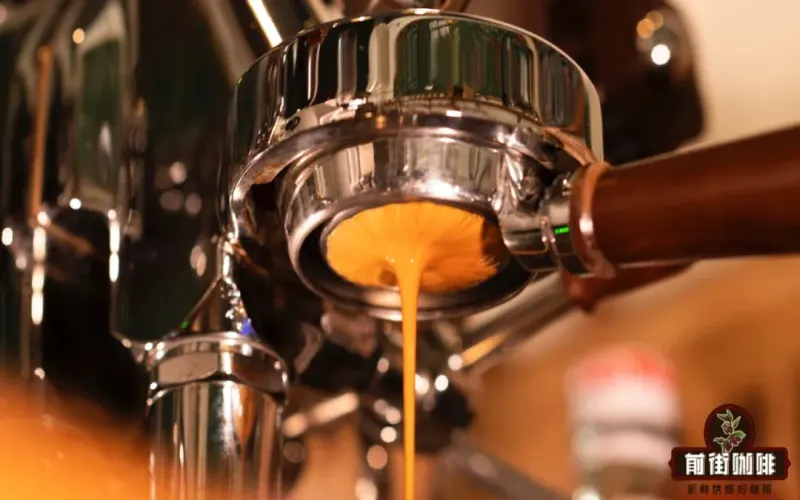
Many coffee enthusiasts will notice that with the same beans and the same machine, the flow rate of espresso can change every few hours or even every few dozen minutes, sometimes fast and sometimes slow. Beyond the aging characteristics of the coffee beans themselves, there are actually quite a few easily overlooked hidden factors influencing the extraction results, including residual grounds in the grinder's chute, temperature fluctuations in the espresso machine's hot water, the state of the pump pressure, changes in ambient temperature, humidity and air pressure, and whether the grinder's hopper pressure remains stable in a café setting. Front Street will analyze these factors' mechanisms of influence on espresso extraction one by one, and provide corresponding improvement solutions to help everyone reduce unnecessary adjustments and make their output more consistent. [more…]