







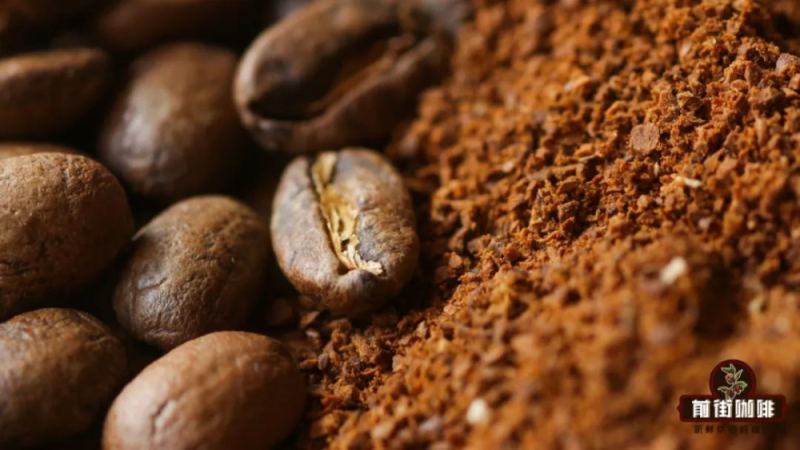
How long is coffee powder shelf life after grinding?
Coffee powder shelf life is short once beans are ground: the flavor window shrinks to days rather than weeks, because aromatics escape fast from the larger surface area. Pre-ground coffee keeps its practical advantages of no grinder, easy portability, and a more uniform grind from shop equipment. Store it sealed, cool, and dark, and finish the bag quickly.
Grind uniformity matters as much as the date. Shop grinders produce fewer fines than budget home grinders, and fines clog the bed and push extraction toward bitterness. Stir the brewed coffee powder before brewing to break up clumps, seal the bag after each scoop, and keep the batch small enough to use within its shortened shelf life.
Many people know that pre-ground coffee powder is not as aromatic as freshly ground, yet they still choose to have it ground for them. There are actually quite a few practical considerations behind this. Pre-ground powder saves the hassle of buying a grinder, is portable and labor-saving, and the professional grinders at coffee shops usually provide a more uniform grind. However, once coffee beans are turned into powder, the flavor window shrinks dramatically, and the way it is stored and used changes accordingly. This article, from Front Street's perspective, sorts out the major advantages of pre-ground powder and explains in detail the key points to note when using pre-ground powder, such as stirring and sealing, to help you get a more satisfying cup within the limited flavor window.
But many friends may wonder: everyone knows that coffee brewed from pre-ground powder is not as aromatic as freshly ground, so why are some people still willing to buy pre-ground powder?
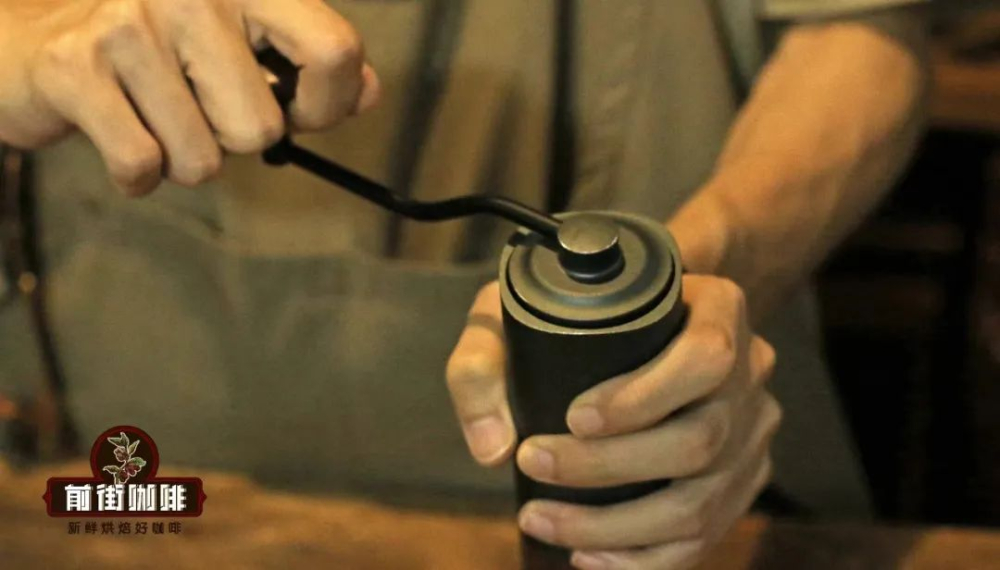
The reason is actually quite straightforward—pre-ground powder has its own set of advantages. Apart from a shorter flavor retention time and slightly weaker aroma expression, pre-ground powder brings plenty of convenience. Now let Front Street talk about what advantages pre-ground powder actually has. What are the advantages of pre-ground powder? Saves effort and trouble: Convenience is the most prominent point of pre-ground powder. Some friends neither want to keep a grinder at home nor carry equipment when out and about. Even with a hand grinder, grinding continuously makes your arm sore, costing both time and energy.
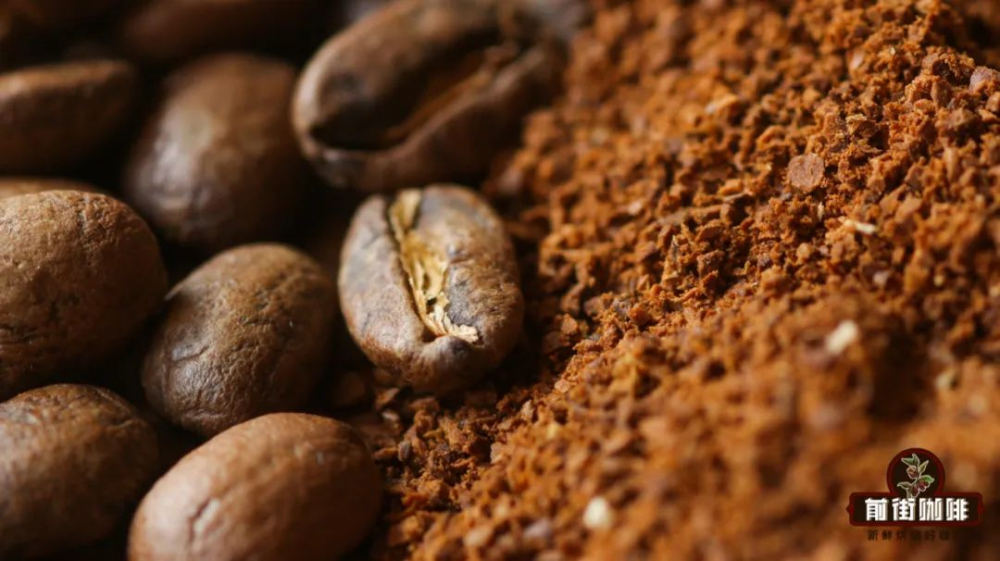
Pre-ground powder saves all this trouble—easy to carry, no effort needed during brewing. This can be said to be the primary benefit of pre-ground powder. More uniform grind: The importance of a grinder is second only to the coffee beans themselves; its quality directly affects the uniformity of the ground particles and the flavor direction of the final cup. Many people turn to pre-ground powder because their own grinder produces too many fines, which easily cause clogging and thus over-extraction. Coffee shops, when grinding for customers, generally use better-performing grinders, producing more consistent particle sizes. So rather than drinking a bitter, over-extracted cup, it is better to slightly increase your drinking frequency and finish the pre-ground powder within its short flavor window, and the problem is solved.
From this we can see that pre-ground powder indeed has many benefits. But if you really want to seriously appreciate the flavor layers of coffee, Front Street still recommends getting a high-performance grinder—grinding fresh and brewing immediately is the best choice. Also note that after coffee beans are ground into powder, it is not only the flavor window that is affected; its storage method and usage will also differ due to the change in form. So next, Front Street will share some points to note when using pre-ground powder. 1. Stir evenly before use No matter what price range the grinder is, the ground coffee powder cannot be absolutely uniform. A bag of coffee powder contains both larger particles and finer particles. If we shake this bag of powder, or if the vehicle bumps during transport and vibrates the bag, the Brazil nut effect will begin to manifest. The Brazil nut effect causes the larger particles in the bag to gradually float to the top layer, while the fine particles settle to the bottom.
If we scoop powder directly without stirring first, the first scoop will be the large particles floating on top. Brewing with only large particles will make the coffee lack some layering. The deeper you go, the finer the powder, and the more fines there are, the easier it is to cause clogging, ultimately leading to over-extraction. So before use, it is best to stir a few times with a spoon to mix the fine powder at the bottom with the large particles on top evenly, and then brew. 2. Pay attention to sealing Although the flavor window is significantly shortened after grinding, this does not mean the coffee powder can be stored carelessly. Like coffee beans, light, high temperatures, oxygen, and humid environments all accelerate the loss of flavor. Therefore, when storing, try to use a sealed jar, or seal the bag tightly (portion it out if possible), and then place it in a cool, dry place. This way you can extend the flavor window of the coffee powder as much as possible, and we don't have to rush to finish it—effectively lengthening our enjoyment time.
- END -
The above content is compiled by CoffeeHunters, a coffee news website.


