








What Does Honey Processing Coffee Beans Mean in the Cup?
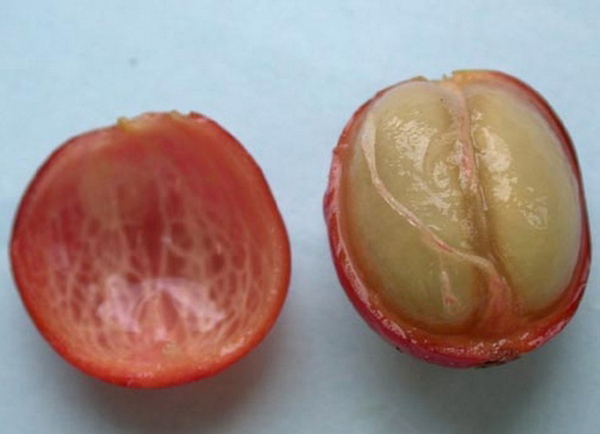
Honey processing, also called Honey Process or Miel Process, dries coffee beans in the sun with the mucilage layer still attached. After the fruit flesh is removed, a sticky gelatinous substance remains on the surface. The traditional washed method rinses it away with large amounts of water, but water-limited high-altitude regions turned to this direct drying approach instead.
At the same roast level, honey-processed coffee is sweeter and fuller in body than washed coffee, keeping the clean character of washed processing while trading some brightness for caramel-like sweetness. The method divides into yellow, red, and black honey based on how much mucilage is retained. Costa Rica, Panama, and Guatemala all use it. If coffee smells like soy sauce, that points to a different issue.
Honey processing has attracted considerable attention in the specialty coffee world in recent years. Sitting between washed and natural processing, it uses a unique pectin-retention technique to give coffee greater sweetness and body. This article systematically outlines the definition of honey processing, its classification standards, how it differs from semi-washed (pulped natural), the flavor profiles of different honey process levels, and Costa Rica's representative status in this field. It also draws on specific products such as Front Street Strawberry Candy and Front Street Mozart to offer reference pour-over parameters, helping coffee lovers build a complete understanding of honey processing before brewing, so they can more accurately select and extract the flavors they love.
What Is the Honey Process?
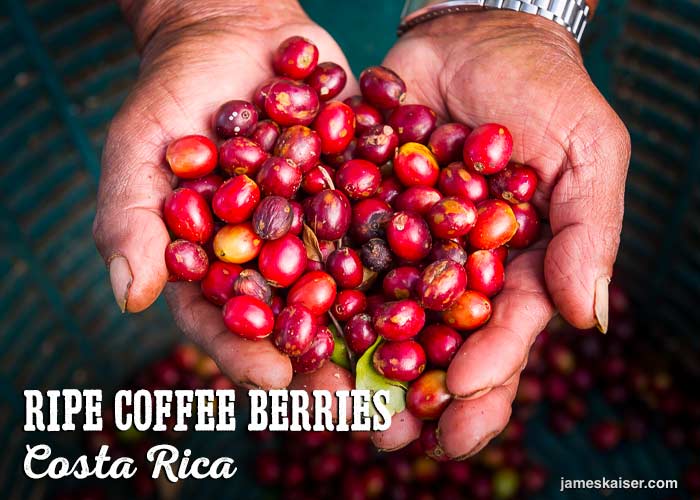
The honey process, known in English as Honey Process or Miel Process, is sometimes also called Honey Coffee. Coffee estates in producing regions such as Costa Rica, Panama, and Guatemala all use it. Simply put, honey processing is a method of making coffee by drying the beans in the sun with the mucilage layer still attached. After the outer flesh of the coffee fruit is removed, a sticky, gelatinous substance remains on the surface. The traditional washed method uses large amounts of water to rinse it clean, but some high-altitude producing regions are limited by water resources, so this direct drying approach emerged as a result.

What Makes Honey Processing Special?
Alongside the two traditional methods of washed and natural processing, honey processing stands out as unique in the field of coffee processing. In terms of mouthfeel, the difference between honey processing and washed processing is that, at the same roast level, honey-processed coffee is sweeter, richer in sugar content, and relatively fuller in body.
Honey processing allows coffee to retain the clean characteristics of washed processing, and although brightness is somewhat reduced, sweetness and a caramel-like mouthfeel are enhanced. Depending on the degree of honey processing, it can be further divided into yellow honey, red honey, and black honey.

If you want to experience the sweet style of honey processing, you can try Front Street Strawberry Candy and Front Street Mozart, two selected representatives. Front Street Strawberry Candy contains the Geisha variety, and when brewed it presents aromas of rose, grape, berry, and fruit gummy, with prominent sweetness and distinct layers;
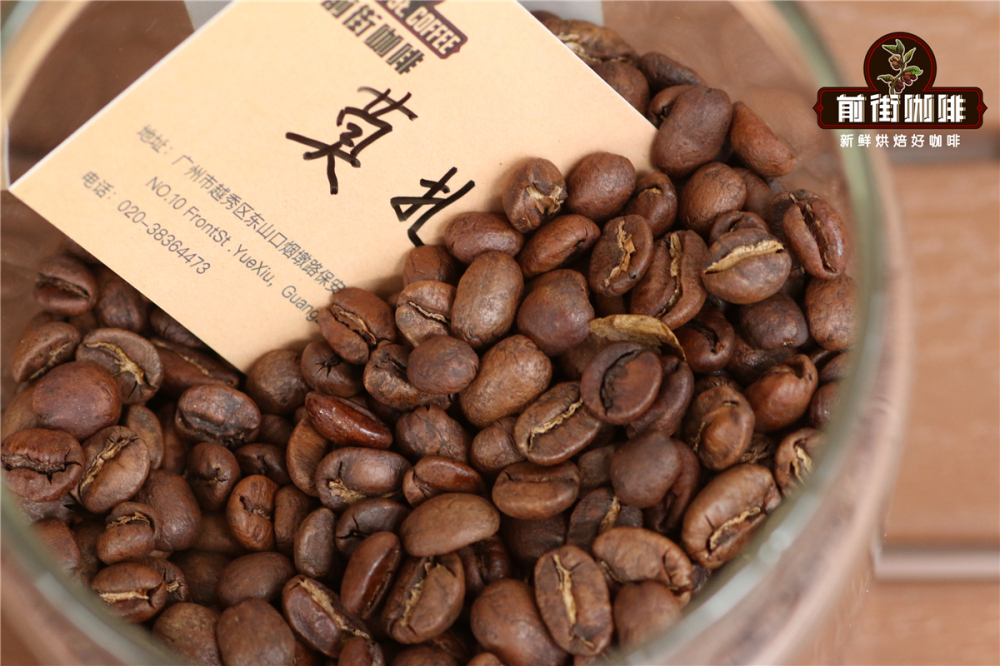
Front Street Mozart, meanwhile, adds a fermentation step on top of honey processing, producing the alluring flavors of dried raisins, pineapple, jackfruit, and other tropical fruits. Whether cold brewed or hot brewed, it displays refined aromas.
Subcategories of Honey Processing
According to Tim's green coffee company NordicApproch, as well as statements provided by Seattle Coffee and Origin Coffee in the United States, the categories can be summarized as follows:
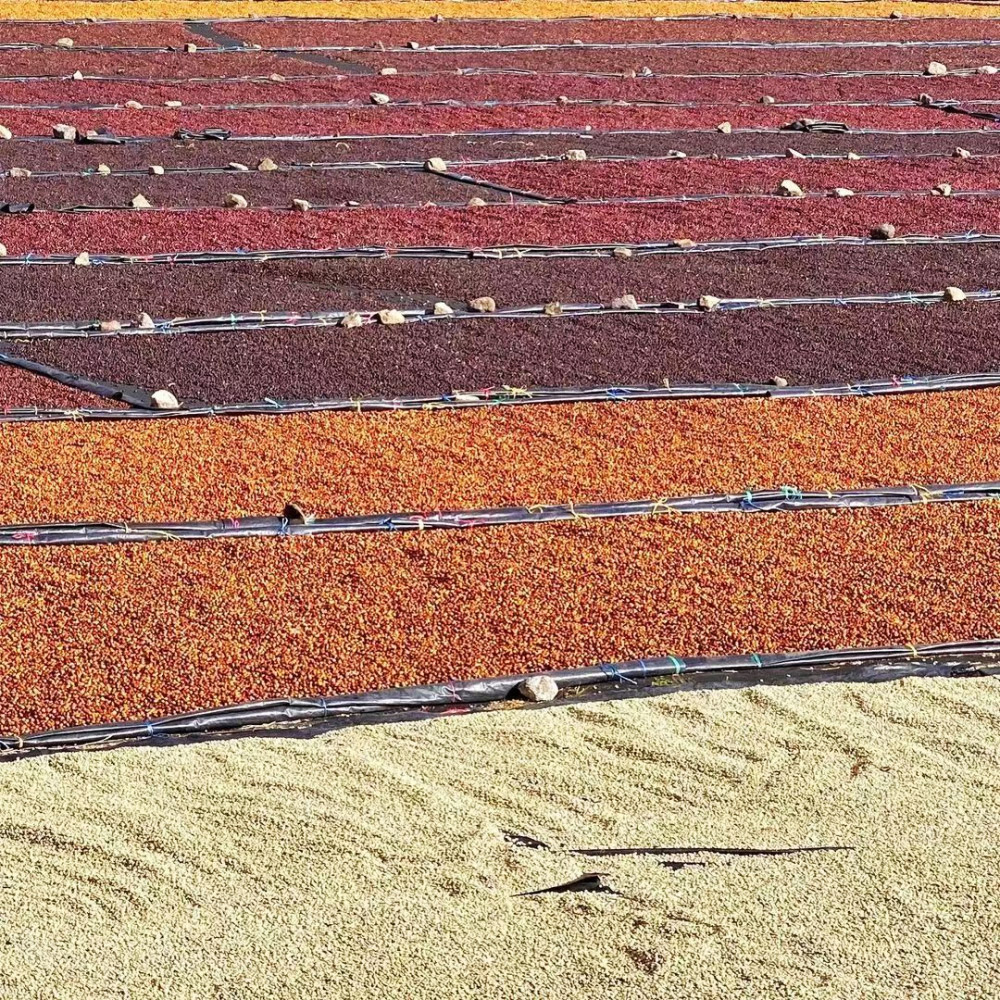
Yellow Honey: about 60% of the pectin is retained; the drying process requires the most direct heat absorption and receives the most sunlight, taking about 8 days to reach a stable moisture content.
Red Honey: about 75% of the pectin is retained; compared with yellow honey, the drying time is longer, direct sunlight is reduced, and shade netting may even be used, taking about 12 days.
Black Honey: nearly 80% of the pectin is retained; drying takes the longest, lasting at least 2 weeks, and covers are needed to avoid overly intense sunlight, prevent drying too quickly, and allow sugar transformation to be more complete.
Overall, the production process for red honey is considerably more difficult than for yellow honey, but the flavor layers have greater depth. On entry there is a slight wildness, which then transforms into a rich fruity sweetness, similar to the refined fermented aromas of the well-known Yirgacheffe natural beans Biloya and Aricha, leaving a deep impression.
The main difference between white honey processing and yellow honey processing lies in the thickness of the drying layer. The drying thickness determines the speed and evenness of drying, which in turn affects the coffee's sweetness and degree of fermentation.
Semi-Washed, Which Is Very Close to Honey Processing
Brazil's coffee fields stretch endlessly, and mechanical harvesting is mostly used for economic efficiency. When 75% of the fruit in a coffee field turns red, mechanical harvesting begins, followed by the same preliminary steps as washed processing: the cherries are moved into tanks to remove floating beans, the sinking beans are screened out, and then a large pulping machine removes the flesh, yielding pods covered in mucilage.
The next stage diverges from the washed method: the sticky pods do not need to be moved into tanks for fermentation, but are instead taken directly to outdoor drying patios. Because Brazil's climate is very dry, the sticky mucilage on the pods hardens in about a day. Then a large workforce is used to turn them over and over so the pods dry evenly inside and out, preventing moisture from returning and causing spoilage. In about two to three days, with the natural force of sunlight and the dry climate, the pods reach a certain degree of dehydration. They are then further dried with dryers until the moisture content drops to 10.5% to 12%, after which the pods are stored in specially made containers for about ten days for further aging to ensure stable quality. Before export, the parchment, that is, the pod, is milled off, the coffee beans are extracted, and they are graded and packaged.
The Difference Between Honey Processing and Semi-Washed
The biggest difference between honey processing and Brazil's semi-washed method is that honey processing does not touch a drop of water, because flawless red cherries must be selected for the pectin to be sweet. Compared with Brazil's large pulping machines for semi-washed coffee, the pectin removal machines used in honey processing have higher requirements and must precisely control the thickness of the pectin removed, much like a grinder. In Brazil's semi-washed method, the degree of pectin retention can only be fixed at around 60%, equivalent to the level of yellow honey.
The Benefits of Honey Processing
The benefit of honey processing is that it preserves the original sweet flavor of ripe coffee fruit to the greatest extent, giving the coffee a delicate brown sugar flavor and stone-fruit sweetness, while berry flavors also support a red-wine-like aroma. It is considered a very elegant production.
Regarding the discussion that honey-processed coffee from Central and South America lacks clear flavors and blindly pursues fermentation characteristics, cupping revealed that white honey and yellow honey coffees have none of the fermented, soy-sauce-like notes of traditional honey processing. While full of sweetness, their acidity and sweetness are instead more like an excellent washed coffee. This style of honey processing brings acidity similar to red berries and a refreshing, clean body.
Costa Rica and Honey Processing
Coffee beans produced in Costa Rica's high-altitude regions are renowned worldwide: rich, mild in flavor, but extremely acidic. The coffee beans here are all carefully processed, and it is precisely because of this that high-quality coffee is possible. Costa Rica is located south of San José, the capital of Tarrazú, and is one of the country's valued coffee-growing areas.
In order to strengthen its exports of high-quality coffee to Europe, the United States, Japan, and other countries, Costa Rica has vigorously developed high-quality coffee and increased the added value of its coffee exports. At the same time, the government established a coffee trust fund to help coffee estate owners facing difficulties get through financial hard times and cultivate high-quality coffee. To give coffee better quality and character, the honey processing method that became popular in recent years was adopted to change the reputation of formerly poor-quality coffee. Therefore, the Costa Rican specialty coffees we encounter now are all honey-processed beans carefully handled by their respective estates. However, ordinary naturally processed and washed coffees still exist; it is just that their quality and flavor are not as outstanding, so they are not traded as widely as honey-processed beans.
What Does Failed Honey Processing Look Like?
Failed honey-processed coffee carries a strong defective natural flavor, similar to the onion, durian, and fermented tofu notes of rough natural processing, and in more serious cases even an alcoholic or medicinal taste. Properly honey-processed coffee has soft acidity; if it is so sour on entry that it makes you pucker, it is not a good product either.
The first priority of honey processing is freshness. If more than 10 months have passed since production, the alluring fruity sweetness will be lost.
Is Honey Processing Sweeter or Is Natural Processing Sweeter?
Why is naturally processed coffee, which retains 100% of the fruit, seemingly not as sweet as honey-processed coffee? Because natural processing still retains the skin, and some microbial fermentation processes are not that deep, so the sugars may still remain in the dried fruit flesh.
Of course, every processing method has its own characteristics, and each year's climate also affects coffee flavor. Indeed, if you want a deeper understanding of the flavor differences among processing methods, drinking them directly is a very intuitive way.
What Are the Flavor Differences Among Costa Rica's Yellow Honey, Red Honey, and Black Honey?
Simply put: the more pectin retained, the richer and sweeter the final flavor of the coffee. Here are several honey-processed flavor comparisons from our coffee shop:
El Salar processing plant yellow honey flavor: lively citrus acidity, blackberry-like aroma, firm acidity and body, melon-like sweetness with a smooth mouthfeel, stone fruit and faint floral notes, and a finish with a pronounced coffee blossom aroma. It is a tasteful coffee full of Latin countryside character.
Tobosi Estate red honey flavor: honey, lime, orange blossom, white chocolate; good sweetness, soft fruit acidity, rounded and full, with a lasting finish.
Finca La Fany black honey process: roasted almond, creamy aroma, preserved plum acidity, honey-like sweet aftertaste, brown sugar finish, and a light, clean bitterness.
Their most obvious difference is that from yellow to red to black, each is sweeter than the last, with richer fruit notes as well. The biggest characteristic is a truly astonishing sweetness, with preserved plum, honey, and brown sugar in the finish.
Simple Summary:
Sweetness: black honey > red honey > yellow honey > white honey
Cleanliness: white honey > yellow honey > red honey > black honey
Balance: red honey/yellow honey > black honey/white honey
How Do You Brew Honey-Processed Beans?
What we call technique is not meant to adjust flavor, because flavor is determined by the coffee bean's producing region, processing method, and roasting method. Technique is meant to regulate the speed and proportion at which water passes through the coffee grounds, thereby adjusting how much or how little flavor is released. So whether the taste is good or bad inevitably depends on the following points:
1. The speed at which water passes through the coffee grounds (choice of equipment)
2. Water temperature
3. Grind size and condition
4. Roast level
5. Length of blooming time
Typical pour-over parameters: one serving, 15 g of grounds; grind size and water temperature are adjusted slightly depending on the roast.
1. Yellow honey (medium roast): Fuji Royal ghost burr grinder setting 3.5, water temperature 90-91°C, water-to-coffee ratio 1:14
2. Red honey (medium roast): Fuji Royal ghost burr grinder setting 4, water temperature 89-90°C, water-to-coffee ratio 1:15
3. Black honey (medium-light roast): Fuji Royal ghost burr grinder setting 3.5, water temperature 90-91°C, water-to-coffee ratio 1:14
The above content is compiled by CoffeeHunters, a coffee news website.


