







How Does Brazil's Coffee Grading System Work?
Brazil's highest coffee grade is NY2, not NY1. The Brazilian government considered the NY1 standard virtually impossible to meet consistently in actual production, so it removed the grade from practical use and made NY2 the top rating. Inspection agencies grade each lot by randomly sampling 300 grams of green beans for defects, bean size, and cup quality.
Unlike most Central and South American countries, which classify beans by altitude, Brazil rates coffee on four indicators: bean size, defect rate, cupping score, and flavor. Coffee bean grades such as NY2 SC-17/18 FC Cerrado also record screen size and cup profile, and top Cerrado lots deliver balanced cups with nutty and chocolate notes.
In the coffee-producing regions' grading systems, Brazil is a special case—its highest grade is not 1 but 2. Why does this happen? By what standards exactly are Brazilian coffees graded? Front Street Coffee takes you deep into Brazil's coffee grading system, breaking down the logic behind NY2 one by one, from defect rate and bean size to cup profile. At the same time, we'll also talk about the flavor characteristics of coffee from Brazil's Cerrado region, as well as the Brazil Cerrado and Front Street Brazil Queen's Farm Yellow Bourbon from the Front Street everyday drinking series, to see how these two top-grade Brazilian coffees actually perform.
Why is Front Street talking about this topic today? Because among the world's major coffee-producing regions, there is one place whose grading system is rather special—its highest grade number is 2, not 1. That place is Brazil.
The top grade for Brazilian coffee is designated NY2, not NY1. As for why NY1 is absent, the reason is that the Brazilian government believed it was virtually impossible to consistently meet NY1 standards in actual production, so they simply removed this grade from practical application and elevated NY2 to the top position.
Speaking of which, everyone must be curious about the basis for grading Brazilian coffee. Next, Front Street will lay out for you exactly what standards Brazilian coffee is graded by.
Brazil's Coffee Grading System
Front Street has mentioned before that most countries in Central and South America use the altitude grading method, which means classifying grades based on the elevation at which the coffee is grown. But Brazil takes a different path.
Because Brazilian coffee is generally grown at lower elevations, it cannot be graded by altitude like other producing countries. Instead, it uses four indicators: bean size, defect rate, cupping score, and coffee flavor.
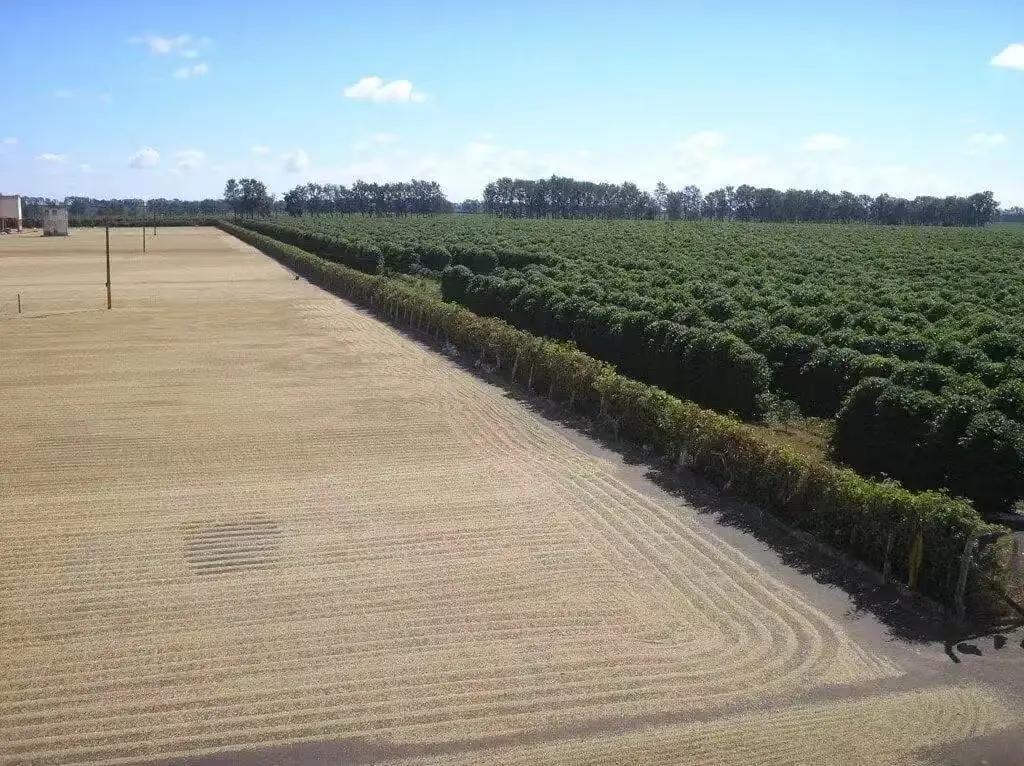
However, Brazil's coffee output is enormous and quality varies greatly, so local inspection agencies randomly sample 300 grams of coffee beans for testing, then grade them based on the defects, size, and cupping results of that batch of green beans. This is also a unique grading method that distinguishes Brazil from other producing countries.
After grading is completed, all the information is printed on the burlap sacks of coffee beans. For example, the Front Street Brazil Cerrado from the Front Street everyday drinking series has this printed on its sack: Brazil NY.2 SC – 17/18 FC Cerrado.
This string of characters contains information including producing country, defect grade, cup profile, screen size, flavor, and region. Breaking it down: this coffee comes from the Cerrado region of Brazil; its defect grade is NY2; SC is the abbreviation for Strictly Cerrado, which can be understood as a very smooth mouthfeel; the bean size is 17–18 screen; FC is the abbreviation for Fine Cup, indicating a high-quality cup profile.
That's right, "NY2" represents the defect grade of the coffee beans. This grading system originated from the Green Coffee Association of New York, which is why the grade prefix is "NY"—the abbreviation for New York.
This system uses a deduction method: in the 300 grams of sampled green beans, the more defective beans there are, the lower the grade; the fewer defective beans, the higher the grade. The reason the highest grade stops at NY2 is that, in the system's design, "NY1" requires that there be not a single defective bean among those 300 grams of coffee.
But as everyone knows, coffee beans are an agricultural product, and for 300 grams of beans to have not a single defect, while not absolutely impossible, the probability is extremely low. If such a grade were truly established, stable supply would be out of the question. Therefore, Brazil removed NY1 from practical application grades and set NY2 as the highest grade.
From the above, it can be seen that the fundamental reason Brazilian coffee has no "NY1" grade is that NY1 is too difficult to meet. Of course, Front Street is only briefly introducing Brazil's coffee grading system here—just a general understanding is enough, and there's no need to obsess over coffee bean grades.
Because, as Front Street often says, in the vast majority of producing regions, coffee bean grade is not directly linked to coffee taste, and coffee bean grade only exists at the green bean classification level. After roasters purchase green beans, they still carry out multiple rounds of screening to prevent defective beans from getting into their products and affecting their own quality.
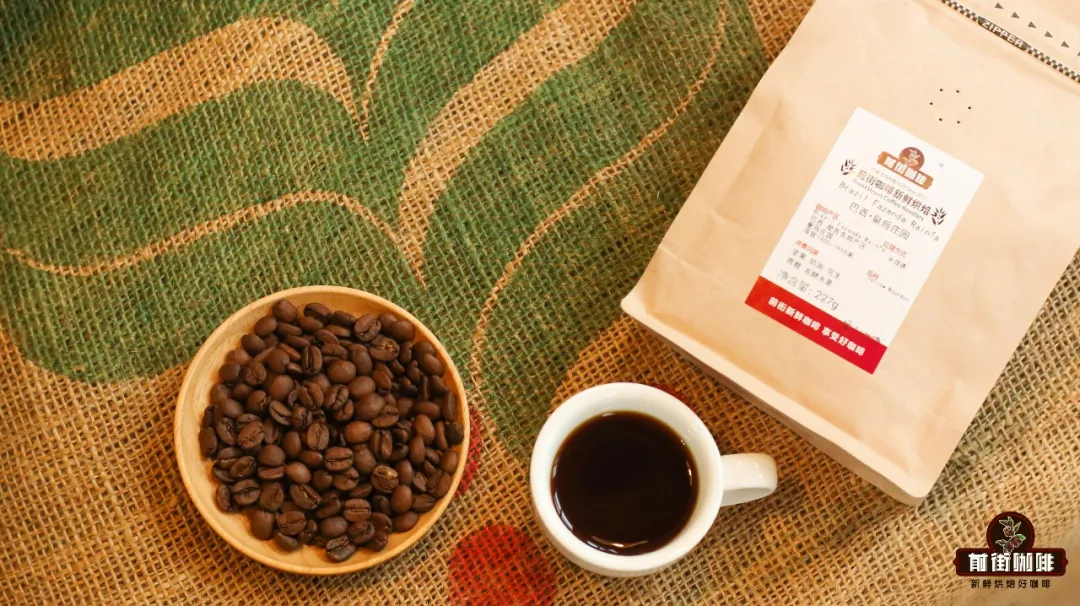
So it's still the same saying: as long as you choose a reliable vendor, there's no need to worry about coffee bean quality at all~ For example~~~~~Front Street Coffee.
The Front Street Brazil Cerrado and Front Street Brazil Queen's Farm Yellow Bourbon on Front Street Coffee's bean list are both outstanding examples among the highest-grade Brazilian coffees! They are high-quality coffee beans that Front Street selected after multiple rounds of cupping and roasting!
Both of these coffees are medium-dark roasted, and the brewed coffee has a very soft mouthfeel, balanced flavor, and almost no perceptible acidity. It drinks with notes of hazelnut, cream, and chocolate, with a strong sweet aftertaste and a long finish—performing very well~~
- END -
The above content is compiled by CoffeeHunters, a coffee news website.


