







Search Results for: golden extraction ratio
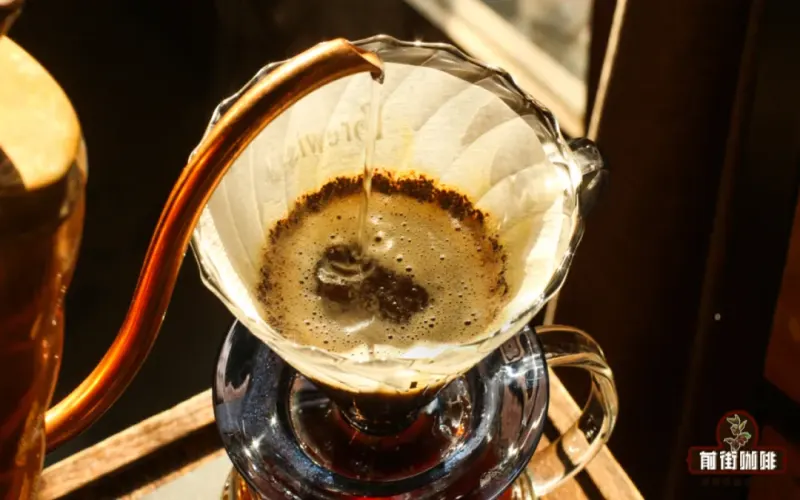
Why Is the 1:16 Pour-Over Coffee-to-Water Ratio Called the Golden Ratio? The Golden Cup Extraction Standard and Practical Parameters Explained
In discussions about pour-over coffee, the 1:16 coffee-to-water ratio is often dubbed the "golden ratio," so some friends are surprised that Front Street Coffee uses 1:15 in its daily routine. Behind this lies the Golden Cup extraction theory—Dr. Lockhart's research indicates that most people prefer coffee with a concentration between 1.15% and 1.35%, and an extraction yield between 18% and 22%. The Golden Cup extraction chart visually illustrates the relationship between coffee-to-water ratio, concentration, and extraction yield, and 1:16 happens to be a ratio that easily falls within the ideal range. However, the Golden Cup standard is only a reference, not an absolute rule: tastes vary from person to person—1:14 or even 1:10 suits those who prefer a strong brew, while 1:17 to 1:20 is better for those who enjoy a lighter taste. Front Street Coffee chooses 1:15 to make the flavors more concentrated and the mouthfeel more substantial, and it adjusts the water temperature and grind based on the roast level. This article will provide a complete analysis of the origin of the golden coffee-to-water ratio, the true meaning of Golden Cup extraction, and Front Street Coffee's specific brewing parameters for beans such as Huakui, Geisha, Queen's Estate, and Golden Mandheling. [more…]

Pour-Over Coffee Grounds-to-Water Ratio and the SCA Golden Cup Theory: Extraction Yield, Concentration Standards, and Common Misunderstandings
Brewing a good cup of coffee, the coffee-to-water ratio and extraction yield are core parameters that cannot be avoided. The SCA Golden Cup extraction theory gives an ideal range of 18%-22% extraction yield and 1.2%-1.45% concentration, but many enthusiasts easily misunderstand it as "as long as you copy the Golden Cup coffee-to-water ratio, you will definitely brew a good cup of coffee." This article starts with a simple calculation of the coffee-to-water ratio, guides you to understand the meaning of the Golden Cup extraction range, clarifies the boundary between over-extraction and under-extraction, and explains the true value of learning the Golden Cup theory—not rigidly sticking to a certain ratio, but using it to adjust brewing variables and more flexibly approach the flavor you want. Front Street Coffee also shares related products and brewing ideas in the article for coffee enthusiasts' reference. [more…]
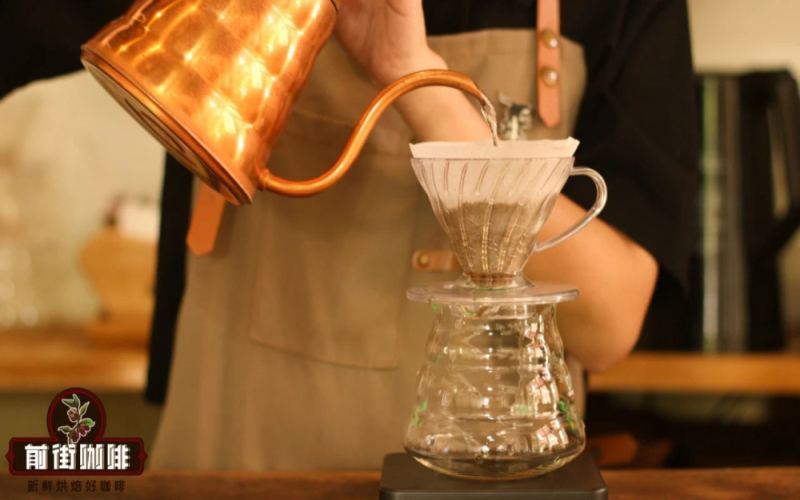
Why Is the Pourover Coffee Grounds-to-Water Ratio Commonly 1:15? A Professional Interpretation from Golden Cup Extraction to Practical Parameters
The coffee-to-water ratio for pour-over is a core question every enthusiast will face. Where exactly does the 1:15 ratio come from? Does it truly conform to the SCA Golden Cup extraction standard? Starting from Front Street's daily brewing practice, this article first clarifies two basic concepts—the coffee-to-water ratio and the water absorption rate of coffee grounds—then, combined with the Golden Cup extraction chart, analyzes the difference between the ideal range and actual output, explaining why 1:15 has become a stable and conservative choice. At the same time, the article also discusses whether tail-end truncation is necessary, and how ordinary enthusiasts should view this operation. [more…]
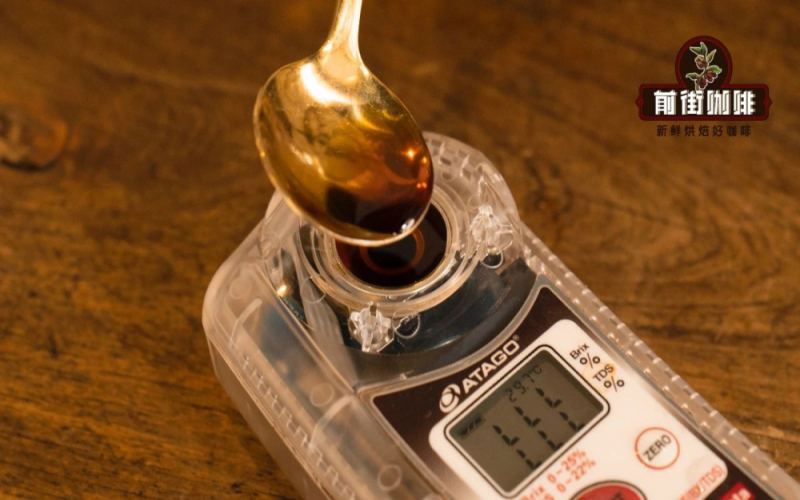
Analysis of the SCA Golden Cup Extraction Standard: The Calculation Logic and Practical Demonstration of Pour-Over Coffee Concentration and Extraction Yield
The Golden Cup extraction system is a quality reference framework widely recognized in the global coffee industry, and its core lies in controlling the concentration and extraction yield of the coffee liquid within a specific range. Compiled by FrontStreet Coffee, this article systematically reviews the origins of the Golden Cup standard and the differences in national standards, explains in detail the formulas for extraction yield and concentration, and uses a VST refractometer and a brewing example with Ethiopia Huakui 4.0 to demonstrate how to measure concentration and calculate extraction yield. At the same time, the article also discusses the influence of the pour-over coffee grounds-to-water ratio on flavor, gives a recommended ratio of 1:15 suitable for most bean varieties, and helps coffee enthusiasts build a quantifiable approach to brewing adjustments. [more…]
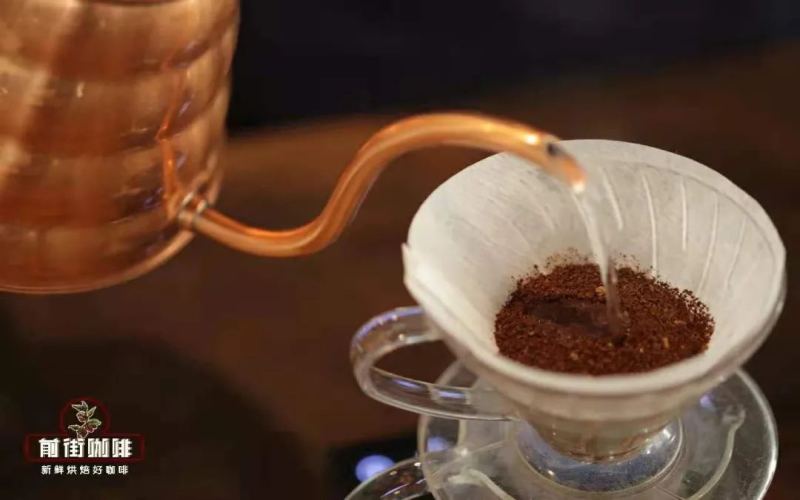
Coffee-to-Water Ratio | How to Calculate the Pour-Over Coffee-to-Water Ratio, Cold Brew Pour-Over Coffee-to-Water Ratio
Without adding sugar or milk, how to hand-brew a delicious and distinctive cup of coffee is a difficult challenge for many enthusiasts just starting out in coffee. Pour too much water and the coffee will be weak; pour too little and it will be very strong and harsh on the throat. Therefore, you must pay attention to the coffee-to-water ratio. So exactly how much water should be used to brew a cup of coffee? The coffee-to-water ratio is probably what every [more…]
How to determine the coffee-to-water ratio for pour-over coffee? From the Golden Cup extraction principle to Front Street Coffee's 1:15 parameter practical analysis
How exactly should the coffee-to-water ratio for pour-over coffee be determined? Front Street Coffee has always recommended 1:15, and this is not an arbitrary choice behind it, but a scientific calculation based on the SCA Golden Cup extraction theory. This article will start with the Golden Cup standard, the definitions of extraction yield and concentration, gradually explain the ratio ranges corresponding to different tastes, and use a Costa Rica Geisha blend as an example to actually calculate concentration and extraction yield, helping you find the brewing parameters that suit you between theory and practice. [more…]
How to Determine the Coffee-to-Water Ratio for Pour-Over Coffee? A Full Analysis from the Golden Cup Extraction Chart to Front Street Coffee's Recommended Parameters
The coffee-to-water ratio for pour-over coffee has always been a hotly debated topic among enthusiasts. Faced with the classic Golden Cup extraction chart, many people wonder: why is the recommended 1:17 on the chart not commonly seen in actual brewing? Can a 5ml difference in water volume really be tasted? And what ratios should be used for light-roast and dark-roast coffee beans respectively? This article will guide you through reunderstanding the origins and development of the Golden Cup extraction chart, analyze the impact of subtle differences in water volume on flavor, and, drawing on Front Street Coffee's brewing experience, provide practical ratio ranges for light-roast and dark-roast coffee, helping you find the cup of good coffee that truly suits you. [more…]
Pour-Over Parameter Plan | What are the requirements for coffee grind size, coffee-to-water ratio, water temperature, and brewing technique when making pour-over coffee with Indonesian PWN Golden Mandheling coffee beans?
When it comes to Indonesian Mandheling, the most famous and popular is undoubtedly the Golden Mandheling coffee beans produced by the Indonesian PWN company. As a result, many people come to try Golden Mandheling coffee and decide to buy the beans to brew at home, but they can never reproduce the taste they had in the coffee shop. Why is that? [more…]
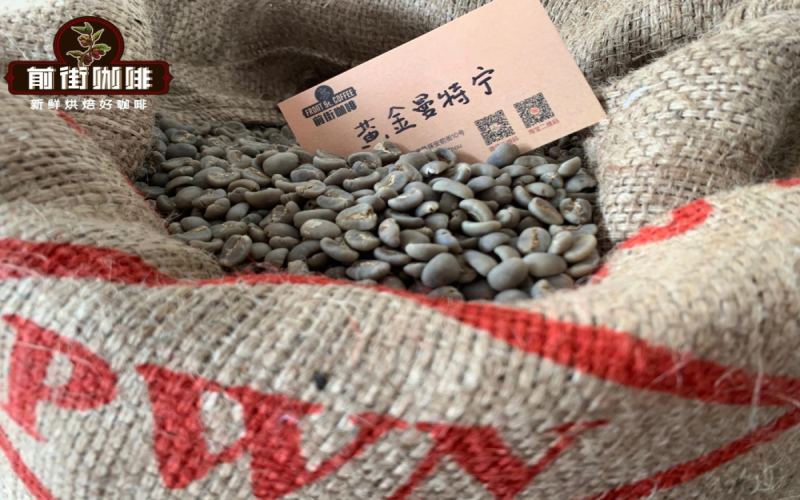
Brewing Parameters for Dark Roast Coffee Beans | What are the requirements for the coffee-to-water ratio, grind size, water temperature, and extraction time when making pour-over coffee with Indonesian PWN Golden Mandheling coffee beans?
When it comes to Indonesian Mandheling, the most famous and popular is undoubtedly the Golden Mandheling coffee beans produced by the Indonesian PWN company. Many people come to try Golden Mandheling coffee and decide to buy the beans to brew at home, but they can never replicate the taste they had in the coffee shop. Why is that? [more…]
Espresso | What is the golden extraction ratio for espresso? Must the coffee-to-liquid ratio for making espresso be 1:2?
Front Street Coffee believes that after you've been working with espresso for a while, you'll certainly be familiar with the "1:2" brew ratio, because it's often hailed as the "golden ratio" for espresso and is the most commonly used ratio when extracting espresso. Brew ratio refers to the amount of coffee grounds used [more…]
How to Choose the Coffee-to-Water Ratio for Pour-Over? Front Street Coffee's Practical Logic Behind Recommending 1:15 and Staged Pouring Techniques
The coffee-to-water ratio in pour-over coffee directly determines the flavor direction, and Front Street Coffee baristas are often asked about this during daily store conversations. Regardless of which dripper is used, Front Street recommends 1:15 as the brewing baseline. Although this ratio is not within the optimal range of the SCA Golden Cup theory, it delivers stable flavor and body in actual brewing. This article will explain the meaning of the coffee-to-water ratio, the Golden Cup extraction range, why 1:15 is chosen, and the specific operation of pulse pouring, and will use Colombia Rose Valley coffee beans as an example to provide complete brewing parameters and flavor descriptions, helping coffee lovers find a brewing solution that suits them. [more…]

A Complete Guide to the Golden Cup Extraction Theory: From Its Historical Origins to the Practical Application of Concentration and Extraction Yield
The Golden Cup extraction is a concept often mentioned in coffee circles. It uses two indicators—concentration and extraction yield—to judge whether a cup of coffee has been properly extracted. This theory can be traced back to 1952, when it was developed through collaborative research by the American coffee association and Dr. Lockhart of MIT. After multiple revisions, the Golden Cup range currently recognized by the SCAA is: extraction yield 18%-22%, concentration 1.15%-1.35%. But the Golden Cup numbers are only a reference tool, not an absolute formula for brewing delicious coffee. This article will walk you through the origins and development of Golden Cup extraction, the meaning of concentration and extraction yield, how to calculate extraction yield using formulas, and why you should not be limited by the Golden Cup range. [more…]
Golden Mandheling Pour-Over Coffee Extraction Plan | What Are the Variety, Processing Method, and Flavor of PWN Golden Mandheling Coffee? An Introduction to Golden Mandheling Coffee Bean Grind Size and Ratio
For more specialty coffee knowledge, please follow our WeChat official account: FrontStreet Coffee. With the development of the specialty coffee market, many coffee enthusiasts have started to explore how to brew pour-over coffee at home. However, pour-over coffee can't be mastered with just a recipe; it requires [more…]
Must espresso always follow a 1:2 coffee-to-beverage ratio? Unlocking flexible adjustment ideas for the golden extraction ratio
Many coffee enthusiasts have heard of the "golden ratio" for espresso—using a dose roughly equal to the basket's capacity, and extracting twice the dose weight in liquid weight within 25 to 30 seconds. However, when everyone strictly follows the 1:2 brew ratio to dial in, they find that not only does it consume a large amount of coffee beans, but the taste is also hard to reach an ideal state. So, must espresso extraction stick firmly to the 1:2 brew ratio? The answer is no. This ratio is just a general reference standard, helping us extract a delicious espresso with appropriate concentration and a reasonable extraction yield. The truly effective dialing-in method is to remove the restrictions on dose and liquid weight, and treat them as adjustable variables as well. This article will explain this flexible adjustment approach in detail for you. [more…]
Mandehling Pour-Over Extraction Plan | What Grind Size for Indonesian Mandehling Coffee Beans? V60 Dripper Pour-Over Golden Mandehling Coffee Brewing Water Temperature, Coffee-to-Water Ratio Parameters Introduction
After buying Front Street Coffee's PWN Golden Mandheling coffee beans, a friend asked Front Street, "Why does the taste I brew at home differ from what I drink in the shop? I've already scanned the QR code on the coffee bean packaging and followed your parameters for grinding and brewing. [more…]
The Complete Guide to Hand-Brewing Indonesian Golden Mandheling: Water Temperature, Grind Size, Coffee-to-Water Ratio, and Three-Stage Extraction Flavor Analysis
Golden Mandheling is a highly representative specialty coffee from the Sumatra region of Indonesia, known for its herbal notes, caramel sweetness, and rich spicy flavor. Starting from Front Street Coffee's brewing practices, this article systematically sorts out the differences between Golden Mandheling and ordinary Mandheling, how the wet-hulling process shapes the flavor, and PWN's strict G1 grade screening standards, while also breaking down in detail the coffee-to-water ratio, grind size, water temperature, dripper selection, and three-pour technique in the pour-over process. Whether you want to consistently reproduce a cup of rich, clean Golden Mandheling or hope to fine-tune the parameters according to your own taste, this parameter guide can provide a clear reference basis. [more…]
ATAGO Refractometer Operation Guide: How to Convert TDS Readings to Golden Cup Extraction Yield
Front Street Coffee received a question from an enthusiast who wants to know how to get started with coffee concentration measuring instruments like ATAGO. This article will demonstrate the operating procedure of the instrument step by step, explain the meaning of the two readings, Brix and TDS, and show how to use the measured TDS value to calculate the coffee's extraction yield. The article will also introduce the two core standards of the Golden Cup theory—extraction yield of 18%–22% and concentration of 1.2%–1.45%—as well as the flavor characteristics brought by under-extraction and over-extraction, helping you more accurately judge whether a cup of coffee falls within the ideal range in your daily brewing. [more…]
Brewing Front Street Golden Mandheling Coffee with a V60 Dripper: Adjustment Tips for Grind Size, Water Temperature, and Coffee-to-Water Ratio
Many coffee enthusiasts, after purchasing Front Street PWN Golden Mandheling coffee beans, find that when they brew at home according to the parameters on the packaging, the taste differs from that in the store. This is actually closely related to the type of dripper—Front Street's store uses the Kono Meimon dripper, while most enthusiasts have a V60 dripper at home. The two drippers differ significantly in flow rate and extraction method, so the same set of parameters cannot simply be applied to both. This article will explain in detail how to adjust the grind size, coffee-to-water ratio, and brewing water temperature according to the characteristics of the V60 dripper, so that you can brew a rich and full-bodied Golden Mandheling at home. At the same time, the article also introduces the method for measuring the 0.85mm sieve passing rate, as well as Front Street's grind size recommendations for different brewing methods, helping you grasp the extraction variables more precisely. [more…]
How to brew Front Street PWN Golden Mandheling with a V60? A complete guide to grind size, coffee-to-water ratio, and water temperature adjustments
Many coffee enthusiasts, after purchasing Front Street PWN Golden Mandheling coffee beans, find that when they brew at home according to the parameters on the QR code on the packaging, the flavor differs noticeably from what the café produces. The problem often lies with the dripper—Front Street's café uses the Kono Meimon dripper, while most people use a V60 at home. The flow rate and extraction logic of the two drippers are completely different, so simply applying the same parameters makes it hard to replicate the result. This article will systematically explain how to brew a rich, full-bodied Golden Mandheling with a V60—from grind size calibration, coffee-to-water ratio, and water temperature to the three-pour technique—so that the unique flavor of Indonesia Sumatra's wet-hulled processing method can be consistently presented at home. [more…]

A Complete Guide to Brewing Golden Mandheling Pour-Over: Grind Ratio, Variety Processing Methods, and Flavor Characteristics Explained
To brew a delicious pour-over coffee at home, choosing the right practice beans is key. Front Street Indonesia Golden Mandheling, with its rich and balanced flavor, has become the top choice for many coffee enthusiasts starting out. This article begins with the origin background of Front Street PWN Golden Mandheling, tracing the history of Indonesia's three major Sumatra producing regions, the Ateng variety, and the wet-hulling process, and explains PWN Company's trademark registration and grading standards for "Golden Mandheling." The equipment section introduces the key selection points for the pour-over kettle, dripper, filter paper, grinder, thermometer, electronic scale, and powder sifter one by one; the brewing section gives specific recommendations for water temperature, grind size, and coffee-to-water ratio, and finally includes the complete brewing parameters and staged extraction technique for Front Street PWN Golden Mandheling, helping readers establish a stable pour-over rhythm. [more…]