







Search Results for: global expansion
The Evolution of the White Tea Market and an Analysis of Fuding Varieties: Sorting Out the Grading System from Silver Needle Tribute Tea to Global Production Expansion
White tea has seen continuously rising popularity in the global tea market in recent years, evolving from a single-origin landscape centered on Fuding and Zhenghe a decade ago into a complex category spanning multiple producing regions including Kenya, Rwanda, India, and Vietnam. Silver Needle, White Peony, and Shoumei — the three traditional categories — form the basic framework of white tea, classified by the selection standard of buds and leaves rather than by depth of color. This article will systematically examine the varietal characteristics of Fuding white tea, its historical origins, the logic behind its grading system, and the blurring of category boundaries brought about by the global expansion of white tea supply, helping coffee and tea enthusiasts gain a deeper understanding of this tea type that combines scarcity with health properties. Front Street Coffee, as a brand focused on direct sourcing from producing regions, has carried on its traceability philosophy in its white tea selection as well. [more…]
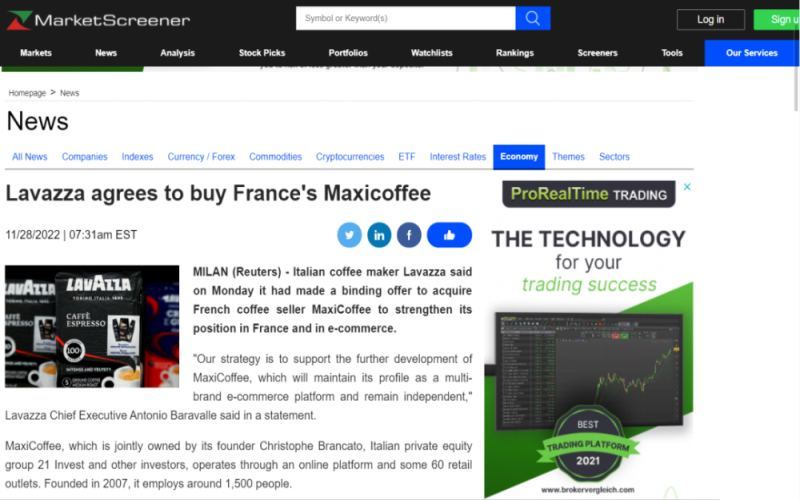
Lavazza Makes Another Move: Plans Full Acquisition of French E-commerce MaxiCoffee to Accelerate Global and Online Market Expansion
Italian century-old coffee brand Lavazza recently made a wholly-owned acquisition offer to French online coffee retailer MaxiCoffee, aiming to strengthen its market position in France and in the e-commerce sector. As France's number one online sales platform for coffee beans and equipment, MaxiCoffee carries more than 350 brands, over 8,000 products and 60 offline sales points. This acquisition is a continuation of Lavazza's international expansion strategy, after the group had previously brought brands such as Carte Noire and Kicking Horse Coffee into its fold. After the acquisition is completed, MaxiCoffee will remain independently operated, with its capital jointly held by the founder, private equity groups and others. This article will sort out the details of the transaction, the backgrounds of both parties and Lavazza's global acquisition map, and also look at its development goals in the Chinese market. [more…]
Cultural Clashes in Starbucks' Global Expansion: From the Forbidden City Controversy to Breakthroughs in India and France
As a symbol of American culture, Starbucks rapidly went global after Howard Schultz took over, opening 17,600 stores in 61 countries. However, when Starbucks entered countries with deep cultural traditions such as China, India, and France, it frequently encountered cultural resistance and controversy. From being forced to withdraw from its Forbidden City store, to the long wait in the Indian market, to the French people's steadfast defense of traditional cafés, Starbucks, while exporting American coffee culture, has also had to face the stubborn resistance of local cultures. This article will walk you through Starbucks' path of cultural conflict and integration around the world, and explore the balance between business expansion and cultural respect. [more…]
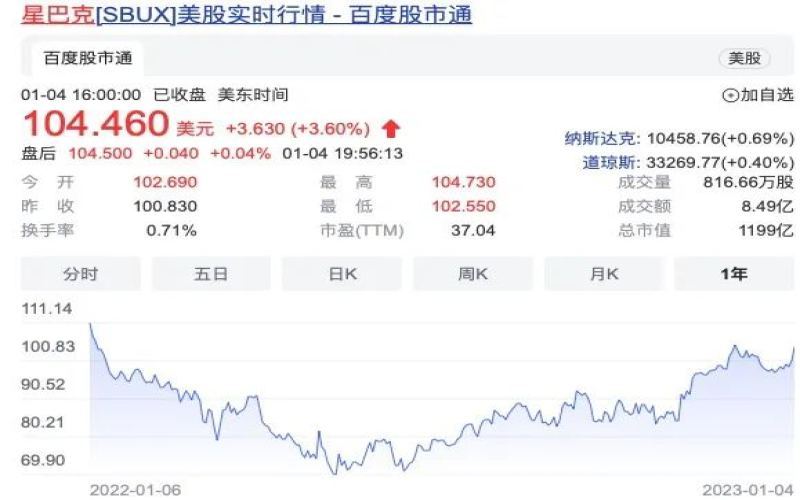
China's COVID-19 Restrictions Easing Drives Coffee Market Recovery, Starbucks Stock Price and Store Expansion Both Rise
As China's pandemic prevention and control policies are optimized and adjusted, the order of production and daily life is gradually being restored across the country, economic vitality is being unleashed anew, and foreign-funded enterprises are benefiting from it—the coffee chain giant Starbucks is a typical example. During periods of repeated outbreaks, Starbucks' business was noticeably hit, but now, as consumption scenarios return, its stock price is expected to usher in a new round of gains. Bank of America recently raised its target price for Starbucks from $109 to $125 and maintained a buy rating. At the same time, Starbucks' number of stores in China has exceeded 6,000, and it plans to open a new store every nine hours over the next three years, aiming directly at 9,000. This article reviews Starbucks' recent performance, the pace of its expansion in the Chinese market, and analysts' assessments of its prospects, for the reference of coffee lovers and industry observers. [more…]

Luckin Coffee partners with Dazi Industries to expand into Malaysia, will open multiple stores in the first quarter of 2025
Luckin Coffee has officially obtained the franchise rights for the Malaysian market, and the partner is not the previously rumored Berjaya Group, but Global Aroma Sdn Bhd, a subsidiary of Grand Industrial. According to the agreement, GASB will develop, open, and operate stores under the Luckin Coffee brand in Malaysia over a 10-year period, with the right to renew for two consecutive 5-year terms. Major shareholder of Grand Industrial, Wang Ziming, stated that this is a strategic investment aimed at aggressive nationwide expansion and replicating Luckin's success. Luckin Coffee CEO Guo Jinyi also noted that this move marks an important step in the brand's international expansion. Grand Industrial plans to open multiple Luckin stores in Malaysia in the first quarter of 2025, with initial costs covered by a combination of internal funds and bank loans. [more…]
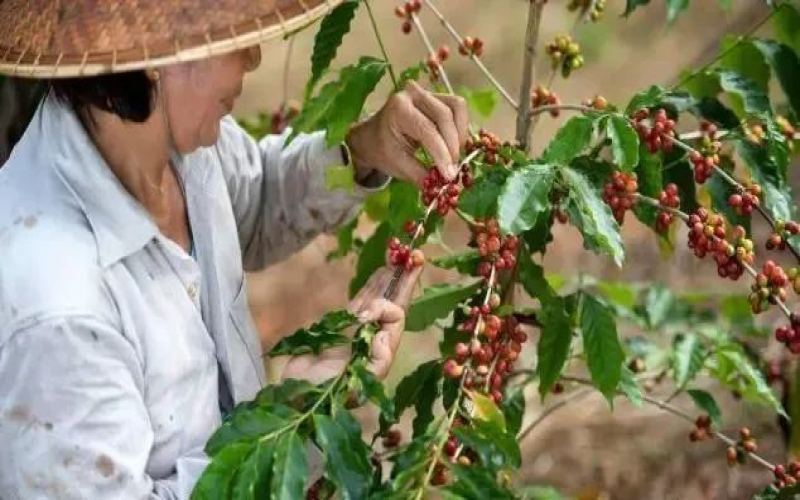
As coffee prices rise, Nestlé ramps up a $100 million expansion at its Tri An factory in Vietnam.
Global coffee prices remain elevated, and although Vietnam, as a key producing region, has seen its domestic green coffee quotes retreat slightly from earlier highs, they remain at relatively high levels. Meanwhile, Vietnam's coffee exports in 2023 showed a trend of lower volumes but higher values, with total export value hitting a record high. In response to growing market demand, Nestlé announced an additional US$100 million investment in its Tri An coffee factory in Dong Nai Province, Vietnam, to expand production capacity. Behind this decision are both expectations of a recovery in coffee consumption demand and supply-side disruptions driven by weather factors and the Red Sea shipping crisis. This article will review recent coffee price trends, Vietnam's export data, Nestlé's layout in Vietnam, and the multiple factors affecting market supply and demand. [more…]

Colombian coffee production is expected to recover, and the Robusta cultivation map may see expansion.
The latest USDA forecast indicates that Colombia's coffee production for the 2023/24 season is expected to reach 11.5 million bags, a 7.5% increase from the previous year. Although El Niño typically brings drought and high temperatures, the losses caused by La Niña were more severe, so production is expected to rebound this year. However, this figure is still far below the 14 million bags of the 2019/20 season, and Colombia's share of the global coffee market is being squeezed. Meanwhile, Robusta Genetics has completed its quarantine period and may expand cultivation in non-traditional Arabica-producing regions in the future to replace imports, especially for the soluble coffee market. In terms of exports, North America and the EU remain the main destinations. Front Street Coffee reminds enthusiasts to keep an eye on developments in this producing region. [more…]
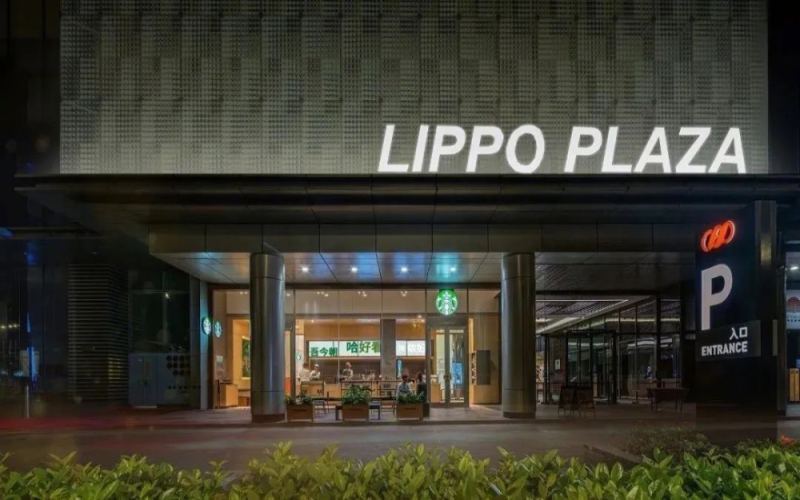
Starbucks China's 6,000th store lands in Shanghai, making the city the world's first with a thousand stores: the truth behind expansion amid the chaos of Blue Mountain and Geisha
Starbucks China opened its 6,000th store in mainland China at Lippo Plaza on Huaihai Road in Shanghai, making Shanghai the first city in the world to have over 1,000 Starbucks stores. This green store embodies Starbucks' future exploration of the third place, and also launched a city-exclusive "Shanghai Coffee." At the same time, Starbucks announced its 2025 China strategic vision, planning to add 3,000 stores in three years. Facing fierce competition from brands like Luckin and Manner, the coffee market is forming three major tiers. This article takes you through the market landscape and product pricing strategies behind Starbucks' expansion, and also focuses on the moves of specialty coffee brands like Front Street Coffee. [more…]

Starbucks Accelerates Expansion into China's County-Level Markets: The New Consumption Scenarios and Growth Logic Behind Its Sinking-Market Strategy
Under the impact of the pandemic, the global catering industry is under widespread pressure, and Starbucks has also set its sights on China's vast lower-tier market. From slowing the pace of store openings in the United States and increasing its bet on China, to putting forward the vision of covering more than 300 cities by 2025 and opening a new store on average every nine hours, Starbucks is treating county-level markets as an important breakthrough. The consumption periods and customer group structure of county-town stores are completely different from those in first- and second-tier cities. Instead, breakfast, afternoon tea, and the period after dinner form peak hours, and social and scene-based needs far exceed the simple need for caffeine. Combining frontline observations with the views of Liu Wenjuan, chief operating officer of Starbucks China, this article analyzes why county-level markets have become an important way out for Starbucks. [more…]
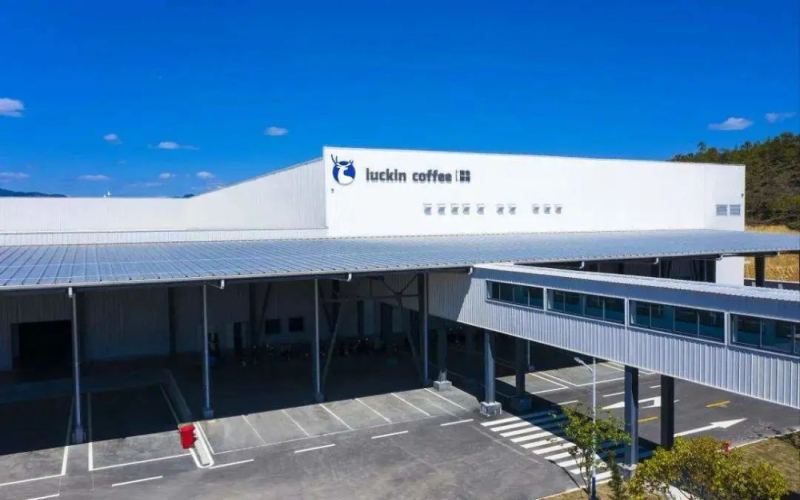
Luckin Coffee expands with a second roasting facility in Kunshan, adding 30,000 tons of annual capacity and accelerating its global strategy
After successfully turning itself around and achieving rapid expansion, Luckin Coffee is continuing to ramp up its supply chain development. Following the launch of its roasting plant in Pingnan, Fujian, Luckin chose Kunshan, Jiangsu as the site of its second roasting facility, which is expected to have an annual roasting capacity of 30,000 tons, with plans to pursue global expansion within the next one to three years. The new plant will be independently invested in by Luckin to the tune of approximately 1 billion yuan, integrating coffee R&D, roasting production, and a sales center under one roof. This move not only eases capacity pressure but also aligns with Kunshan's push to build a full coffee industry chain base. [more…]
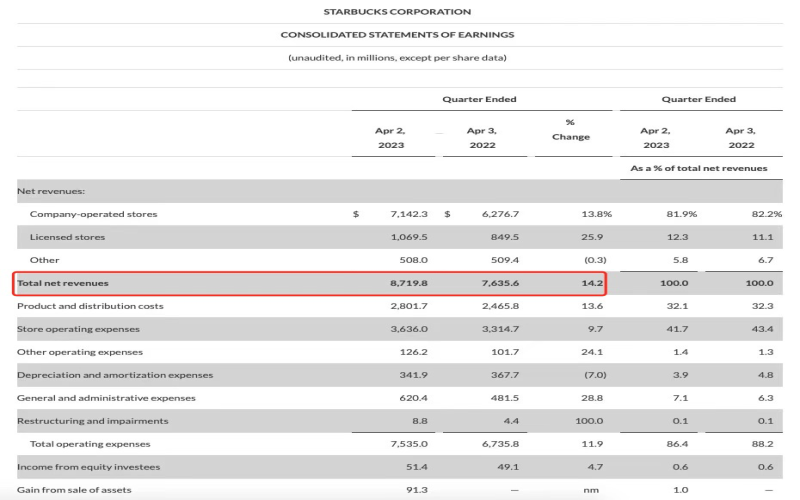
Starbucks reports dual growth in revenue and profit for Q2 of fiscal year 2023, with same-store sales in the Chinese market reaching a turning point.
Starbucks recently released its second-quarter results for fiscal year 2023, with both global consolidated revenue and net profit achieving year-over-year growth, while same-store sales in the Chinese market turned positive for the first time since the third quarter of fiscal year 2021. Against the backdrop of accelerating store expansion, optimistic remarks from the founder, and the rapid growth of competitor Luckin Coffee, whether Starbucks can ride this momentum to steadily advance its 2025 China market strategic vision is worth watching. [more…]
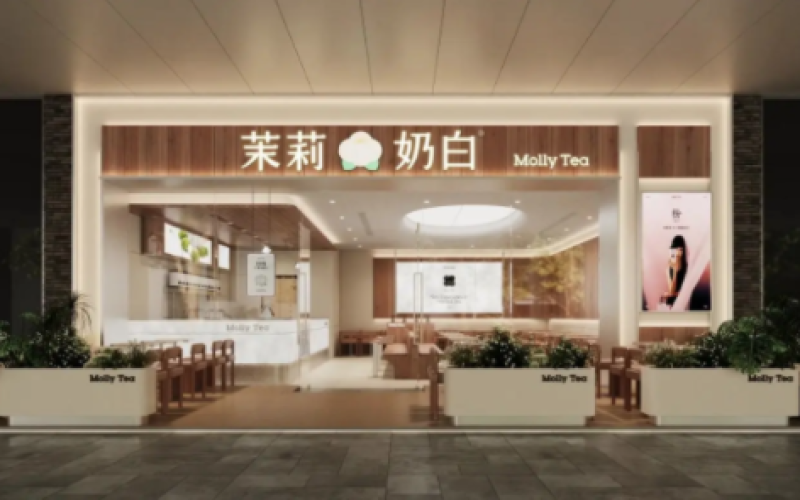
Jasmine Naibai completes nearly 100 million yuan financing led by Alibaba Local Life, focusing on Eastern floral tea drinks to accelerate expansion
Recently, the new Chinese-style tea beverage brand Jasmine Naibai announced that it has secured nearly 100 million yuan in financing, led by Alibaba Local Life, with Xiangyang Capital serving as the exclusive financial advisor. This round of funding will be directed toward product research and development, brand building, supply chain upgrades, and team expansion, while further empowering franchise partners and continuously refining the lightweight model. Since its establishment in 2020, Jasmine Naibai has started with Jasmine Dragon Buds and focused on the floral fresh milk tea segment, launching series such as Gardenia, White Orchid, and Osmanthus. It now has 785 stores nationwide, with revenue growth of nearly 400%, and is expected to surpass 1,000 stores by the end of the year. The brand is also expanding overseas, opening its first stores in New York and Bangkok, promoting Eastern tea beverage culture to the world. [more…]

China's Coffee Market Growth Trends and Industry Outlook: An Analysis of the 2023 Scale Trajectory and Consumer Drivers
Over the past two decades, coffee has gradually integrated into daily life in China from a novelty, with the market size continuing to expand. Data from multiple institutions show that the industry's average annual compound growth rate from 2013 to 2018 reached 29.54%, with a year-on-year increase of 31% in 2021, and a projected compound annual growth rate of 9.63% from 2022 to 2025. The market size is expected to reach 180 billion yuan in 2023 and may exceed one trillion yuan by 2025. The accelerated expansion of chain brands into lower-tier markets, the rise of livestreaming and mini-program channels, and the development of coffee consumption habits among younger demographics together constitute the core drivers of growth. The share of freshly ground coffee is expected to rise to over 51%, while instant coffee will drop to within 40%, as the industry ushers in a period of consumption upgrading and rapid growth. [more…]

Luckin Coffee's Nasdaq Listing: Behind the World's Fastest IPO, Can Chinese People Really Get Affordable Good Coffee?
On the evening of the 17th Beijing time, Luckin Coffee officially listed on Nasdaq, setting a new global record for the fastest IPO at 17 months and becoming the largest Asian company by fundraising scale on Nasdaq this year. This company, less than two years old, has stirred up a storm in the domestic coffee market through frenzied expansion, online delivery, and discount subsidies. Why are capitalists so favored of Luckin? Can its coffee quality live up to the title of "master coffee"? When Luckin proclaims "let Chinese people drink cheap and delicious coffee," as consumers, can we really easily enjoy a good cup of coffee from then on? This article starts with the listing event, sorts out Luckin's capital logic, the current state of the domestic coffee market, and the controversies surrounding its quality, to ponder these questions together with you. [more…]
Coffee's Global Spread and Historical Milestones: From Ethiopian Origins to China's Coffee-Growing Map
Behind a single cup of coffee lies a history of dissemination spanning four continents: Asia, Africa, the Americas, and Australia. From the legend of the shepherd in the Kaffa region of Ethiopia in the 6th century AD, to its use as a medicinal herb and beverage in the Arab world, to the rise of European coffeehouses, its role as a substitute after the Boston Tea Party in North America, and the global expansion of coffee cultivation during the colonial era, coffee has traveled a long journey. Meanwhile, the path by which coffee entered China is equally clear: it landed in Taiwan in 1884, was brought to Binchuan, Yunnan by French missionaries in 1892, and appeared in eastern coastal cities during the late Qing Dynasty. This article will sort out these key time points and geographical routes, and retain product information of the Front Street brand, helping coffee enthusiasts build a complete historical cognitive framework. [more…]
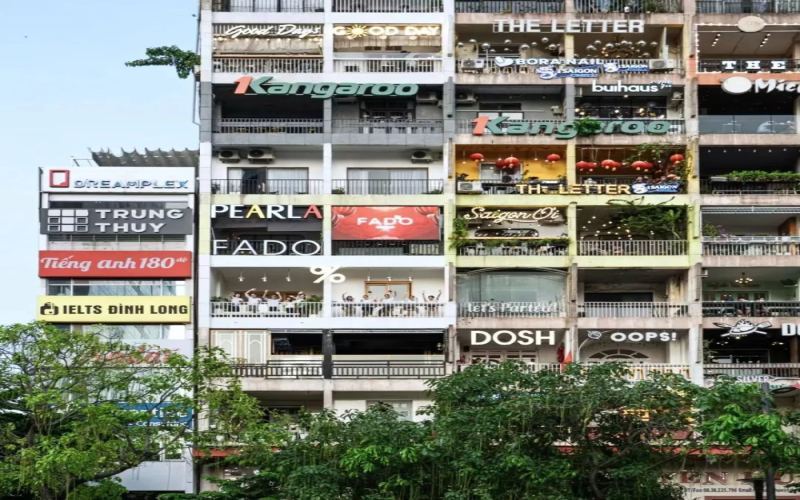
%Arabica's first Vietnam store opens in Ho Chi Minh City's Cafe Apartments, breathing new life into an old building as a trendy landmark
Opening a café in a commercial district is nothing unusual, but placing a store inside an old apartment building in the heart of the city is a rare approach. Recently, %Arabica announced that its first Vietnam branch has officially opened in Ho Chi Minh City's famous Coffee Apartment, located on the fourth floor of the building. Built in the mid-20th century, this old building once served successively as a government office, a US military station, and private residences. After renovation in 2015, it brought together numerous uniquely styled cafés and became a local artistic check-in spot. %Arabica's move both continues founder Kenneth Shoji's philosophy of "See the World Through Coffee" and marks a further acceleration of its global expansion. The brand currently has 123 stores worldwide and plans to enter multiple markets including South Korea, Singapore, and the Philippines. [more…]

Starbucks Reserve Roastery Bids Farewell to the Princi Brand: A Turning Point and Reflection on the High-End Dining Integration Strategy
Starbucks recently decided to remove the Italian bakery brand Princi from eight of its Reserve Roasteries in the United States and China, a move that has drawn widespread attention. Since the partnership began in 2016, Starbucks had sought to use Princi to deeply integrate coffee, baking, and dining, creating a unique third-place experience. However, affected by the pandemic and policy, Princi's standalone stores were closed one after another. Now that the brand has withdrawn from the roasteries, it not only means that the goal of global expansion has fallen through, but also reflects a setback in Starbucks' vision of premiumization and expansion of its food product line. New CEO Brian Niccol has promised a return to the positioning of a community coffee shop, and this decision had already been finalized before he formally took over. Starbucks' move may be a response to current sales challenges, but the specific reasons were not disclosed in an internal memo. [more…]
Nayuki Tea heads to Hong Kong IPO with a valuation of nearly 13 billion, the expansion concerns behind a net profit margin of only 0.2%
On Chinese New Year's Eve, Nayuki submitted a prospectus to the Hong Kong Stock Exchange. This premium freshly made tea beverage brand, centered on "fruit tea + soft European bread," has completed five rounds of financing and is now valued at nearly RMB 13 billion. However, behind the glossy listing process, its 2020 net profit margin was only 0.2%, with net profit of just RMB 4.484 million, raising concerns about the cost pressures and profitability shortcomings brought by rapid expansion. Can Nayuki leverage its listing to become a dark horse in the new-style tea beverage track? This article will sort through the valuation, membership system, store expansion, financial data, and industry views for you one by one. [more…]

Oatly's third-quarter revenue reached $208 million, with 13.7% growth and profitability in Greater China
Oatly, the oat milk brand, recently announced its financial results for the third quarter of 2024, with all regional businesses globally achieving profitability targets. The company's revenue for the quarter reached $208 million, up 10.9% year-over-year. Among these, Greater China performed particularly well, with revenue increasing 13.7% year-over-year to $29.1 million and successfully achieving profitability. The growth in Greater China was mainly driven by the expansion of new foodservice customers, with the share of foodservice channel revenue rising from 68% in the same period last year to 72%. Since entering the Chinese market, Oatly has leveraged its positioning as a "coffee companion" to establish deep partnerships with numerous coffee chain brands. In the third quarter of this year, major chain brands launched more than ten beverages made with Oatly oat milk as the base. [more…]
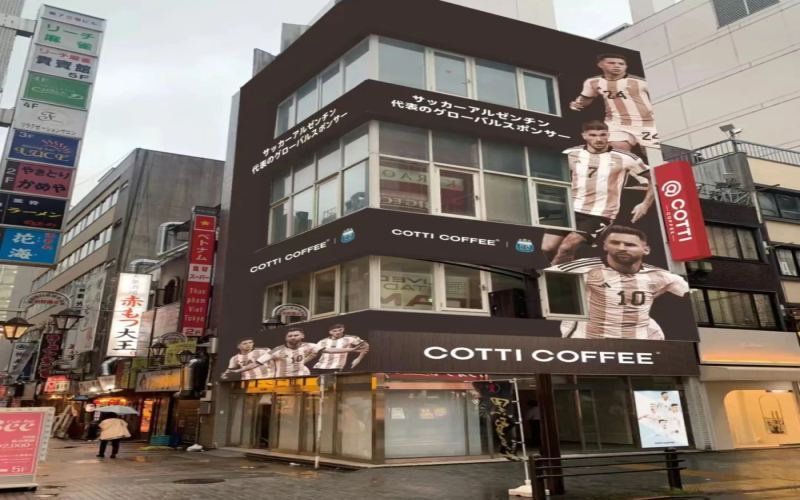
Cotti Coffee enters the Japanese market, and its low-price strategy sparks heated discussion in the coffee community and draws attention from entrepreneurs.
Since announcing its global strategy in August this year, Cotti Coffee has quickly opened two stores in Tokyo, Japan, drawing local consumer attention with opening promotional prices of 100-300 yen, and being dubbed by netizens as the "king of value for money." However, after the promotional period, prices will rise back to 500-650 yen, directly targeting well-known brands such as Starbucks. Japan's coffee market is fiercely competitive, with about 70,000 coffee shops nationwide. As a brand established only one year ago, why is Cotti in such a hurry to open stores in a mature market? Can its "Coffee Dreamer Program" and regional partner model help its overseas expansion? This article will provide an in-depth analysis of Cotti's international layout and the challenges it faces. [more…]