







What Does the 6,000th Starbucks Store Mean for Coffee Service?
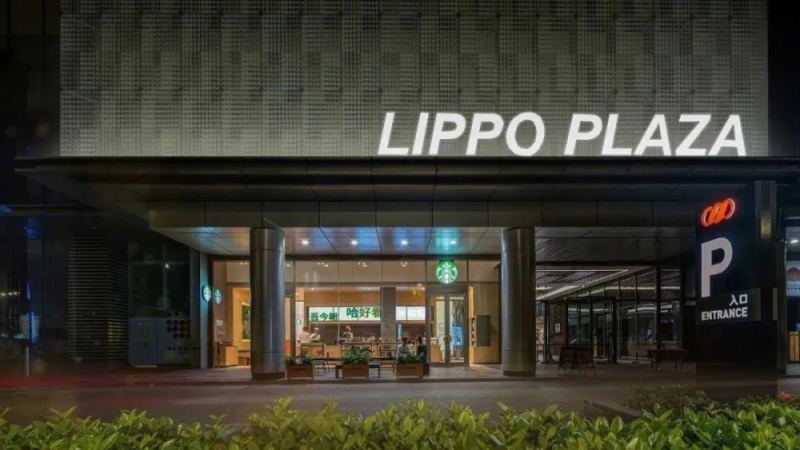
Starbucks China opened its 6,000th mainland store at Lippo Plaza on Huaihai Road in Shanghai on September 27. The opening makes Shanghai the first city worldwide to pass 1,000 Starbucks stores, and the company also announced plans to add 3,000 stores across China within three years.
The Shanghai location is a certified green store and launched a city-exclusive beverage, Shanghai Coffee, on September 28. Against competition from Luckin and Manner, the market is splitting into tiers, and questions of coffee service, pricing, and product strategy now shape how chains and specialty brands position themselves.
Starbucks China has opened its 6,000th store in mainland China at Lippo Plaza on Huaihai Road in Shanghai, making Shanghai the first city in the world to surpass 1,000 Starbucks stores. This green store embodies Starbucks' exploration of the future of the third place and also launched a city-exclusive "Shanghai Coffee." Meanwhile, Starbucks announced its 2025 China strategic vision, planning to add 3,000 stores in three years. Facing fierce competition from brands like Luckin and Manner, the coffee market is forming three major tiers. This article takes you through the market landscape and product pricing strategies behind Starbucks' expansion, and also focuses on developments at specialty coffee brands like Front Street Coffee.
Professional coffee knowledge exchange
More coffee bean information
Please follow Coffee Workshop (WeChat public account cafe_style )
For more specialty coffee beans, please add private WeChat Front Street Coffee (FrontStreet Coffee), WeChat ID: qjcoffeex
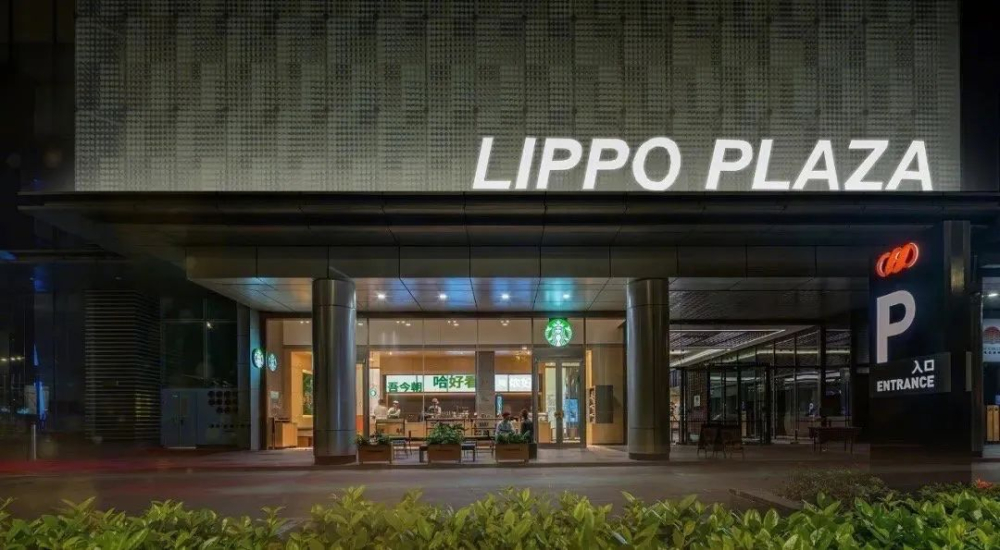
On September 27, Starbucks China announced via Weibo that it had opened its 1,000th store in Shanghai at Lippo Plaza on Huaihai Road, which is also the 6,000th store in mainland China. After this store opened, the number of Starbucks stores in Shanghai continued to rank first among global cities, making it the first city in the world to surpass 1,000 Starbucks stores.
This store is of extraordinary significance. It is not only the 6,000th Starbucks in mainland China, but also a certified green store, carrying Starbucks' greater thinking and exploration regarding the future third place, and fully applying leading sustainable retail and digital operation solutions.
On the occasion of the unveiling of the 6,000th store, Starbucks also partnered with IP SHANGHAI to launch the first city-themed limited-edition beverage, "Shanghai Coffee," which went on sale citywide starting September 28. It is reported that the inspiration for "Shanghai Coffee" comes from the inclusive Shanghai-style culture that blends East and West, creating a uniquely wonderful taste for Shanghai Coffee.
The first sip reveals a thick layer of malted milk, once a first-generation "trend" that swept Shanghai, slowly melting in the mouth. The second sip brings buttery aroma and toasted caramel notes as the Scotch whipped milk foam glides over the tongue. The third sip, savored carefully, reveals how the espresso injects this cup of Shanghai Coffee with its distinctive flavor and soul.
It is understood that the store adopts the design concept of "returning to the original aspiration while facing the future," with a light and lively style that brings customers a renewed yet familiar and warm spatial experience. Stepping into the store, the artwork using recycled green aprons as its canvas is the most eye-catching, with Starbucks' iconic mermaid in a graceful, extended double-tail pose.
As you approach and explore, rich stories and details unfold one by one, tracing the beautiful moments of Starbucks along the way. The store also features a giant "cup wall," which, under the designer's clever arrangement, resembles a mini city mug museum. Each city mug is full of memories, as if carrying the footprints of Starbucks' journey.
Over the past decade, the number of Starbucks stores in mainland China has grown nearly tenfold, making the Chinese market its second-largest market after the United States. According to the 2022 Shanghai Coffee Culture Week report, Shanghai already has nearly 8,000 coffee shops, the highest total among global cities, and of those 8,000 stores, Starbucks accounts for 1,000.
At the same time, market monitoring data shows that about 20 well-known overseas coffee brands, such as Canada's Tim Hortons, Italy's LAVAZZA, and the American brands Peet's Coffee and Blue Bottle Coffee, are also competing to make Shanghai their first choice for entry. Starbucks China's first store was located in Shanghai, and now Starbucks China, full of its original aspiration, has returned to the place in Shanghai where it first set out.
At a global investor meeting some time ago, Starbucks proposed its "2025 China Strategic Vision": in the next three years, Starbucks will open 3,000 new stores at a pace of one every nine hours, covering 300 Chinese cities.
By 2025, Starbucks China's total store count will reach 9,000, its workforce will increase by 35,000 to more than 95,000, and it will achieve the growth targets of doubling net revenue and quadrupling operating profit from the current level. This is a goal that has shocked many people: 3,000 stores in three years is a quite "aggressive" target.
You have to understand that today's coffee market competition is extremely fierce. At present, the coffee market has already been divided into three major tiers. The first tier is represented by well-known chain coffee brands such as Starbucks, Luckin, and Manner, the "national team" that broadly lays out stores nationwide; the second tier is the "local teams" made up of the aforementioned regional chain brands; and there is also a group of "individual players" scattered across streets and alleys, fighting alone.
Also in the first tier, Luckin's store count has already reached 7,000+, having overtaken Starbucks. According to Starbucks' menu, there are currently 84 beverages on sale, including coffee-infused ice cream, of which only 9 are priced below 30 yuan, while 75 products are over 30 yuan, accounting for 89%.
By comparison, other brands are much more affordable in terms of price. Luckin is mainly concentrated in the 20-yuan price range, and Manner averages around 20 yuan per cup. The second and third tiers are roughly the same, and most coffees launched by tea beverage brands also do not exceed 20 yuan.
As the market shifts downward, the tea beverage industry, which is similar to coffee, has also seen previously high-end-focused brands such as Nayuki and Heytea target the below-20-yuan mass market in the first half of this year, successively lowering prices for their products and stating that they will no longer launch new drinks starting with a 3.
Starbucks China said it hopes to meet consumers' coffee needs in various life scenarios as much as possible in the next three years. "By 2025, the current 2,500 'Starbucks Coffee Services' points covering offices, hotels and other locations will double to 5,000.
"Along the way, Starbucks has cherished the close connections established with every customer, and will continue to innovate and upgrade products and experiences to meet and exceed customer expectations, winning more customer support every day," said Leo Tsoi, CEO of Starbucks China.
Image source: Internet
The above content is compiled by CoffeeHunters, a coffee news website.


