Coffee bugs, in the previous episodes we learned about the origin and spread of coffee. So where does the coffee we drink today come from? Next, follow little one to explore coffee-producing regions around the world~ At present, there are 53 major coffee-producing regions globally, all distributed within the Coffee Belt 『25°N~30°S』. Based on the spread timeline of specialty coffee and the flavors of the origins, we roughly classify these regions into three major categories: Old World old-fashioned flavor, New World improved flavor, and mid-ocean island flavor. In this installment of “Expanding Knowledge,” we’ll first present the Old World coffee introduction~ Countries that already had Arabica varieties before the 17th century are called the 『Old World』, led by Ethiopia (Ethopia), with Yemen (Yemen) and India (India) following. These three ancient coffee countries retain the most diverse Arabica bean genetic resources and traditional natural processing methods. Their coffee flavor spectra are broad and complex, with the greatest amplitude: from rough earthy, woody, leathery, medicinal, and fermented bean curd-like off-flavors, to enchanting jasmine, cinnamon, cardamom, clove, pine/fir, mint, lemon, citrus, berries, apricot, smoked plum, chocolate... thousands of aromas and flavors, both good and bad, constructing an old-fashioned flavor spectrum that makes people love and hate it at the same time. Ethiopia has the world’s most diverse coffee cultivation systems and a complex ancient gene pool, plus diverse processing methods including natural, washed, and semi-washed, presenting complex and variable flavors. It can be said that the “flavor spectra” of most coffee-producing regions worldwide can be tasted here, reflecting Ethiopia’s all-embracing “king’s flavor.” Peter Giuliano (former president of the SCAA), a driving force of the third wave of specialty coffee, once said: “When cupping each lot of Ethiopian coffee, I often taste new flavor territories never encountered before. Stepping onto the land of Arabica evolution is like jumping into a sea of genes and beginning to experience the unpredictable boundaries of coffee aroma.” Ethiopia is the cradle of Arabica; growing coffee, roasting coffee, and brewing coffee are local cultural traditions. Farmers habitually interplant coffee with enset, grains, vegetables, and fruits in their fields, and store dried coffee cherries: on the one hand, using them as currency; on the other hand, for socializing, weddings, funerals, and religious activities. Traditional Ethiopians even drink coffee to celebrate when livestock give birth. Ordinary households have fixed times, places, and rituals for drinking coffee, as solemn as Christians attending church, called the “Bunna ceremony.” Their traditional methods and utensils for making coffee are completely different from the general ways we extract coffee today, and the coffee they make also has a unique flavor. Ethiopian coffee-producing regions are divided into east and west by the East African Rift Valley, with lakes, volcanoes, lowlands, highlands, and woodlands interwoven, each evolving separately. Ethiopia has the world’s most diverse coffee ecosystems (forest coffee, semi-forest coffee, garden coffee, and plantation coffee), which has also allowed its rich Arabica genes to be preserved. The eastern half is mostly highlands, and the coffee beans generally taste better, such as Yirga Cheffe and Sidamo, which are famous for their bright acidity, and Harar, with its fascinating “complex aromas”; the western half is covered by large areas of primary forest, mostly in completely natural evolution, creating even more complex coffee varieties. Coffee varieties in the Kaffa forest in the southwest have extremely strong disease resistance. Due to natural evolution and little artificial selection, their overall flavor is slightly inferior to that of the eastern half. Yirga Cheffe is a small town in eastern Ethiopia, at an altitude of 1,800–2,000 m. In the ancient language, “Yirga” means “to settle down,” and “Cheffe” means “wetland.” Yirga Cheffe belongs to the Sidamo producing region. Because of its unique jasmine aroma and citrus acidity, it is much loved in specialty coffee circles worldwide, and this special mouthfeel is also known as the “Yirga Cheffe” flavor. According to the defect rate of green beans, Yirga Cheffe can be divided from best to worst into five grades, G1–G5. It is generally washed, but a small amount of exceptional beans is deliberately processed naturally to enhance the captivating fruity aroma and body. The Sidamo producing region is very close to Yirga Cheffe, and the flavor is also similar. After fine washing or natural processing, it likewise has floral and citrus notes, with soft acidity, and its status is no less than Yirga Cheffe. Like Yirga Cheffe, this variety has medium-sized beans but also includes dwarf small-bean varieties. Sidamo coffee is generally roasted light to medium to preserve the variety’s bright acidity and intoxicating floral aroma. Harar coffee is famous for its complex aromas and is a typical example of the old-fashioned flavor. Together with Yirga Cheffe, it is listed as the “Twin Stars of Ethiopia.” The Harar producing region has a dry and cool climate and uses only natural processing. If defective beans are sorted out cleanly, it is easy to taste berry aromas, with a slight pleasant fermented complex aroma. However, farmers here habitually mix specialty grade with commercial grade, so the quality of the coffee beans is not stable. The Limu region is the only specialty coffee-producing region in the western half. Its output is relatively small, mainly exported to European and American markets, and it is rarely seen in Asia. There are three processing methods: washed, natural, and semi-washed. For Europe and the United States, washed Limu ranks second only to Yirga Cheffe. Limu’s flavor spectrum differs from Sidamo and Yirga Cheffe. Its viscosity is noticeably lower, and its floral and citrus acidity are also inferior to Yirga Cheffe and Sidamo, but it has an extra grassy note and brown sugar aroma, with bright fruit acidity. Ethiopia has nine major coffee-producing regions. In addition to the four specialty regions mentioned above, there are also some regions mainly growing export commercial beans, including: Jimma, Illababor, Gimbi, Teppi, and Bebeka, etc., all distributed in the western half. Ethiopia possesses such a massive coffee gene pool, and it is believed that many unknown excellent varieties have yet to be discovered, which gives us a unique sense of mystery and anticipation. Let the specialty coffee journey begin with this ancient country!
 |
|
|
|
|
|
|
|
|
Dear coffee bugs, in the previous episodes we learned about the origin of coffee and its spread. So where exactly does the coffee we drink today come from? Next, join little one on a journey to explore coffee-producing regions around the world~
There are currently 53 major coffee-producing regions worldwide, all located within the Coffee Belt 『25°N~30°S』. Based on the spread timeline of specialty coffee and the flavors of the origins, we roughly divide these regions into three major categories: Old World old-fashioned flavor, New World improved flavor, and mid-ocean island flavor. In this installment of “Expanding Knowledge,” we’ll first introduce Old World coffee~
Countries that already had Arabica varieties before the 17th century are called the 『Old World』, led by Ethiopia (Ethopia), with Yemen (Yemen) and India (India) following closely behind. These three ancient coffee countries have preserved the most diverse Arabica bean genetic resources and traditional natural processing methods. Their coffee flavor spectra are broad and complex, with the greatest amplitude: from rough earthy, woody, leathery, medicinal, and fermented bean curd-like off-flavors, to enchanting jasmine, cinnamon, cardamom, clove, pine/fir, mint, lemon, citrus, berries, apricot, smoked plum, chocolate... thousands of aromas and flavors, both good and bad, constructing an old-fashioned flavor spectrum that makes people love and hate it at the same time.
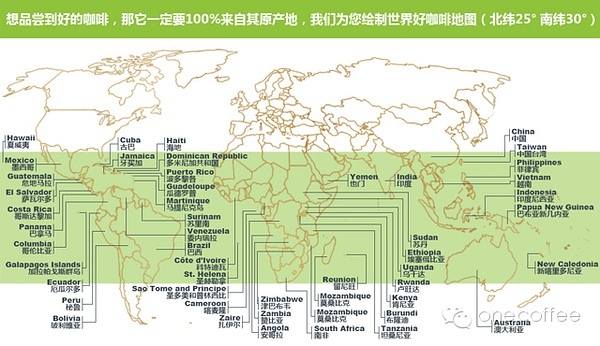 |
53 Coffee-Producing Regions |
Ethiopia has the world’s most diverse coffee cultivation systems and a complex ancient gene pool, plus diverse processing methods including natural, washed, and semi-washed, presenting complex and variable flavors. It can be said that the “flavor spectra” of most coffee-producing regions worldwide can be tasted here, reflecting Ethiopia’s all-embracing “king’s flavor.” Peter Giuliano (former president of the SCAA), a driving force of the third wave of specialty coffee, once said: “When cupping each lot of Ethiopian coffee, I often taste new flavor territories never encountered before. Stepping onto the land of Arabica evolution is like jumping into a sea of genes and beginning to experience the unpredictable boundaries of coffee aroma.”
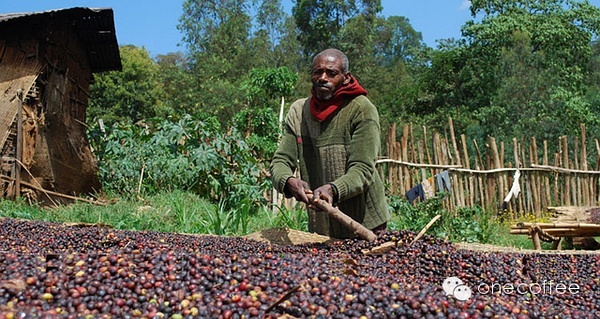
Ethiopia is the cradle of Arabica; growing coffee, roasting coffee, and brewing coffee are local cultural traditions. Farmers habitually interplant coffee with enset, grains, vegetables, and fruits in their fields, and store dried coffee cherries: on the one hand, using them as currency; on the other hand, for socializing, weddings, funerals, and religious activities. Traditional Ethiopians even drink coffee to celebrate when livestock give birth.
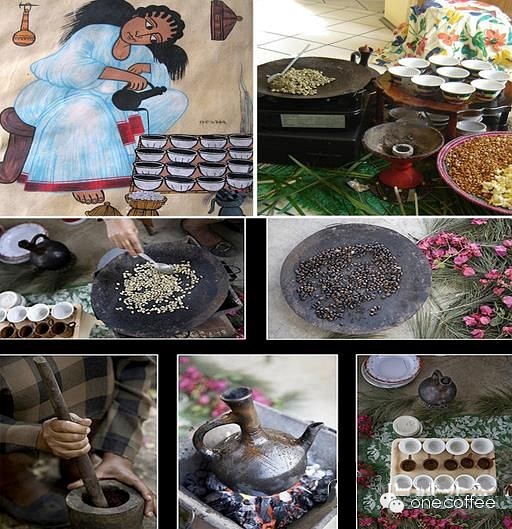
Ordinary households have fixed times, places, and rituals for drinking coffee, as solemn as Christians attending church, called the “Bunna ceremony.” Their traditional methods and utensils for making coffee are completely different from the general ways we extract coffee today, and the coffee they make also has a unique flavor.
 |
|
|
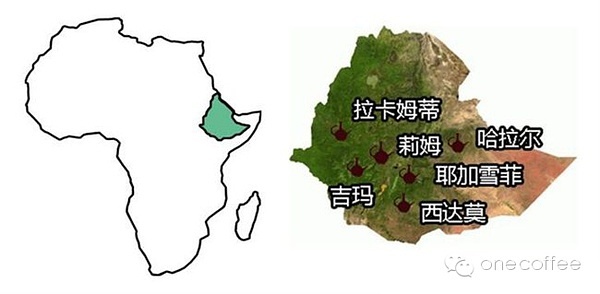
Ethiopian coffee-producing regions are divided into east and west by the East African Rift Valley, with lakes, volcanoes, lowlands, highlands, and woodlands interwoven, each evolving separately. Ethiopia has the world’s most diverse coffee ecosystems (forest coffee, semi-forest coffee, garden coffee, and plantation coffee), which has also allowed its rich Arabica genes to be preserved. The eastern half is mostly highlands, and the coffee beans generally taste better, such as Yirga Cheffe and Sidamo, which are famous for their bright acidity, and Harar, with its fascinating “complex aromas”; the western half is covered by large areas of primary forest, mostly in completely natural evolution, creating even more complex coffee varieties. Coffee varieties in the Kaffa forest in the southwest have extremely strong disease resistance. Due to natural evolution and little artificial selection, their overall flavor is slightly inferior to that of the eastern half.
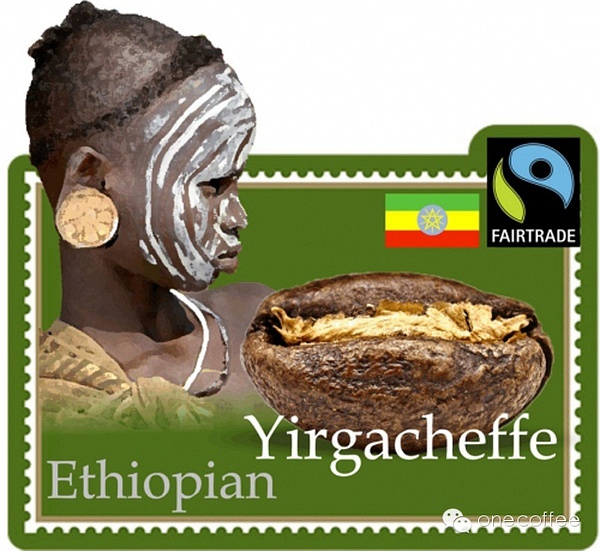
Yirga Cheffe is a small town in eastern Ethiopia, at an altitude of 1,800–2,000 m. In the ancient language, “Yirga” means “to settle down,” and “Cheffe” means “wetland.” Yirga Cheffe belongs to the Sidamo producing region. Because of its unique jasmine aroma and citrus acidity, it is much loved in specialty coffee circles worldwide, and this special mouthfeel is also known as the “Yirga Cheffe” flavor. According to the defect rate of green beans, Yirga Cheffe can be divided from best to worst into five grades, G1–G5. It is generally washed, but a small amount of exceptional beans is deliberately processed naturally to enhance the captivating fruity aroma and body.
 |
Ethiopia |
The Sidamo producing region is very close to Yirga Cheffe, and the flavor is also similar. After fine washing or natural processing, it likewise has floral and citrus notes, with soft acidity, and its status is no less than Yirga Cheffe. Like Yirga Cheffe, this variety has medium-sized beans but also includes dwarf small-bean varieties. Sidamo coffee is generally roasted light to medium to preserve the variety’s bright acidity and intoxicating floral aroma.
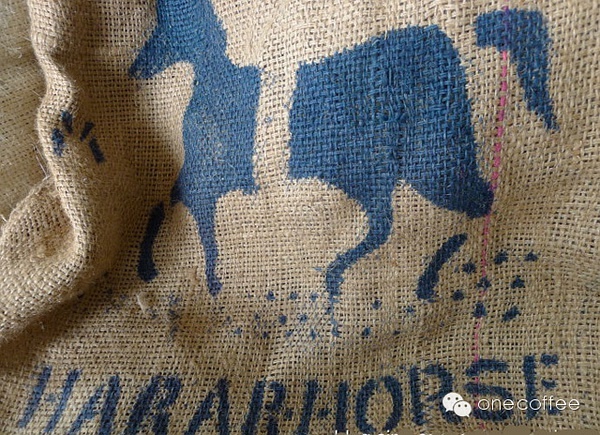
Harar coffee is famous for its complex aromas and is a typical example of the old-fashioned flavor. Together with Yirga Cheffe, it is listed as the “Twin Stars of Ethiopia.” The Harar producing region has a dry and cool climate and uses only natural processing. If defective beans are sorted out cleanly, it is easy to taste berry aromas, with a slight pleasant fermented complex aroma. However, farmers here habitually mix specialty grade with commercial grade, so the quality of the coffee beans is not stable.
 |
|
|
The Limu region is the only specialty coffee-producing region in the western half. Its output is relatively small, mainly exported to European and American markets, and it is rarely seen in Asia. There are three processing methods: washed, natural, and semi-washed. For Europe and the United States, washed Limu ranks second only to Yirga Cheffe. Limu’s flavor spectrum differs from Sidamo and Yirga Cheffe. Its viscosity is noticeably lower, and its floral and citrus acidity are also inferior to Yirga Cheffe and Sidamo, but it has an extra grassy note and brown sugar aroma, with bright fruit acidity.
Ethiopia has nine major coffee-producing regions. In addition to the four specialty regions mentioned above, there are also some regions mainly growing export commercial beans, including: Jimma, Illababor, Gimbi, Teppi, and Bebeka, etc., all distributed in the western half. Ethiopia possesses such a massive coffee gene pool, and it is believed that many unknown excellent varieties have yet to be discovered, which gives us a unique sense of mystery and anticipation. Let the specialty coffee journey begin with this ancient country!
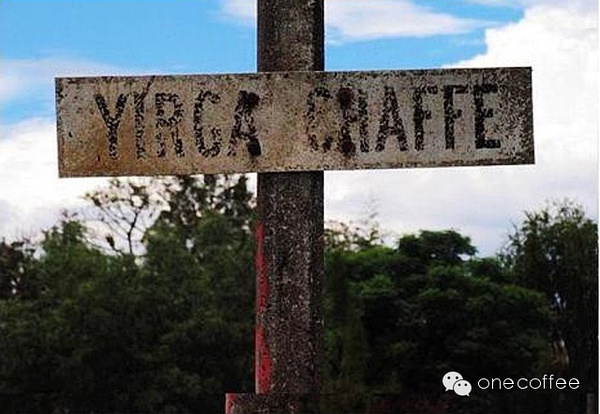 |
Yirga Cheffe |
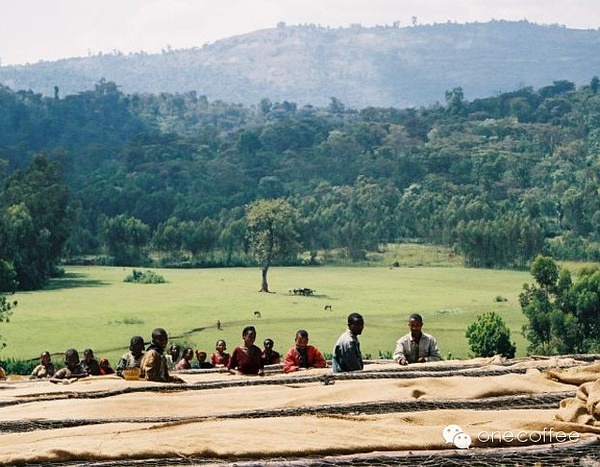 |
Coffee Estate |
|
53 Coffee-Producing Regions |
|
Ethiopia |
The above content is compiled by CoffeeHunters, a coffee news website.