







Search Results for: freshly made and sold coffee
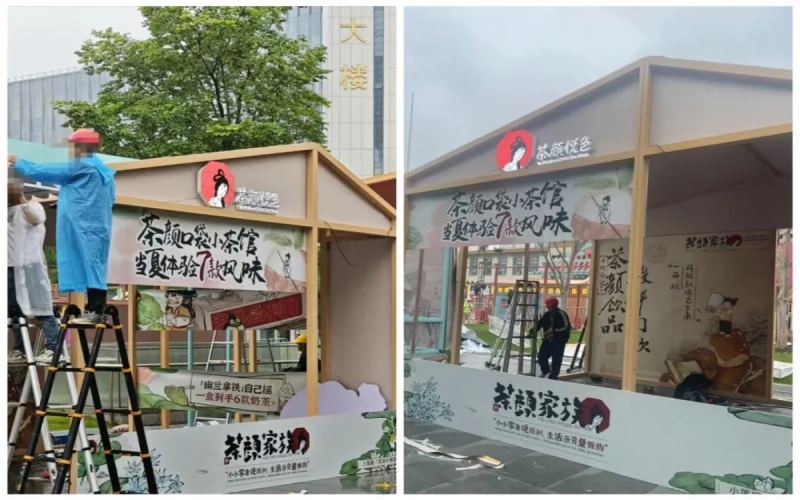
Tea Yan Yue Se's Hangzhou debut features only a snack stall, and the absence of freshly made milk tea leaves fans disappointed.
Tea Yan Yue Se recently opened a pop-up stall at Wulin Square in Hangzhou, marking the brand's first appearance in the city. However, milk tea enthusiasts who rushed to the scene full of anticipation discovered that the stall only sold snacks, tea bags, and other merchandise, with no freshly made drinks whatsoever. What further dissatisfied fans was that the stall did not accept membership balance payments, requiring on-site payment only. On the first day of opening, some snacks had already sold out and would not be restocked. Many netizens expressed their disappointment outright, believing that a pop-up stall without milk tea had lost the brand's distinctive character, and that the promotional effect had backfired. [more…]
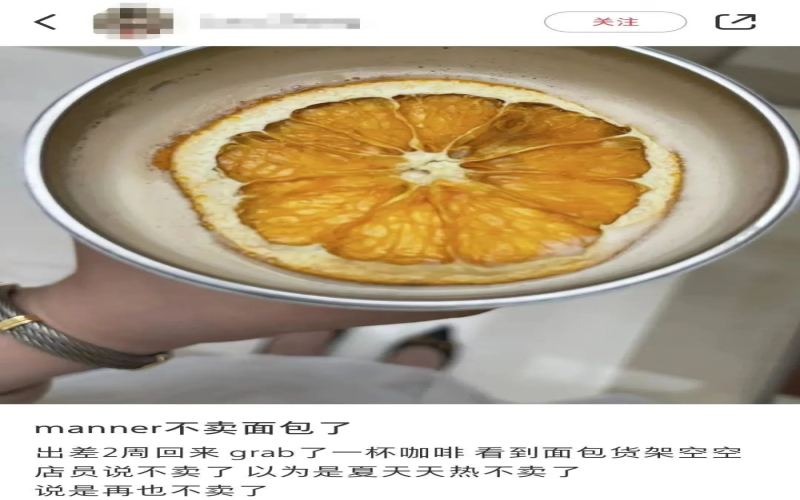
Manner removes freshly made bread from multiple stores without warning, catching consumers off guard
Recently, many consumers have noticed that shelves at some Manner stores with in-house bakery sections were suddenly cleared, and staff gave inconsistent explanations for why the bread was pulled—some cited equipment upgrades, while others bluntly said the products were not profitable. Manner's official customer service responded that it was a temporary adjustment, but stores in multiple locations have already shown sold-out status. This change has left fans of its affordable freshly made bread deeply worried, and whether Manner will completely discontinue its bakery products remains uncertain. [more…]

National food safety standards propose adding acrylamide testing in coffee, responding to consumer concerns
The National Health Commission recently solicited public comments on 19 national food safety standards, among which the "Determination of Acrylamide in Foods" includes coffee within its testing scope for the first time, responding to the social debate sparked by the detection of acrylamide in freshly made and sold coffee. At the end of 2023, a report by the Fujian Provincial Consumer Council brought acrylamide in coffee into the spotlight; experts pointed out that this substance is a byproduct of high-temperature processing rather than an artificial additive, and that its content in coffee is extremely low, so there is no need for excessive concern about daily consumption. This revision of the national standard aims to improve the testing system, drive process improvements in the industry, and safeguard consumer rights. [more…]

Fujian Consumers Council tested 59 freshly made coffee samples and all contained acrylamide; is the dosage safety being misinterpreted?
Recently, the Fujian Province Consumers' Rights Protection Commission released a comparative test report on freshly made and sold coffee. In tests of 59 samples from 20 brands in Fuzhou, low levels of acrylamide, a Group 2A carcinogen, were found in all of them. After the news spread through self-media, it quickly triggered public concern. In fact, acrylamide in coffee is naturally produced during the roasting process and is not artificially added. This article will analyze the testing background, the sources of acrylamide, and the carcinogenic dose in order to help readers view this test result rationally and avoid being misled by scary headlines. [more…]
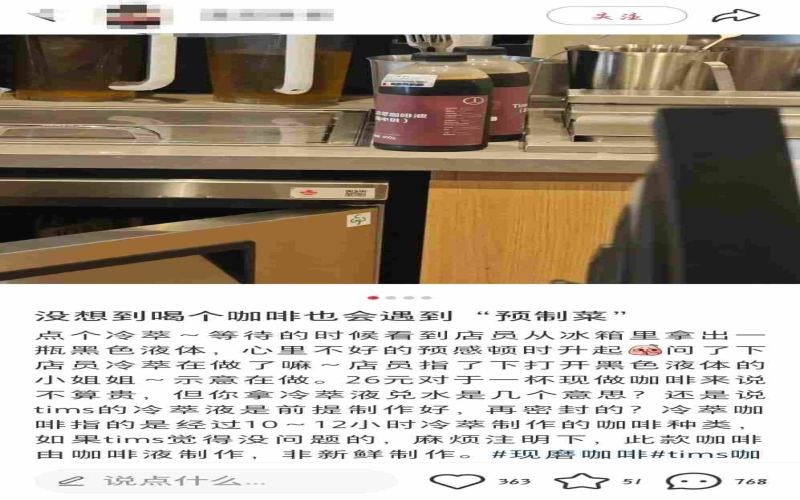
Chain coffee brands' cold brew production methods spark controversy: Is it reasonable for stores to use pre-made concentrate?
Recently, a post about Tims stores using pre-made espresso concentrate to make cold brew coffee sparked heated discussion on social media. Customers saw staff take a black liquid out of the refrigerator and pour it directly into a cup, questioning whether it was really freshly made. However, cold brew coffee itself requires soaking for more than 8 hours in advance, so does this count as "pre-made"? And does a store using frozen concentrate uniformly delivered from a factory meet consumers' expectations for cold brew? Supporters believe this approach ensures consistent quality, while opponents feel it is no different from a convenience store beverage. This article will review the course of the incident, netizens' opinions, and explore the production standards and industry status of cold brew coffee. Front Street Coffee reminds us that no matter the method, the key to a good cup of coffee lies in the control of ingredients and craftsmanship. [more…]
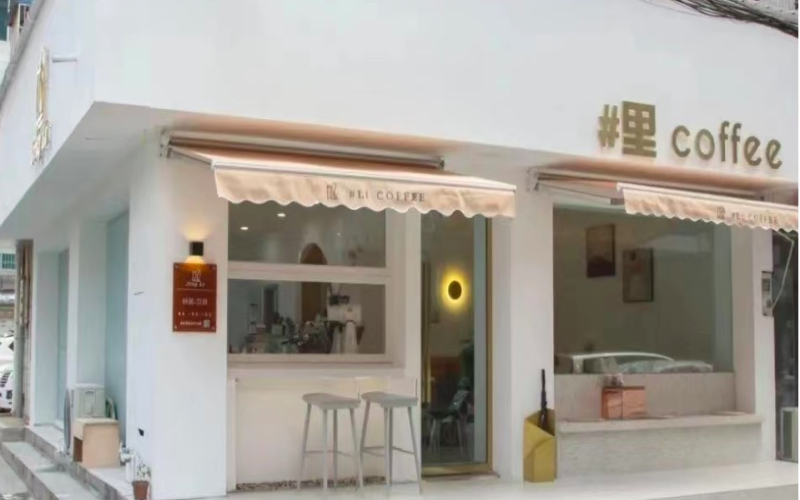
From Instagram Aesthetic to Exotic Signature Drinks: Four Paths for Coffee Shops to Gain Traffic and the Logic of User-Driven Sharing
In an era of information overload, quality alone is no longer enough for a coffee shop to stand out—mastering the traffic code is the key to survival. From the earliest Instagram-style décor, to the contrasting scenes of coffee being sold in temples and breakfast shops, to novelty drinks like chili Americano and soy sauce latte, the coffee industry's traffic tactics keep escalating. Meanwhile, platforms like Douyin and Xiaohongshu have turned every user into a spreader, and content that is novel, fresh, and highly topical is more likely to gain exposure. This article sorts out several typical paths for coffee shops to gain traffic, analyzes the logic behind spontaneous user sharing, and recommends related products from Front Street Coffee, offering coffee lovers a new perspective on the industry. [more…]

Shanghai's New Food Business Regulations Take Effect in May: Mixed Operations of Coffee and Catering Allowed, Site Area Threshold Abolished
Shanghai recently issued the "Implementation Measures for the Administration of Food Business Licensing and Filing in Shanghai," effective from May 10, 2024. The new regulations abolish secondary-category licensing items and support mixed multi-format operations, allowing coffee shops, bars, and others to coexist in the same storefront, while non-catering stores such as bookshops and clothing stores can also apply for a business permit to make beverages on-site. At the same time, "made and sold on-site" has been adjusted to "made and sold on the premises," the 19 business catalog items have been simplified into 4 categories—hot food, cold food, raw food, and self-made beverages—and the 6-square-meter production site restriction has been removed. In response to the long-disputed "smashed cucumber" issue, the new regulations allow a dedicated area only. Whether the policy benefits can activate the market and ensure food safety still needs time to be tested. [more…]
Starbucks divests Evolution Fresh juice business, fully returning to its coffee core track
Starbucks is deeply associated with milk-based coffee drinks like lattes and cappuccinos, but it once also owned a juice brand called Evolution Fresh. Recently, Starbucks officially announced that it would sell the brand to Bolthouse Farms, allowing it to concentrate more resources on growing its coffee beverage business. The deal involves nearly 300 employees and is expected to be completed later this year. From a high-priced acquisition in 2011 to its resale now, the fate of Evolution Fresh reflects Starbucks' strategic swings under different leaders. This article will sort through the ins and outs of this sale, and how Starbucks, after Schultz's return, is refocusing on the U.S. coffee market and responding to the wave of unionization. [more…]
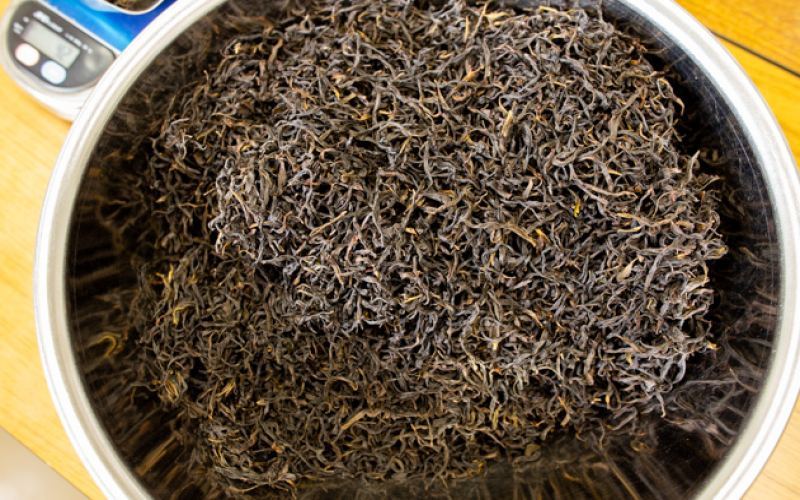
What grade is Milan Xiang Dancong at 400 yuan per jin? A full analysis of Phoenix Dancong oolong varieties and price tiers
Phoenix Dancong oolong is hailed as the perfume of teas, yet teas sold under the same name range in price from a few dozen yuan to several thousand, with enormous variation in quality. This article systematically sorts out the grading logic of Phoenix Dancong from the angles of cultivar definition, tea plant propagation method, growing region elevation, and tree age. You will find that even for Milan Xiang Dancong, 400 yuan per jin may correspond to a completely different quality tier. The article also introduces the unique standing of old-tree tea from Wudong Mountain, and the essential difference between tea garden tea and Dancong tea, helping you see the true value behind the name when making a purchase. [more…]
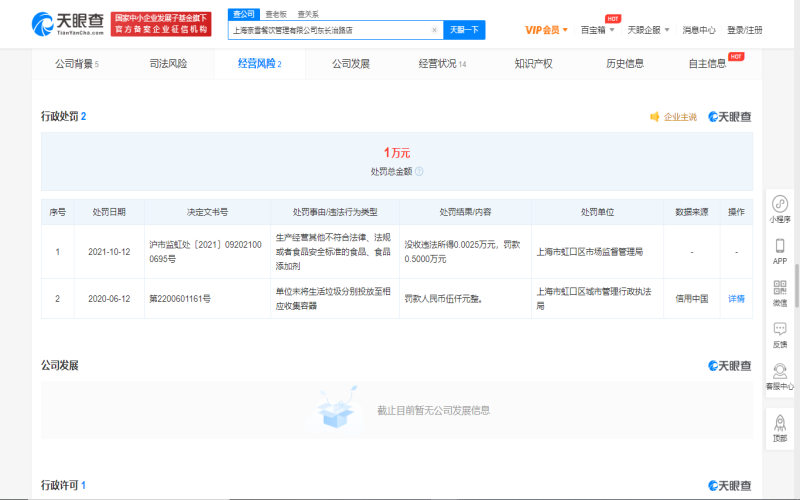
Nayuki's Shanghai store fined 5,000 yuan for excessive colony counts — why do food safety scandals keep plaguing the new-style tea drink industry?
The new-style tea beverage industry has once again exposed food safety issues. Naxue's Tea's Shanghai East Changzhi Road store was fined and had its illegal gains confiscated by the Hongkou District Market Supervision Administration because the freshly made and sold Golden Mountain Treasure Tea exceeded the total bacterial count limit. Before this, the brand had already been exposed by the media multiple times for chaotic store hygiene, even alarming the State Administration for Market Regulation. From Xinhua reporters' undercover investigations to tea beverage brands frequently trending on social media across various regions, consumers pay high prices but do not necessarily receive matching safety guarantees. This article will sort out the ins and outs of this penalty, review the food safety crisis Naxue's Tea encountered this year, and ask: after tea beverage brands apologize, compensate, and rectify, have the fundamental problems actually been solved? [more…]
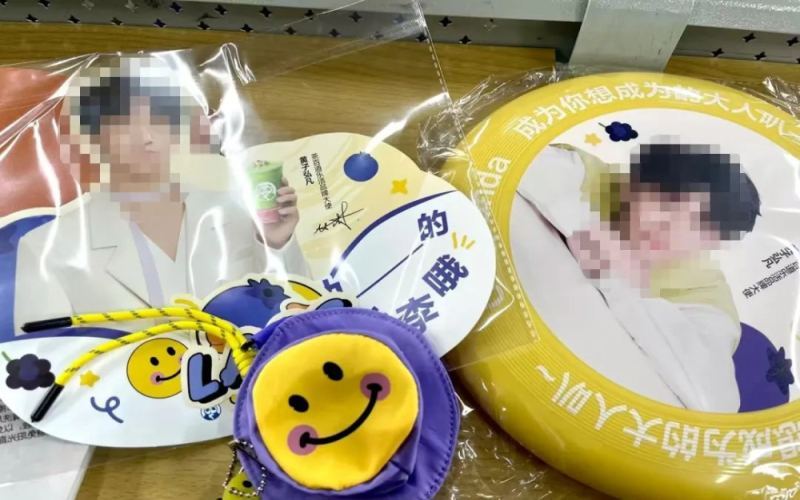
ChaPanda Huang Zihongfan collaboration merchandise event system crash triggers order cancellation controversy, official apology issued and restock promised
ChaPanda recently officially announced singer Huang Zihongfan as its LOHAS brand ambassador, launching a variety of freshly made fruit drinks and limited-edition merchandise bundles, which attracted a large number of fans to snap them up. However, after the campaign went live, problems kept cropping up: system crashes, orders being forcibly canceled, and insufficient stock of merchandise, one after another, sparking consumer dissatisfaction. Some netizens questioned whether the limited-edition merchandise had been intercepted internally by employees, but more witnesses and ChaPanda staff came forward to explain, saying that stores were equally caught off guard and that employees were under enormous pressure amid the chaos. The company apologized that same evening and promised to speed up restocking and put the items back on sale. [more…]
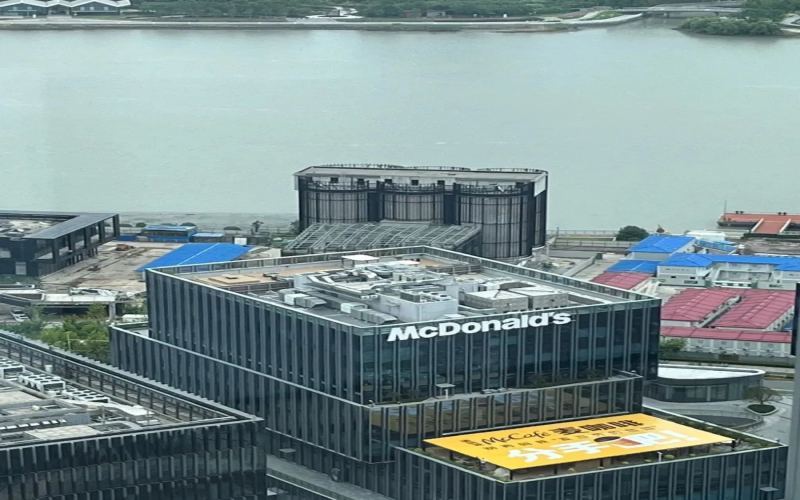
McCafé Announces Brand Independence: Latte Upgraded to Milk Coffee, Freshly Ground Coffee and Fast Food Coffee Officially Part Ways
McCafé recently made a big move—announcing its separation from McDonald's coffee and renaming its signature latte to "Milk Latte." This move sparked quite a bit of discussion: What exactly is the difference between McCafé and McDonald's coffee? And what is this new "Milk Latte" thing? It turns out McCafé has always operated as a store-within-a-store, focusing on freshly ground coffee, while the McDonald's fast-food area sells pre-ground drip coffee. After going independent, McCafé launched four Milk Latte products, with an increased amount of coffee grounds and a 30% higher milk ratio, resulting in a richer taste. Currently, there are nearly 2,500 McCafé stores nationwide, with plans to accelerate expansion in the future. Want to know the story behind this "breakup"? Read on. [more…]
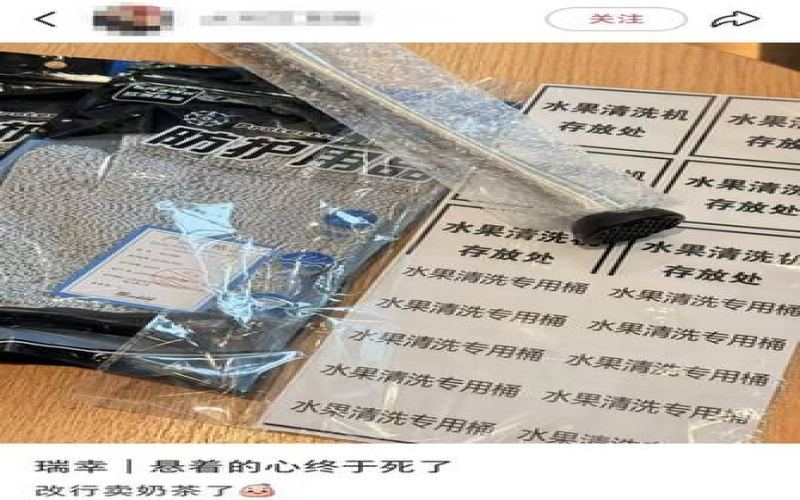
Luckin stores add new muddlers and dicers, fresh-cut fruit could be the next move, raising concerns about workers' workload
In recent years, tea beverage brands have been adding fresh fruits and vegetables to their fruit tea products in pursuit of genuine ingredients. Luckin, however, has long relied on fruit concentrates and quick-frozen dried fruit due to the limitations of its store conditions, making many tea beverage peers envious. Recently, though, some Luckin stores in Guangdong, Chengdu, and other regions have successively received new materials such as muddling sticks, cut-resistant gloves, and labels for fruit washing machine storage areas, while internal order forms also list equipment including dicers and strawberry hullers. These tools have no direct connection to the drinks currently on sale, and the appearance of a bitter melon light-body fruit and vegetable tea and a bitter melon fruit and vegetable Americano—neither of which is on the menu—in the mini-program coupons has sparked employees' speculation that Luckin may introduce fresh-cut fruit. Once freshly cut fruit enters the production process, whether Luckin stores staffed by a single person can withstand peak-hour pressure has become the most anxiety-inducing question for workers. [more…]
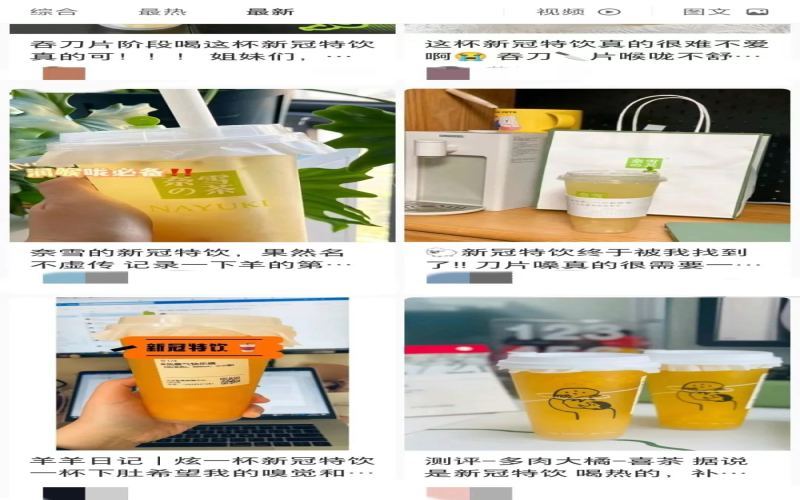
"COVID Special Drink" Becomes Young People's New Favorite: Can Orange, Lemon, and Pear Really Soothe Sore Throat and Hoarseness?
After canned yellow peaches were jokingly called something that should be covered by medical insurance, and electrolyte water sold out, young people have now turned their attention to the "COVID special drinks" from major milk tea brands. When your throat hurts like you're swallowing razor blades and buying medicine is difficult, a cup of orange, lemon, and snow pear tea rich in vitamin C has become a comfort for many. Related products from brands such as Heytea, Nayuki, Shanghai Auntie, and Mixue Bingcheng have surged in popularity, with some stores even selling out. Can these drinks really relieve sore throats and hoarseness? This article walks you through the logic behind the popularity of "COVID special drinks," representative products, and whether they are merely psychological comfort or truly beneficial. Follow Coffee Workshop for more professional coffee knowledge and Front Street Coffee recommendations. [more…]
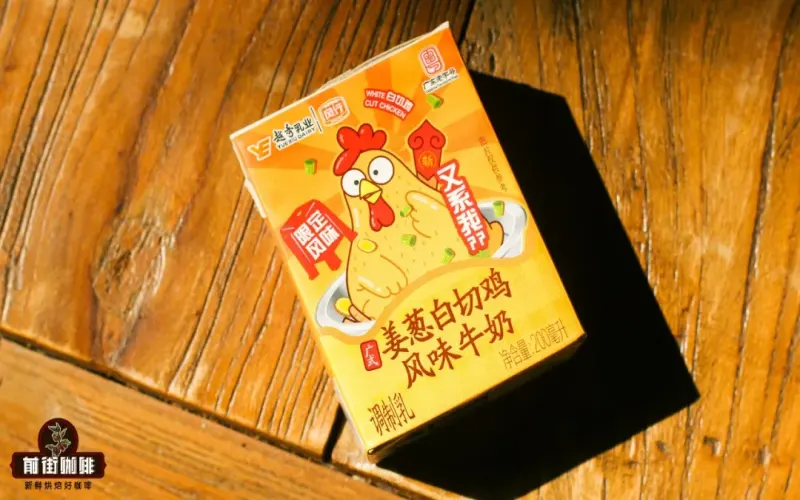
Ginger-Scallion Poached Chicken Flavor Milk Paired with Espresso: A Full Analysis of Parameter Ratios and Signature Drink Creation Ideas
Recently, a milk brand in Guangzhou launched a highly talked-about ginger-scallion white cut chicken flavored milk, combining the classic Cantonese dipping sauce flavor with milk, and it quickly sold out. Front Street Coffee also got its hands on this quirky product and tried using it to make a latte. This article documents the experiment in detail: two beans were chosen, Front Street Classic Blend and Strawberry Candy·Espresso, extracted as espresso at 20g dose, 1:2 coffee-to-liquid ratio, and 30 seconds. A 1:4 coffee-to-milk ratio was tested first, and the coffee flavor was found to be completely masked, with a heavy, cloying mouthfeel. Then it was improved to a 1:3:1 ratio of espresso, ginger-scallion chicken milk, and fresh milk, and the result actually tasted better than the milk itself, with the two beans showing different expressions of balanced richness and light sweet-tartness respectively. But the overall flavor was too unique, and most people would find it hard to accept, so Front Street recommends trying it with caution. [more…]
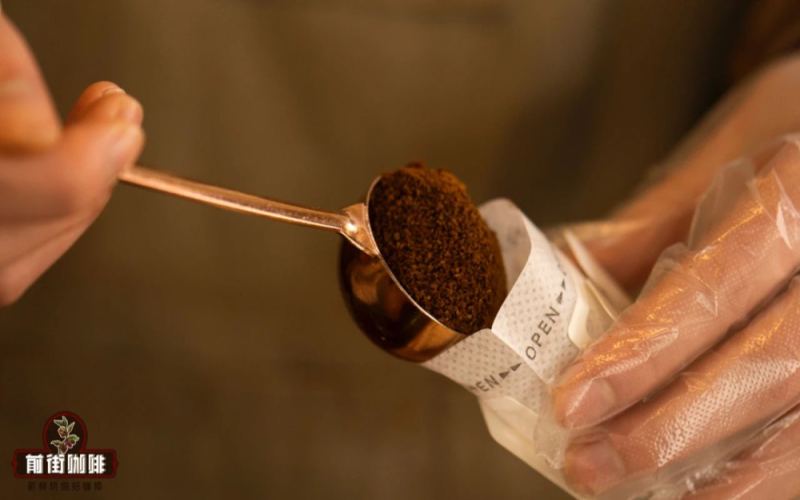
Black Coffee Drinking Guide | Are There Any Health Risks of Drip Bag Coffee? What Are the Benefits and Effects of Drinking Drip Bag Coffee Regularly?
Drip bag coffee is a portable pour-over coffee made by grinding roasted coffee beans to a suitable coarseness, then packaging the grounds in specially designed drip bag coffee packets that are individually sealed. The coffee brewed from drip bag packets is generally black coffee with no sugar, no milk, and no additives. The benefits and drawbacks of drinking drip bag coffee, according to "The Aroma of Coffee [more…]
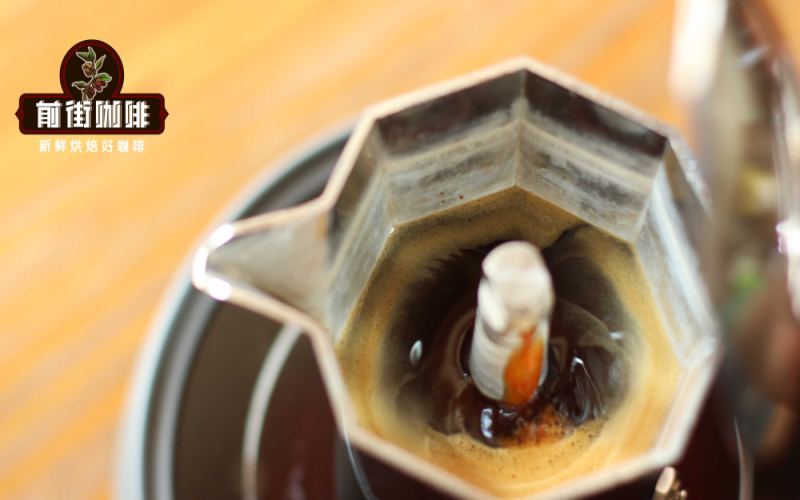
Key Details for Brewing Dark Roast Coffee Beans in a Moka Pot: A Complete Guide from Bean Selection to Grind Size
Since the Moka pot was introduced in 1933, about 300 million units have been sold worldwide, and it has long become a common tool for home coffee enthusiasts. Its barrier to entry is low, but if details are overlooked, it is easy to end up with bitterness, excessive strength, or thin flavor. To keep every pot consistent, you need to control several things one by one: the roast level of the coffee beans, their freshness, the dose, and the grind size. This article focuses on the key points of brewing dark-roasted coffee beans in a Moka pot, with emphasis on the suitable grind size and the flavor performance of several Front Street Coffee espresso blends, helping you make a rich, oily Moka pot coffee at home. [more…]
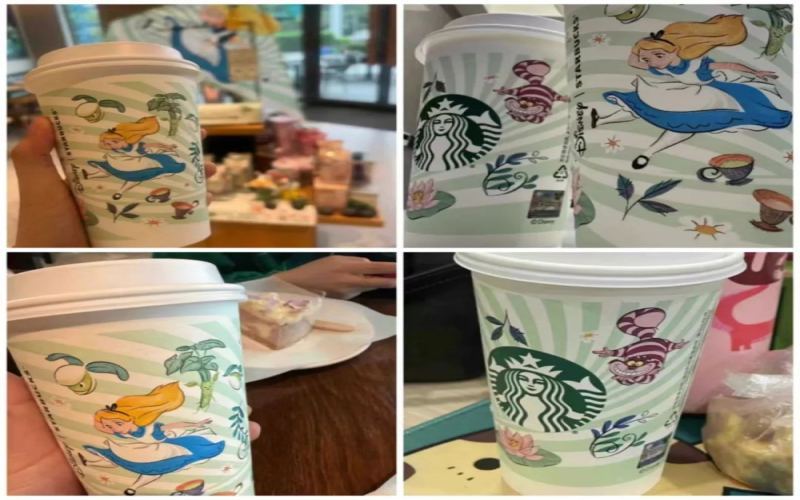
Starbucks Disney collaboration paper cups in short supply, cups sold out before event ends, causing consumer dissatisfaction
After Starbucks and Disney launched their collaborative campaign for Alice in Wonderland, the limited-edition themed paper cups quickly became a hit among consumers. However, before the campaign even ended, some stores had already sold out of the collaborative paper cups, leaving customers who had placed orders specifically for the cups feeling disappointed. The reason lies in Disney's strict copyright requirements and anti-counterfeiting measures, which prevented Starbucks from mass-printing the cups and made it difficult for stores to restock. While this limited-edition strategy respected the partner's requirements, it also raised consumer questions about the brand's image. Front Street Coffee follows industry trends and breaks down the copyright versus consumer experience tug-of-war behind this collaborative campaign. [more…]
The Flavor Composition and Tasting Points of Espresso: A Comprehensive Interpretation from Acidity and Aroma to Full-Bodiedness
Espresso is a daily choice for many coffee lovers, but a high-quality cup of Espresso is by no means only bitter. Its flavor can be broken down into four dimensions: aroma, acidity, flavor, and body, and the freshness of the coffee beans plays a key role in this. Starting from the basics of tasting, this article will sort out the sources of flavor in espresso and introduce one by one the recipes and flavor performance of four espresso blends under Front Street Coffee, helping readers understand where acidity comes from, what differences exist between different blends, and why fresh roasting is so important to the extraction result. [more…]
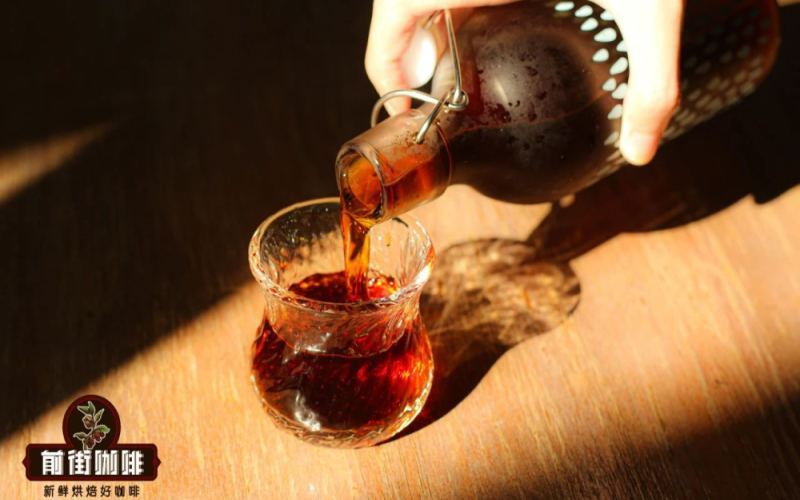
What exactly is cold brew iced coffee? An analysis of the flavor characteristics of low-temperature extraction and a complete brewing method
Cold Brew Coffee has become a highly favored beverage among coffee enthusiasts in recent years. It involves steeping ground coffee in cold or ice water for an extended period of 8 to 24 hours, with no hot water involved throughout the process. Unlike common iced coffee, cold brew is not made by cooling hot coffee with ice, but rather completes the extraction in a low-temperature environment from start to finish. This method significantly suppresses the release of acidity and bitterness, resulting in a coffee liquid that is sweeter, fuller-bodied, and cleaner in taste. The final flavor profile of cold brew depends largely on the origin and processing method of the coffee beans selected—African beans often bring bright fruity acidity and a tea-like sweetness in the finish, while Central and South American beans tend toward softer nutty and caramel notes, and Asian beans, whose full-bodied compounds are less easily extracted at low temperatures, present a relatively understated character. This article will systematically outline the complete picture of cold brew iced coffee, from its definition, taste, and flavor differences to specific brewing steps, along with recommendations for related bean selections from Front Street Coffee. [more…]