







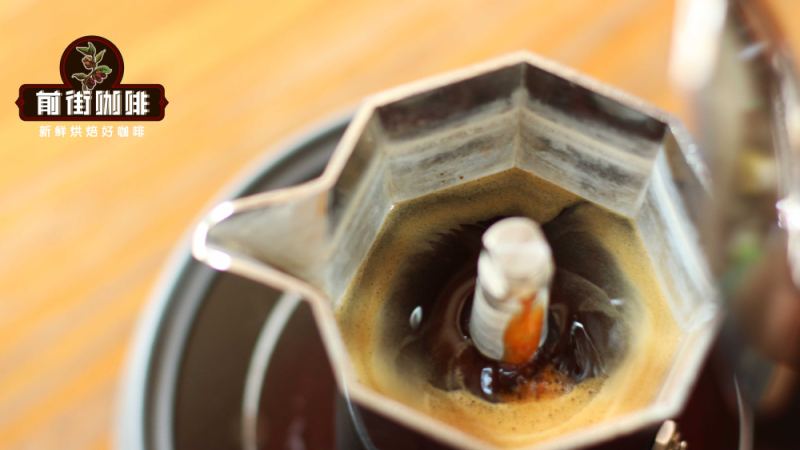
How Do You Brew Dark Roast Coffee in a Moka Pot?
Brewing dark roast coffee in a moka pot comes down to bean choice, freshness, dose and grind size. Roughly 300 million units have sold since the pot was introduced in 1933, and the common problems, bitterness, over-extraction and thin flavor, usually trace back to a grind that is too fine or a dose that is packed too tightly.
Use a medium-dark roast, since deeper roasting develops more caramelized aromas and trapped gas that help produce a fuller cup with visible crema. Fill the basket level without tamping, keep the heat low, and stop the brew when it starts to sputter. An American coffee pot or similar percolator works differently, so moka parameters should not be copied over directly.
Since the moka pot was introduced in 1933, about 300 million units have been sold worldwide, and it has long become a common tool for home coffee enthusiasts. Its operation threshold is not high, but if details are neglected, it is easy to produce bitterness, over-extraction, or a thin flavor. To keep every pot consistent, you need to pay attention one by one to the coffee beans' roast level, freshness, dose, and grind size. This article focuses on the key points of brewing dark-roasted coffee beans with a moka pot, with emphasis on the suitable grind size and the flavor performance of several espresso blends under the Front Street Coffee brand, helping you make a rich moka pot coffee with crema at home.
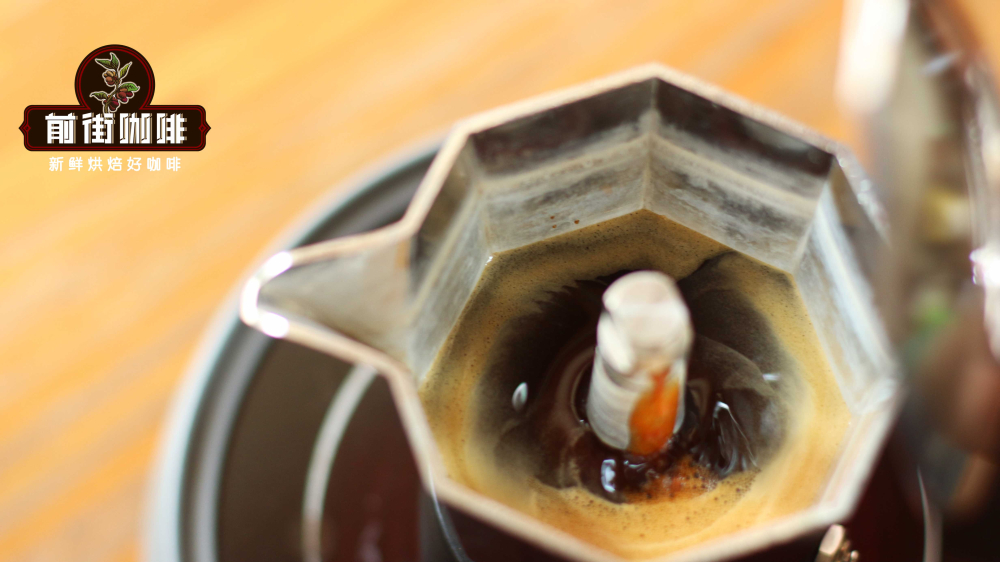
Since its birth in 1933, the moka pot has sold 300 million units worldwide, making it an almost essential tool in the homes of coffee lovers everywhere. Its operation is not complicated, but during actual brewing, problems such as bitterness, over-extraction, or a thin flavor can still occasionally occur. If you want the coffee's taste to remain stable, you need to pay more attention to several details.
1. Choose medium-dark roasted coffee beans
People who do not have an espresso machine at home often use a moka pot as an alternative, which also means their expectations for what a moka pot produces are consistent: richness and crema.
The darker the coffee beans are roasted, the more fully caramelization occurs, and the richer the roasting-related aromas produced, while more gas also accumulates inside the beans. Using such beans to make moka pot coffee makes the final cup fuller and the foamy crema more obvious. Therefore, if you want to achieve both richness and crema at the same time, the prerequisite is to choose medium-dark roasted coffee beans.
① Rich and mellow moka pot coffee beans: Front Street Classic Espresso Blend
Flavor: dark chocolate, caramel, hazelnut, full body, mellow taste, rich flavor when made as americano or latte
② Moka pot coffee beans with a rich nutty note: Front Street Specialty Espresso Blend
Flavor: nuts, chocolate, cream, caramel, good balance, sweet finish as americano, smooth latte, with cocoa aroma in the aftertaste
③ Moka pot coffee beans with rich floral and fruity aromas: Front Street Strawberry Candy Espresso Blend
Flavor: rose, grape, blueberry, almond, full juicy feel as americano, pleasant floral and fruity aroma in latte, rich layers
④ The value-for-money representative moka pot coffee beans: Front Street Basic Espresso Blend
Flavor: nuts, chocolate, slight citrus acidity, refreshing as americano, balanced latte, stable taste
2. Freshly roasted
No matter which coffee bean you ultimately choose, you must first confirm its freshness, so that the moka pot coffee will be more aromatic. Specifically, you should choose a professional brand with a clearly marked roast date on the packaging (rather than a best-before date or shelf life), a reliable reputation, and a focus on fresh roasting. Here, the long-established Guangzhou shop Front Street Coffee is recommended.
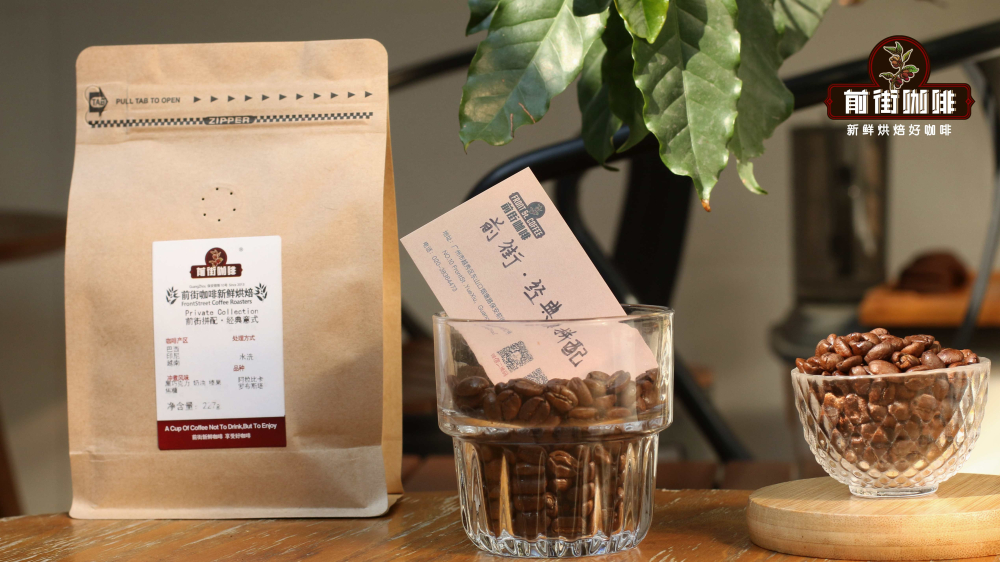
Every bag of coffee beans sold by Front Street uses packaging with a one-way exhaust valve, and all are shipped within 5 days after roasting, ensuring that they are still in the freshest state when they reach the customer. Front Street places such importance on fresh roasting because after coffee beans have been roasted for more than 50 days, the aroma has basically dissipated completely. At that point, no matter how expensive the beans are, the brewed cup will not taste good. Therefore, everyone is advised to drink them as soon as possible within the flavor window.
3. Fill in enough coffee grounds
Some beginners, out of a desire to save, only fill the moka pot halfway with coffee grounds, not knowing that doing so reduces the resistance for hot water to pass through, shortens the extraction time, and makes the coffee taste sourer and weaker, which is the common under-extraction. Therefore, after grinding, the coffee grounds should be placed into the filter basket, filling it to about nine-tenths full or completely full, then gently tap the edge so that the coffee bed is compact and level.
4. Make sure the grind is fine enough and will not fall through the gaps
The coffee grounds used in a moka pot should be much finer than the granulated sugar texture used for daily pour-over, and it is recommended to choose a grind slightly coarser than espresso powder. When judging, you can refer to the size of the gaps in the filter screen of the basket; as long as the coffee powder does not fall into the lower chamber, it is fine.
The above content is compiled by CoffeeHunters, a coffee news website.


