







Search Results for: four-pour
Segmented Extraction and Sweetness Release in Pour-Over Coffee: Flavor Changes Across the Beginning, Middle, and End Stages, and a Four-Pour Comparative Practice
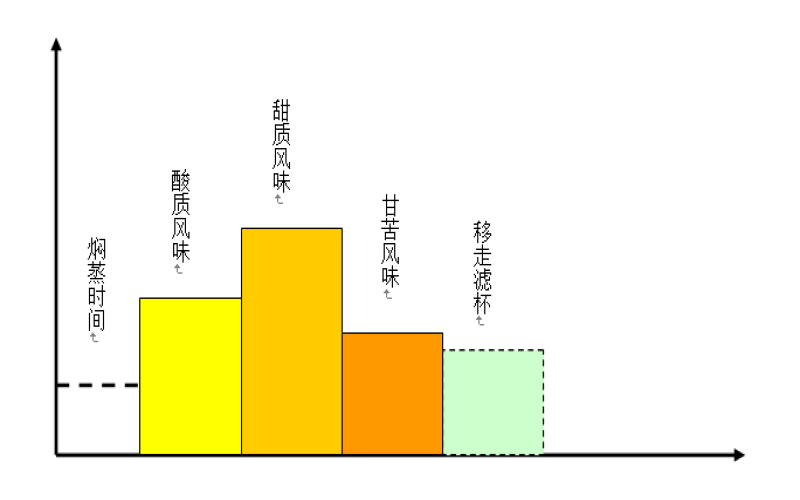
In pour-over coffee, staged pouring is a common technique for regulating flavor. The three tastes in coffee—acidity, sweetness, and bitterness—are not released at the same rate; hot water draws them out in sequence. This article uses Front Street Coffee's medium-roast Papua Bird of Paradise coffee beans as an example. With 15g of grounds, 225ml of total water, and a water temperature of 89°C, it employs three-stage and four-stage pouring respectively to compare the flavor differences in the early, middle, and late coffee liquid, helping you find the extraction stage where sweetness is most concentrated. It also explains how the number of stages affects extraction yield, operating time, and the risk of over-extraction, and offers practical ideas for improving the efficiency of sweetness extraction. [more…]
Unlocking the Complexity of Washed Coffee: A Full Guide from Processing Characteristics to the Four-Pour V60 Method
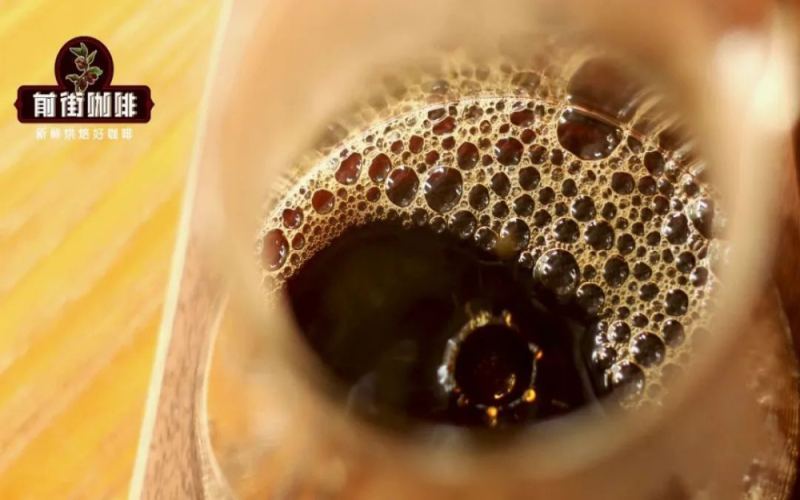
Many coffee enthusiasts feel that when they brew washed beans at home, the flavor always seems flat and lacking in layers. In fact, the clean and delicate character of the washed process itself is exactly what calls for a proper extraction approach to bring it out. Starting from the confusion of a devoted fan of washed beans at the Front Street cafe, this article systematically sorts out the processing characteristics of the washed method, the real difference between it and natural beans in terms of acidity expression, and, using Front Street's Little Tomato—a Kenya double-washed coffee—as an example, breaks down in detail a set of V60 four-pour brewing parameters to help you brew a washed coffee with clearly defined layers and a solid, juicy feel. [more…]
Where Does the Floral Aroma of Ethiopian Washed Yirgacheffe Come From? Single-Origin Pour-Over Parameters and a Four-Pour Practical Guide
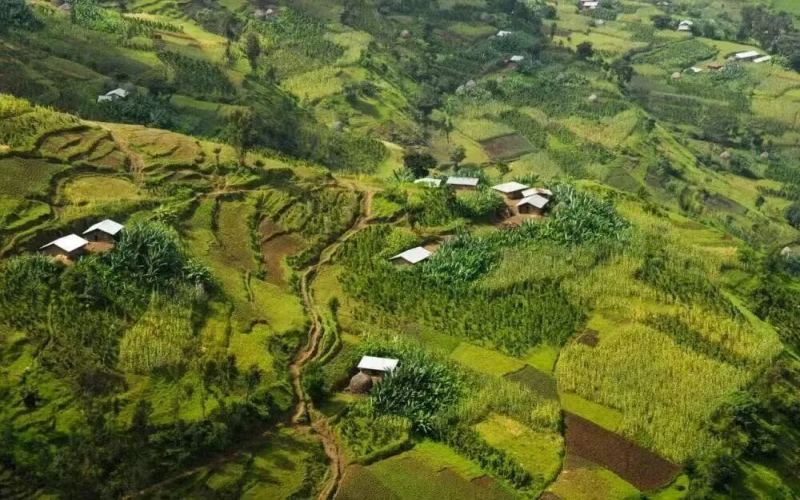
Yirgacheffe is one of Ethiopia's most recognizable specialty coffee regions, and the signature white florals and citric acidity of the "Yirgacheffe flavor" owe much to the introduction and popularization of the washed processing method. This article covers the region's terroir and processing history, explains how the flavors are formed, and provides a complete pour-over recipe for Front Street Coffee's washed Yirgacheffe single-origin beans: 15g of grounds, a 1:16 coffee-to-water ratio, 92°C water temperature, four-stage pouring, and a total extraction time of about 2 minutes 28 seconds, ultimately presenting jasmine florals, citrus and apricot notes, and a honey green tea finish. Whether you are just getting into single-origin coffee or looking to refine your brewing details, these parameters and this rhythm are worth referencing. [more…]
Yirgacheffe Brewing Guide: Flavor Profile, Causes of Light Roast Clogging, and a Four-Pour Practical Method
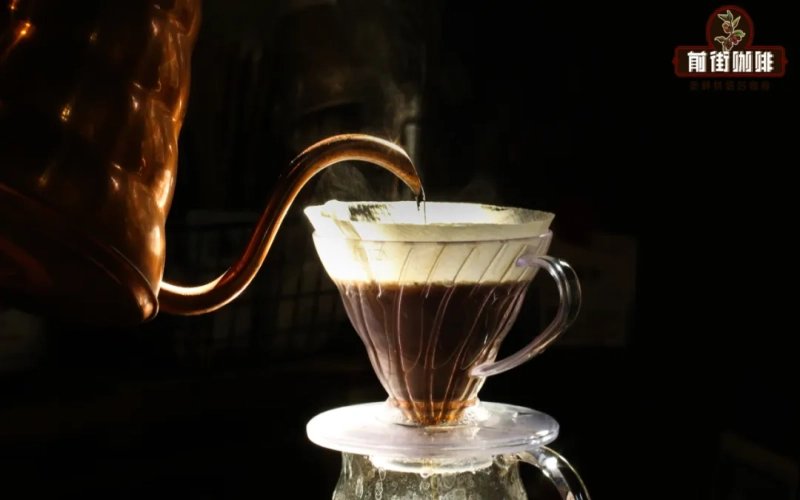
Yirgacheffe is one of Ethiopia's most recognizable regions, where high altitude and the washed process together shape its classic flavor profile centered on citric acidity, white florals, and a green tea finish. Yet many coffee enthusiasts always run into two problems when brewing: first, the filter paper clogs easily, and second, it is hard to brew that clear, clean "Yirgacheffe taste" they remember. From Front Street's perspective, this article first clarifies the origins of Yirgacheffe's flavor and its regional background, then analyzes the root causes of why light-roasted, high-density beans clog the filter paper and extract unevenly during brewing, and finally uses washed Gudingding as an example to fully demonstrate a practical approach with high water temperature, fine grind, and four small pours, helping you consistently recreate a bright, refreshing cup of Yirgacheffe. [more…]
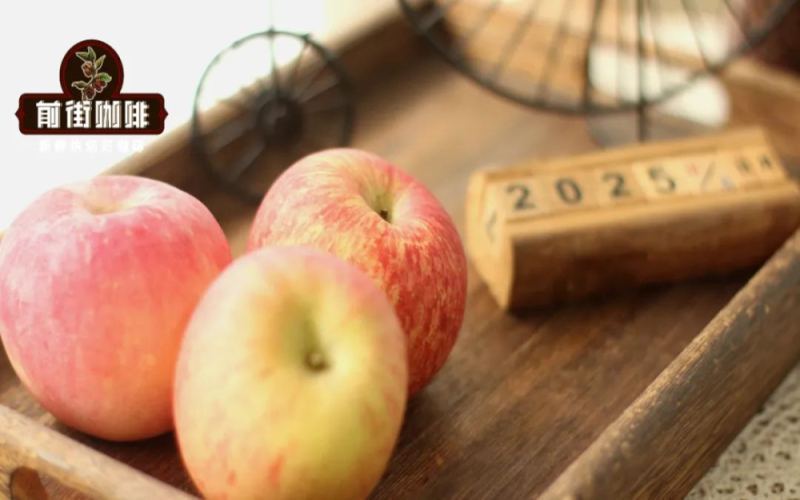
Apple Sailor Pour-Over Coffee Practical Guide: Complete Parameters and Flavor Comparison from Bean Selection to Four-Pour Technique
Using apple-infused water instead of regular drinking water to brew coffee has recently attracted considerable attention in the coffee community. Front Street Coffee conducted multiple rounds of hands-on testing on this, breaking down the feasibility and flavor performance of this approach step by step—from bean selection and apple water boiling time to pouring technique. This article provides a complete record of Front Street's brewing process and tasting results using three beans: Sidamo Santa Vini, washed Yirgacheffe, and Panama Geisha, along with a comparison against versions brewed with Nongfu Spring water, analyzing the effect of apple water's mild acidity on coffee flavor extraction, offering coffee enthusiasts a reproducible operational reference. [more…]

Analysis of the Principles of Segmented Extraction in Pour-Over Coffee: Flavor Release Patterns at Each Stage and Practical Brewing Applications
There are many different pour-over brewing techniques, and staged pouring is widely recognized as an effective way to enhance a coffee's complexity. But have you ever wondered exactly which flavor compounds each pour extracts from the coffee? Front Street Coffee conducted a comparative experiment, selecting a light-roasted fruit-acid Kenya Kirinyaga AA and a medium-roasted nutty Yunnan natural Typica, using a four-pour method to collect the coffee liquid from each stage separately. After tasting each one, they revealed which flavor components are respectively responsible during blooming, the middle stage, and the final stage. Building on this, this article further summarizes how to apply these extraction patterns to actual brewing—how to adjust parameters to highlight sweetness, and how to distribute water to achieve a juicy mouthfeel—offering concrete, actionable ideas for each. [more…]
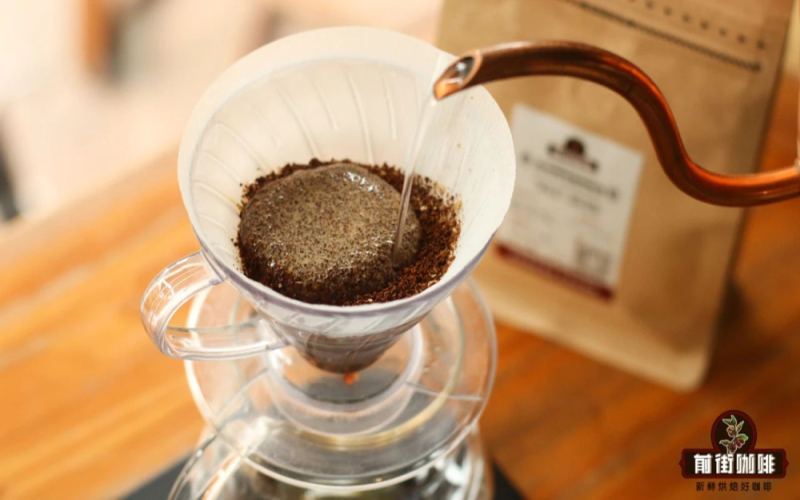
手冲咖啡完美萃取的核心原理与参数详解:从金杯理论到实操冲煮方案 The Core Principles and Parameters of Perfect Pour-Over Coffee Extraction: From the Golden Cup Theory to Practical Brewing Methods
Behind the birth of a good cup of coffee lies a precise and complex chemical interaction between water and coffee grounds. From roast level to grind size, from coffee-to-water ratio to pouring technique, every variable quietly shifts the final flavor trajectory. From the perspective of Front Street, this article systematically sorts out the scientific logic of coffee extraction, explains the golden range of strength and extraction yield in the Specialty Coffee Association of America's Golden Cup theory, analyzes the correspondence between grind size and extraction time, and, using the Taobao best-selling Front Street Hacienda La Esmeralda Diamond Mountain as an example, presents a complete four-pour brewing method to help coffee lovers find the ideal expression of balanced acidity, sweetness, and bitterness in practice. [more…]

How to brew sweetness from light-roast coffee? A guide to selecting and brewing floral and fruity pour-over beans
Specialty coffee is becoming increasingly popular, and light-roasted, floral-and-fruity pour-over beans have become a favorite among many enthusiasts. But light roasting doesn't mean only sourness. How to brew a cup of fruity-acidic coffee with balanced sweetness and acidity—or even a honey-like sweetness—is a puzzle for many. Starting from the relationship between roast level and flavor development, this article teaches you to judge a coffee bean's "sweetness content" through flavor descriptions, and recommends several Front Street Coffee beans that are ideal for pour-over and stand out for their sweetness. Finally, using the hit Front Street. Xizhua as an example, it breaks down in detail the four-pour parameters and technique to help you brew a clear, sweet coffee with a full body and a long-lasting finish. [more…]
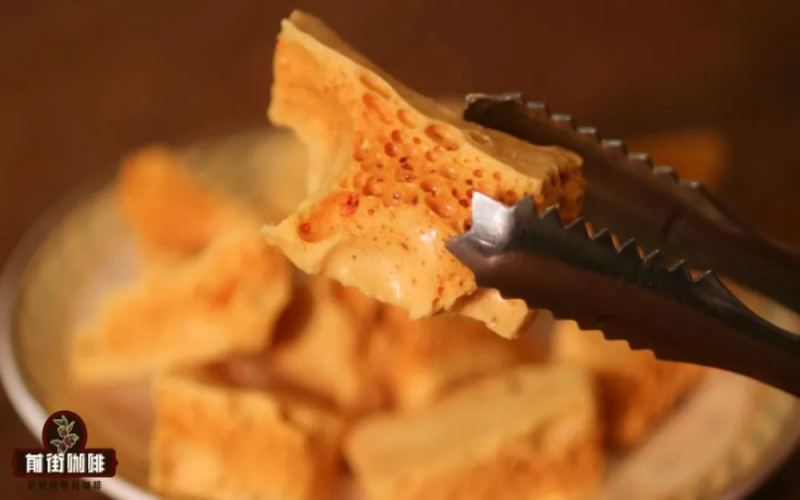
Where does the caramel flavor in coffee come from? How to bring out caramel notes through brewing parameters and techniques
Caramel notes are a common and appealing flavor descriptor in coffee, originating from the caramelization and Maillard reactions during roasting, and most often appearing in the finish and sweet aftertaste of medium-roast beans. This article begins with the causes of caramel notes, sorts out which producing regions and roast levels are more likely to present this flavor, and offers several of Front Street's recommended caramel-scented pour-over and espresso beans. It then uses the medium-roast Front Street Queen's Estate as an example to explain in detail a four-pour brewing method centered on low pouring, minimal agitation, and heavy immersion, helping you brew a rounded cup interwoven with caramel, cocoa, and cream at home. [more…]
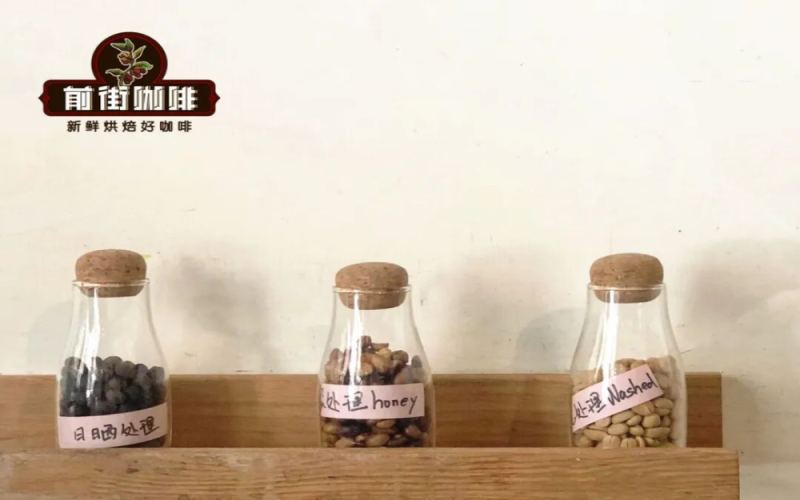
Why Is Washed Coffee More Acidic? How to Brew It to Bring Out More Sweetness? A Detailed Guide to the Classification of Washed and Natural Processing Methods
Washed coffee is often labeled as "more acidic"—but which parts of the processing method are actually behind this? From the Dutch popularizing washed techniques in the eighteenth century to today, when nearly seventy percent of the beans at Front Street stores are sun-dried or washed, the choice of processing method profoundly shapes the flavor direction of coffee. This article will start with the historical development and processing steps, as well as differences in silver skin residue, and, using a comparison between Front Street Gutingting and Red Cherry, explain the specific differences between washed and sun-dried coffee in acidity, sweetness, and body. Finally, using Front Street Washed Alo as an example, it will fully demonstrate a four-pour brewing method to help you recreate a clear, sweet flavor like floral and fruity tea at home. [more…]

What to do if drip bag coffee tastes too weak? Master water temperature, coffee-to-water ratio, and pouring technique to brew a rich, aromatic pour-over
Have you ever run into this problem: the same pack of drip bag coffee, yet when someone else brews it, the aroma fills the air, while yours comes out as weak as plain water? The issue mostly lies in the parameters and technique. Although drip bag coffee has a low barrier to entry, to brew a rich, full-bodied flavor, you must nail down the three core variables: water temperature, coffee-to-water ratio, and extraction time. This article compiles three practical tips: the first is to adjust the brewing parameters to raise the extraction yield; the second is to dig a small hole in the center of the coffee bed to solve the uneven extraction caused by the overly thick layer of coffee grounds in the drip bag; the third is even more direct—pour the brewed coffee back and steep it again to remedy under-extraction. At the end of the article, there is also a complete brewing demonstration of Front Street Coffee Ethiopia Huakui drip bag, from a 1:15 coffee-to-water ratio to a four-stage pour, guiding you step by step to brew a great cup of coffee with strawberry and citrus notes. [more…]
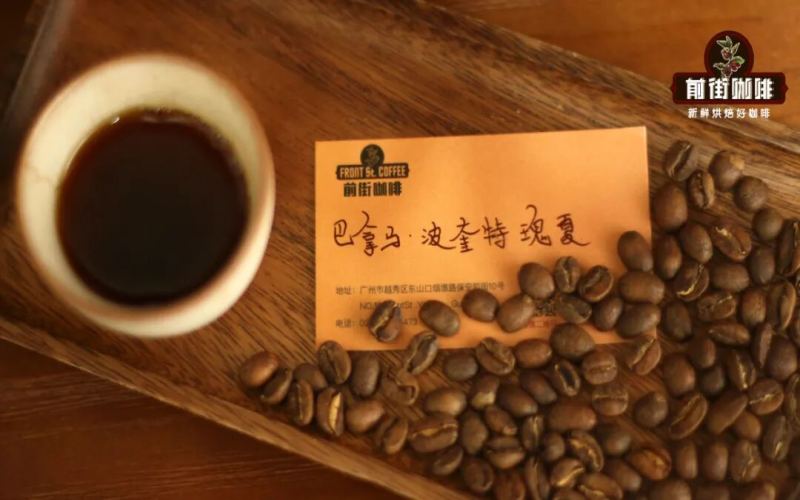
Washed Coffee | What is the washed process? What are the characteristics of washed beans? Is Kenyan washed coffee good for pour-over?
Not long ago, a devoted fan of washed beans visited the Front Street shop. They had bought many washed coffees before, but just couldn't brew out any layering at home, so they asked Front Street if there were any tips or suggestions. So today, let's discuss brewing methods for washed coffee. What is washed coffee? Among coffees, [more…]
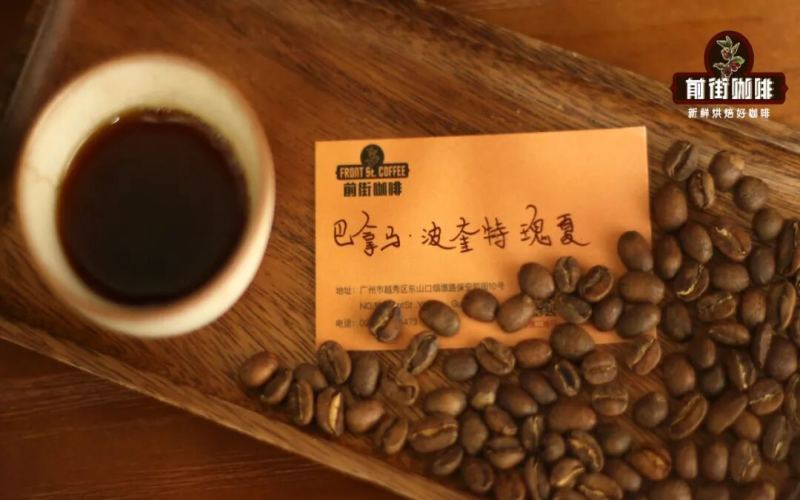
Coffee Processing | What is washed coffee? What is the washed processing method for coffee beans? What characteristics do washed beans have? How should washed coffee be brewed to taste good?
Not long ago, a devoted fan of washed beans visited the Front Street store. They had bought many washed coffees before, but just couldn't brew out the layers of flavor at home, so they asked Front Street if there were any tips or suggestions. So today, let's discuss brewing methods for washed coffee. What is washed coffee? In coffee [more…]
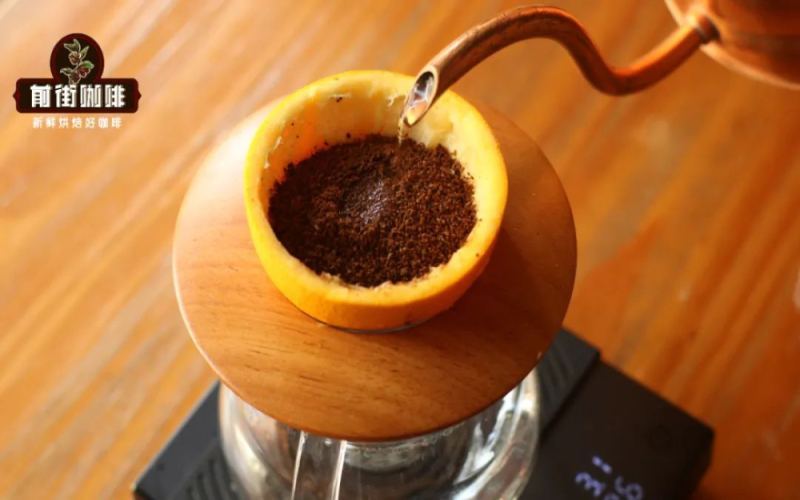
Is it feasible to make a pour-over dripper from fresh orange peel? A complete hands-on test from choosing the fruit and poking holes to brewing parameters
Hollowing out a fresh orange to make a dripper for brewing coffee—this method, which once went viral online, has recently seen new variations. Front Street Coffee, out of curiosity, gave it a try firsthand, from picking oranges, scooping out the flesh, poking holes, to brewing, and conducted a comparative test with two different coffee beans. The first attempt, due to holes that were too small, caused severe clogging and over-extraction, resulting in bitterness; the second time, after enlarging the hole size and coarsening the grind, a delicious cup was finally achieved, featuring citrus aromas, blueberry sweetness, and a black tea-like sensation. This article fully documents the steps, parameters, and pitfalls of this experiment, and summarizes three key details to note when using an orange peel as a dripper, for the reference of coffee enthusiasts who enjoy hands-on experimentation. [more…]
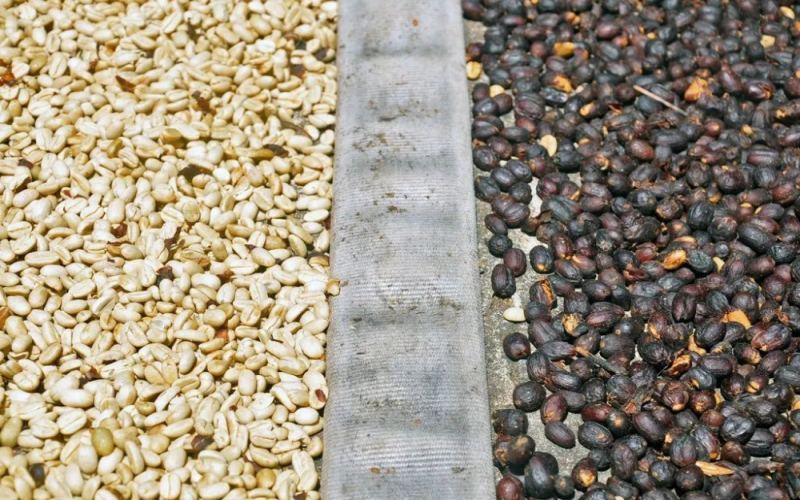
Why Are Washed Coffees More Acidic Than Natural Ones? Understanding the English Terms and Flavor Differences of Two Processing Methods
Washed and natural are the two most mainstream processing methods in the coffee industry, but for most enthusiasts, it is hard to tell which flavor profile in the cup belongs to which just by name. Some say natural coffees are sweeter and washed coffees are more acidic—is this claim actually true? This article will analyze the processing steps, the causes of flavor, English terminology, and other angles, and with the help of Front Street Coffee's Panama Butterfly natural and washed versions, conduct a blind tasting comparison to help readers clarify the core differences and respective charms of the two processing methods. [more…]

How should you brew drip bag coffee to make it taste good? Master the water temperature and amount, and you can easily make drip-filtered black coffee.
Drip bag coffee offers both convenience and flavor, but many people easily fall into pitfalls when brewing it. This article starts with the essence of drip bag coffee, explains how it differs from instant coffee, and answers common questions: Should you pour water in a circular motion, and is blooming necessary? What is the right water temperature? How should the amount of water be controlled? The article also provides a simple, easy-to-follow four-stage pouring demonstration—all you need is a drip bag, a cup, and a thermos, and you can consistently brew a delicious cup of drip coffee. It also recommends Front Street Coffee drip bags, ideal for friends who are traveling or pursuing minimalism. [more…]