







Search Results for: complexity
Introduction to the Flavor, Taste, Grade, and Quality Characteristics of Coffee Beans from Ethiopia's Limu Region
Coffee bugs, in the previous few issues we learned about the origin and spread of coffee, so where does the coffee we drink today come from? Next, follow Little One to explore coffee-producing regions around the world~ Currently there are 53 major coffee-producing regions globally, all distributed within the Coffee Belt 『25°N~30°S』. Based on the spread timeline of specialty coffee and the flavors of the origins, we can roughly group these regions into three major categories: Old World old-fashioned flavor category, New World improved flavor category, and Oceanic island flavor category. In this issue, Gain Knowledge will first present the Old World coffee introduction~ Countries that already had Arabica varieties before the 17th century are called the "Old World," led by Ethiopia (Ethopia), with Yemen (Yemen) and India (India) as followers. These three ancient coffee countries retain the most diverse Arabica bean gene pool and traditional natural processing method. Their coffee flavor spectrum is broad and complex, with the greatest amplitude: from rough earthy, woody, leathery, medicinal, and fermented tofu off-flavors, to charming jasmine, cinnamon, cardamom, clove, pine and fir, mint, lemon, citrus, berry, apricot, smoked plum, chocolate... thousands of aromas and flavors, both good and bad, constructing an old-fashioned flavor spectrum that makes people love and hate it at the same time. Ethiopia has the world's most diverse coffee cultivation system and a complex ancient superior gene pool, plus diverse processing methods including natural, washed, and semi-washed, presenting complex and changeable flavors. It can be said that the "flavor spectra" of coffee-producing regions around the world can mostly be tasted here, reflecting Ethiopia's all-embracing "king's flavor." The push of the third wave of specialty coffee [more…]
Why Are Ethiopian Coffee Beans So Genetically Mixed? A Detailed Explanation of the Root Causes Behind Their Rich Flavor Complexity
Ethiopia is a genetic treasure trove of coffee. Its producing regions boast a vast array of bean varieties and richly layered flavors, which often spark curiosity among coffee enthusiasts. On Front Street Coffee's bean list, Ethiopian beans consistently rank among the most frequently offered, and as a result, we've received quite a bit of customer feedback—most commonly about beans varying in size. This article will approach the issue from the angle of variety mixing, analyzing the deeper reasons behind the complex taste and flavor of Ethiopian coffee beans, to help everyone gain a more well-rounded understanding of this legendary region's unique charm. [more…]
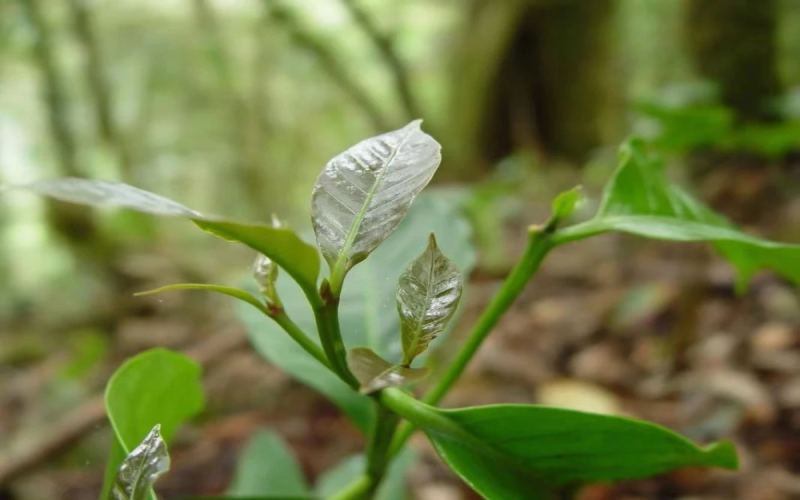
What Are the Differences Between Washed, Natural, and Honey-Processed Geisha Coffee? A Detailed Guide to Pour-Over Techniques for Panama Hacienda La Esmeralda Geisha
Geisha coffee, with its complex floral and fruity notes, has become a highly sought-after variety in the specialty coffee world. From its discovery in the Geisha forests of Ethiopia to its rise to fame at Hacienda La Esmeralda in Panama, the cultivation and processing methods of Geisha have always been a focus of attention for coffee enthusiasts. How do the three different processes—washed, natural, and honey—create flavor differences in Geisha? How should high-altitude cultivation and light-to-medium roasting be paired with brewing? This article starts with Front Street Coffee's Geisha to analyze the differences between washed, natural, and honey processing methods, and shares detailed V60 three-pour hand-brew parameters and brewing details to help you better showcase the floral and fruity notes and layered complexity of Panamanian Geisha. [more…]
Analysis of the Maillard Reaction and Caramelization in Coffee Roasting: Chemical Changes from Green Beans to Flavor
Coffee roasting is a journey through complex chemical changes. In this process, the Maillard reaction and caramelization play crucial roles. The Maillard reaction, proposed by French chemist L.C. Maillard, is a series of non-enzymatic browning reactions between reducing sugars and proteins or amino acids under thermal catalysis, bringing flavor, mouthfeel, color, and complexity to coffee. Caramelization occurs during first crack, when sugars are heated and dehydrated to produce caramel and volatile aldehydes and ketones, deepening the bean color and creating aromas of fruit, caramel, and roasted nuts. Roasting reduces the density of coffee beans, making them drier and more brittle, increasing permeability, and making the components easier to dissolve. This article provides a detailed analysis of the three stages of roasting and the profound effects of each reaction on coffee, and recommends representative coffee beans such as Front Street Queen's Estate, Front Street Blue Mountain No. 1, and Front Street PWN Golden Mandheling. [more…]
Front Street Kenya Coffee Beans Flavor Analysis and Full Guide to Pour-Over Brewing Parameters
Kenyan coffee is famous for its distinctive preserved plum-like acidity, citrus notes, and wine-like complexity, and Front Street Coffee's Kenyan specialty beans are an outstanding representation of this style. This article systematically reviews the growing region and climate, variety origins, and grading system of Kenyan coffee, with a focus on how SL28 and SL34 shape its signature flavor, and also includes complete brewing recommendations for Front Street Coffee's Kenyan beans, covering pour-over, siphon, French press, and AeroPress methods, to help coffee lovers fully unlock this bean's complex acidity and sweet finish. [more…]
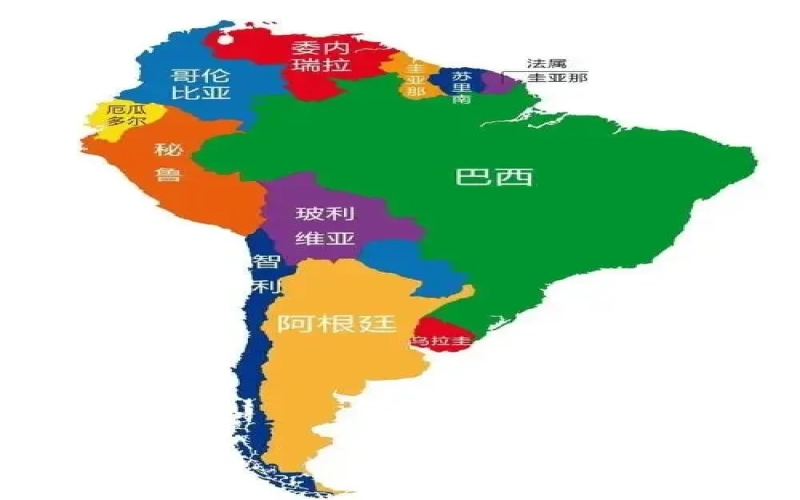
The Flavor Characteristics of Brazilian Coffee and Its Complex Grading System: From Growing Environment to NY2 SC17/18 SS FC
Brazil boasts the largest landmass in South America along with exceptional natural conditions, making it the world's largest coffee exporter and accounting for roughly one-third of the international market. Despite its staggering output, Brazilian coffee is not known for its refinement, and is therefore often used in blends. This article will walk you through Brazil's coffee-growing environment, the distribution of its major producing regions, and a detailed explanation of its unique and complex grading system, including the meaning of the commonly seen "NY2 SC17/18 SS FC" designation. Finally, we'll introduce a beginner-friendly selection from Front Street Coffee—the Cerrado Red Bourbon coffee beans—so you can experience the distinctive charm of Brazilian coffee. [more…]

Unlocking the Complexity of Washed Coffee: A Full Guide from Processing Characteristics to the Four-Pour V60 Method
Many coffee enthusiasts feel that when they brew washed beans at home, the flavor always seems flat and lacking in layers. In fact, the clean and delicate character of the washed process itself is exactly what calls for a proper extraction approach to bring it out. Starting from the confusion of a devoted fan of washed beans at the Front Street cafe, this article systematically sorts out the processing characteristics of the washed method, the real difference between it and natural beans in terms of acidity expression, and, using Front Street's Little Tomato—a Kenya double-washed coffee—as an example, breaks down in detail a set of V60 four-pour brewing parameters to help you brew a washed coffee with clearly defined layers and a solid, juicy feel. [more…]

Starbucks Barista Fired for Complaining About a Super-Complex Order: The Controversy and Settlement Behind the Secret Menu
The Starbucks secret menu once led baristas to learn how to make over 170,000 customized drinks, but the extremes of personalized orders are sparking controversy. An American barista was fired for exposing a customer's 13-request order on social media, then apologized in person and settled the matter. The incident reflects the complex ordering trend fueled by TikTok, where customers pay extra fees but turn baristas into "drink-making robots," and during peak hours, it slows down service even more. This article will walk you through the full story of this uproar and focus on the issues of privacy and respect between baristas and customers. [more…]

Indonesian West Java Arumanis Coffee Beans: S795 Variety, Natural Honey Processing, and Tropical Fruit Flavor Analysis
Indonesian coffee has long been known for the rich, herbal, spicy flavor of Mandheling, but this West Java Amani coffee bean offered by Front Street Coffee breaks that stereotype. It comes from the Teguram Mountain region of West Java at an altitude of 1,400 to 1,600 meters, is of the S795 Jember variety, and is processed using the sun-dried honey method, presenting a soft tropical fruit acidity and complex sweetness. As a devoted lover of Indonesian coffee, Front Street Coffee, in addition to five Sumatran Mandhelings, specially introduced this bean with a completely different flavor profile. This article will comprehensively analyze its producing region background, variety origins, processing method, roasting curve, cupping performance, and brewing parameters, to introduce you to this Indonesian specialty coffee with prominent sweetness and a red wine character. [more…]
Ethiopian Natural Yirgacheffe Aricha G1: Clean Layers and Flavor Interpretation Under Light Roast
In the world of specialty coffee, natural-process beans are often celebrated for their complex layers, yet they frequently fall short of washed beans in terms of clarity. However, this natural Yirgacheffe G1 from Ethiopia's Aricha processing station shatters that preconception—it retains the rich layers of ripe fruit characteristic of natural beans while displaying a cleanliness comparable to washed coffee, making it truly stunning. This article will guide you through this bean's origin background, processing method, roast profile, and flavor performance, and compare the stylistic differences between washed and natural Yirgacheffe. Front Street Coffee will also recommend this captivating natural Yirgacheffe for you, as we explore its unique charm together. [more…]
Why Are Coffee Processing Methods Becoming Increasingly Diverse? The Evolutionary Logic from Origin Adaptation to Flavor Exploration
Nowadays, the names of coffee processing methods are becoming more and more varied, from anaerobic natural to low-temperature slow anaerobic washed, from black honey and red honey to enzyme washed, making one dazzled. Behind this complexity, there are actually two main threads: the birth of early processing methods was the result of the producing region's environment forcing it—for example, Indonesia's humid and rainy climate gave rise to washed and wet-hulled methods; while the evolution of contemporary processing methods stems from the consumer market's dual pursuit of flavor expression and traceability information. This article will sort out the evolution from natural, washed to honey processing and anaerobic fermentation, analyze how different processing techniques affect coffee flavor, and reveal the deeper reasons behind the increasingly refined naming of processing methods. [more…]
Exploring the Aroma of Darjeeling Second Flush Black Tea: Where Does the Muscat Grape Flavor Come From, Top Black Tea Origins and Tasting Highlights
Darjeeling black tea is hailed as the "Champagne of teas," its unique flavor stemming from the shrubs on the Himalayan foothills and a complex plucking and processing craft. Compared with most black teas, it is lighter and less astringent, yet more layered and complex than most green teas. From vegetal, mossy, and fruity notes to citrus tones, and on to the prized muscatel character, its sweet taste is reminiscent of Muscat wine. Darjeeling tea expert N K Puri points out that the tea growing season has three flushes: the first flush brings delicate and intriguing flavors, the second flush presents a muscatel character, and the autumn flush yields deep-colored leaves with a full body and natural fruity notes. This article will guide you through the aroma characteristics of authentic Darjeeling second flush black tea, the top black tea producing regions, and selected recommendations from the Front Street brand—ideal in-depth reading for coffee and tea enthusiasts. [more…]
Pour-Over Coffee Dripper Selection Guide: Brewing Parameters and Pairing Suggestions for Light and Dark Roast Beans
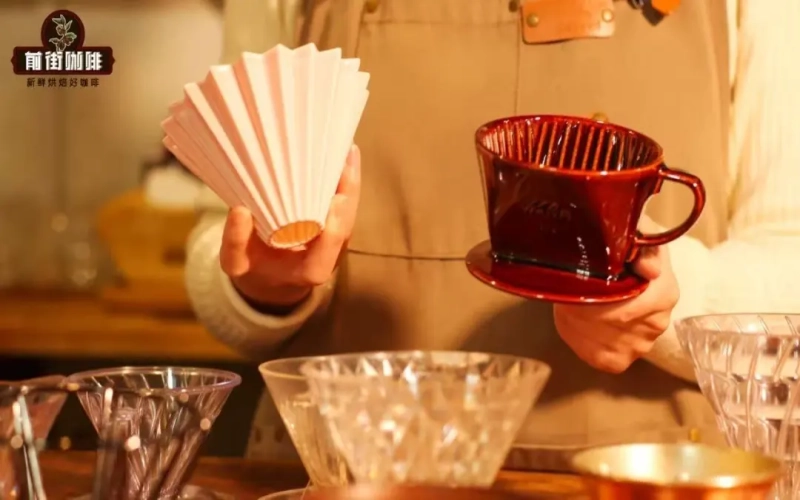
In pour-over coffee, the choice of dripper is often overlooked by beginners, but it actually directly affects extraction time, method, and ultimately the flavor in the cup. Drawing on everyday brewing experience, Front Street Coffee offers dripper pairing suggestions for coffee beans of different roast levels. Light-roasted beans suit fast-flow conical drippers like the V60 to highlight floral and fruity aromas and layering; dark-roasted beans are better matched with slow-flow drippers like the Kono to enhance body and sweetness. The article also uses Granja Geisha and PWN Golden Mandheling as examples, listing specific parameters such as dose, ratio, grind size, and water temperature in detail for coffee enthusiasts' reference. [more…]
Yirgacheffe for Pour-Over: Complexity and Cleanliness
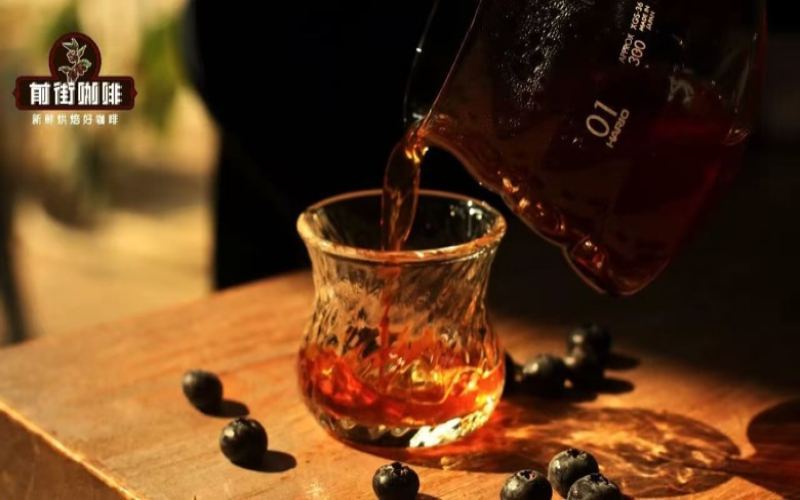
For pour-over Yirgacheffe, the standard is flavor layering and clarity: washed Gedeb, with its citrus florals and green tea sweetness, unfolds layer by layer through the pour-over filter paper; sun-dried Huakui has a richer fruit aroma—when brewed as pour-over, the strawberry sweetness arrives first, followed by the passion fruit acidity—pour-over brings out Yirgacheffe's layering [more…]

Indonesian Mandheling G1 Grade Meaning and Full Analysis of Origin and Variety: From Grading System to Front Street Coffee Roasting and Brewing Practices
Indonesia is one of Asia's most important coffee-producing countries, yet its coffee variety system and green bean grading standards often leave enthusiasts confused. From the perspective of Front Street Coffee, this article systematically sorts out the historical causes behind the complexity of Indonesian coffee varieties, explains in detail the G1 to G6 grading logic based primarily on defect rate and secondarily on bean size, and extends to the impact of the number of hand-sorting rounds on quality. Using PWN Golden Mandheling as an example, the article interprets each item of information on the packaging label, and also shares Front Street Coffee's roasting curve and KONO dripper brewing parameters, helping readers gain a comprehensive understanding of Mandheling coffee from its place of origin to the cup. [more…]

HEYTEA's New Topping "Cheese Nuonuo" Sparks Discussion: The Rice Paste Stretching Process Is So Complex That Staff Say Their Arms Ache from Stirring
New-style tea brand Heytea has recently launched a new product, "Longjing Cheese Nuonuo," across its stores nationwide, combining Longjing tea, cheese cloud top, and milk, along with a brand-new topping called "Cheese Nuonuo." However, this topping, made by mixing and whipping glutinous rice paste with the classic cheese, has sparked collective complaints from store employees due to its cumbersome production process, which requires continuous stirring for seven minutes and easily burns at the bottom, prompting them to exclaim that their "arms are about to break." This article reviews the highlights of the new product formula, the topping production process, and genuine feedback from frontline staff, taking you behind the scenes of the lesser-known preparation story of this "super filling" drink. [more…]
How does cold brew steeping time affect flavor? Extraction results and bean selection tips for 12 to 24 hours
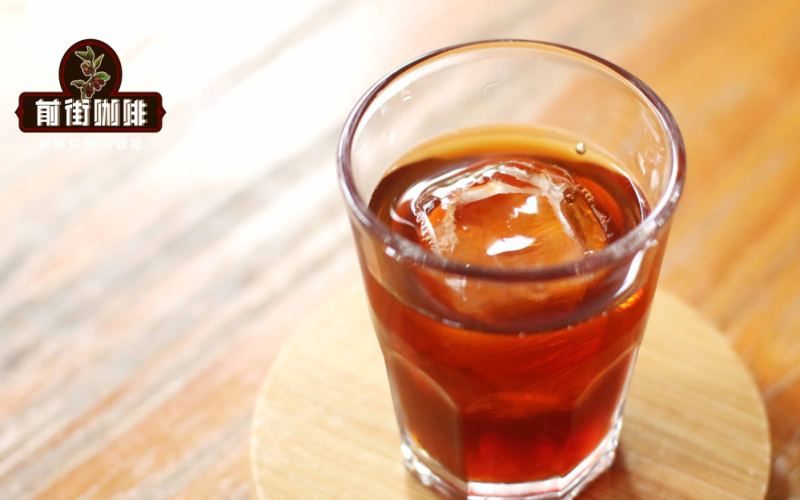
Cold brew coffee has become a popular drink in recent years, and its core lies in the long soaking of coffee grounds in cold water for low-temperature extraction. But is longer soaking time always better? Through Front Street's comparative experiments, this article analyzes in detail the differences in cold brew flavor among four time periods—4 hours, 8 hours, 12 hours, and 24 hours—and explains the effects of soaking duration on concentration, complexity, and the balance of acidity, sweetness, and bitterness. At the same time, it shares a simple home cold brew process, coffee-to-water ratio, grinding suggestions, and recommends light-roast and balanced coffee beans suitable for cold brew, helping you find the cold brew solution that best suits your taste. [more…]
Kenya AA vs. Yirgacheffe Flavor Comparison: A Full Analysis of the World's Top Ten Specialty Coffee Origins and Roasting Recommendations
Yirgacheffe and Kenya AA are often discussed together, and their flavors do share certain similarities, but which one suits you better has no absolute answer. Front Street Coffee believes that taste preference is essentially a highly personal experience, shaped by multiple factors such as genetics, upbringing, dietary history, and emotional state. Therefore, rather than following the judgments of so-called connoisseurs, it is better to try coffees from different origins yourself. This article systematically reviews the origin characteristics and recommended roast levels of ten representative specialty coffees from around the world, including Tanzania, Hawaiian Kona, Nicaragua, Sumatra, Sulawesi, Mocha Java, Harar, Yirgacheffe, Guatemala Antigua, and Kenya AA, with Jamaican Blue Mountain included as an honorable mention, to help coffee enthusiasts build a more comprehensive framework for understanding flavor. [more…]
Flavor Comparison of Guatemalan Coffee Regions: An Analysis of the Bean Differences Between Antigua and Huehuetenango
The highlands of Guatemala nurture one of the world's finest coffees, with the two major regions of Antigua and Huehuetenango each possessing distinctive characteristics. The Antigua basin is surrounded by volcanoes, and its coffee often carries complex layers of smoky, spicy, and chocolate-like notes; Huehuetenango, because it is exposed to a humid oceanic climate, has a softer and rounder mouthfeel. This article provides an in-depth comparison of the terroir, varieties, and processing differences between the two regions, along with recommendations from Front Street Coffee, to help enthusiasts clarify their purchasing approach. [more…]
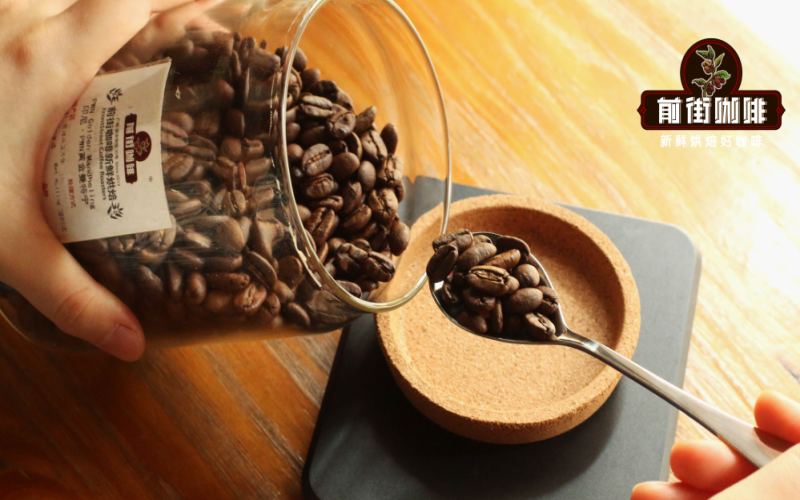
What Are the Differences Between Light, Medium, and Dark Roast Coffee Beans? A Detailed Explanation of Roast Level Differences and Buying Guide for Medium Roast Beans
The same coffee beans, from light roast to dark roast, take only a few minutes with a temperature difference of no more than about 10°C, yet the flavor changes dramatically. How does roast level affect the balance of acidity and bitterness and the complexity of aroma? This article will analyze in turn the flavor characteristics and dropping times of the three stages—light roast, medium roast, and dark roast—and offer specific buying guidance for medium-roasted coffee: if you prefer fruity notes, choose light-medium or medium-roasted beans; if you seek a balanced taste, consider medium-dark roast, along with several representative beans from Front Street Coffee for reference. [more…]