







What Does Yirgacheffe Coffee Taste Like and How Do You Brew It?
Yirgacheffe coffee comes from a high-altitude region of Ethiopia, where farms sit at roughly 2,000 meters. That elevation slows cherry maturation, letting sugars and flavor compounds develop, which shapes the region's signature cup: citric acidity, white florals, and a green tea finish. Washed processing, now the norm there, is what makes that clean, bright profile consistent from lot to lot.
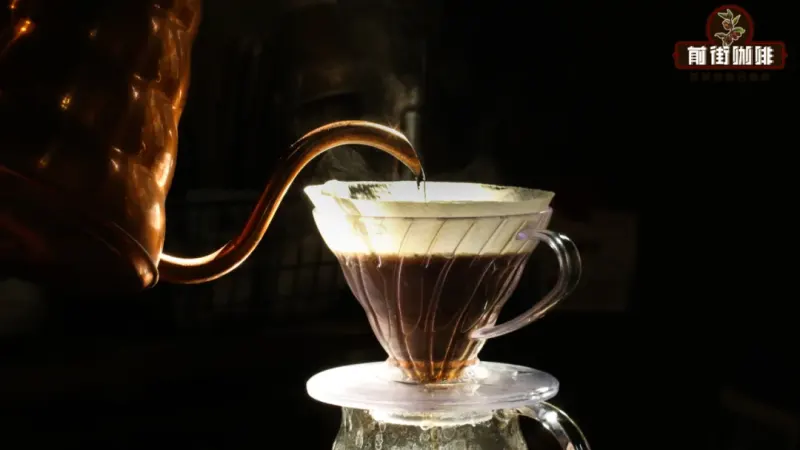
Brewing it well takes care. Dense light-roast beans from Yirgacheffe tend to clog paper filters and extract unevenly, so many coffee enthusiasts struggle to reproduce the cup they remember. A practical fix uses a high water temperature, a fine grind, and four small pours, which keeps flow steady and pulls out the clarity the region is known for.
Yirgacheffe is one of Ethiopia's most recognizable regions, where high altitude and washed processing together shape its classic flavor profile centered on citric acidity, white florals, and a green tea finish. However, many coffee enthusiasts always encounter two problems when brewing: first, the filter paper easily clogs, and second, it's hard to brew that clear, clean "Yirgacheffe flavor" from memory. From Front Street's perspective, this article first clarifies the source of Yirgacheffe's flavor and its regional background, then analyzes the root causes of filter clogging and uneven extraction in light-roast, high-density beans, and finally uses washed Gedingding as an example to fully demonstrate a practical approach with high water temperature, fine grind, and four small-pour stages, helping you consistently recreate a bright, refreshing cup of Yirgacheffe.
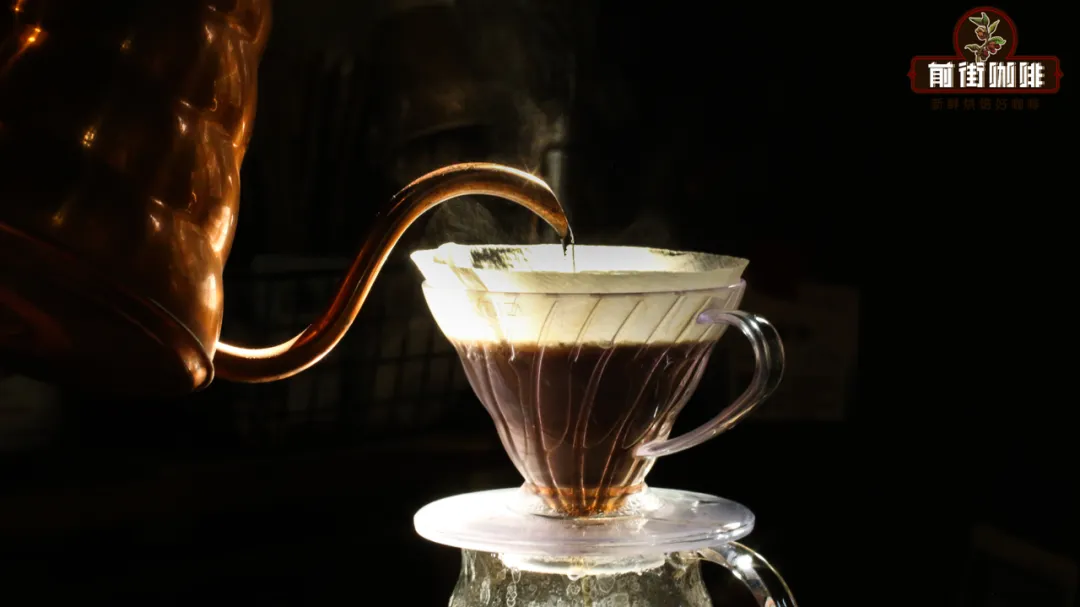
However, brewing an outstanding cup of Yirgacheffe coffee is actually not easy. Those with hands-on experience mostly know that beans from this region tend to clog the filter paper during brewing on one hand, and on the other hand are hard to truly present the so-called "Yirgacheffe flavor." Don't worry—today Front Street will walk everyone through: how to brew a good cup of Yirgacheffe, and what exactly the "Yirgacheffe flavor" everyone talks about refers to.
What is "Yirgacheffe flavor"?
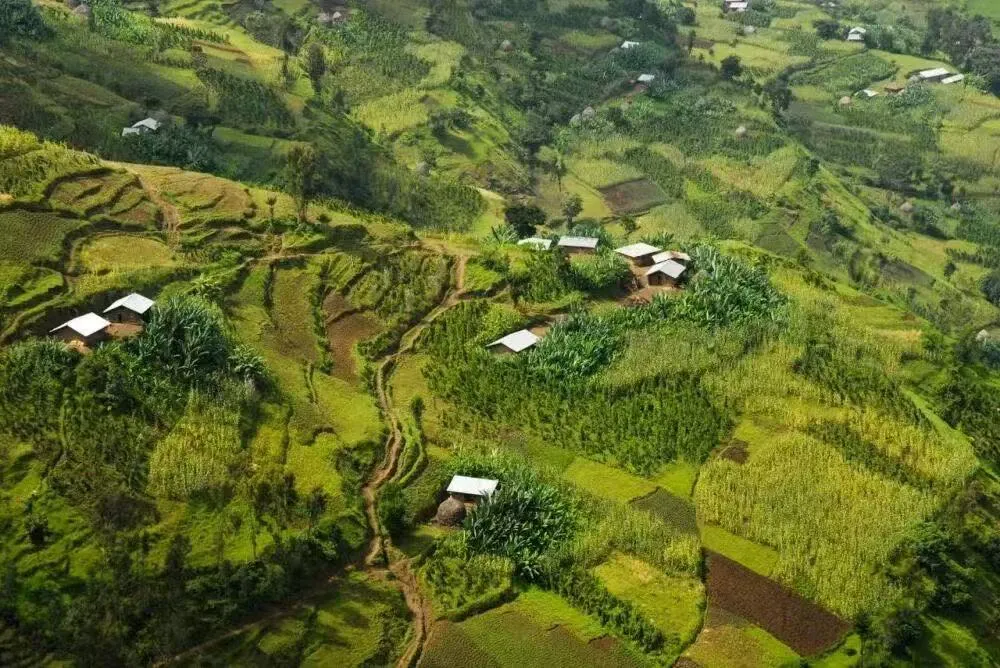
As the name suggests, "Yirgacheffe flavor" is the unique set of flavors bestowed by the Yirgacheffe region. The Yirgacheffe region is located in Ethiopia, with an average altitude of about 2,000 meters, making it one of the highest-altitude regions in Ethiopia. The higher the altitude, the longer the coffee fruit takes to mature, and the more time the fruit has to accumulate sugars and transform into higher-quality flavor compounds. Combined with the local special terrain and planting system, it can be said to provide an extremely ideal natural environment for coffee growth.
Yirgacheffe was originally just a sub-region under the Sidamo region, but because the coffee produced here has such a distinctive flavor, it was later divided out separately to form an independent region, and gradually became Ethiopia's renowned coffee representative. When mentioning Yirgacheffe, one cannot avoid the region's washed coffees, because the "Yirgacheffe flavor" we repeatedly praise is mainly written by the "pen" of washed processing.
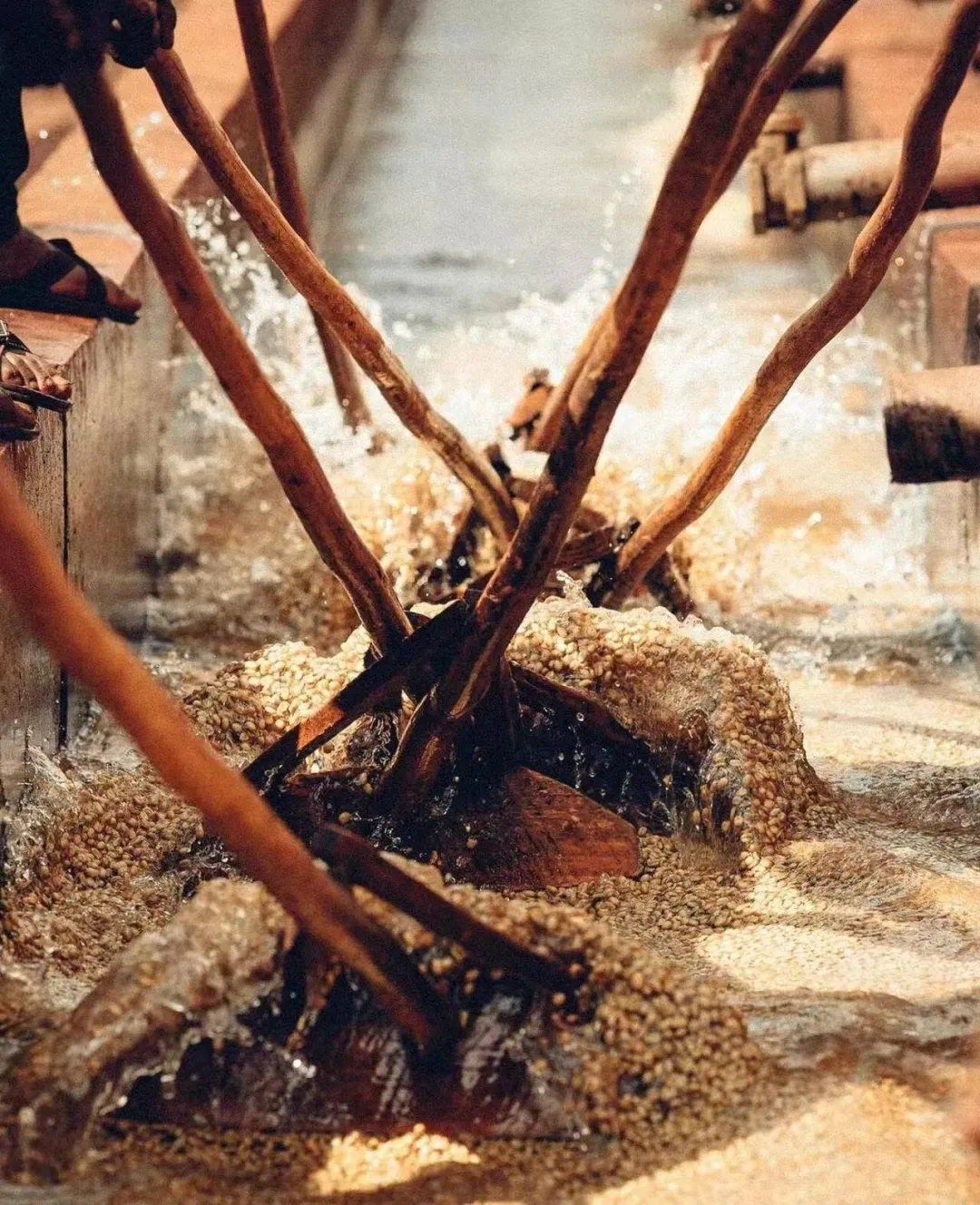
In the early days, Ethiopia was mainly natural-processed, but due to lack of experience and extensive management at the time, coffee was prone to quality changes during processing, with a high defect rate and generally low quality. To improve coffee quality, the Ethiopian government introduced washed processing technology and equipment in 1972, and built the first washed processing station in Yirgacheffe town. It was this measure that greatly reduced defects and significantly improved the quality of Yirgacheffe coffee. At the same time, washed processing does not let the coffee beans undergo excessive fermentation, so the coffee's own flavor characteristics are presented more clearly: fresh and bright citric acidity, elegant and soft white florals, and a clean green tea finish—this is the Yirgacheffe flavor passed down by word of mouth in the coffee community.
(But note, not all coffee produced in Yirgacheffe necessarily carries the Yirgacheffe flavor.)
The effect of washed processing was so outstanding that many coffee enthusiasts fell in love with the coffee from this region after their first taste. For this reason, Yirgacheffe has long used washed processing as its main method locally, and for a long time, the vast majority of coffee produced in Yirga was washed (there was also natural, but in smaller quantities). This gradually bound Yirga coffee together with washed processing, and when we mention Yirgacheffe, the first thing we often think of is the flavor performance of washed Yirga.
How to brew a good cup of Yirgacheffe coffee? How to brew out the Yirgacheffe flavor?
As Front Street said earlier, brewing a good cup of Yirga coffee is not simple. Many friends' brewed Yirga coffee often shows negative performances such as: weak taste, thin body, prominent bitterness, and uneven extraction. The reason lies in the fact that Yirga beans generally have high density—those using hand grinders, Front Street believes, should deeply understand this.
(Because it's really hard to grind.)
High density is partly because the beans grow in high-altitude areas and accumulate rich substances; and partly because most Yirga beans use a lighter roast. High-density beans are difficult for hot water to lift the coffee bed, so inexperienced beginners often pour hot water over the coffee bed, forming bypass water, which affects extraction; at the same time, high-density beans easily clog the filter paper, so sometimes over-extraction occurs due to excessively long extraction time.
If you want to brew this type of coffee well, you need to use higher water temperature and finer grind to brew, thereby improving extraction efficiency and making the coffee flavor fuller; at the same time, note that the pouring height should not be too high, which can reduce the agitation of hot water on the coffee grounds and avoid clogging the filter paper; finally, divide the hot water into multiple stages and pour with a small stream, which can effectively prevent hot water from overflowing the coffee bed and forming bypass water.
Next, Front Street will demonstrate through an actual brew how to make a good cup of Yirgacheffe. For this brewing share, the beans Front Street used are Front Street Yirgacheffe · Washed Gedingding from Front Street's online Taobao bean list, which carries a very standard "Yirgacheffe flavor." The extraction parameters are as follows:
Dose: 15g Grind setting: Ek43 setting 10, 75% passing a No. 20 sieve, fine granulated sugar particle size Coffee-to-water ratio: 1:16 Brewing water temperature: 92°C Brewing method: four-stage
First, pour 30ml (twice the coffee dose in water) of hot water for blooming, and bloom for 30 seconds.
After blooming ends, pour the second stage of hot water, 90ml in total, in a large circular motion, using a small stream and pouring slowly. Note that when pouring, try not to let the water level exceed the coffee bed too much, to prevent bypass water from appearing.

After the second stage of hot water has drained through the dripper, pour the third stage of hot water. The third stage is half of the remaining water, 60ml in total, also using a small stream, then pouring in a small circular motion.
And when the water level is about to reach the bottom, you can pour the fourth stage of hot water, 60ml in total. When pouring, you can check the time: if it's less than two minutes, use a small stream in a small circular motion; if it has exceeded two minutes, use a small stream at a fixed point. After the hot water is poured, simply wait for the coffee liquid to finish dripping, then remove the dripper and end the extraction.

Total time was 2 minutes 28 seconds. Without even tasting it, Front Street could already sense the elegant white florals from the wet aroma. After the coffee enters the mouth, you can clearly taste fresh lemon, jasmine florals, as well as apricot, citrus and other flavor expressions, with a finish carrying honey sweetness and green tea freshness. The overall body is low, the acidity is bright, clean and refreshing—quite good!
- END -
The above content is compiled by CoffeeHunters, a coffee news website.


