







Search Results for: forest cultivation
The Original Home of Ethiopian Coffee: Cultivation Patterns in the Kafa Forest and the Coffee Variety Gene Bank
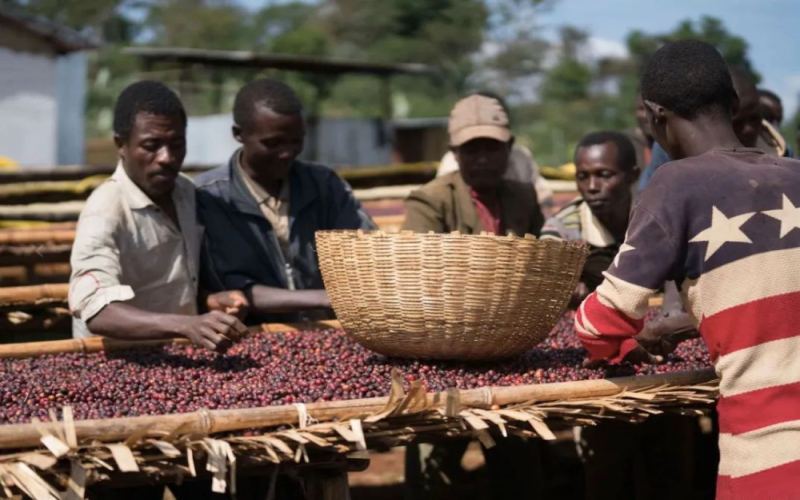
Ethiopia is the birthplace of coffee, and its cultivation models fall into three types: garden, estate, and forest. Among them, the forest cultivation in the Kafa region of the southwest is the most unique. This place is not only the hometown of coffee but also home to about 5,000 coffee tree species, making it a genetic treasure trove of Arabica coffee. The Kafa forest has undergone logging and protection, and today it persists in the form of a biosphere reserve, with about 30 cooperatives in the surrounding area engaged in coffee production. Front Street Coffee has also launched a washed coffee bean from this producing region, presenting floral aromas, citric acidity, and sweet orange and bergamot flavors. This article will guide you through the cultivation traditions, historical changes, and coffee characteristics of the Kafa forest. [more…]
Ethiopian Kafa Forest Coffee: A Wild Arabica Gene Treasure Trove and Sun-Dried Flavor Analysis
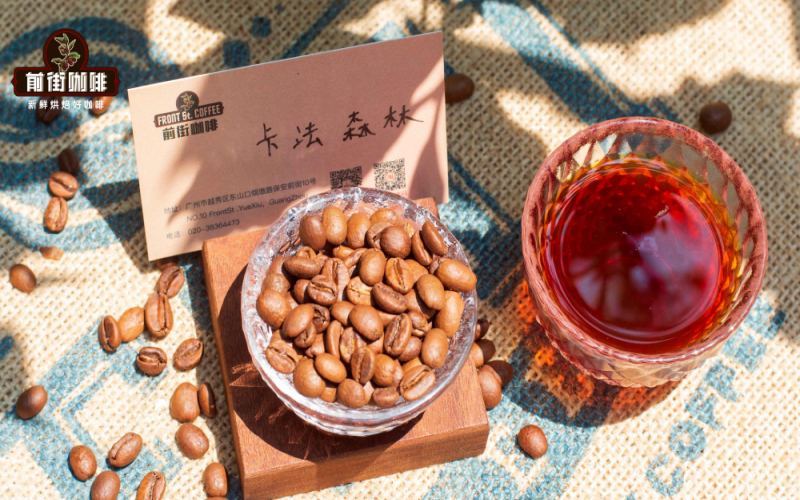
In western Ethiopia, the Kafa Biosphere Reserve is renowned for its wild coffee—coffee trees grow in shaded environments at altitudes of 1,400 to 2,100 meters, where red soil, microclimates, and abundant rainfall combine to cultivate a unique flavor. Front Street Kafa Forest coffee beans are medium-light roasted, presenting white floral aromas after grinding, with a bright citric acidity on the palate, accompanied by notes of sweet orange and bergamot, and a finish of melon and nutty flavors, resembling green tea in mouthfeel. This forest, covering over 760,000 hectares, is considered a genetic treasure trove of Arabica coffee, nurturing approximately 5,000 coffee tree species. However, clearing and logging once threatened the forest with disappearance; since 2010, it has been designated an international biosphere conservation area, with about 30 cooperatives established nearby to harvest wild cherries. This article delves into the Kafa Forest, analyzing its ecology, varieties, and cup profile. [more…]
A Complete Analysis of Ethiopia's Nine Major Coffee Regions: Yirgacheffe Flavor Characteristics and Cultivation System
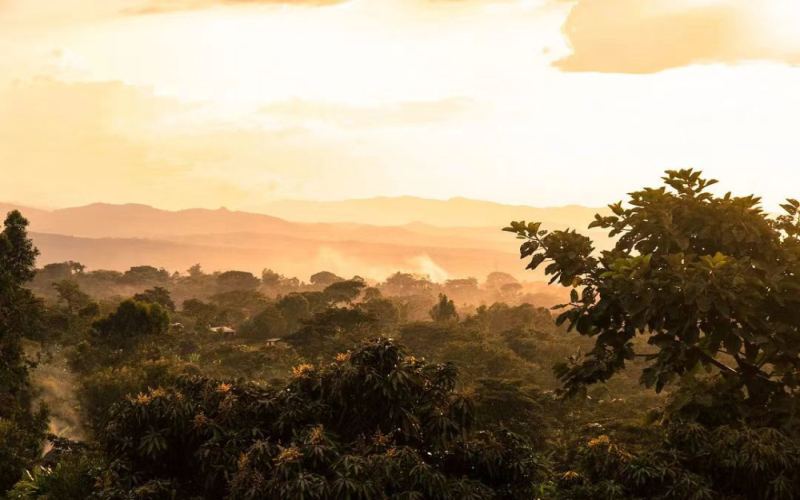
Ethiopia is the country with the richest coffee gene pool in the world, possessing four major cultivation systems—forest, semi-forest, garden, and plantation—from which nine specialty regions have emerged, each with its own distinctive flavor profile. This article will systematically review the cultivation environments, processing methods, and flavor expressions of regions ranging from Yirgacheffe and Sidamo to Gimma and Harar, and will also include cupping comparisons and brewing suggestions for several representative beans from Front Street Coffee, helping coffee lovers gain a comprehensive understanding of the charm of this "king of flavors" country. [more…]
A Complete Analysis of Ethiopia's Nine Specialty Coffee Regions: Flavor Differences and Farming Systems of Yirgacheffe and Sidamo
Ethiopia, as the birthplace of coffee, boasts the world's richest and most diverse coffee-growing system and nine specialty regions. From wild forest coffee to garden-mixed cultivation, from Yirgacheffe's citrus florals to Sidamo's full-bodied berries, each region displays its own distinctive flavor charm. This article will provide an in-depth analysis of Ethiopia's four cultivation systems and the terroir characteristics of its nine major regions, with a focus on comparing the flavor differences between Yirgacheffe and Sidamo, and introduce representative coffee beans selected by Front Street Coffee, taking you to appreciate the diverse flavors of this coffee kingdom. [more…]

Why Are Ethiopian Coffee Beans So Uneven in Size? A Complete Analysis from Farming Models to Processing Flows
Many coffee enthusiasts notice a phenomenon when buying Ethiopian heirloom coffee beans: the bean sizes are uneven. The reason behind this is not accidental, but closely related to Ethiopia's unique coffee cultivation system. As the birthplace of coffee, Ethiopia has thousands of unidentified coffee varieties, which the government protects under the name "Heirloom." However, the real key to uneven bean size lies in its diverse cultivation models—plantation coffee, forest coffee, semi-forest coffee, and garden coffee coexist, plus the mixing of multiple varieties during harvesting and processing, ultimately forming the "natural grand mix" that we see. This article will break down these stages one by one, taking you deeper into the root causes of uneven Ethiopian heirloom beans. [more…]
An In-Depth Analysis of Ethiopia's Bench Maji Region: The Origin Story of Gesha Village Estate and Native Geisha
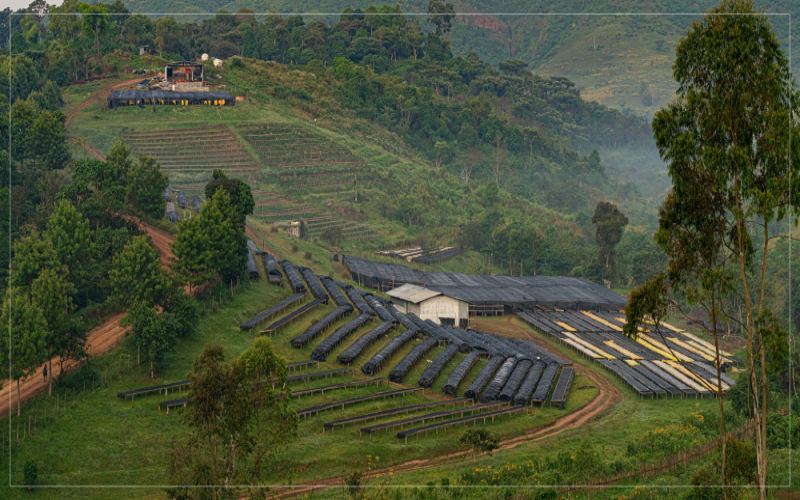
Among Ethiopia's many coffee-producing regions, Yirgacheffe, Sidamo, and Guji Hambela often dominate the conversation, but Bench Maji on the western border is an underrated treasure. Not only does it preserve vast tracts of virgin forest, it is also home to the renowned Gesha Village Coffee Estate and the area where the Geisha variety was first discovered. Front Street Coffee will take you into Bench Maji, sorting through its geography and climate and its forest-based cultivation model, tracing the century-long story of Geisha from the Kafa forest to Panama and then to the founding of Gesha Village, and offering a detailed breakdown of Gesha Village's Gold Label, Red Label, and other grading systems along with brewing recommendations. [more…]
Ethiopia Bench Maji Region Full Guide: The Birthplace of Geisha, Forest Planting Model, and the Grading System of Gesha Village
In Ethiopia's specialty coffee landscape, Yirgacheffe, Sidamo, and Guji Hambela often take center stage in conversations, but along the country's western border lies a coffee region covered in pristine forest and renowned for its high-quality beans—Bench Maji. It is not only the birthplace of the Geisha variety but also home to the Gesha Village Coffee Estate. This article will cover the geography and climate, cultivation patterns, and the history of Geisha's origins, then move on to the grading system at Gesha Village, followed by Front Street Coffee's detailed introduction to Gold Label and Red Label Geisha along with pour-over recommendations, giving coffee lovers a complete picture of this understated yet highly capable region. [more…]
A Complete Guide to Ethiopia's Nine Specialty Coffee Regions: Farming Systems, Flavor Profiles, and Front Street Coffee's Selected Bean List
Ethiopia is the country with the richest coffee gene pool in the world. Its coffee cultivation system is divided into four major categories: forest, semi-forest, garden, and plantation, with 90% of production coming from the first three smallholder models. This article will introduce the nine major specialty regions of Gimma, Sidamo, Yirgacheffe, Harar, Limu, Illubabor, Gimbi, Tepi, and Bebeka one by one, covering altitude, cultivation system, processing methods, and flavor characteristics, and will also include representative beans and brewing suggestions for each region from Front Street Coffee, giving you a systematic understanding of the complete landscape of this country of "the king's flavor." [more…]
Exploring Ethiopia's Kafa Forest: The Birthplace of Wild Arabica Coffee and a Flavor Analysis
In western Ethiopia, there is a primeval forest known as a "natural coffee variety museum"—the Kafa Biosphere Reserve. This place is not only a genetic treasure trove of Arabica coffee but also the homeland of wild coffee trees. Coffee trees reproduce naturally in the high-altitude shaded environment of 1,400 to 2,100 meters, nurturing unique floral and fruity notes. Front Street Coffee selects washed-batch Kafa Forest coffee beans, presenting their bright citric acidity, white floral aromas, and sweet orange flavors through a medium-light roast. This article will guide you through an in-depth understanding of the geography and ecology of Kafa Forest, the characteristics of coffee cultivation there, and the complete flavor profile of this wild coffee as cupped by Front Street. [more…]
An In-Depth Guide to Ethiopian Coffee: A Comprehensive Analysis of Flavor Characteristics and Trading Systems in Nine Specialty Regions
Ethiopia is the core of the global coffee gene pool, home to four cultivation systems—forest, semi-forest, garden, and plantation—and birthplace of nine distinctive specialty regions such as Yirgacheffe, Sidamo, and Harar. This article systematically lays out the geography, variety characteristics, processing methods, and trading system of Ethiopian coffee, takes a deep dive into the flavor differences across regions, and includes Front Street Coffee's cupping comparisons and brewing suggestions, offering coffee lovers a complete Ethiopian coffee tasting map. [more…]
Ethiopian Coffee Cultivation Geography and Flavor Analysis of the Sidamo Specialty Region
Ethiopia is hailed as the birthplace of coffee, and its unique highland geography and climate have given rise to a myriad of specialty coffees with diverse flavors. This article will guide you through Ethiopia's coffee-growing geography, processing methods, and export overview, with a focus on the flavor characteristics of the Sidama region. From forest and semi-forest to garden cultivation, from washed to natural, every step shapes the coffee's personality. Front Street Coffee recommends a variety of Ethiopian beans, allowing you to savor the rich aroma of the Roof of Africa in your own home. [more…]
Exploring African Coffee Origins: A Comprehensive Analysis of Ethiopian Coffee Varieties, Cultivation Models, and Processing Methods
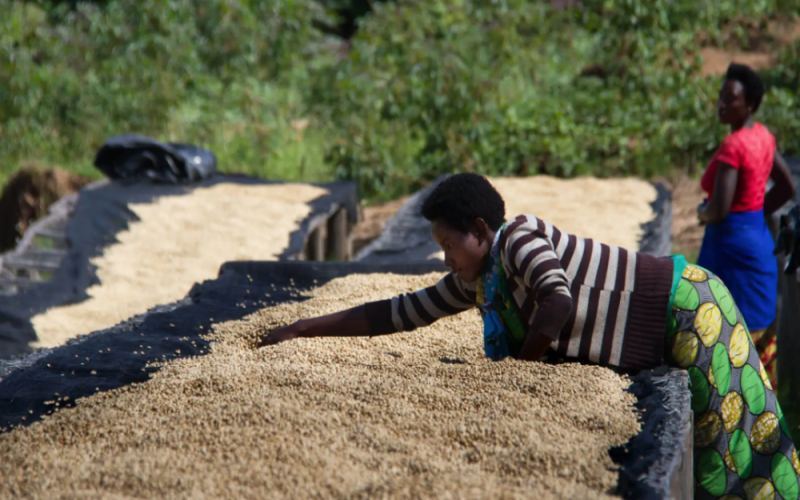
Africa is an important coffee-producing region globally, and Ethiopia, as the birthplace of Arabica coffee, has nearly 2,000 recorded varieties, making it truly a "grand garden" of coffee varieties. This article begins with the structure of the coffee berry to analyze why Ethiopian coffee beans vary in size and have low uniformity, introduces four cultivation models including forest coffee and garden coffee, and explains how the three processing methods—natural, washed, and semi-washed—affect flavor. The article also incorporates specific products from the Front Street Coffee brand, such as Kaffa Forest, Huakui, Fruit Dingding, and Yirgacheffe, to help coffee enthusiasts understand the sources of Ethiopian coffee's diversity. [more…]
Exploring the Flavor and Story of CHAKA Chaka Natural Geisha from Ethiopia's Gesha Village Estate
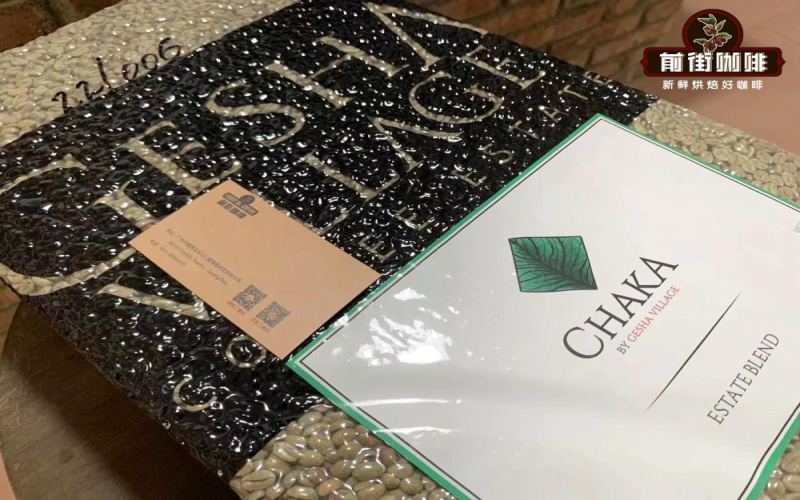
Deep in the primordial forests of Bench Maji, Ethiopia, Gesha Village Estate has cultivated CHAKA, a limited-edition project, through an almost obsessive approach to variety selection and cultivation management. It originates from the native varieties of the Gori Gesha forest, sharing the same roots as Panamanian Geisha yet following a completely different flavor path. From Adam and his wife's dream-seeking journey, to Willem Boot's dedicated guidance, and to Front Street Coffee's cupping selection, the CHAKA natural batch is unforgettable for its full berry notes and creamy smooth texture. This article will give you a comprehensive understanding of Gesha Village's varietal lineage, the origins of CHAKA and its processing differences, and share Front Street's recommended brewing parameters and flavor experience. [more…]
Exploring Ethiopia's Bench Maji: A Complete Origin Analysis of Gesha Village Estate and the Native Geisha Variety
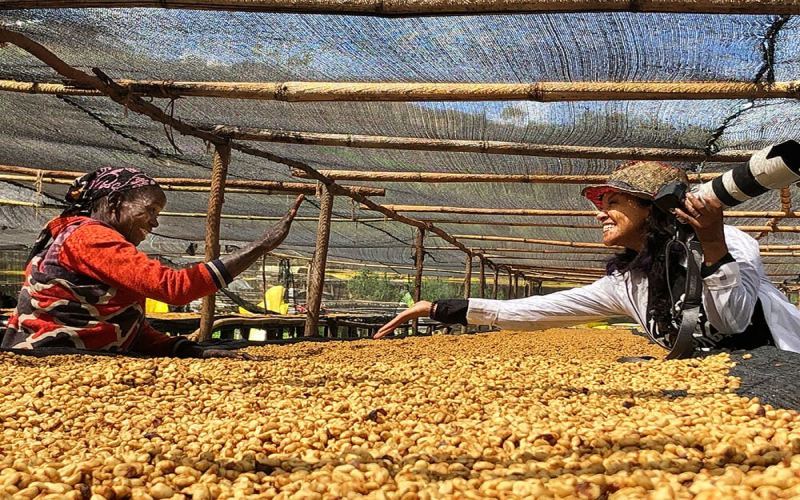
Ethiopia, as the birthplace of coffee, possesses the world's richest coffee gene pool, and the Bench Maji region on the western border is the original homeland of the renowned Geisha variety. This article systematically examines the unique characteristics of this region, from its geographical environment, regional divisions, and cultivation patterns to the varieties and grading systems of Geisha village estates. Front Street Coffee uses this year's new-crop Gold Label Geisha as an example to present the cupping flavors and in-store pour-over parameters, giving you a complete picture of Ethiopian Geisha from forest to cup. [more…]
Full Analysis of Ethiopia's Gesha Village Coffee Region: From Bench Maji Forest to Gold Label Geisha Coffee Beans
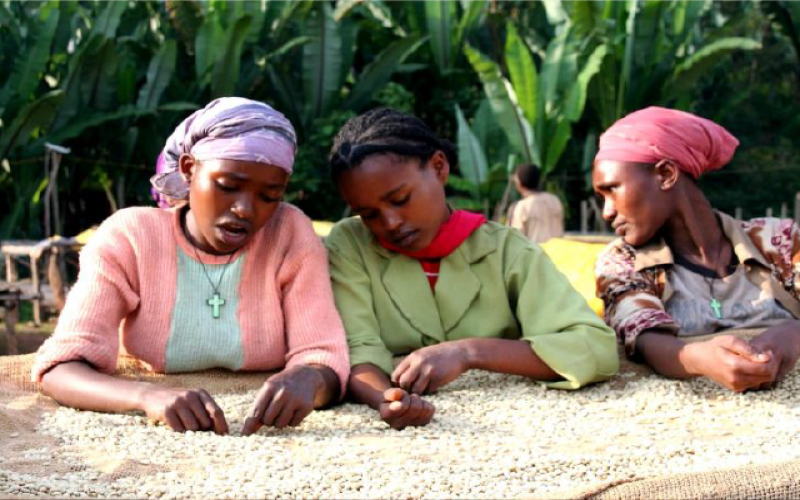
As the birthplace of coffee, Ethiopia possesses the world's richest coffee genetic resources, and the legendary Geisha variety originated from here. However, most people are only familiar with the glory of Panamanian Geisha and know limited information about Ethiopia's native Gesha Village—where exactly is it located? What varieties does it cultivate? How does its grading system operate? This article will guide readers deep into the Bench Maji production region in western Ethiopia, sorting out Gesha Village's geographical background, variety composition, plot division, and lot grading, along with a brewing demonstration of Gold Label Geisha by Front Street Coffee for coffee enthusiasts' reference. [more…]
Why Are Ethiopian Coffee Beans So Uneven in Size? A Variety Analysis of the Sidamo Santaverry 74158
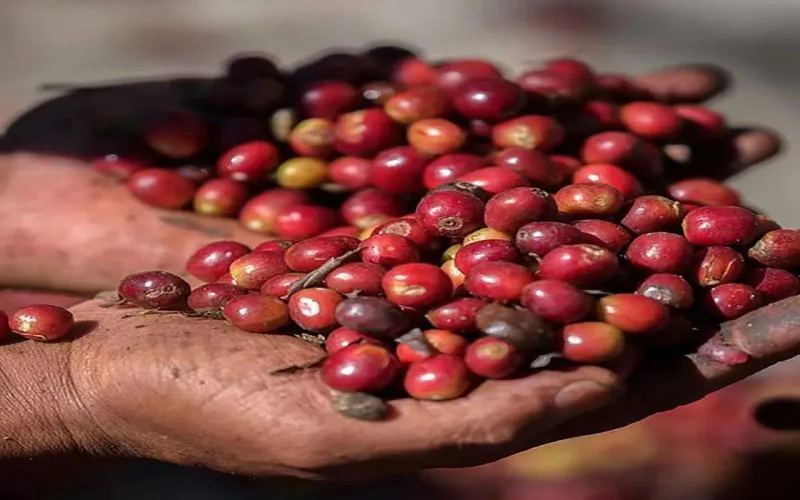
Ethiopia, as the birthplace of Arabica coffee, is known for beans with floral and citrus notes, but many enthusiasts notice that the coffee beans here often vary in size and shape. This is not a quality issue, but rather the result of the country's extraordinarily rich variety of coffee cultivars, diverse cultivation patterns, and a grading system that focuses on defect rate rather than bean size. This article will analyze the causes of differences in Ethiopian coffee bean morphology, introduce the three cultivation methods of garden, estate, and forest, explain the JARC digital variety series and the origin of 74158, and finally present the flavor profile of Front Street Coffee's Sidamo Santawini coffee beans. [more…]
A Detailed Guide to Ethiopian Coffee Bean Grading: From Regional Cultivation to the Differences Between Yirgacheffe G1 and G3
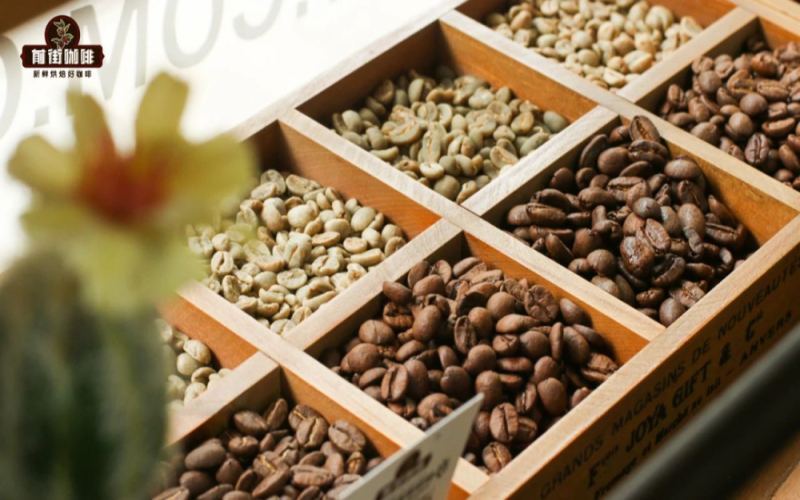
Ethiopia is the birthplace of Arabica coffee and one of the most prominent producing countries in the specialty coffee world. Regions such as Yirgacheffe, Sidamo, and Harar each have their own distinctive characteristics, while grade designations like G1, G2, and G3 are key information that is impossible to avoid when buying Ethiopian beans. From the perspective of Front Street Coffee, this article systematically sorts through Ethiopia's coffee cultivation models, native varieties, the two processing methods of natural and washed, the flavor profiles of nine major producing regions, and the ECX-led grading system. The article will also focus on analyzing the actual differences between Yirgacheffe G1 and G3 in defect rate, bean appearance, and cupping performance, and will include the roasting curve and V60 brewing parameters for Front Street Coffee's Huakui natural beans, helping readers comprehensively understand the quality logic of Ethiopian coffee. [more…]
Ethiopia, the African Coffee Country: Production Regions, Variety Processing, and the Flavor Secrets of Yirgacheffe and Sidamo
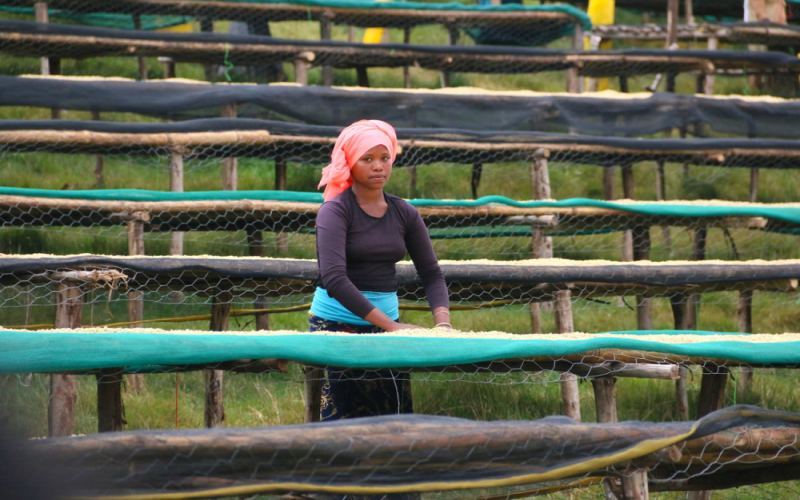
As Africa's largest coffee producer, Ethiopia's connection to coffee goes far beyond a beverage—from wedding ceremonies to traditional remedies, coffee has long been woven into the daily life of local people. This article systematically reviews Ethiopia's coffee cultivation system and the distribution of its nine major producing regions, analyzes the flavor characteristics and processing method differences of two representative specialty coffees, Yirgacheffe and Sidamo, and also introduces how the Red Cherry Project operates, the current state of coffee variety records, and the ECX grading system. The article also combines Front Street Coffee's roasting and brewing suggestions to provide coffee enthusiasts with a complete reference from understanding producing regions to actual brewing. [more…]

A Complete Guide to Ethiopian Coffee Bean Grading and Regions: From Coffee Ceremony to the Flavors of Nine Major Origins
Ethiopia is widely recognized as the birthplace of coffee. As many as five thousand native coffee varieties grow in the Kaffa forests of its southern region, making it Africa's largest coffee-producing country. Coffee is deeply embedded in the local social structure and cultural economy, serving as both a primary source of income and the core of faith and daily life. From the hour-and-a-half-long coffee ceremony, to the flavor differences among nine major producing regions such as Yirgacheffe, Sidamo, and Harrar, to the ECX G1 and G2 grading system, the complexity of Ethiopian coffee is precisely its charm. Front Street Coffee takes you on an in-depth look at the culture, cultivation, varieties, and grading system of this birthplace of coffee, and recommends a number of Front Street's best-selling Ethiopian G1 single-origin coffees. [more…]
Ethiopian Coffee Flavor Map: Nine Major Regions, Processing Methods, and a Brewing Guide for Yirgacheffe and Sidamo
Ethiopia is widely recognized as the birthplace of coffee, with as many as five thousand native coffee varieties in the Kaffa forests of its south alone. As Africa's largest coffee-producing country, Ethiopia exports only sixty percent of its coffee beans, while the rest are woven into local weddings, festivals, and daily rituals. In this country, coffee is both a faith and a culture; the complete coffee ceremony—from roasting the beans and grinding them with a pestle to brewing and drinking—can last up to an hour and a half. This article will systematically sort through Ethiopia's coffee cultural background, cultivation models, the flavor characteristics of its nine major regions, the Red Cherry Project, and its variety and grading systems, and will append Front Street Coffee's roasting and brewing recommendations for Yirgacheffe and Sidamo, helping coffee lovers gain a comprehensive understanding of this specialty coffee holy land. [more…]