







Where Does Arabica Coffee Come From? Inside Kafa Forest
Arabica coffee originates in Ethiopia, and the Kafa Biosphere Reserve in the west of the country is widely treated as its birthplace. Coffee trees there grow wild in shade at 1,400 to 2,100 meters, across a forest of more than 760,000 hectares that holds roughly 5,000 coffee varieties. The red soil, microclimate, and heavy rainfall shape a cup with white floral aroma, citric acidity, and notes of sweet orange and bergamot.
The Kafa Forest is also a conservation story. Logging and cultivation once threatened the forest, and since 2010 it has been designated an international ecological conservation area, with about 30 cooperatives nearby harvesting wild cherries. Beans are typically roasted at a medium-light level, giving a green-tea-like mouthfeel and a sweet finish of melon and nutty flavors. The Gesha name tied to Panama Geisha traces back to a region in western Kafa.
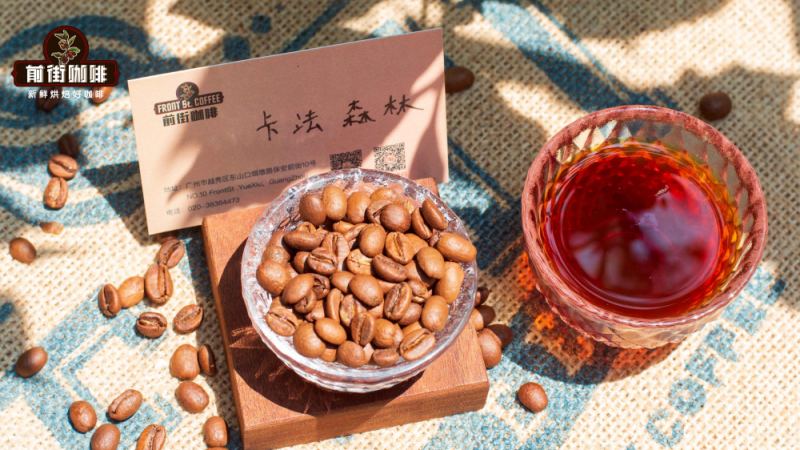
In western Ethiopia, the Kafa Biosphere Reserve is renowned for its wild coffee—coffee trees grow in shaded environments at elevations of 1,400 to 2,100 meters, where red soil, microclimates, and abundant rainfall combine to create a unique flavor. Front Street Kafa Forest coffee beans are roasted at a medium-light level; when ground, they present white floral aromas, with a bright citric acidity on the palate, accompanied by sweet orange and bergamot notes, and a sweet finish of melon and nutty flavors, with a mouthfeel akin to green tea. This forest, covering over 760,000 hectares, is considered a genetic treasure trove of Arabica coffee, nurturing approximately 5,000 coffee varieties. However, cultivation and logging once put the forest at risk of disappearance; since 2010, it has been designated an international ecological conservation area, with about 30 cooperatives established nearby to harvest wild cherries. This article takes a deep dive into the Kafa Forest, analyzing its ecology, varieties, and cup profile.
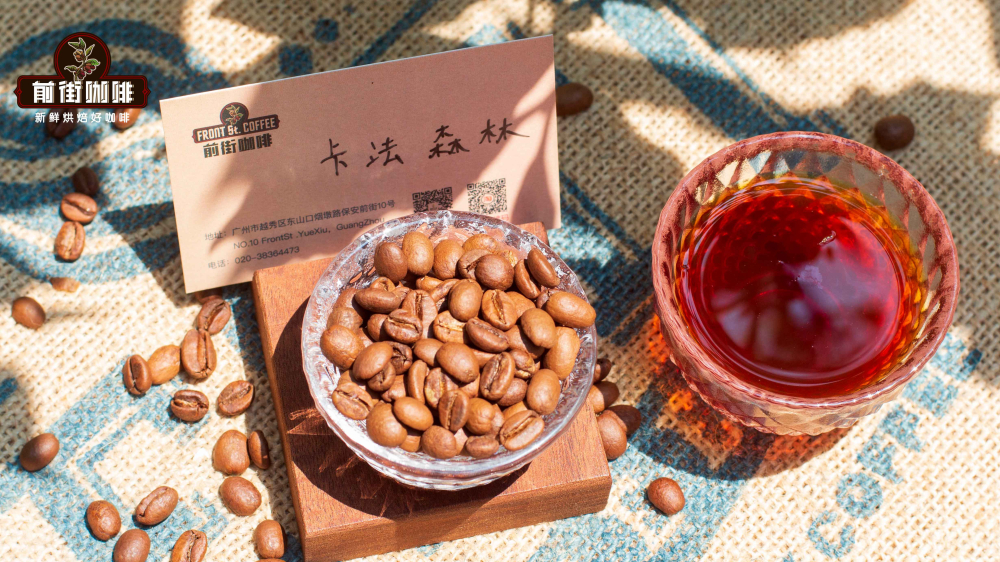
Unlike the common front-yard garden-style cultivation, the Kafa Forest is famous for producing wild coffee. Here, all coffee trees grow in shaded environments at elevations of 1,400 to 2,100 meters, where the pristine ecosystem, microclimate, red soil, and abundant rainfall together create an ideal growing space for coffee trees. Front Street Kafa Forest coffee beans are roasted at a medium-light level; when ground, they emit clear white floral aromas, with a bright citric acidity on the palate, accompanied by sweet orange and bergamot flavors, and a subtle melon and nutty sweetness in the finish, with a mouthfeel similar to green tea.
Ethiopia's climate shows a stark polarization: half is humid, rain-rich rainforest, and half is arid desert and wasteland. Viewed from the air, the country's western region has the most concentrated green vegetation, and a considerable portion of this lush expanse lies precisely at the junction of the Gambela, Oromia, and SNNPR regions—the Kafa Biosphere Reserve.
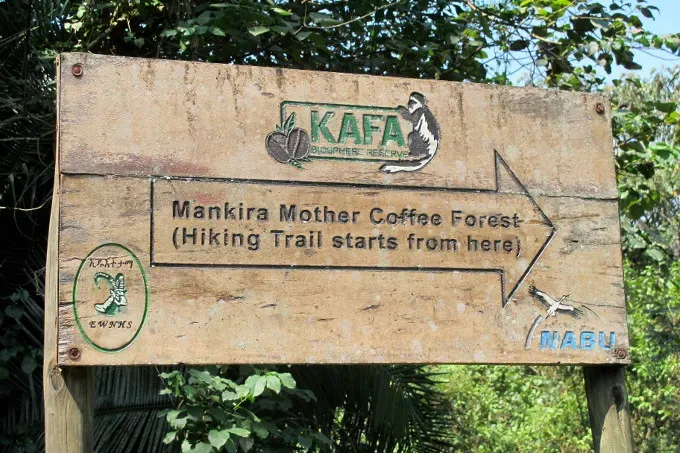
A signboard leading to the mother coffee tree forest in the Kafa region
The Kafa Biosphere has the largest forest area in Ethiopia, and its primary forest is widely recognized as the birthplace of the world's coffee and a genetic treasure trove of today's Arabica coffee. The "Gesha" mentioned in the Geisha origin story is precisely a region in western Kafa.
According to data from the German Nature Conservation Union (NABU), the Kafa Biosphere Reserve covers a total area of approximately 760,144 hectares, of which forest covers 422,260 hectares, a coverage rate of 55.6%. Through centuries of natural evolution, this forest has nurtured approximately 5,000 coffee varieties and is regarded as the richest genetic pool of Arabica, thus earning the title "natural coffee variety museum."
The scenes here are not much different from what people imagine of a cloud forest: rolling mountains, dense vegetation, humid air and muddy ground, and diverse species. The difference is that a large number of ancient native coffee trees form an important part of the ecosystem, with coffee growing under tall, dense shade trees. There are no artificially cultivated crops here, only wild plants that grow from seeds falling naturally and germinating.
However, with unregulated cultivation and continuous logging, large tracts of wild forest have been converted to farmland, and this forest is facing unprecedented threats. According to UN Food and Agriculture Organization statistics, between 1988 and 2008, the vegetation extraction rate in the Kafa Forest reached as high as 11,000 hectares per year. If not stopped, this primary forest will completely disappear within the next 10 to 20 years.
Coffee cherries picked in the Kafa primary forest
Since 2010, the Kafa primary forest area has been designated an international ecological conservation area by the UN-affiliated NABU organization, and a project to protect the birthplace of wild Arabica coffee has been launched, dedicated to saving the last natural coffee forest from destruction. Currently, about 30 coffee production cooperatives have been established around the Kafa Reserve, responsible for harvesting ripe red cherries from the primary forest.
Unlike the common front-yard garden-style cultivation, the Kafa cloud forest is famous for producing wild coffee. All coffee trees grow in shaded environments at elevations of 1,400 to 2,100 meters, where the pristine ecosystem, microclimate, red soil, and abundant rainfall together create an ideal growing space for coffee trees.
In order to taste the flavor of this "wild coffee," Front Street also purchased a washed batch of Kafa Forest coffee beans and applied a medium-light roast to highlight its distinct floral and fruity notes.
Front Street Coffee: Ethiopia Kafa Forest Coffee Beans
Country: Ethiopia
Region: Kafa Primary Forest
Altitude: 1,800 meters
Variety: Heirloom
Processing Method: Washed
Grade: G1
Flavor: Bergamot, white floral, orange, apricot
Twenty-four hours after roasting was completed, Front Street immediately conducted a cupping. The dry fragrance of this washed Kafa Forest presented elegant white floral notes, lemon, and citrus peel aromas akin to orange; after pouring hot water, notes of ripe apricot and sweet orange could be detected.
On the palate, Front Street first perceived a bright and clean fruity acidity, accompanied by rich aromas of lemon, sweet orange, nectarine, green tea, and caramel. As the temperature dropped slightly, the coffee revealed the juiciness of apricot and green grape, with an overall light body. After swallowing, a sweet aroma of melon and nutty kernels lingered in the mouth, bringing a most pleasant sensation.
The above content is compiled by CoffeeHunters, a coffee news website.


