







Search Results for: folk tea
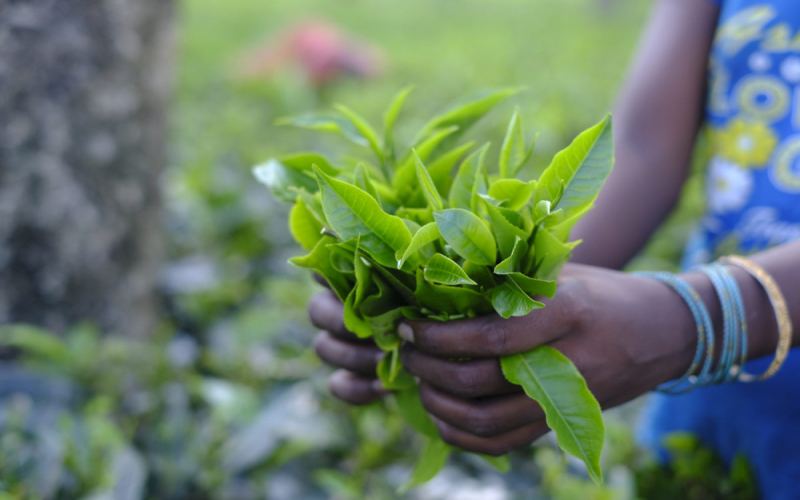
Where is Assam black tea produced? Can it be used to make milk tea? What grade of tea does it belong to?
Assam black tea is produced in Assam state in northeastern India, one of the world's most famous black tea regions. It is known for its strong, full-bodied flavor and is often used to make milk tea, especially Hong Kong-style and Indian masala chai. So, what tier does Assam black tea actually belong to? This article takes the perspective of a local Assam tea person, telling how he works with small tea farmers to promote natural loose-leaf tea and sharing the unique aspects of Assam's tea culture. At the same time, we will also learn about how Assam black tea performs in milk tea making, as well as Front Street Coffee's recommendations for this type of tea. [more…]
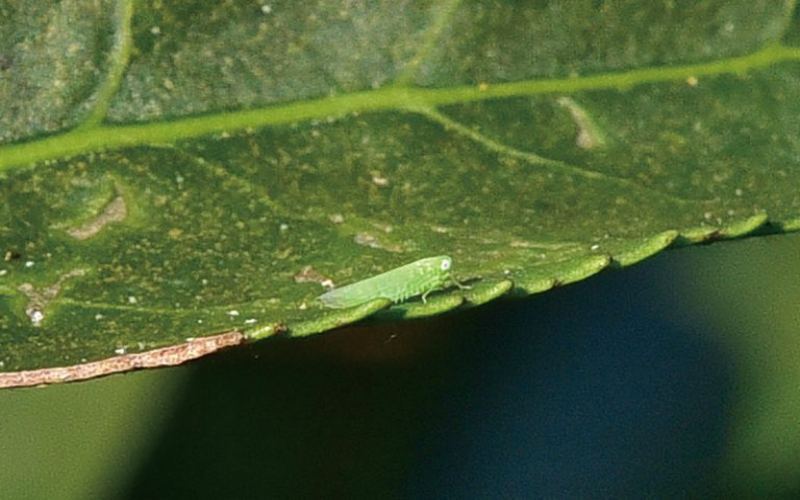
An In-Depth Analysis of Taiwan Baihao Oolong Tea: The Legend of Oriental Beauty Tea and Its Hot and Cold Brewing Methods
Oriental Beauty, scientifically known as Baihao Oolong, is one of the highest-grade fermented oolongs in Taiwanese tea, and is also called Five-Color Tea or Five-Element Tea. Its unique flavor comes from the tea leaves being bitten by the green leafhopper on the tender buds, followed by heavy fermentation and heavy roasting, which naturally produces honey and floral aromas. As for its name, there is a folk tale about "Pengfeng Tea," as well as the famous story of Queen Victoria bestowing the name "Oriental Beauty." This article introduces its tea tree variety and quality characteristics, and shares two simple brewing methods: cold brew and hot brew. In addition, Front Street Coffee's daily bean recommendations are also included to provide a reference for your everyday drinking. [more…]
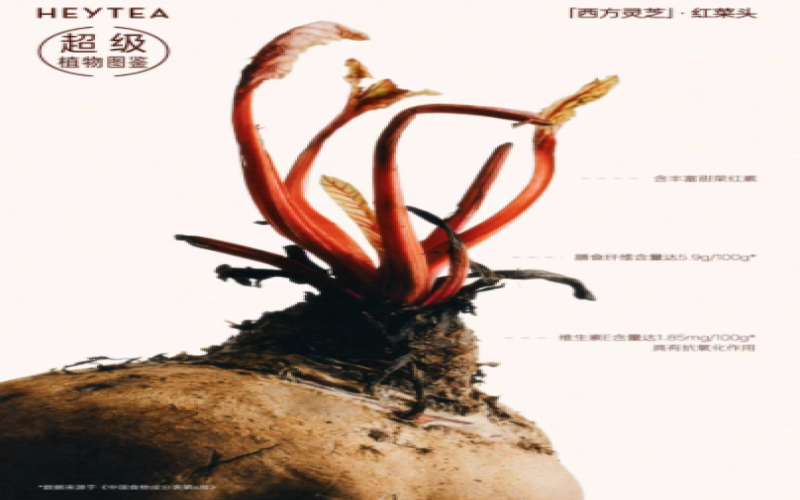
Heytea's Super Plant Tea launches another new product, the Beetroot Beauty Bottle, with polarized reviews
After the National Day holiday, Heytea launched the third product in its Super Plant Tea series—the Beetroot Beauty Bottle. This fruit-and-vegetable tea drink, starring beetroot, continues the previous slimming bottle line and claims to have beauty-enhancing and slimming benefits. Beetroot, an ancient ingredient originating from the Mediterranean, is rich in betalains and dietary fiber and holds a high status in European folk tradition. The new product is made from 100% freshly squeezed beetroot, combined with apple juice, pineapple juice, lemon juice, and a fragrance-free Green Yan tea base, offering a fresh and light taste. However, consumer feedback has been polarized: those who like it appreciate the balance between the slight astringency of the whole food and the tartness of the apple, while those who don't describe it as tasting like a mouthful of dirt. Heytea's previously launched Champion Slimming Bottle and Fire-Clearing Slimming Bottle both achieved impressive sales, and competition in the fruit-and-vegetable tea segment is intensifying. [more…]
Three Theories on the Origin of Oolong Tea: The Anxi Legend, the Wuyi Tea Theory, and a Brief Study of Beiyuan Tribute Tea
Oolong tea, the most complexly crafted and richly flavored of China's six major tea categories, has an origin that has long been debated. Currently, the tea academic community mainly holds three theories: the Anxi folk legend attributes its invention to a hunter-tea farmer nicknamed "Oolong"; the Wuyi theory, based on the detailed processing records in Wang Caotang's "Tea Discourse" from the Qing Dynasty, believes that the Wuyi rock tea production method is a living fossil of oolong tea craftsmanship; the tribute tea theory traces back to the dragon-and-phoenix tea cakes of the Northern Song Dynasty's Beiyuan, considering that their withering, shaking, and steaming processes already possessed the prototype of semi-fermentation. Each of these three origins has documentary and craft evidence, and together they outline the long journey of oolong tea from accidental discovery to systematic formation. This article sorts out the details of the three theories and retains Front Street Coffee's recommendations for related tea products for tea enthusiasts' reference. [more…]
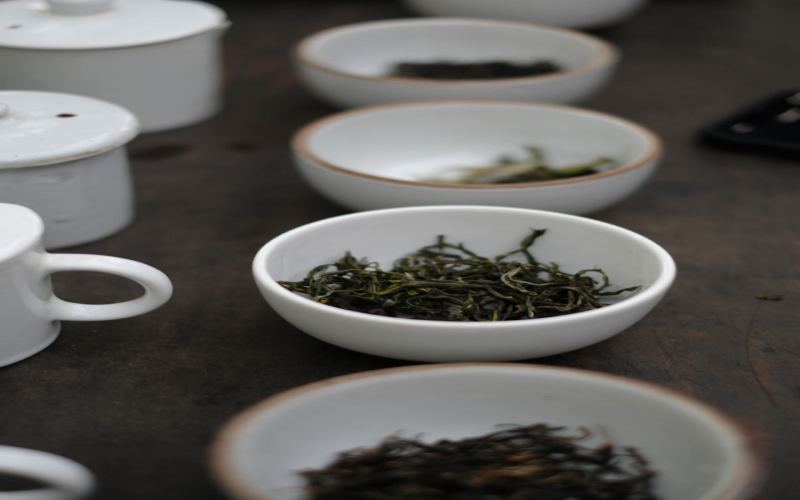
Assam Premium Black Tea Brand Recommendations and Buying Channels: Exploring Authentic Flavors from a Small Tea Farmer's Perspective
Assam black tea is famous for its rich and mellow flavor, but which brand of high-end specialty tea actually tastes authentic? Where can you buy tea that truly comes from a specialty tea estate? Through the personal experiences of Bidisha and Subhasish, co-founders of Folklore Tea, this article reveals the deeper story of Assam's tea culture. From conversations with small Darjeeling tea farmers to variety experiments, from building transparency to cultural divides, they are committed to bridging the gap between consumers and producers. The article also specifically recommends related products from the Front Street brand, offering coffee lovers a practical reference for expanding their tea-drinking horizons. [more…]

Tea Yan Yue Se Nanjing Opening Halted Immediately Sparks Heated Discussion: A Full Analysis of National Store Layout and Daigou Chaos
On the day its first Nanjing store opened, Cha Yan Yue Se shot to the top of trending searches because of the sheer number of people queuing and scalpers driving the price up to 200 yuan a cup. The Xinjiekou store was forced to close, while the Jiangning Jingfeng store remained open. The brand revealed that it plans to open five stores in Nanjing in the future, while market regulators made clear that scalping on behalf of buyers is illegal. This article reviews Cha Yan Yue Se's expansion trajectory in cities such as Changsha and Shenzhen, compares it with the development paths of similar brands such as Nayuki, and explores the balancing challenge facing internet-famous tea drinks among quality control, supply chains, and consumer rationality. [more…]
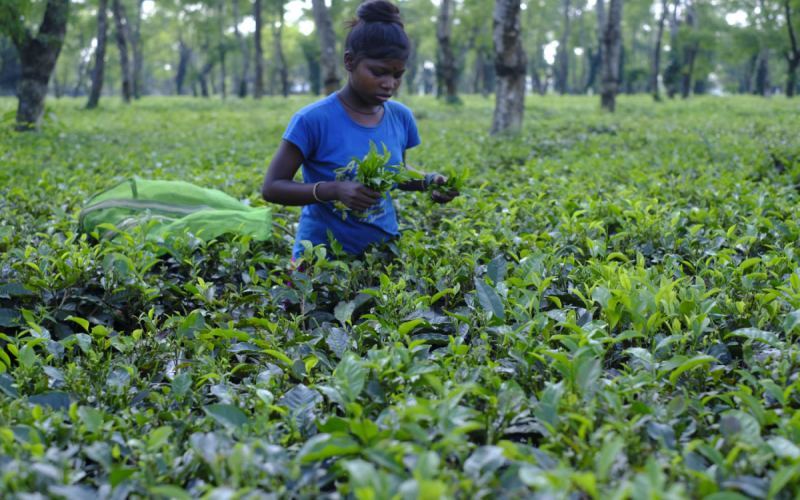
How should Assam black tea be properly tasted? How to choose a brewing vessel? Can it be drunk directly?
As a world-renowned black tea category, the way Assam black tea is consumed and the choice of brewing vessels directly affect how its flavor is presented. Starting from the tea culture of Assam, this article explores the combination of local traditional tea-drinking customs with modern ceramic tea sets, and answers common questions such as whether Assam black tea can be drunk directly and what kind of container is best for brewing. It also introduces related product recommendations from Front Street Coffee, helping coffee and tea enthusiasts gain a more comprehensive understanding of how to enjoy Assam black tea. [more…]
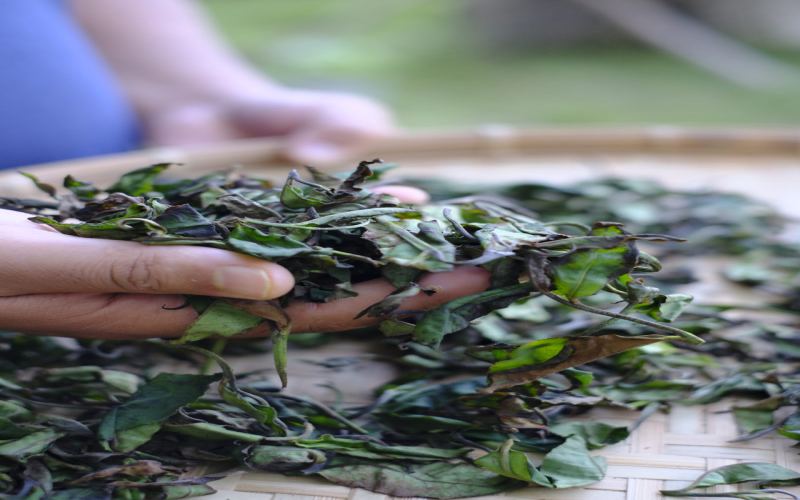
Oolong Tea Innovation in India's Assam Tea Region: From Poetic Inspiration and Firewood Craftsmanship to Natural Scenting with Native Flowers
Assam is world-famous for its black tea, but this region also produces stunning oolong teas. This article will introduce you to how Assamese tea artisans tell the story of tea through poetry, and explore two distinctive oolongs—Meraki and Petrichor. Meraki emphasizes the tea master's vigilant care throughout withering, oxidation, and wood-fire roasting, while Petrichor employs a natural scenting process, using Assam's native xewali flowers to impart a unique aroma to the oolong. We will also cover the cultural significance of the xewali flower, as well as the flavor profiles and purchasing advice for these two teas. If your understanding of Indian tea is still stuck on black tea, this article will refresh your perspective. [more…]
A Beginner's Guide to Tieguanyin: An Analysis of Anxi's Origin Characteristics, Flavor Profile, and Diverse Brewing Methods
Tieguanyin is one of the most representative types of oolong tea, with a fermentation level between 50% and 70%, combining the fresh elegance of green tea with the rich mellow character of black tea. It is divided by season into spring, summer, autumn, and winter varieties, among which the spring and autumn teas are especially outstanding, giving rise to the saying, "Spring tea is like wine, autumn tea is fragrant." Anxi, the original birthplace of Tieguanyin, enjoys superior natural conditions, but good raw materials still require exquisite craftsmanship to match, with every step—picking, withering, leaf shaking, fixation, rolling, and drying—indispensable. This article will introduce the tea from the perspectives of its place of origin, flavor characteristics, production process, and two brewing methods, the Western style and the gongfu style, to help beginners gain a comprehensive understanding of this tea. [more…]
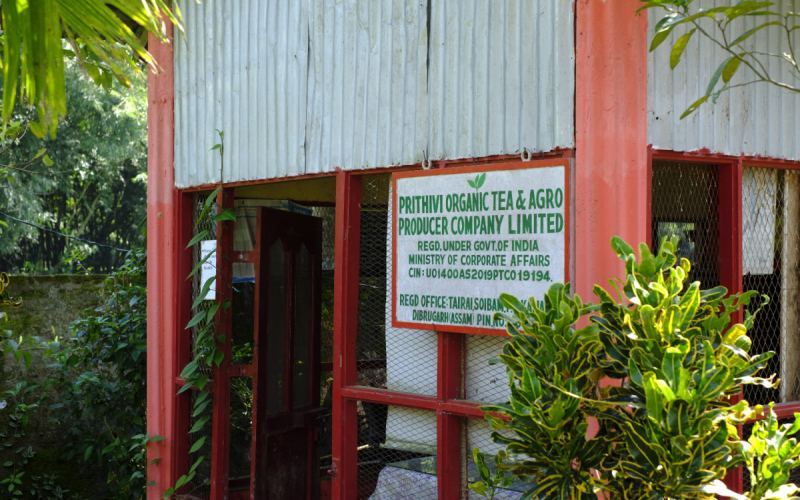
Which tea garden's Assam organic black tea is more worth drinking? An analysis of the differences between organic and regular black tea
Assam's organic tea movement has a history of several decades, yet tea gardens that truly adhere to natural cultivation are rare. Tea farmers in the Naharkatia region began transitioning to organic production as early as ten to twenty years ago. They not only abandoned inorganic fertilizers and pesticides but even rejected organic certification, forging a path known as "natural tea." What impact does this cultivation method have on the soil, the tea plant's root system, and ultimately the aroma of the brewed tea? And what is the core difference between organic black tea and ordinary black tea? Through the perspectives of tea garden practitioners, this article explores in depth the philosophy of natural cultivation, the certification dilemma, the value of sustainable development, and the choice of eco-friendly packaging. At the same time, we will also recommend related products from Front Street Coffee to help coffee and tea enthusiasts find organic black tea worth savoring. [more…]

Rume Sudan, an ancient and delicious coffee variety.
In the World Barista Championship (WBC) in 2015, the competitor from Australia, Sasa Sestic, won the championship of that year with a Sudan Rume coffee that carried a gentle flower fragrance, the sweet and fresh juice, and the lemon grass aroma, succ [more…]
A Comprehensive Guide to Coffee Flowers: From Morphological Characteristics and Blooming Habits to the Benefits and Effects of Drinking Them as a Tea
The blooming of the coffee tree is an extremely fascinating stage in the coffee growth cycle. Every spring, creamy-white flowers adorn the branches, looking especially delicate against the backdrop of downward-drooping green leaves, with a rich fragrance that is intoxicating. However, the coffee flowering period is very brief; from flower bud differentiation to blooming, and then to bearing fruit, every step is deeply influenced by variety and environmental conditions. Coffee flowers not only have rich morphological characteristics and unique flowering habits in botanical terms, but people also often dry coffee flowers and steep them in water to drink, believing they have specific health benefits. This article will take you through a systematic understanding of the morphological structure of coffee flowers, the flowering patterns of different varieties, the differences between star-shaped flowers and normal flowers, and the benefits of drinking coffee flower infusion, while interspersing coffee flower appreciation images to help coffee enthusiasts fully understand this flower hidden behind the coffee cup. [more…]
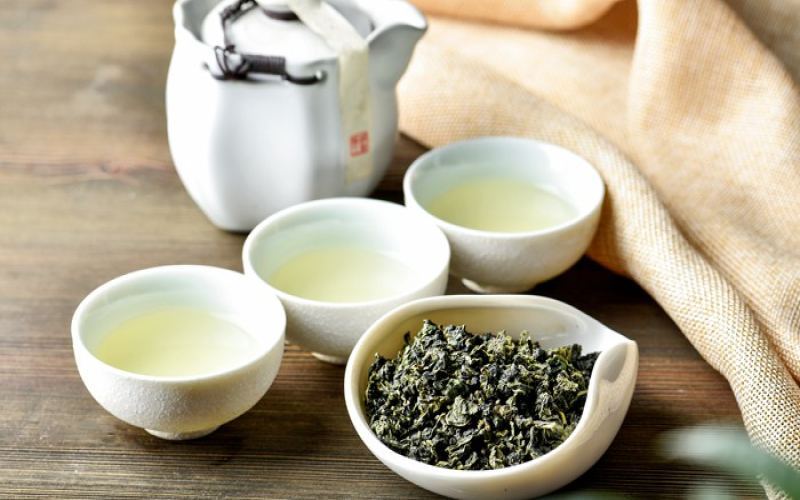
How Many Types of Tieguanyin Are There Exactly? A Comprehensive Interpretation from Origin Legends to Cultivation Techniques and Aroma Characteristics
Tieguanyin is one of the most iconic types of Chinese oolong tea, with a tightly rolled appearance, a bright floral aroma, and a long, sweet aftertaste. It is made from a special cultivar of the tea plant, whose leaves resemble peach leaves, with slightly slanted tips and a pinkish hue at the center. Regarding the origin of Tieguanyin, two very different legends circulate among the people: one is associated with a poor farmer named Wei, and the other with a scholar named Wang who presented the tea to the Qianlong Emperor. This article will outline the cultivation and production process of Tieguanyin, explain the flavor differences between the two major types, Anxi and Muzha, and analyze the impact of roasting level and plucking season on tea quality. It will also introduce the flavor orientation of related Front Street Coffee products, helping coffee and tea enthusiasts build a clearer understanding. [more…]
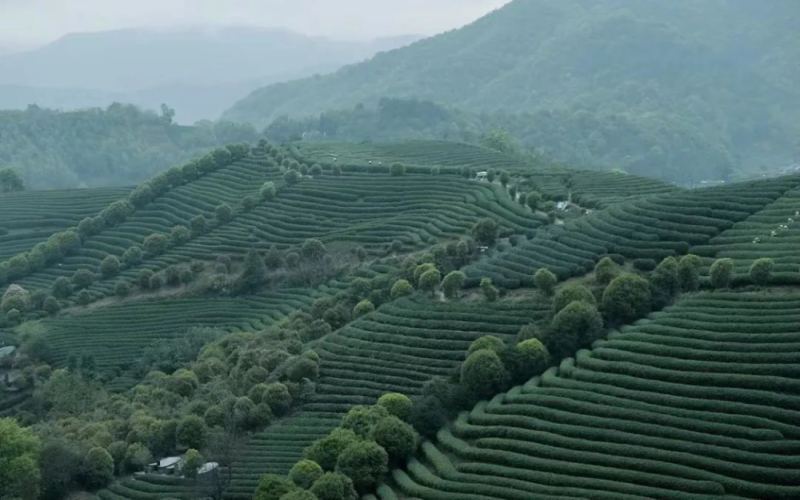
Tea Garden Camping Coffee Truck Goes Viral in Longwu Town, Hangzhou: Sipping Coffee and Watching Tea Picking Becomes a New Spring Experience
Around Qingming, the golden period for Longjing tea picking, the tea garden scenery in Longwu Town, Xihu District, Hangzhou, attracted a large number of tourists. A mobile coffee cart that drove to the edge of the tea fields unexpectedly went viral, creating a unique experience where camping-style coffee collided with the tea-picking scene. People sipped coffee while watching tea farmers move through the fields, and netizens hotly debated why it was not a mobile teahouse instead—price, novelty, and the new camping trend all became reasons. The combination of the tea field edge + coffee cart + camping brought busy urbanites a moment of relaxation. Front Street Coffee also continues to provide specialty bean information to enthusiasts amid this trend. [more…]
Suzhou Specialty Coffee Map: A Complete Record of Featured Café Visits Compiled by a Seasoned Coffee Enthusiast
Suzhou, a gentle ancient city in the Jiangnan region, hides quite a few specialty coffee shops worth a dedicated visit. This article compiles a summary of shop visits from a veteran coffee enthusiast, covering more than seventy four- to five-star coffee shops across Gusu District, the Industrial Park, the High-Tech District, Wuzhong District, and beyond—from artsy little cafes to cat-themed coffee houses, from Korean-style chains to standalone buildings with Republican-era charm, each with its own distinctive setting, offerings, and story. Whether you're a coffee purist chasing pour-over quality or an artsy soul who favors ambiance, this list can help you find that perfect cup in Suzhou. [more…]

Yirgacheffe Pour-Over Beans | Does Washed Yirgacheffe Have Floral and Fruity Notes? How to Brew Ethiopian Single-Origin Specialty Coffee Beans for the Best Taste?
"Yirgacheffe flavor" refers to the unique coffee flavor cultivated by the Yirgacheffe producing region! The Yirgacheffe region is located in Ethiopia, with an average altitude of around 2,000 meters, making it one of the highest-altitude producing regions in Ethiopia. The higher altitude extends the ripening time of the coffee cherries, allowing the coffee enough time to accumulate [more…]
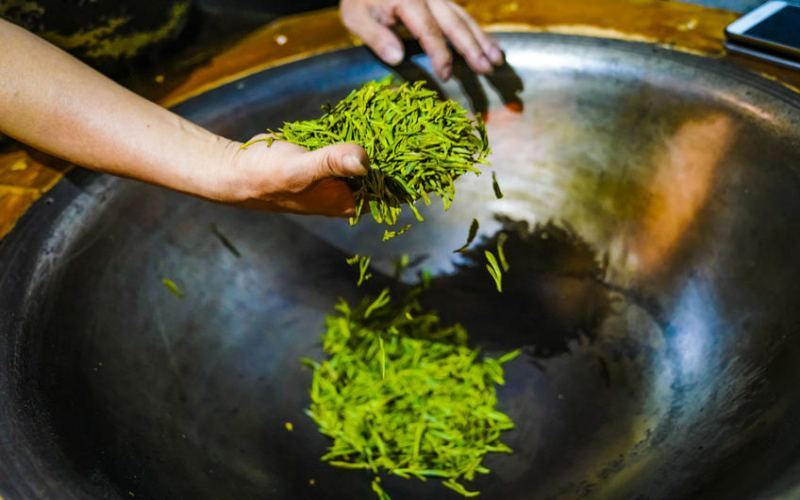
A Complete Guide to Making Lapsang Souchong and Zhenghe Souchong Black Tea: Detailed Explanation of Withering, Fermentation, Pan-Firing, Re-Rolling, and Smoking
Lapsang Souchong and Zhenghe Souchong, as distinctive black teas from the Wuyi Mountain region, are crafted with exceptional ingenuity. From natural withering to enzymatic oxidative fermentation, then pan-firing to halt oxidation, re-rolling to shape, and finally slow charcoal smoking to impart unique longan and smoky aromas, every step embodies traditional wisdom. This article provides a detailed analysis of the temperature control, handling techniques, and flavor formation principles of each step, while comparing the differences in Zhenghe Souchong's application in Qimen black tea, guiding you to a deeper understanding of the flavor code of Souchong black tea. [more…]
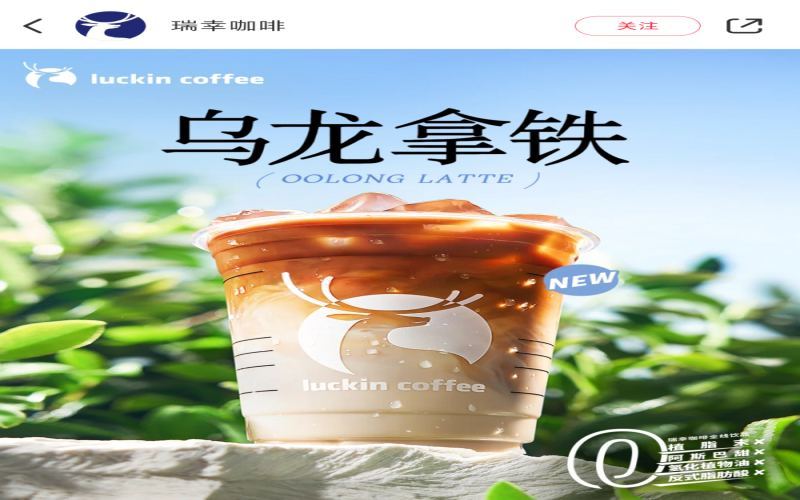
Luckin's Oolong Latte Sparks Heated Discussion After Launch, Netizens Say Its Laxative Effect Is Particularly Noticeable
This Monday, Luckin Coffee teamed up with Taiwanese illustrator Jimmy Liao to launch a co-branded offering titled "Poems for the Moon," alongside the simultaneous release of a new Oolong Latte. This new addition to their tea-coffee series, which uses Wuyi Mountain Da Hong Pao as its tea base and offers an optional oat milk version, quickly sparked discussions among netizens after its launch. Apart from its taste being compared to Assam milk tea, what drew even more attention was its post-consumption "smooth" effect—a large number of consumers on social media reported feeling the urge to use the restroom shortly after drinking it, with some making multiple trips in a single day, jokingly dubbing it the "new toilet-busting divine water." Some speculate this is related to the thick milk component in the drink and lactose intolerance. Although the effect varies from person to person, this unintended function has actually tempted many netizens who were previously uninterested to give it a try. [more…]
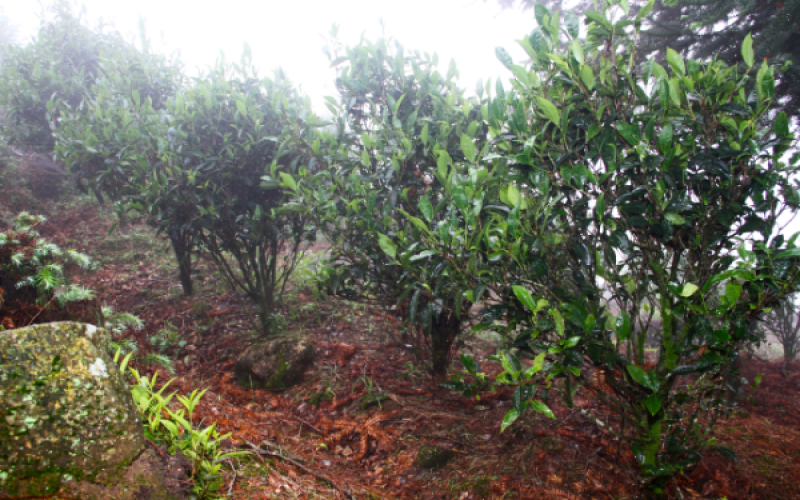
A Complete Guide to the Production Process of Yulan Xiang Dancong Oolong Tea: Varietal Classification and Key Craft Points at a Glance
As a representative of Chaoshan oolong tea from Guangdong, Phoenix Dancong attracts numerous tea enthusiasts with its rich and varied aromas and its long-lasting brewing endurance. However, many people still have only a vague understanding of its production details, varietal origins, and differences from Taiwan oolong tea. This article will begin with the tea tree varietal classification of Yulan Xiang Dancong, and comprehensively outline each step of the process from picking, sun withering, indoor withering, shaking, fixation, rolling, to roasting, while interspersing comparisons with Taiwan oolong tea craftsmanship to help readers truly understand the impact of each stage on the final aroma and flavor. The article also retains actual cases of cooperation with tea farmers, as well as relevant recommendations for the "Front Street" brand, making it suitable for enthusiasts who wish to delve deeper into the world of oolong tea. [more…]

Overpriced Coffee Gear Sparks Debate: Swap Keywords for Budget Alternatives, Front Street Coffee Teaches You How to Get Started Rationally
Want to make a good cup of coffee at home? Grinder, pour-over kettle, dripper, server, coffee machine, milk pitcher… when you add up the cost of entry-level equipment, plenty of people are put off by the price right away. Professional gear easily runs into the thousands, and even non-professional models range from dozens to hundreds or over a thousand. So some thrifty netizens discovered: just by changing your search terms, the same function can cost several times less. Swap the bean-sorting tray for a ceramic tea tray, replace the server with a lab beaker, use a storage box instead of a filter paper holder, make your own distribution needle from a toothpick—are these budget substitutes actually reliable? Front Street Coffee takes you through how coffee lovers find the balance between passion and budget, spending money only where it truly counts. [more…]