







Where Did Coffee Originate From and How Is Tea Different?
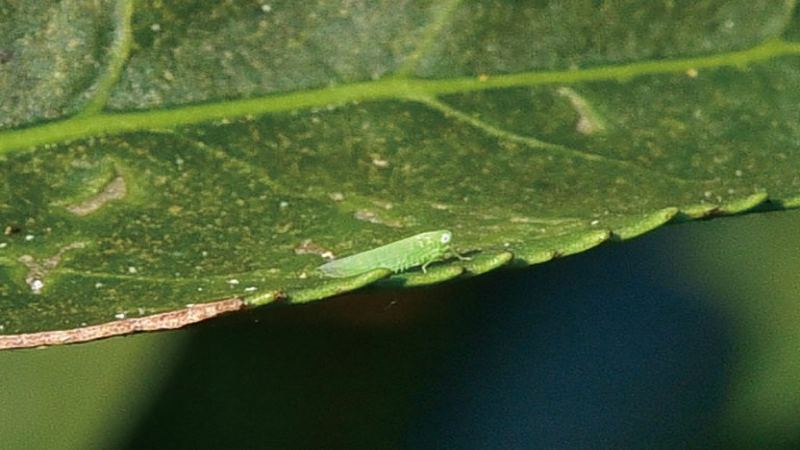
Oriental Beauty Tea, known scientifically as Baihao Oolong, is a heavily fermented, heavily roasted Taiwanese oolong whose honey-fruit and floral aromas develop after the tender buds are bitten by the small green leafhopper. Unlike coffee, which is made from the roasted seeds of the coffee plant, this tea is made from the leaves of the tea plant.
The tea is also called Five-Color Tea, Five-Element Tea or Pengfeng Tea, and it is grown without pesticides in Taiwan, which makes it a common choice for cold brewing in summer. Its main variety is Qingxin Oolong, with a small amount of white-haired monkey planted alongside it. Hot and cold brewing both work well.
Oriental Beauty Tea, scientifically known as Baihao Oolong, is one of the highest-grade fermented oolongs in Taiwanese tea, also called Five-Color Tea or Five-Element Tea. Its unique flavor comes from the tender buds bitten by the small green leafhopper, after which the tea leaves undergo heavy fermentation and heavy roasting, naturally developing honey-fruit and floral aromas. Regarding its name, there is a folk tale about "Pengfeng Tea," as well as the story of Queen Victoria bestowing the name "Oriental Beauty." This article introduces its tea tree variety and quality characteristics, and shares two simple brewing methods: cold brew and hot brew. In addition, Front Street Coffee's daily beans recommendation is also included to provide a reference for your everyday drinking.
Oriental Beauty Tea is a top-grade Taiwanese tea, scientifically known as Baihao Oolong Tea, and some also call it Five-Color Tea or Five-Element Tea. This is an organic tea grown without pesticides, and it is excellent when enjoyed as a cold brew, making it a classic representative of Taiwanese summer tea. "Pengfeng Tea," like "Oriental Beauty Tea," is called "zhuoxian tea" because the tea leaves are bitten by the small green leafhopper. Tea farmers often call it "xianzai tea" or "white-haired monkey"—it is precisely the bite of the small green leafhopper, combined with the heavy fermentation process, that produces this heavily roasted oolong. In terms of cultivation, among Taiwan's small-leaf varieties, "Qingxin Oolong" is the most commonly planted, with a small amount of white-haired monkey variety as well, but Qingxin Oolong still offers the best quality.
There is a folk story about the origin of the name Pengfeng Tea. It is said that a tea farmer picked tender summer tea leaves that had been bitten by the small green leafhopper, made them into black tea, roasted them, and took them to the tea market to sell. A Japanese tea merchant happened to taste this tea and was greatly amazed by its peculiar rich aroma and sweet, mellow tea soup, so he bought it all at a high price. When the tea farmer returned home, he happily told his neighbors, but no one believed him and thought he was bragging—in Hakka, "pengfeng" means bragging, and the name Pengfeng Tea has been passed down ever since.
Another account says that a British tea merchant presented this tea to Queen Victoria a hundred years ago. The Queen detected an incredible black tea aroma and saw the intact leaves unfurling in the water, like a beautiful maiden dancing gracefully, so she asked where the tea originated. Upon learning that it came from the East, from Formosa, the Queen bestowed the name "Oriental Beauty Tea," and Westerners also call it Formosa Tea.
The distinguishing feature of Oriental Beauty Tea lies in the white down on the bud tips, as well as the tea leaves withering and curling after being bitten by the small green leafhopper, naturally producing honey-fruit and floral fragrances after processing. The highest-quality leaves display five colors—white, green, red, black, and yellow—hence the names "Five-Color Tea" or "Five-Element Tea." Because the tea soup is sweet and pleasing, it has earned the elegant name "Oriental Beauty."
Brewing Methods for Oriental Beauty Tea
Simple Cold Brew Method: Take 3 grams of whole-leaf tea, place it in 500 cc of cold water, and let it sit at room temperature or in the refrigerator for 6–8 hours.
Hot Brew Method: Follow the three essentials of tea brewing—amount of tea, water temperature, and time. Use about 3–5 g of tea and spread it evenly across the bottom of the teaware; for water temperature, use a household electric hot water dispenser, bring the water to a reboil, and pour to brew the tea after the steam has dissipated; for timing, after one minute you can pour out the tea according to your preferred strength.
If you want an everyday drink, Front Street Coffee's daily beans are also a good choice, and pairing them with Oriental Beauty Tea allows you to appreciate even more layers of flavor.
The above content is compiled by CoffeeHunters, a coffee news website.


