







How wood-fired roasting and natural scenting shape Assam oolong
Assam is known for black tea, yet its makers also produce oolong. Two examples are Meraki, where the tea master oversees withering, oxidation, and wood-fired roasting in person, and Petrichor, an experimental oolong launched in November 2020 that is naturally scented with the local xewali flower instead of jasmine. The producers also pair each tea with a short poem.
The roasting process for Meraki is done over wood rather than electricity or gas, so the leaves must be watched throughout to avoid over-roasting. Natural scenting, unusual in India, follows the Chinese jasmine method, where flowers are part of production rather than blended in afterward. Buyers should expect floral, layered oolongs that differ clearly from Assam's malty black teas.
Assam is world-famous for its black tea, but it also produces stunning oolong teas. This article will take you through how Assam's tea makers tell tea stories with poetry, and explore two distinctive oolongs—Meraki and Petrichor. Meraki emphasizes the tea master's presence throughout withering, oxidation, and wood-fired roasting, while Petrichor uses a natural scenting process, infusing the oolong with the unique aroma of Assam's native flower, xewali. We will also introduce the cultural significance of the xewali flower, along with tasting notes and buying advice for these two teas. If your knowledge of Indian tea stops at black tea, this article will refresh your understanding.
Why did you decide to pair poetry with tea? Subhasish: We chose to tell tea stories through poetry because it is short and punchy. At first, it was just writing one poem for one tea, but during discussions and brainstorming, we felt we could create poems in different styles. For example, the poem representing black tea is called Truvaye, meaning "lovely" or "serendipitous." In China, India, and Japan, there are different legends about tea culture—such as a monk or a king accidentally discovering the tea plant and boiling the leaves to make tea. Similarly, our poems were also born by chance.
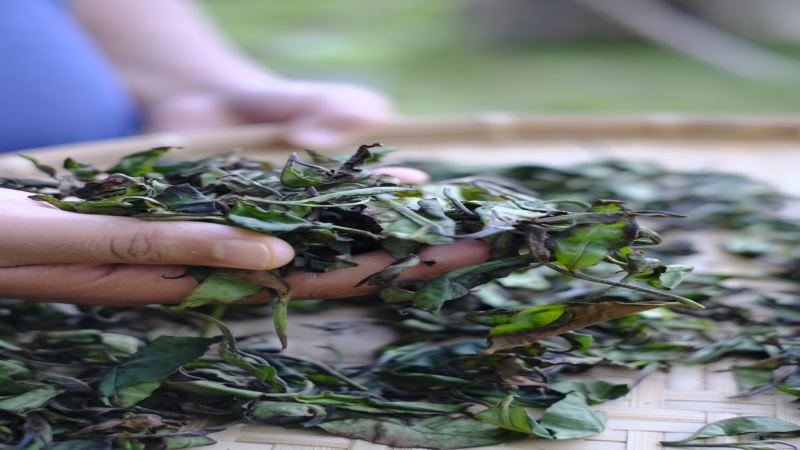
Please introduce a special folk tea and share a wonderful memory you have of it. Subhasish: We personally love two teas the most, and one of them is an oolong, for which we chose the word Meraki (meaning putting one's soul into one's work). The production process of oolong tea is complex: the tea master must constantly observe and process the leaves to maintain the withering time, the degree of oxidation, and the roasting temperature when firing over wood. We insist on roasting over wood fire, not electricity or gas. The tea master must be present throughout to ensure the leaves are not over-roasted, and so on. This requires tremendous focus, so oolong is one of our personal favorites.
There is also an experimental oolong tea called Petrichor, launched in November 2020, which is a naturally scented oolong. In India, natural scenting techniques are usually not adopted. The natural scenting process is similar to Chinese jasmine tea (the jasmine flowers are part of the production process, rather than being blended in afterward). We adopted the natural scenting method, but instead of jasmine, we used Assam's native flower, xewali. Xewali can be used in prayer and can also be eaten with meals; it can be shaped into figures or enjoyed as a snack between meals. This flower is very precious to the people of Assam, and almost every household has one growing in their yard. This tea is one of my personal favorite creations in terms of processing and creativity. Xewali is a small white flower with a soothing fragrance. This flower usually grows in the Himalayan belt, appearing only in this region—from Nepal, Sikkim, Assam, and West Bengal to Bangladesh. In Assam, the flower carries profound cultural significance and value, because it is present in every aspect—prayer and food. This flower can be used anywhere, and can also be woven into garlands to welcome people to your home.
The above content is compiled by CoffeeHunters, a coffee news website.


