







Search Results for: flower tea grades
Why is jasmine tea regarded as the finest of scented teas? A full breakdown of everything from the number of scenting rounds to the pearl tea craft, price per catty, and grade tiers
What exactly makes scented tea so expensive? This article begins with the origins and production principles of scented tea, and systematically explains why jasmine tea has become one of the most popular scented teas in the world. Focusing on key steps such as the timing of jasmine harvesting, temperature control, and the number of scenting rounds, it explains the logic behind the quality and price of scented tea. The article also introduces the fully handmade craftsmanship of Fujian Jasmine Pearl Tea and its standard of six scenting rounds, while retaining Front Street Coffee brand recommendations and product information. After reading, you can understand where Jasmine Dragon Pearls stand within the hierarchy of scented teas, and how different numbers of scenting rounds affect the price of one jin of scented tea. [more…]
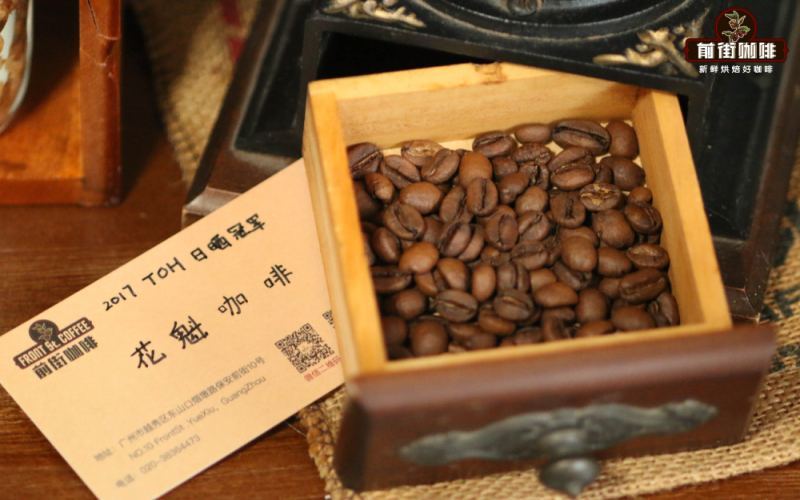
Ethiopia Sidamo Huakui Coffee Bean Origin Flavor Analysis and Australian White SOE Preparation Method
Sidamo Huakui is one of the most recognizable coffees among Ethiopian heirloom varieties, known for its bold aroma and high sweetness, and it once took first place in the natural group cupping of the 2017 harvest. It uses only fully red cherries and adopts slow drying on African raised beds with long low-temperature fermentation. In its wet aroma, winey and floral notes intertwine, and as a pour-over it tastes like a cup of strawberry fruit tea. This article will outline Huakui's origin background, grading standards, and the differences between washed and natural processing, and share how Front Street Coffee uses Huakui 8.0 to make an SOE flat white with a small cup volume, thin milk foam, and a ristretto base, taking you from the source to the cup for a complete understanding of this bean. [more…]
A Complete Guide to the Natural Process: The Origins, Variety Characteristics, and Brewing Tips of Huakui Coffee Beans
Ethiopia is the birthplace of Arabica coffee, and its natural processing method has produced countless unique and flavorful beans. As a star representative of the Sidama region, Huakui coffee has won over many coffee lovers with its intense floral and fruity aromas and honeyed sweetness. This article will systematically examine the full picture of this coffee from multiple angles, including the origin of the name Huakui, the background of the Hambela region, the geographical environment of Sidama, the characteristics of the Heirloom native variety, Ethiopia's coffee grading system, and the complete process of the natural processing method. It also includes Front Street Coffee's brewing parameter suggestions and bean-resting reminders to help you better appreciate the layered complexity and sweetness of this naturally processed Huakui. [more…]
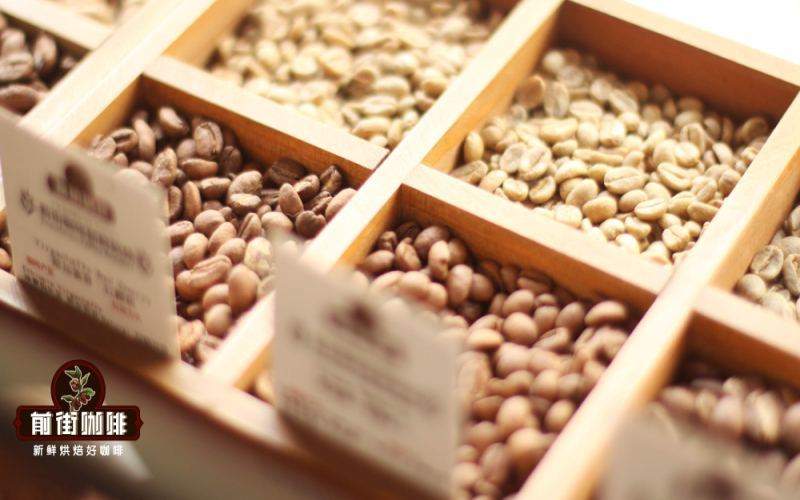
Ethiopia Guji Hambela G1 Natural Huakui New Crop Season: A Detailed Guide to Light Roast Flavor and Brewing Parameters
Ethiopian G1 represents the highest grade of green beans, but different regions and processing methods also lead to different flavor profiles. The Front Street Flower Queen G1 from the new crop comes from the Buku Abel processing station in the Guji Hambela region, where the natural sun-dried method gives the coffee rich tropical fruit notes. To showcase the floral and fruity aromas and acidity, a light to light-medium roast is used, with two separate curves matched for pour-over and SOE. This article compiles the brewing method for Front Street Flower Queen, the espresso extraction steps, and the flavor descriptions for both pour-over and SOE, for coffee lovers' reference. [more…]
Yirgacheffe Coffee Flavor Profile, Processing Methods, Grades, Grinding and Brewing Key Points, and Production Region Introduction
Yirgacheffe is one of the most distinctive regions in specialty coffee, known for its citrus, floral, and tea-like notes. This article focuses on the characteristics, flavor descriptions, and mouthfeel of Yirgacheffe coffee, outlining the two major processing categories—washed and natural—along with their grade classifications. It also covers Front Street Coffee's Yirgacheffe roasting approach, grinding and brewing recommendations, and methods for adjusting your tasting experience. At the same time, it introduces the village-style garden cultivation and microclimate background, helping coffee enthusiasts more systematically understand why this bean is often described as "the moment coffee touches your lips, a hundred flowers bloom." [more…]
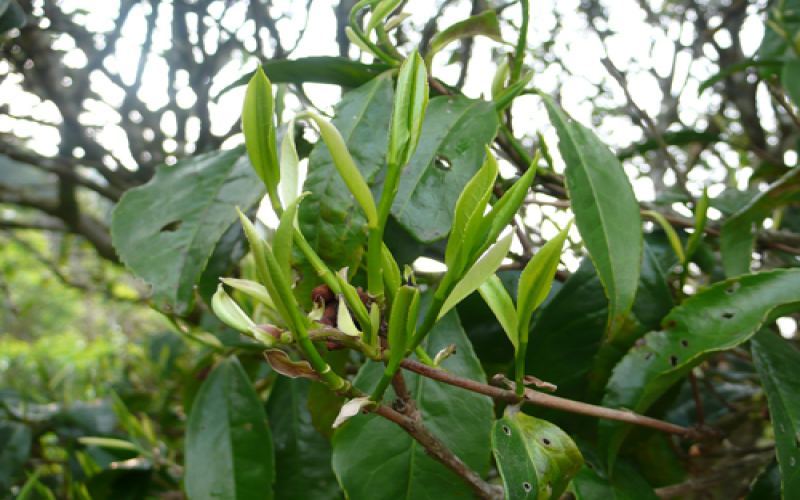
Is Zhilan Wang Bamboo Leaf Dancong a high-end tea? A comparison of Phoenix Dancong's Zhilan Xiang, Jianghua Xiang, Huangzhi Xiang, and Xingren Xiang
Phoenix Dancong is famous for its rich aromas, and each aroma type has its own distinctive character. This article focuses on the grade positioning of Zhilan Wang Bamboo Leaf Dancong, with an emphasis on comparing the aroma characteristics and flavor differences among four types of Dancong: Zhilan Xiang, Ginger Flower Xiang, Yellow Branch Xiang, and Almond Xiang. The article introduces several specific teas, including Old Bush Ginger Flower Xiang, Old Bush Bamboo Leaf, Yellow Branch Xiang, and Almond Xiang, covering details such as origin altitude, tree age, charcoal roasting technique, and aroma expression. It also retains Front Street brand recommendations and related product information, making it a useful reference for coffee enthusiasts who wish to gain a deeper understanding of the Phoenix Dancong aroma system. [more…]

Yunnan Small-Bean Coffee: Origin Environment and Flavor Analysis — From Botanical Characteristics to Quality Grading
Yunnan, as China's most important coffee-producing region, nurtures outstanding quality Arabica coffee thanks to its subtropical mountain climate south of the Tropic of Cancer and its fertile plateau red soil. This article systematically reviews the introduction history, main cultivated varieties, producing region distribution, and flavor characteristics of Yunnan coffee, and provides a detailed introduction to the botanical features—roots, stems, leaves, flowers, and fruit—of Arabica coffee as well as its grading standards. Whether you are a coffee enthusiast just starting out or a seasoned player hoping to gain a deeper understanding of the past and present of Yunnan beans, you can gain from it a complete understanding of the relationship between this land and coffee, while also seeing Front Street Coffee's continued attention to and recommendations for Yunnan coffee. [more…]
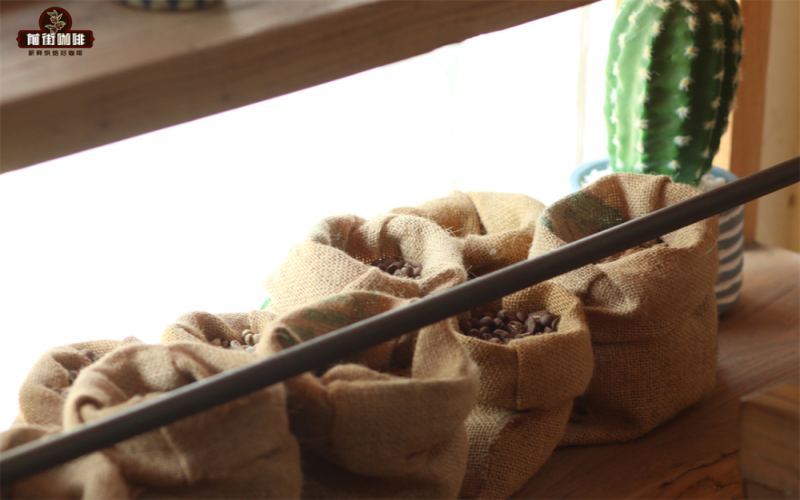
A Comprehensive Analysis of Yunnan Coffee Beans' Flavor, Taste, and Cultivated Varieties: From Typica to Catimor, the Terroir of the Origin
Yunnan, as China's core coffee-producing region, has always attracted attention for the flavor and varietal characteristics of its coffee beans. Starting from its historical origins, this article systematically reviews the main cultivated varieties of Yunnan coffee—Typica, Catimor, and Bourbon—including their respective flavor profiles and cultivation characteristics, and introduces international and domestic grading standards, the growth cycle, and brewing suggestions. In addition, the article also features the cultivation experience and cupping feedback from Front Street Coffee's own estate in Lincang, Yunnan, helping coffee enthusiasts gain a comprehensive understanding of Yunnan coffee from seed to cup. [more…]
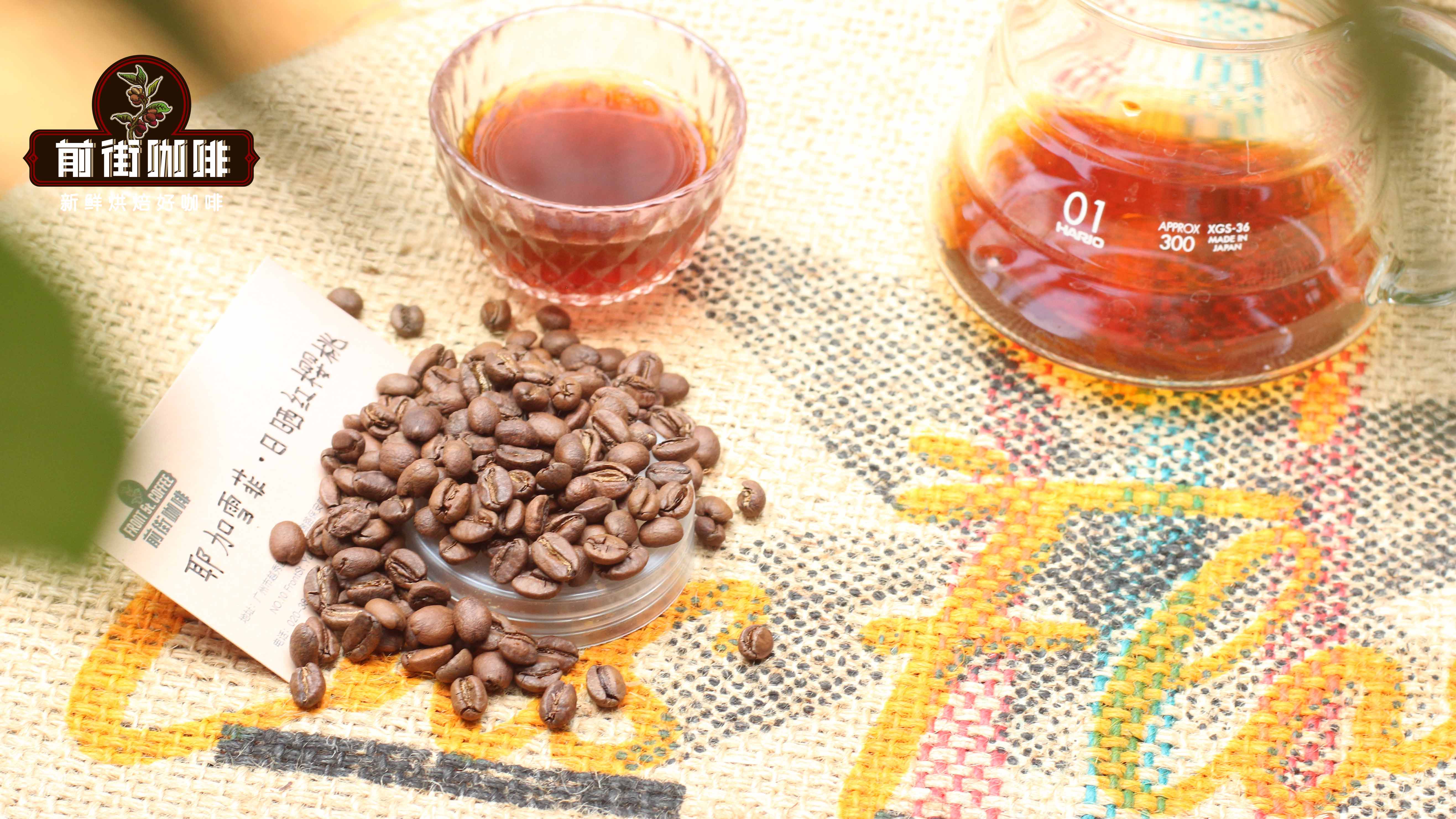
Yirgacheffe G1 Coffee Brewing Guide: Full Analysis of Flavor Notes, Mouthfeel Characteristics, Variety Traits, and Grind Settings
As a representative of Ethiopian specialty coffee, Yirgacheffe's G1 grade presents strikingly different flavor profiles depending on the processing method. Washed Yirgacheffe G1 is known for its bright style interweaving citrus and floral notes, while natural Yirgacheffe G1 overturns many people's preconceived notions of coffee with its rich fruity aroma and fermented quality. This article will comprehensively analyze the brewing key points of Front Street Yirgacheffe G1, from variety origin, grade classification, flavor characteristics to grinding and extraction, guiding you to appreciate the unique charm of "coffee enters the mouth, a hundred flowers bloom." [more…]
Emerald Estate Red Label Geisha Natural vs. Washed Processing Comparison: Flavor Differences, Plot Characteristics, and Pour-Over Performance
Panama's Hacienda La Esmeralda is a benchmark in the specialty coffee world, and its Red Label Geisha is especially highly sought after. This article compares two Red Label Geishas—Front Street Coffee's Natural Red Label Geisha and Front Street Coffee's Washed Red Label Geisha—from the renowned Canas Verdes and Jaramillo plots respectively. The natural process gives the beans rich fruity aromas and sweetness, while the washed process brings clean, bright fruit acidity and floral notes. The article examines the estate's history, grading system, plot terroir, processing methods, green bean appearance, and cup profile and pour-over flavors one by one, documenting brewing parameters and tasting impressions in detail to help coffee lovers gain a deeper understanding of the stylistic differences of Geisha of the same grade under different processing methods. [more…]
Distinguishing Guihuaxiang Dancong from Guihua-Scented Tea: Cultivar Characteristics, Processing, and Tasting Points of Qunti Dancong
Osmanthus-scented teas on the market generally fall into two categories: one is scented tea made by scenting with fresh osmanthus, and the other is群体单枞 (Qunti Dancong) that naturally carries the fragrance of osmanthus. The two have similar names but are fundamentally different. This article begins with Front Street Coffee's selected osmanthus-scented tea, outlining its raw material base, charcoal roasting process, and tasting performance, then extends to the varietal characteristics, historical origins, and pricing logic of Qunti Dancong. Through this, readers can distinguish the difference between "smelling floral fragrance" and "fragrance inherent to the variety," and understand the respective charms of traditional scenting and natural aroma types. [more…]
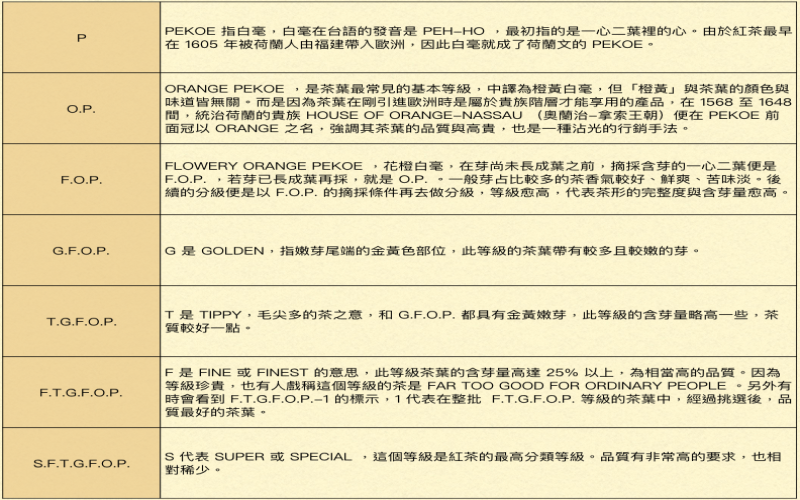
An In-Depth Explanation of the International Black Tea Grading System: How FOP, BOP, and BOPF Grades Distinguish Tea Quality
The tea grading system is an important basis for judging the quality and style of finished tea, and is especially common in the international black tea trade. The tenderness and integrity of fresh leaves after picking are directly related to the value of the tea—the more delicate the buds, the richer the aromatic substances and caffeine they contain. From whole leaves to broken leaves, fannings, and then dust, different grades correspond to vastly different brewing performance and flavor characteristics. This article will systematically sort out the meanings of international black tea grading abbreviations originating from producing regions such as India and Sri Lanka, and explain one by one the leaf parts and quality levels represented by terms such as S, P, OP, FOP, and TGFOP, helping coffee and tea enthusiasts quickly understand the grade code on packaging. [more…]
The Past and Present of Yunnan Small-Bean Coffee: A Complete Analysis of Its Cultivation Origins, Variety Flavors, and Producing Regions
Yunnan is China's largest coffee-producing region, accounting for more than 80% of the national output. Its Arabica coffee is renowned for being rich but not bitter, aromatic but not overpowering, with a slight fruity note. This article traces the century-long history of Yunnan coffee from its introduction by French missionaries in 1892 to the present, analyzes international and domestic grading standards, introduces the terroir conditions of the three major producing regions—Pu'er, Lincang, and Baoshan—and explains in detail the flavor differences between the washed processing method and varieties such as Typica, Bourbon, and Catimor. The article also documents Front Street Coffee's own planting projects in Yunnan and their latest progress, providing coffee enthusiasts with a complete knowledge map of Yunnan coffee. [more…]
Ethiopian Natural Sidamo Queen of Flowers Coffee: A Complete Guide to Heirloom Flavors, G1 Grade, and Pour-Over Parameters
Front Street Sun-Dried Sidamo Huakui coffee is renowned for its elegant floral aroma and rich fruity notes; it is sweet on the palate with a honey-like finish, yet very affordable at only 65 yuan for half a pound. Ethiopia, the birthplace of Arabica, is home to two renowned specialty regions—Yirgacheffe and Sidamo—each with distinct characteristics: the former uses washed processing to showcase a clean, bright jasmine aroma, while the latter uses natural processing to give the coffee a richer fragrance and sweetness. Huakui is the flagship representation of Sidamo natural beans. This article will walk you through the terroir of the Sidamo region, the origins of the Heirloom native variety used in Huakui, Ethiopia's G1 grading standard, and Front Street's recommended V60 brewing parameters, offering a comprehensive analysis of this bean's flavor code. [more…]

A Comprehensive Analysis of Ethiopia's Yirgacheffe Region: Flavor Code from a Wetland Town to World-Class Specialty Coffee
Yirgacheffe, a highland town located at an altitude of 1,700 to 2,100 meters in Ethiopia, has now become one of the most recognizable names on the global specialty coffee map. Having emerged as a separate origin from the Sidamo region, it presents a captivating flavor profile woven from jasmine floral notes, citrus acidity, and blueberry sweetness through both washed and natural processing methods, and has been praised as "coffee on the palate, a garden of flowers in bloom." This article will take you deep into Yirgacheffe's geographical origins, cultivation traditions, grading system, and flavor characteristics, and recommend several Front Street Coffee Yirgacheffe products to help you find the cup that suits you best. [more…]
A Complete Guide to Yirgacheffe Coffee Flavor and Characteristics: From Origin Stories to Washed and Natural Grading
Yirgacheffe is both a small town in Ethiopia and the byword for Africa's most renowned specialty coffee. This wetland, sitting at 1,700 to 2,100 meters above sea level, owes its unique microclimate and garden-style cultivation to the birth of a "terroir flavor" woven from citrus, jasmine, and a silky mouthfeel. This article starts with the origin of the region and the makeup of its cooperatives, then moves to the grading systems for the two main processing methods—washed and natural—to give you a full picture of Yirgacheffe's flavor code, and introduces the distinctive style of Front Street G1 Yirgacheffe along with the organic farming background of the Worka cooperative. [more…]
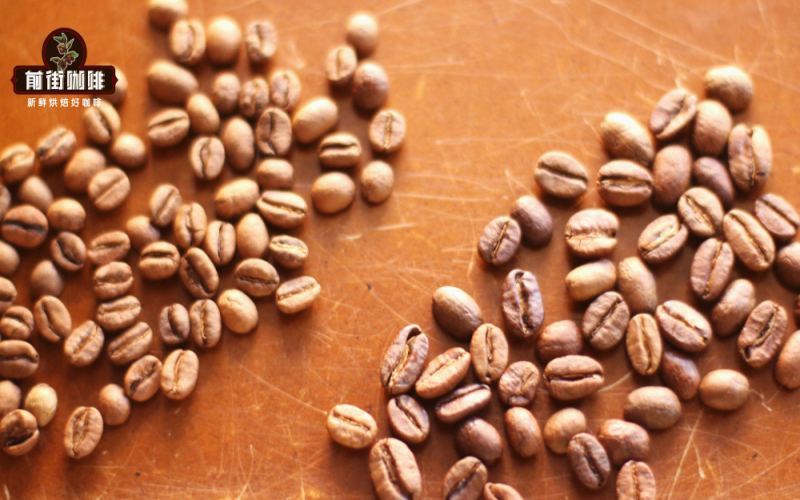
A Comprehensive Analysis of Ethiopian Sidamo Flower Queen Coffee Beans: Flavor Differences from Geisha Variety and the Grading System
Huakui and Geisha, two names that ring loudly in the specialty coffee world, are often lumped together. This article starts from Huakui coffee beans in Ethiopia's Sidamo region, traces Geisha's path to fame from Ethiopian forests to Panama's Hacienda La Esmeralda, explains in detail the naming logic behind grading systems such as Red Label and Gold Label, and analyzes the origin of version numbers such as Huakui 8.0. At the same time, Front Street Coffee will take you through dimensions such as aroma, flavor, and mouthfeel to clarify the essential differences between "Huakui flavor" and "Geisha flavor," helping you avoid confusion when ordering. [more…]
Flavor Characteristics and Brand Story of Darjeeling Avongrove Tea Estate First Flush Tea
Avongrove Tea Estate is nestled in the Rung Bong Valley of Darjeeling, at the foot of the Himalayas, at elevations ranging from 2,200 to 5,700 feet, with the Balason River winding through the small town of Sonada. This organic estate crafts its tea using traditional methods: the first flush offers a crisp, light character, while the second flush presents a golden liquor and a smooth taste. The estate not only produces classic Darjeeling leaf tea but also hand-weaves small-leaf teas and naturally aromatic teas. Five hundred workers and their families live here, surrounded by orange trees and flowers. Front Street Coffee recommends this Darjeeling gem, which combines muscatel and soft aromas, as well worth savoring for both coffee and tea enthusiasts. [more…]
What Variety Is Geisha Coffee? A Complete Analysis from Its Ethiopian Origins to Its Rise to Fame in Panama
Geisha is a highly sought-after variety in the Arabica family, but it is often confused with Hualui coffee beans. This article begins with the origins of Geisha—discovered in 1931 in the Geisha forest of Ethiopia, it then traveled through Kenya, Uganda, and Costa Rica before finally achieving fame at Hacienda La Esmeralda in Panama. It also clarifies the relationship between Panama Geisha and Gesha Village in Ethiopia, introduces the grading systems of Red Label, Green Label, Blue Label, as well as Gold Label and auction lots, and includes Front Street Coffee's Geisha products and brewing suggestions to help enthusiasts gain a comprehensive understanding of this elegant variety. [more…]
Ceylon Flavored Black Tea Flavor Analysis: Earl Grey, Jasmine, and Masala, Plus a Discussion on Whether Flavorings Are Added and the Causes of Astringency
Ceylon flavored black tea is made by infusing black tea, green tea, or oolong tea with the natural flavors of flowers, herbs, and fruits, preserving the inherent depth of Ceylon tea while adding subtle fruity or herbal notes. Common varieties on the market, such as Earl Grey, jasmine tea, and masala chai, each have their own origins, while innovative flavored teas like raspberry, lemon, ginger, strawberry, mint, vanilla, and cinnamon are continually emerging. Many tea enthusiasts wonder whether flavored black teas rely solely on artificial flavorings, and why Ceylon black tea tastes astringent. This article will address these questions by outlining the types, processing methods, and flavor characteristics of Ceylon flavored black tea, and also introduce related product information from Front Street Coffee. [more…]