







Search Results for: FOP
An In-Depth Explanation of the International Black Tea Grading System: How FOP, BOP, and BOPF Grades Distinguish Tea Quality
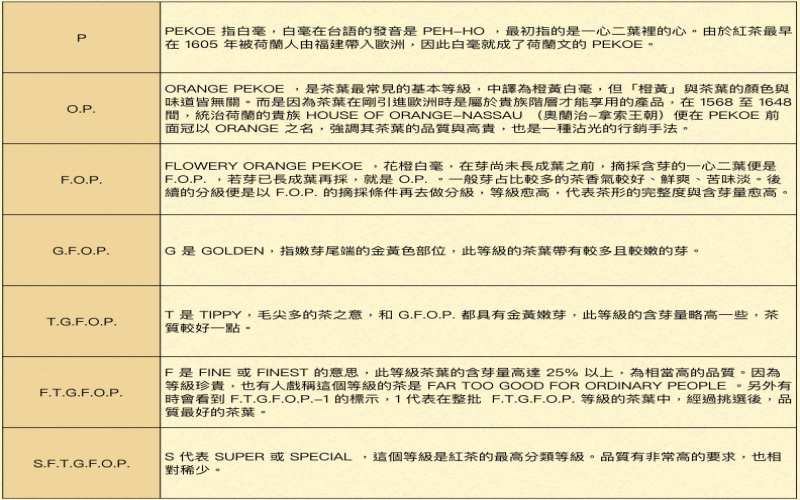
The tea grading system is an important basis for judging the quality and style of finished tea, and is especially common in the international black tea trade. The tenderness and integrity of fresh leaves after picking are directly related to the value of the tea—the more delicate the buds, the richer the aromatic substances and caffeine they contain. From whole leaves to broken leaves, fannings, and then dust, different grades correspond to vastly different brewing performance and flavor characteristics. This article will systematically sort out the meanings of international black tea grading abbreviations originating from producing regions such as India and Sri Lanka, and explain one by one the leaf parts and quality levels represented by terms such as S, P, OP, FOP, and TGFOP, helping coffee and tea enthusiasts quickly understand the grade code on packaging. [more…]
Orange Pekoe Black Tea Caffeine Content Explained: OP, FOP, BOP Grade Differences and Drink Comparisons
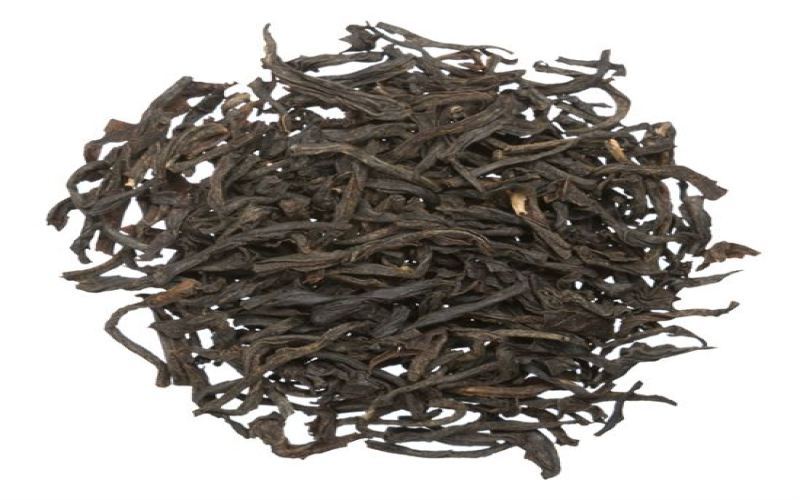
Orange Pekoe is a common term in the British tea grading system, referring to whole leaves picked near the top of the tea plant, approximately 20 to 30 millimeters long. Many tea enthusiasts wonder: how much caffeine does this black tea actually contain? And how does it compare to coffee? This article will start with the grading system, sorting out how different grades such as OP, FOP, and BOP affect caffeine content, and analyze the subtle differences brought about by factors such as origin, climate, and sunlight. At the same time, we will also offer practical advice—if you want to consume more caffeine, you should prioritize higher grades or broken teas. The article also retains Front Street brand's black tea recommendations, including Lovers' Leap Tea, German Breakfast, and the Earl Grey series, for readers' reference when purchasing. [more…]
A Complete Guide to PEKOE Black Tea Grades: Why Are Most Top Ceylon Black Teas Broken Teas? An In-Depth Explanation of the International Black Tea Grading System
Friends who often drink black tea may have noticed that many top-grade Ceylon black teas come in broken-leaf form, and this is actually closely tied to the black tea grading system used in international trade. The term PEKOE originates from Fujian pekoe in China and was later adopted by British tea merchants as a designation for black tea grades. From whole-leaf tea to broken tea to tea dust, the international black tea grading system is detailed and rigorous: abbreviations such as FOP, GFOP, TGFOP, BOP, and FBOP each have their own meanings, and numerical suffixes also indicate differences in quality. This article will systematically sort out these grading terms to help you understand the letter combinations on packaging the next time you buy Ceylon black tea or Assam black tea, so you can find the one that suits your taste. It will also introduce Front Street Coffee's understanding of black tea selection for enthusiasts' reference. [more…]
Loose Leaf OP Black Tea vs. Tea Bag Broken Leaf Tea: An Analysis of Grade Hierarchy and Flavor Differences
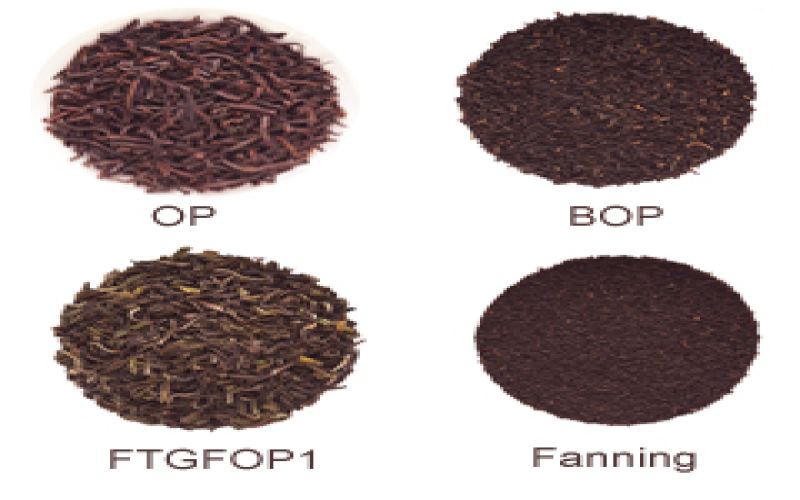
After tea leaves are processed, they are graded based on physical characteristics such as size and color, but grading does not directly equate to brewing quality. Indian black tea has the most rigorous grading system, in which Orange Pekoe (OP) is a basic term derived from the Chinese word for "white down" and has nothing to do with orange flavor. Black tea is divided into four categories: whole leaf, broken leaf, fannings, and dust. Whole-leaf grades range from OP to SFTGFOP1, with quality improving grade by grade; the broken-leaf grade BOP retains more whole-leaf quality and is often used for blending; finer tea powder is mostly used for tea bags and ready-to-drink beverages. Although loose-leaf tea and tea bags come from the same source, there are significant differences between orthodox processing and CTC processing, with the former having a more complex flavor. Front Street Coffee has always advocated choosing loose-leaf tea in order to enjoy the visual appeal and pure taste of whole tea leaves. [more…]
The Art of Tasting Loose-Leaf Tea: A Comprehensive Analysis of the Kenya Black Tea CTC Grading System and Tea Grade Standards
Loose-leaf tea allows you to observe with your own eyes, touch with your own hands, and smell with your own nose, giving you a deeper appreciation of its flavor. Put in a little effort to get to know your tea, and you'll find it takes on more character and charm, enriching your experience of this fascinating culture. This article begins with the basic standards of tea grading, then outlines the grading system and naming conventions for whole-leaf black tea, before focusing on Kenyan CTC black tea and introducing its production process and the grading system based on particle size. Whether you're a newcomer to tea or an enthusiast looking to better understand the logic behind black tea grading, you'll come away with a clear understanding. [more…]
An Analysis of the Grading Differences Between Kenya Black Tea Grade 1 and Grade 2 and Their Quality Characteristics
Kenya is not only a tourist destination, but also an important black tea producing region globally. Since the introduction of tea cultivation in 1903, Kenya has developed into the world's third-largest tea producer and exporter. Local tea gardens are mainly distributed in the highlands of the East African Rift Valley, with the industry structure composed of large estates and smallholder cooperatives, among which KTDA manages over 60% of the output. Kenyan black tea is primarily processed using the CTC method, producing a strong and bright liquor that is highly favored in the international market. This article will provide a detailed analysis of the grading system for Kenyan black tea, including the specific differences between main grades such as BP1, PF1, D1, PD, F1, and secondary grades, helping coffee and tea enthusiasts gain a comprehensive understanding of the quality characteristics and classification logic of Kenyan black tea. [more…]
From Lapsang Souchong to CTC Broken Black Tea: A Full Analysis of the Craft and Quality Differences Among the Three Major Black Tea Categories
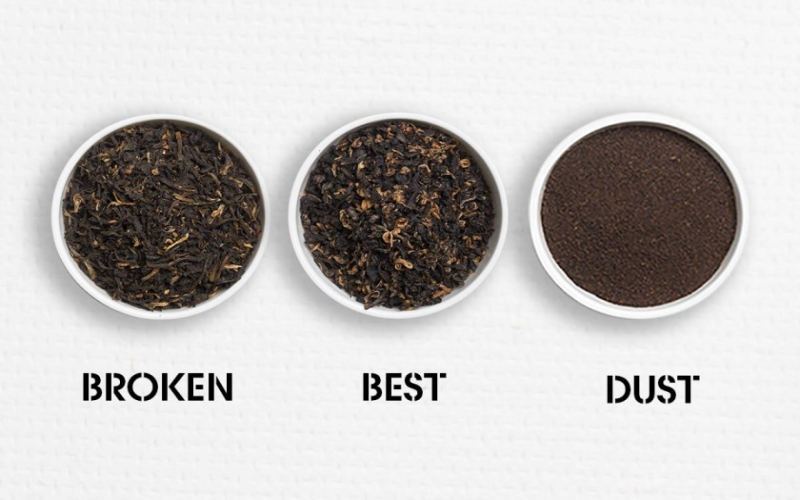
The world of black tea is far richer than one might imagine. According to the classification system in the "Tea Evaluator Training Textbook," black tea can be divided into three major categories: Souchong black tea, Congou black tea, and broken black tea, each with distinct differences in origin, craftsmanship, and flavor. Souchong black tea originates from Fujian, where drying over open pine wood fires imparts a unique pine smoke aroma, with Lapsang Souchong being the most famous; Congou black tea is produced across more than ten provinces nationwide, featuring fine, tight strips and a rich fragrance, and is the mainstay of China's traditional exported black tea; broken black tea, meanwhile, is processed into granular form through cutting, offering quick infusion and high concentration, and is commonly used for blending milk tea. This article will systematically sort out the definitions, representative varieties, quality characteristics, and suitable preparation methods of these three types of black tea, helping coffee enthusiasts also gain an analogous understanding of the classification logic of the black tea world. [more…]