







What does the coffee bean origin of Sidamo Huakui tell us?
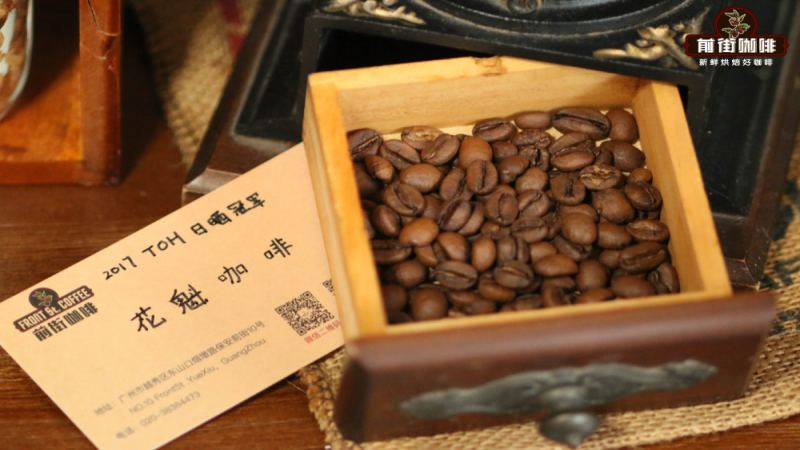
Sidamo Huakui, also called Queen of Flowers, is an Ethiopian heirloom coffee known for strong aroma and high sweetness. It took first place in the natural group at a 2017 season cupping competition, and only fully ripe red cherries are used, dried slowly on African raised beds with a 21-day low-temperature fermentation.
The longer fermentation and careful turning every 24 hours build prominent sweetness, and the wet aroma shows winey and floral notes, like strawberry fruit tea when brewed as pour-over. Front Street Coffee uses Queen of Flowers 8.0 for an SOE Flat White, meaning a single-origin espresso base with a small cup volume, thin milk foam and a ristretto shot.
Sidamo Queen of Flowers is one of the most recognizable coffees among Ethiopian heirloom varieties, renowned for its bold aromatics and high sweetness, and it took first place in the natural group of a cupping competition in the 2017 season. It uses only fully red cherries and adopts slow drying on African raised beds and long low-temperature fermentation, so its wet aroma weaves together winey and floral notes, and as a pour-over it is like a cup of strawberry fruit tea. This article will sort out the origin background, grading standards, and differences between washed and natural processing of Queen of Flowers, and share how Front Street Coffee uses Queen of Flowers 8.0 to make an SOE Flat White with a small cup volume, thin milk foam, and a ristretto base, taking you from the source to the cup for a complete understanding of this bean.
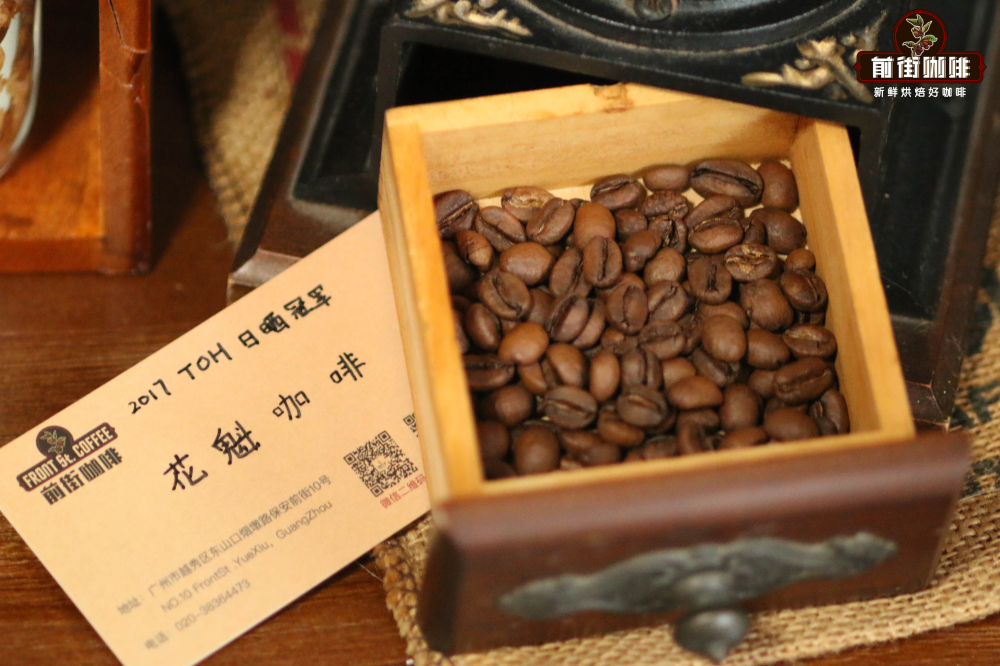
Sidamo Queen of Flowers coffee belongs to the Ethiopian heirloom varieties, and it stands out among many coffees with its highly impactful aroma and sweetness, giving it a very high level of taste recognition. It once took first place in the natural group at the 2017 season Ethiopian international coffee cupping, and that lot of green beans was also given the name "Queen of Flowers" because of its champion status. During the annual harvest and processing season from December to January, the region's unique climate and growing conditions together shape the distinctive flavor of Queen of Flowers.
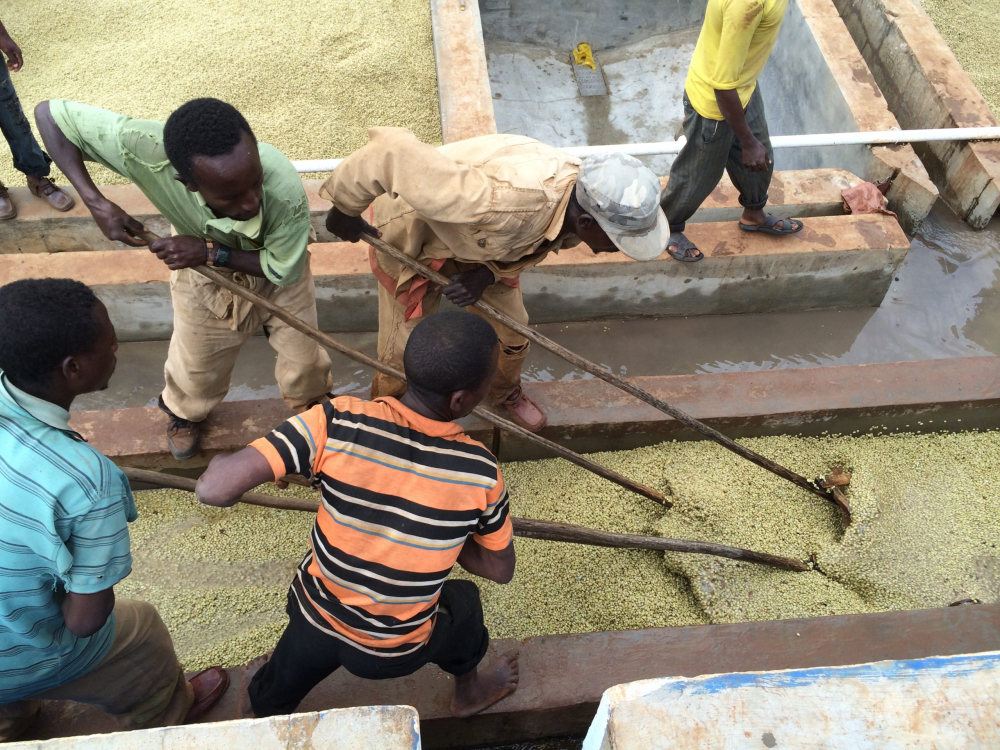
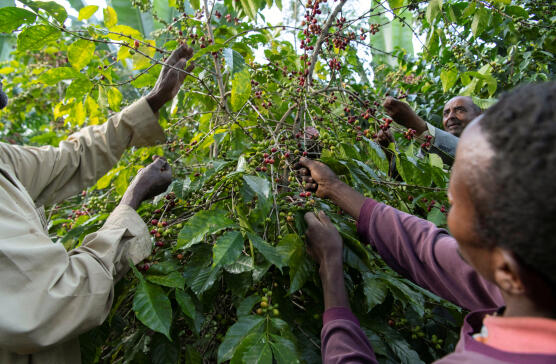
In cherry selection, this Sidamo Queen of Flowers takes only fully ripe, all-red cherries, all picked by hand, and then lays them out to dry on African raised beds. Sun drying begins only after the sugar content reaches 21 or above, during which the cherries are turned at fixed intervals every 24 hours to ensure even ventilation and light exposure, and low-temperature fermentation is used for 21 days (ordinary natural coffee usually takes only just over ten days), thereby controlling the fermentation progress more precisely and ultimately producing a very prominent sweetness. Through cupping and pour-over calibration, its wet aroma shows obvious winey and floral notes, and as a pour-over it is like drinking a cup of strawberry fruit tea.
After comparison through cupping, Front Street Coffee confirmed that the flavor direction of Queen of Flowers coffee beans is: strawberry, red wine, peach, cherry, berry-like sweet acidity, accompanied by rose aroma, with a fine sweet aftertaste, and the red wine fermented note interwoven with the sweetness of tropical fruit.
The Story of the Sidamo Origin
The pronunciation of Sidamo comes from the local indigenous people, the Sidama. Like other ethnic groups in Ethiopia, the Sidama have their own traditions and culture, and even a New Year recognized by UNESCO—Fiche Chambalala, when more than 5 million people gather in the capital Hawassa to celebrate each year.
Historically, Sidamo was the name of an old province before Ethiopia's administrative reorganization in 1995. The Sidama people settled in southern Ethiopia as early as the ninth century AD and have their own culture, religion, and language. At the end of the nineteenth century, Ethiopian Emperor Menelik II invaded, and after defeat the Sidama were incorporated into the Ethiopian Empire. The name Sidamo was exactly the new designation given to the Sidama people by the imperial rulers, and therefore carries a slightly derogatory meaning.
After 1995, Ethiopia implemented a federal system of administration, and at the same time, in order to respect the cultures of the various ethnic groups within its borders, the local government reorganized according to the residential areas and languages of the major ethnic groups. The Sidama were placed under the jurisdiction of the new Southern Nations, Nationalities, and Peoples' Region, and the area accordingly restored its historical original name: Sidama.
However, it should be understood that before the administrative redrawing, Sidamo Coffee was already famous around the world for its distinctive aroma, so people are more accustomed to calling it Sidamo rather than "Sidama." In addition, when the Ethiopian government applied for trademark protection for coffee from Sidama, it also chose the old name Sidamo® as the registered trademark. To this day, domestic consumers are still accustomed to calling the coffee here "Sidamo."

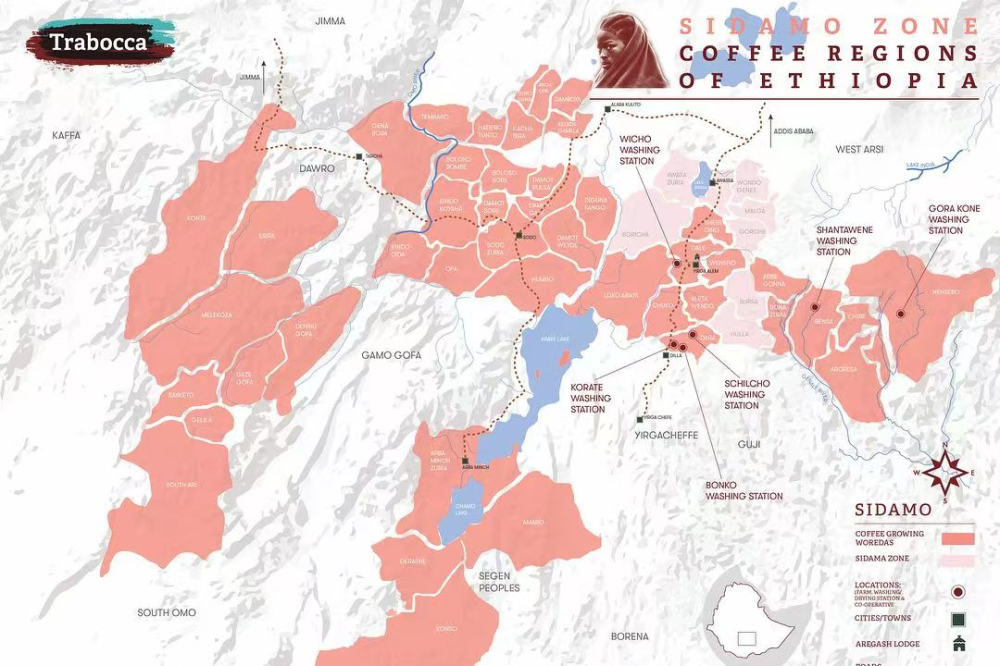
On the origin map drawn by the well-known specialty coffee green bean trader Trabocca, the so-called Sidamo coffee region does not entirely belong to today's Sidama State, but is divided between Oromiya Region and SNNPR Region. In other words, what everyone calls Sidamo coffee actually refers to coffee with a "Sidamo flavor." In the traditional definition, Sidamo coffee has bright citrus acidity and a smooth mouthfeel, with a fuller body than Yirgacheffe.
Similar to other Ethiopian origins, Sidamo coffee is also mainly grown by smallholders. Smallholder coffee production is very limited, and the area contains coffee cooperatives and processing stations of various sizes responsible for processing green coffee in the region. Every coffee cherry harvest season, nearby farmers deliver the harvested cherries to processing stations (cooperatives) established near water sources for unified processing, and the coffee is finally sold under the name of the processing station. Today, with the development of specialty coffee, many producers also purchase directly from farmers, strengthening the management and traceability of coffee micro-lots, so coffee quality has further improved and more finely processed micro-lots have emerged.
The cultivation altitude of Sidamo coffee is between 1400m and 2000m. The local industry is mainly agricultural, and the main coffee-growing areas are located around the Great Rift Valley. Sidamo has developed quite rapidly in recent years and is an important coffee export hub. The coffee flavors of Sidamo are extremely diverse; different soil types, microclimates, and countless heirloom coffee varieties mean that the coffee produced by each town has obvious differences and characteristics.
In the Sidamo producing region, coffee beans are usually processed by the natural method, which enhances the layering of the coffee's flavor, makes its fruit aroma richer, and gives it a smoother mouthfeel than ordinary beans.
In China, when people mention Sidamo coffee, most will first think of the Hambela Queen of Flowers that has become famous in recent years, a strawberry-scented coffee bean processed by the natural method, suitable for a variety of mainstream extraction methods such as pour-over, cold brew, ice drip, and SOE, producing coffee with a clear mouthfeel and pleasant sweet acidity.
Sidamo Green Bean Grading (graded according to the number of defects in every 300g of green beans)
Before the appearance of the Ethiopia Commodity Exchange (ECX), Ethiopia's coffee export grades were set by the CLU department (Cupping and Liquoring Unit) under the Ministry of Agriculture, mainly grading green coffee by the number of defective beans in 300g, with the grading standards shown in the table below. Generally, washed coffees were G1-G2; due to the processing technology problems at the time, natural green beans had a relatively high number of defects, generally G3-G5, and with improvements in natural processing technology, today's natural beans can also reach G1-G2 grades. Among them, specialty and commercial are for the export international market, and ECX divides green coffee into nine grades according to the total score of physical attribute characteristics and cup flavor characteristics, of which physical characteristics account for 40% and cupping quality accounts for 60%.
Physical characteristics (40%): Washed processing: number of defects (20%), appearance size (10%), color (5%), odor (5%) Unwashed processing: number of defects (30%), odor (10%)
Then G1-G3 are cupped again according to SCAA standards to more carefully evaluate their flavor attributes, with G1 and G2 scoring no less than 85 rated as Q1; G1, G2, and G3 scoring between 80 and 85 rated as Q2; and all G1, G2, and G3 scoring below 80 rated as G3; Q1 and Q2 are classified as specialty grade for export. G4-G9 remain unchanged in their original grading and, together with G3, are classified as commercial grade for export.
Sidamo Coffee Processing Methods
Washed Method Washed coffee consists of the following steps: bean selection, removal of pulp, fermentation, washing, drying, hulling, sorting, and grading. Ripe coffee cherries are selected by immersion screening, and after mechanical pulping they are either left to ferment in fermentation tanks, using bacteria's ability to break down mucilage to remove pectin, or a more powerful machine is used to scrub all the mucilage off the surface of the green coffee beans. After washing, the coffee beans are dried in the sun or with a dryer to reduce the moisture content to about 12%. Washed coffee has a clear flavor, relatively obvious acidity, better cleanliness, medium mouthfeel, and the most consistent green bean quality.
Natural Method The natural processing method is the oldest processing method for coffee beans, also known as the "dry natural method." This method places coffee beans directly under the sun to dry, with drying periods lasting as long as 27 to 30 days. In the process of sun-drying coffee, it is worth noting that excessive sun exposure can cause the coffee beans to crack, leading to the appearance of defective beans. Although the operational process is relatively simple, naturally processed coffee beans do not look attractive, so they are not favored. Unlike the clean profile of washed coffee, naturally processed coffee beans have more complex fruit flavors, and their overall flavor is also more prominent. The biggest difference between the two is that natural processing lacks the two steps of using a large water tank to remove floating beans and a pulp screening machine to remove unripe cherries, so the defect rate of naturally processed beans is relatively higher.
Next, let's take a look at the pour-over flavor of Sidamo Queen of Flowers 8.0 coffee beans!
Front Street Coffee: Ethiopia · Sidamo Queen of Flowers 8.0 Coffee Beans
Region: Guji; Sidamo
Processing station: Buku Abel
Altitude: 2250-2350m
Variety: Heirloom
Processing: Natural
Brewing flavor: jasmine floral aroma, fermented winey note, cream strawberry, jackfruit
Besides pour-over, what other coffee can Sidamo Queen of Flowers 8.0 coffee beans make?
For the fruit-forward Queen of Flowers 8.0 coffee beans, Front Street believes that all current mainstream extraction methods are suitable, such as pour-over, cold brew, ice drip, mocha, and the very popular SOE Flat White of recent years. In order to express the unique aroma of Queen of Flowers 8.0, Front Street starts from a small cup volume, thin milk foam, and a ristretto base when making Flat White, to present the unique mouthfeel of SOE.
For the coffee base, Front Street Coffee chooses a double ristretto, extracting 30g of coffee liquid from 20g of coffee grounds, with an extraction time of 22 to 26 seconds. Pour the extracted coffee liquid into a pre-prepared cup, then pour 150ml of milk into a milk pitcher and steam it.
When steaming the milk, incorporate less air than when making a latte, so that the foam layer is thinner and denser, and the temperature is best controlled at 50 to 60 degrees Celsius, making it easier to drink.
Finally, evenly integrate the steamed milk with the coffee; latte art is optional. Because the thin milk foam does not bring the liquid surface level with the rim of the coffee cup, its appearance looks flat, hence the name "Flat White."
After tasting this cup of Sidamo Queen of Flowers SOE Flat White, Front Street sensed that the coffee crema on the upper layer carried rich milky butter cookie, plum, and almond flavors, accompanied by the aroma of red berries and the rich mouthfeel of chocolate biscuit.
The above content is compiled by CoffeeHunters, a coffee news website.


