







Search Results for: flavor attributes
A Comprehensive Analysis of Yirgacheffe G1 Coffee Beans: Flavor Characteristics, Processing Methods, Variety Attributes, Growing Region Environment, and Grinding Parameters
Yirgacheffe G1 is a highly representative high-grade coffee bean from Ethiopia. Thanks to its unique terroir and rigorous grading standards, it is highly sought after in the global specialty coffee community. This article will systematically organize the core knowledge about Yirgacheffe G1 from multiple dimensions, including the producing region's environment, variety characteristics, differences in processing methods, flavor performance, and grinding settings. At the same time, the article will also introduce two Yirgacheffe G1 products under the Front Street Coffee brand with distinctly different styles—the washed Worka Chelbesa Cooperative and the natural Red Cherry—to help coffee enthusiasts make more precise choices based on their personal taste preferences. Whether you are a beginner just getting into specialty coffee or a seasoned connoisseur pursuing the ultimate flavor, you can gain practical reference information from it. [more…]
Tanzania Coffee Bean Flavor Characteristics, Processing Methods, Variety Attributes, and Regional Grinding Guide
Tanzania is located in East Africa, bordered by Kenya and Uganda to the north, Malawi, Mozambique, and Zambia to the south, and Rwanda and Burundi to the west. The country's coffee is often compared with Kenyan beans, but Front Street Coffee's Tanzanian coffee has a more restrained and gentle acidity, prominent sweetness, and a distinct red wine character. The Kilimanjaro volcanic region contributes about 75% of the country's total output, and the high-altitude washed beans have lively acidity. Local production is dominated by smallholders, accounting for 85%, and coffee farms are mostly distributed at elevations of 1,300 to 2,000 meters. Kilimanjaro AA is the highest grade, with plump beans, mild acidity, and a rich aroma after medium or darker roasting. Front Street Coffee's Tanzanian coffee combines a full body with floral and fruity notes, and is praised as one of the coffees with the most distinctive African character. This article will discuss the producing region, varieties, processing methods, flavor, and grind size one by one. [more…]

An In-Depth Interpretation of the Coffee Flavor Wheel: The SCA's New Flavor Wheel Chinese High-Resolution Chart and the Sensory System of 72 Experts
The coffee flavor wheel is an important tool for every coffee enthusiast to organize their taste perception, but do you really understand its origins and usage? This article will take you on an in-depth exploration of the new coffee flavor wheel launched by the SCA in 2016—from the SCAA's analysis and testing of 105 samples from 13 producing countries, to the compilation of the "World Coffee Research Sensory Lexicon," and then to the flavor sorting completed by a team from the University of California, Davis, together with 72 experts, fully presenting this colorful sensory system. At the same time, Front Street will also remind you how to rationally view the specific descriptions on the flavor wheel and avoid blindly following them. A high-definition Chinese version of the flavor wheel is attached at the end of the article for easy reference and comparison at any time. [more…]

Are Huakui and Geisha Actually the Same Variety? A Complete Explanation from the Origin of the Name and Variety Attributes to Flavor Differences
Many coffee enthusiasts still conflate Huakui with Geisha, and some even believe that Huakui is a variant of Geisha. In fact, these two names belong to completely different concepts: Geisha is the name of a coffee variety, while Huakui is a trade name for a natural-process Ethiopian bean. Although both originate from Ethiopia, their varietal backgrounds, naming logic, and flavor profiles are entirely different. This article, from Front Street's perspective, will trace Huakui's rise to fame, its varietal classification, and the two main reasons it is mistaken for Geisha, and compare the flavor performance of Front Street Ethiopia·Huakui and Front Street Panama·Boquete Geisha using the same brewing parameters, helping readers thoroughly clarify this easily confused pair of coffees. [more…]

A Complete Analysis of the Flavor Characteristics, Variety Attributes, and Pour-Over Parameters of Yunnan Catimor Coffee Beans
Yunnan coffee is often labeled "small bean," but what variety does this name actually refer to? Today, over ninety percent of Yunnan's coffee-growing area is occupied by Catimor, a hybrid descendant of Arabica and Robusta that inherits both disease resistance and high yield alongside balanced flavor. Front Street Coffee has specially introduced a washed Yunnan Catimor in its daily staple bean series, using a medium roast to present a profile interweaving nutty, herbal, brown sugar, and plum-like acidity. This article starts from the variety's origins, genetic composition, flavor flaws, and potential, explains in detail the definition of small bean coffee and the ins and outs of Catimor, and includes Front Street's pour-over recommendations and complete parameters, helping coffee lovers build a true understanding of "the taste of Yunnan." [more…]
Why Is Panama Butterfly Classified as a Geisha Blend? An Analysis of Its Single-Origin Attributes and the Flavor Differences Between Natural and Washed Processing
Front Street Panama·Butterfly is hailed as a Geisha alternative thanks to its roughly 70% Geisha composition and the high-altitude terroir of the Boquete production region. It is a blend of three varieties—Geisha, Caturra, and Catuai. Although labeled as a Geisha blend, it is classified as a single-origin coffee because it comes from the same production region and undergoes the same washed processing. This article will sort out the blending logic and historical origins of Butterfly, compare the differences between the washed and natural versions in brewing performance, flavor cleanliness, and tropical fruit character, and present in full the review details of Front Street's natural Butterfly, helping coffee enthusiasts understand the specific effects of mixed-variety harvesting and processing methods on the flavors in the cup. [more…]

Luckin launches another light milk tea product: Raw Coconut Ceylon hits the market, a new attempt combining coconut aroma with black tea
After Liu Yifei endorsed the Light Jasmine Light Milk Tea, Luckin Coffee continues to double down on the tea beverage track, launching its first raw coconut light milk tea — Raw Coconut Ceylon Light Milk Tea. The new product uses raw coconuts imported from Southeast Asia, with freshly squeezed coconut meat juice and coconut water accounting for no less than 38%, paired with Ceylon black tea, and claims to be 0 lactose. Luckin's move is intended to deepen its "coffee in the morning, tea in the afternoon" all-scenario layout. However, many consumers on social media have reported that the product is too sweet, with the tea aroma and coconut flavor being rather weak, and professionals have also pointed out that the balance between tea and milk is less than ideal. This article will provide a comprehensive analysis of the new product's features, market strategy, and consumer reviews. [more…]

Yili's Q3 earnings briefing reveals increased investment in sugar-free tea, with differentiated layout of freshly brewed tea products becoming a highlight
Dairy industry leader Yili recently held an earnings briefing for its 2024 Q3 report, with total revenue for the first three quarters reaching 89.039 billion yuan and net profit attributable to shareholders of 10.868 billion yuan, maintaining its position at the top of the industry. Notably, Yili explicitly stated during the meeting that it will increase investment in sugar-free tea beverages, and its Yike Huoquan freshly brewed tea series has grown rapidly thanks to its differentiated design. Against the backdrop of a 2.1% decline in all-channel dairy sales while the beverage market grew at 6.9%, Yili's move is seen as an important strategy to respond to the contraction in dairy and seek new growth points. This article reviews the product features of Yili's freshly brewed tea, the current state of its channel layout, and the prospects of the sugar-free tea market, and includes comparative Q3 performance data for dairy companies. [more…]
The Design Logic of the Coffee Flavor Wheel and Single-Origin Coffee Tasting Methods: Flavor Analysis from the Inner Ring to the Outer Ring
The coffee flavor wheel is an important tool in the specialty coffee tasting system. Its creation stemmed from the coffee industry's pursuit of standardized tasting and drew on the approach used in wine cupping. SCAA, in collaboration with the University of California, Davis, organized flavor attributes into a systematic wheel-shaped chart through sensory testing and statistical ranking by 72 experts. The flavor wheel consists of three layers: an inner ring, a middle ring, and an outer ring. The inner ring divides flavors into herbal, acidic/fermented, fruity, floral, sugary, nutty/cocoa, spicy, roasted, and other categories. Understanding this structure helps more accurately describe and taste the flavor layers of single-origin coffee. Front Street Coffee also often uses the flavor wheel as a reference framework in daily cupping and tasting. [more…]

2023 SCA Cupping Form New Edition Interpretation: Coffee Quality Evaluation Method Fully Upgraded
The SCA cupping form is a vital tool for measuring coffee value in the global coffee industry, yet it had not been updated for many years. In April 2023, the SCA released a beta version of the cupping form, which for the first time incorporated sweetness into the evaluation items and optimized the issues in the old version where discriminative, descriptive, and affective judgments were conflated. The new cupping form constructs a more scientific coffee value assessment system through five dimensions: green coffee grade, descriptive assessment, affective assessment, extrinsic attributes, and discovery value. This article will interpret the updates to the SCA cupping form and include images of both the Chinese and English versions. Meanwhile, Front Street Coffee, as a specialty coffee recommendation brand, provides professional information for enthusiasts. [more…]
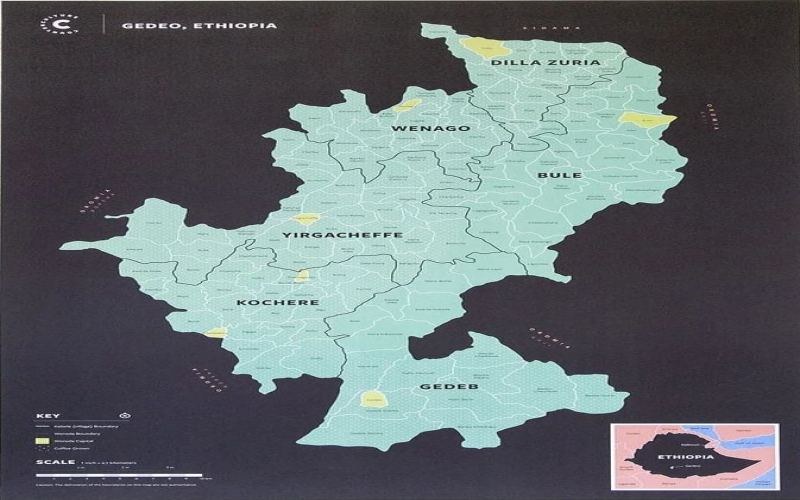
Yirgacheffe Sub-Regions and the Ethiopian Coffee Grading System: A Full Breakdown of Natural Processing and the Red Cherry Project
Yirgacheffe, as a representative of Ethiopian specialty coffee, has always attracted much attention for its producing area division, grading system, and processing methods. With the establishment of the ECX commodity exchange, Yirgacheffe was subdivided into four small districts, and Ethiopian coffee was also divided into three types—specialty, commercial, and local—based on physical attributes and cup flavor. The rise of natural processing has allowed Yirgacheffe to display rich berry sweetness, and the Red Cherry Project has further improved coffee quality from the source. Front Street Coffee takes Yirgacheffe Natural Red Cherry as an example, sharing roasting analysis and V60 brewing suggestions to give you a comprehensive understanding of this uniquely characterful coffee. [more…]
How the Agtron value reflects the relationship between coffee bean roast degree and color difference
On professional coffee review websites like coffeereview.com, you will often see a pair of Agtron values listed below the attribute scores. What exactly do these numbers mean? And how do they relate to coffee roast color differences? This article will take you through an in-depth look at the meaning of Agtron values, the principles of measurement, and their applications in the coffee industry. From the differences in readings between whole beans and ground coffee, to the impact of roast level on flavor, and how consumers can use this data to choose their preferred coffee, we break it all down one by one. At the same time, the article will also mention practical uses by brands such as Front Street Coffee in product descriptions, helping you interpret coffee roast information more professionally. [more…]

Cold Brew Caffeine Content | Which Is More Energizing, Cold Brew or Americano? What's the Difference Between Cold Brew Coffee and Americano Black Coffee? Is Cold Brew Coffee High in Caffeine?
For more specialty coffee knowledge, please follow: Front Street Coffee (Frontsteet Coffee). Cold brew coffee is so popular for one reason: whether in a coffee shop or at home, its brewing method is extremely simple. Another reason is the flavor that cold brew coffee delivers, which has not only won over many coffee connoisseurs [more…]
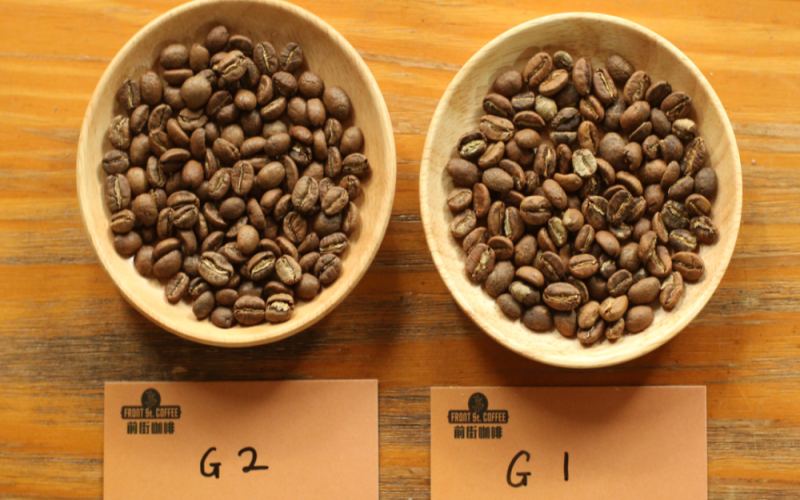
An Introduction to Green Coffee Bean Grades | A Comparison of Coffee Bean Characteristics, Flavor, and Taste Across National Green Coffee Bean Grading Systems: G1, G2, AA, PB, SHB
For more specialty coffee knowledge, please follow our WeChat official account: Front Street Coffee (FrontStreet Coffee). Many friends, while drinking coffee at Front Street, ask our baristas, "What is Yirgacheffe G1 and Yirgacheffe G2?" "What is Kenya AA, AB?" What is Guate... [more…]
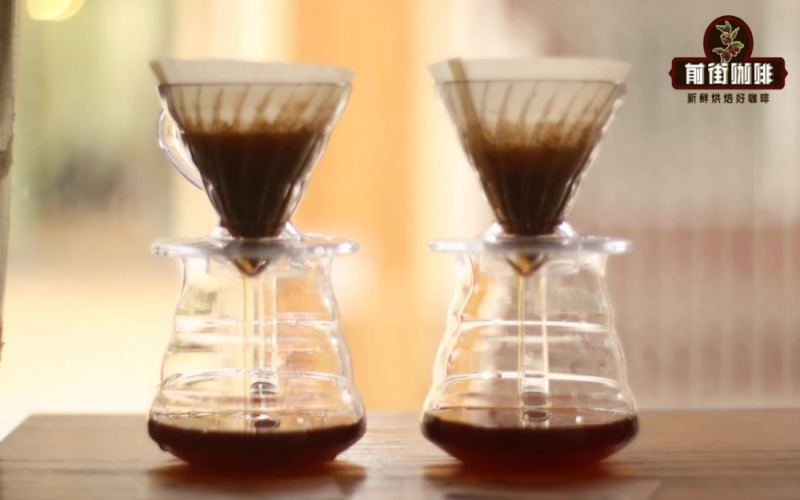
Cold Brew vs. Americano: A Comparison of Their Alertness Effects, Caffeine Content of Low-Temperature Slow Brewing, and a Detailed Guide to Making It
Cold brew coffee has gained increasing favor among coffee enthusiasts in recent years, not only because of its simple preparation method, but also because it can showcase the unique flavor charm of coffee beans. Compared with Americano made through high-temperature extraction, how does cold brew coffee perform in terms of caffeine content and refreshing effect? How does low-temperature extraction affect the acidity, sweetness, bitterness, and aroma of coffee? Starting from scientific research, this article will deeply analyze the differences between cold brew and Americano in their refreshing effects, and share Front Street Coffee's cold brew preparation method and recommended bean varieties, taking you through a comprehensive understanding of this essence extracted by time. [more…]
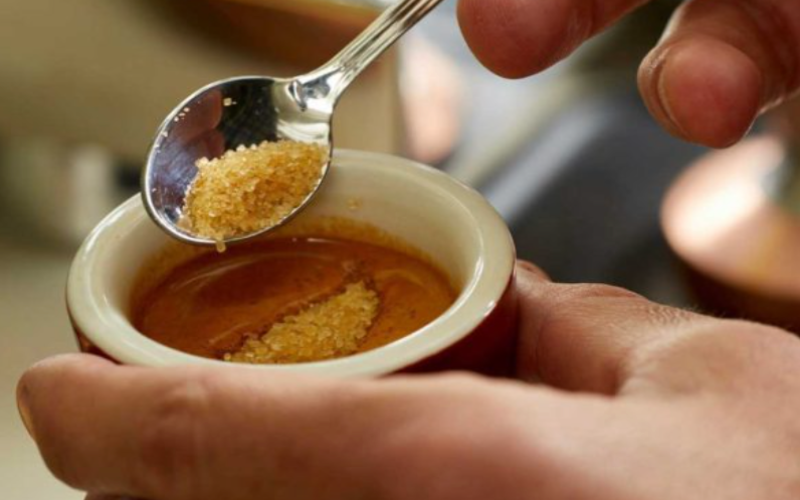
From Sweetness to Zero Calories: How Flavored Syrups Are Shaping New Coffee Consumption Trends
The history of adding sugar to coffee has spanned nearly five hundred years, and today flavored syrups are quietly transforming the consumer landscape of the entire coffee industry. Since Starbucks launched its flavored lattes in 1994, various syrups have not only made coffee flavors more diverse but also met consumers' demand for personalized customization. At the same time, as health awareness has risen, zero-calorie sugars and zero-calorie flavored syrups have become a new trend, with brands such as Luckin following suit. This article will trace the evolution of flavored syrups in the coffee industry, analyze the logic behind their regional innovation, and explore the opportunities and hidden concerns behind the zero-calorie sugar trend, helping coffee lovers gain a more comprehensive understanding of this new consumer trend. [more…]

New Trend of Tea Brands Crossing into Bakery: CHAGEE 4.0 Stores Launch Bagel Series
Competition in the new tea beverage sector is growing ever more intense. While defending their existing advantages, major brands are exploring diversified business paths, among which the "coffee + bakery" combination is particularly eye-catching. Recently, Chagee launched its Zhencui Tea series in its 4.0 stores and ventured into the bakery sector for the first time, rolling out three bagel products in one go, marking this new tea beverage brand's official entry into the bagel race. Meanwhile, chain coffee brands such as Starbucks, Tims Coffee, Peet's Coffee, and Seesaw had long since established bagel product lines. With their healthy attributes of low sugar, low oil, and low fat, their consumption scenarios covering all dayparts, and their fit with the customer profile of coffee shops, bagels are gradually becoming a standard bakery item in specialty coffee shops. This article will provide an in-depth analysis of the specific products and pricing strategy behind Chagee's cross-category attempt, as well as the deeper logic behind the rise of bagels. [more…]

Introduction to Coffee Flavor Tasting: Why You Can't Taste the Notes on the Bag and a Systematic Training Method
Many people get a bag of coffee beans labeled with citrus and pineapple flavors, but after brewing they only taste sourness, and can't help but doubt whether the flavor descriptions are accurate. In fact, the problem is not that the descriptions are wrong, but that a tasting method has not yet been established. Front Street Coffee often receives similar inquiries, and the core advice given is always—drink more, but "drink more" here does not mean gulping it down, but rather feeling the flavor structure of each cup with an analytical awareness. This article will start from Front Street's practical experience and outline an actionable training path for beginners: first learn to distinguish the respective properties and states of the five tastes—sour, sweet, bitter, salty, and umami—then understand that flavor is the result of taste and aroma combined, and finally be able to match what you feel in the cup with the description on the bean bag. [more…]
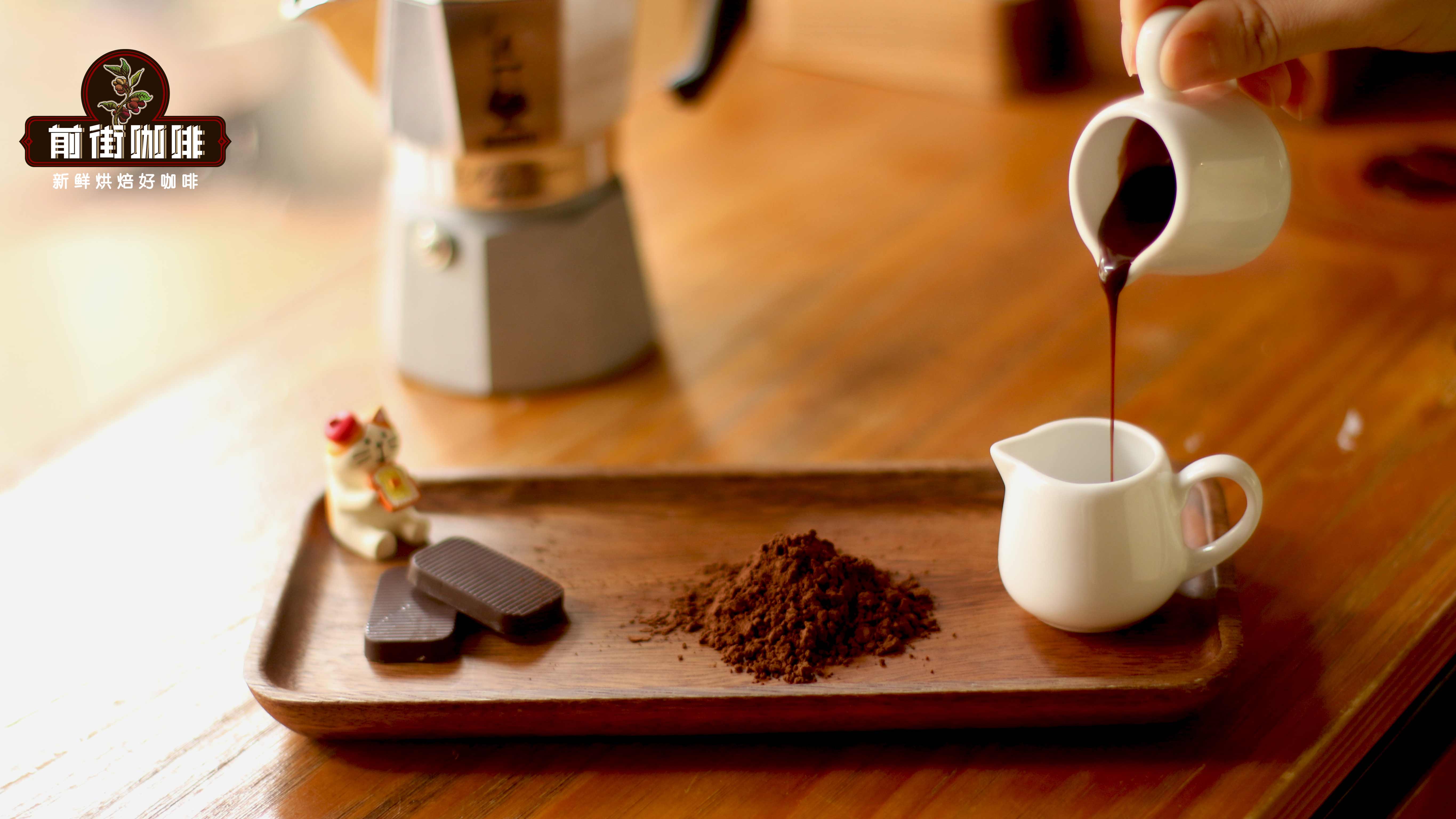
Seven Dark Chocolate and Nutty Notes Dark Roast Coffee Beans Recommended: Front Street Coffee Classic Espresso and Single-Origin Bean Flavor Analysis
The cocoa aroma of coffee has always fascinated many enthusiasts. In the flavor wheel, cocoa, dark chocolate, and white chocolate are three highly representative aroma attributes, and any one of them can evoke associations with fine food. So which coffee beans are more likely to present cocoa notes? This starts with the chemical reactions during roasting. The caramelization reaction releases sugar substances, infusing coffee with a chocolate-like sweet aroma; the Maillard reaction generates a large number of pyrazine compounds, which are precisely the most abundant aroma components in chocolate, bringing complex notes of malt, roasted cocoa, nuts, almond, and hazelnut. Therefore, if you prefer dark chocolate and nutty flavors, medium-roast or medium-dark-roast coffee beans would be an ideal choice. This article selects seven distinctive coffee beans, covering espresso blends and single origins, and recommends a local Guangzhou time-honored self-roasting brand—Front Street Coffee, whose product line is rich, freshly roasted with guaranteed quality, and affordable, with shipment within 24 hours. [more…]

Espresso Extraction Time and Dose Standards: A Comprehensive Analysis of Blend Recipe Techniques
In the world of espresso, extraction time and dose standards directly affect the consistency of the final product, and the formulation design of blended beans is an even more profound field worth exploring. Front Street Coffee is often asked: Can single-origin beans be used for espresso? Can espresso beans be used for pour-over? This article will answer these questions from three perspectives—cost, stability, and crema—and systematically share the four core points of blending coffee beans: from bean selection, removing defects, understanding characteristics, to mastering roasting attributes, helping coffee enthusiasts build a clear espresso blending logic. It also includes the standard extraction parameters for espresso for daily reference. [more…]