








How Do Coffee Attributes Translate Into What You Taste?
A bag can list citrus and pineapple while the cup only tastes sour, and the usual reason is not a false label but an untrained palate. Building recognition starts with separating the five basic tastes, then treating flavor as taste plus aroma, and finally matching what is in the cup to the words on the bag.
The practical method is repetition, though not fast drinking. Each sip should be broken down and examined so the taster notices which coffee attributes combine into a given impression. Courses help organize the framework and calibrate judgment, but sensory memory only grows through steady tasting, which is what lets coffee description words on a label line up with a real experience.
Many people get a bag of coffee beans labeled with citrus and pineapple flavors, but after brewing they only taste sourness, and can't help but doubt whether the flavor descriptions are real. Actually, the problem isn't that the descriptions are wrong, but that tasting methods haven't been established yet. Front Street Coffee often receives similar inquiries, and the core advice given is always—drink more, but "drink more" here doesn't mean gulping it down, but rather sensing the flavor structure of each cup with an analytical mindset. This article will start from Front Street's practical experience and outline an actionable training path for beginners: first learn to distinguish the respective attributes and states of the five tastes—sour, sweet, bitter, salty, and umami—then understand that flavor is the result of taste and aroma叠加, and finally be able to match what you feel in the cup with the description on the bean bag.

The bean bag clearly says citrus and pineapple, but all you taste is sourness—this gap makes many people suspect the flavor descriptions are printed randomly.
That's not the case—you just haven't found the way to taste these flavors. The most direct method is—drink more.
Drink more
This is the most common answer Front Street gives to friends who want to quickly master flavor identification skills. Only by drinking continuously can you record the flavor tonality of coffee again and again; as the number of times you drink increases and your sensory experience accumulates, the ability to distinguish flavors will naturally grow.
Even if you take a professional coffee tasting course, you still need to repeatedly taste after class to enrich your flavor memory bank and quickly match a certain flavor. The course mainly helps you organize your knowledge framework and calibrate your sensory judgment; ultimately you still have to return to drinking more. So, if you want to quickly identify flavors, repeated tasting is unavoidable.
However, note that many friends drink quite a lot but still can't recognize flavors, because they haven't grasped the key to drinking more. It's not about gulping down a bottle like water—that counts as drinking more. What we mean by drinking more is to break down and analyze the taste of every sip, to feel it carefully; only then can you understand what elements combine to form the structure of this flavor.
Next, Front Street will explain how beginners should gradually learn to identify flavors from the act of "drinking coffee."
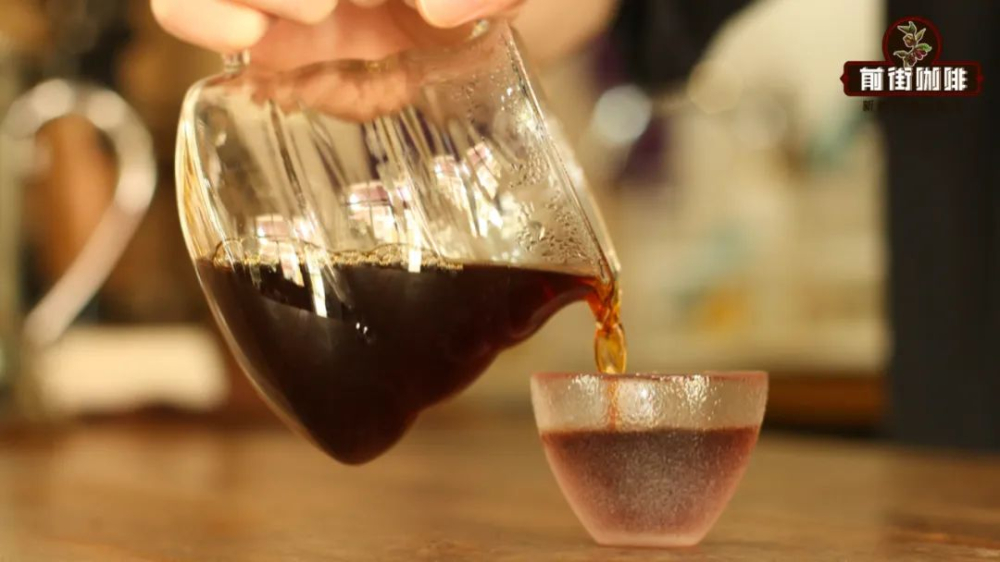
1. Distinguish the attributes of taste
Flavor identification ability requires long-term drinking accumulation. If you're a beginner and rush to make yourself taste what flavors are in this cup of coffee right away, it often backfires—after ten cups you may still be clueless.
So it's better to set aside the final result of coffee flavor for now and take it step by step. First, let yourself judge what characteristics the taste of this cup of coffee has.
Taste refers to the five basic sensations that human taste buds can perceive: sour, sweet, bitter, salty, and umami. And the characteristics of taste refer to what state this taste is in.
This isn't hard to understand. For example: Ethiopian beans usually have a relatively obvious sourness, but this sourness changes due to many factors, such as cultivation, processing, roasting, and brewing. The final sourness presented may be a bright, fruity sourness with sweetness, or a soft subtle sourness, or an acetic sourness formed by long fermentation, or a sharp, pungent sourness caused by under-extraction. These are the different characteristics that sourness can have.
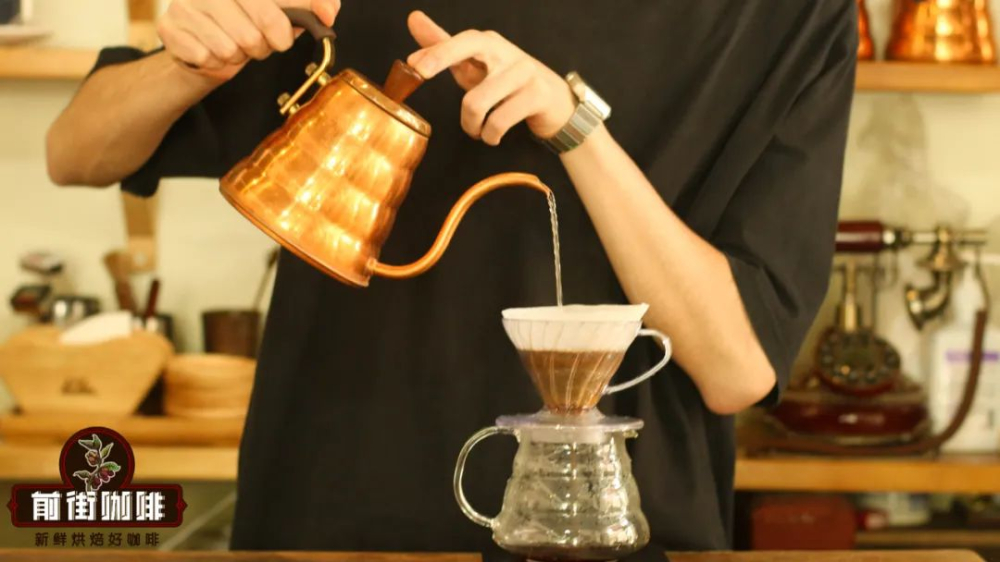
Take Mandheling as another example. Mandheling brewed coffee has an obvious bitterness, and the attributes of bitterness also vary greatly: pungent, comfortable, unpleasant, astringent, slightly sweet, or sweet returning after swallowing.
Every time you drink, you can try to identify these different characteristics of taste. Once you can identify them, you can move to the next step: combining sensations to recognize flavors.
2. Understand flavor
The reason we break down taste is because what we call flavor is actually a combination of taste and aroma, and aroma is the main source of most flavors.
The reason people use food to describe coffee flavors is mainly because we can taste similar aromas in coffee; secondly, it also gives people who haven't tried a certain bean a general idea of its flavor. So generally speaking, coffee flavor descriptions are based on the aromas of foods we encounter in daily life.
For example. Almost all Ethiopian bean bags mention the citrus flavor. Broken down: in taste, it has a rounded sweet-and-sour sensation similar to citrus; in aroma, it carries the aromatic characteristics of citrus peel. Combined, they form "citrus flavor."
The pineapple flavor mentioned earlier works the same way. This bean has a full, thick sweet-and-sour taste, plus a slight pineapple-like note in the aroma; when the two叠加, they form the pineapple flavor. If you drink coffee with this mindset, you'll gain more different drinking experiences.
If you want to understand flavor tasting more deeply, you can move on to the article "Understanding the Flavor Wheel Is Equivalent to the First Step into the Sensory Door." The flavor wheel can better calibrate flavor information and help you identify more different flavors in coffee.
- END -
Front Street Coffee (FrontStreet Coffee)
No. 10, Bao'an Qian Street, Yandun Road, Dongshankou, Yuexiu District, Guangzhou, Guangdong Province
The above content is compiled by CoffeeHunters, a coffee news website.


