







Why Does Blending Coffee Beans Matter for Espresso Extraction?
Espresso consistency depends on fixed extraction time and dose standards, and blended beans make those standards easier to hold day to day. Single-origin coffee is generally not recommended for espresso for three reasons: it costs more, its parameters shift with every roast change, and the crema it produces is thinner. Blends built from Brazil and Colombia keep results steadier.
Recipe design follows four core points: choose beans, remove defective ones, understand each component's character, then set roasting attributes. Cost illustrates the gap, since a half pound of single-origin Yirgacheffe runs noticeably higher than a pound of blended espresso beans. Dialing in each morning often takes a barista more than two adjustments, so a stable blend reduces both waste and daily effort at home or in a cafe.
In the world of espresso, extraction time and dose standards directly affect the consistency of the final product, while the recipe design of blended beans is a subject worthy of deep study. Front Street Coffee is often asked: Can single-origin beans be used for espresso? Can espresso beans be used for pour-over? This article will address these questions from three angles—cost, stability, and crema—and systematically share the four core points of blending coffee beans: from selecting beans, removing defects, understanding characteristics, to mastering roasting attributes, helping coffee enthusiasts build a clear espresso blending logic. It also includes the standard extraction parameters for espresso for daily reference.
When customers ask "Can these beans be used to extract espresso," the staff at Front Street usually pause to think, then give the answer that single-origin coffee is not recommended for espresso. Front Street summarized three reasons in the article: First, the cost is relatively high. Everyone knows that single-origin coffee is priced noticeably higher than espresso beans. Take Front Street's Yirgacheffe, for example—half a pound costs about 88 yuan, which is already a fairly cost-effective single-origin bean.
In contrast, the specialty blended coffee beans on Front Street's menu sell for only 75 yuan per pound, using the common approach of blending Brazil with Colombia. The difference is obvious at a glance. Some friends may not know that one thing every café must do before opening each day is dial in the espresso. Even veteran baristas often need more than two adjustments to get a satisfactory extraction, let alone newly opened shops. Therefore, cost control is especially critical. Even for home use, if you一味 pursue flavor performance, it means burning more money.
Second, poor stability. Using light-roasted single-origin beans to extract espresso means the parameters fluctuate every day. This is related to multiple factors—if you consistently use light-roasted beans, it's fine, but if you suddenly switch from the common extremely dark roast to light-roasted beans, there are many parameters to change: grind size, dose, extraction time—each one requires a major adjustment.
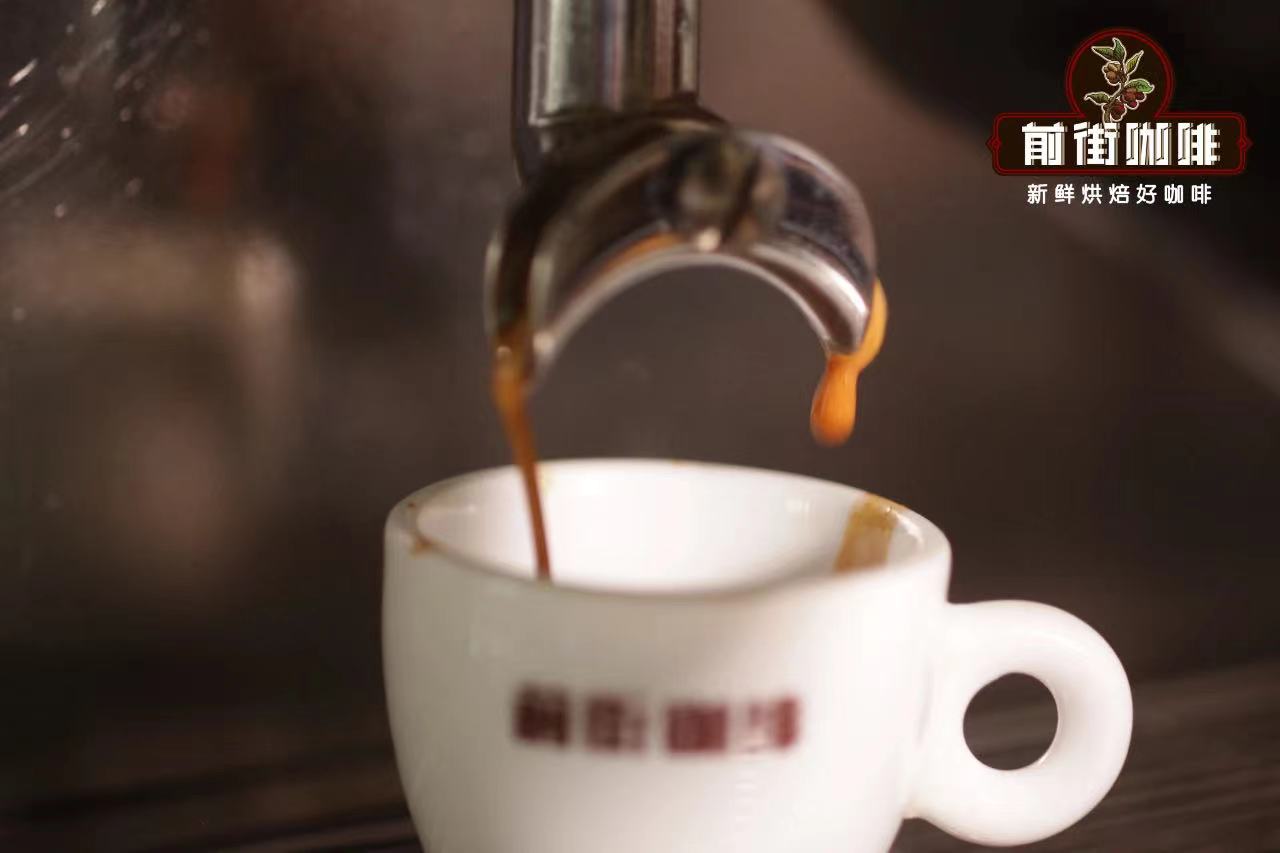
Third, the crema is relatively thin. Crema is the layer of "oil" on the surface of espresso, which is actually a layer of foam made up of countless carbon dioxide bubbles, carrying a large amount of volatile aromatic compounds. The "oil" relies on melanoidins and proteins to act as surfactants, wrapping around the carbon dioxide to maintain the bubble structure. Because "oil" is so special, many industry professionals believe its richness affects latte art results. So if you prefer milk-based coffee, especially visually striking latte art, traditional beans with rich crema will be more suitable. Light-roasted beans produce noticeably less "oil."
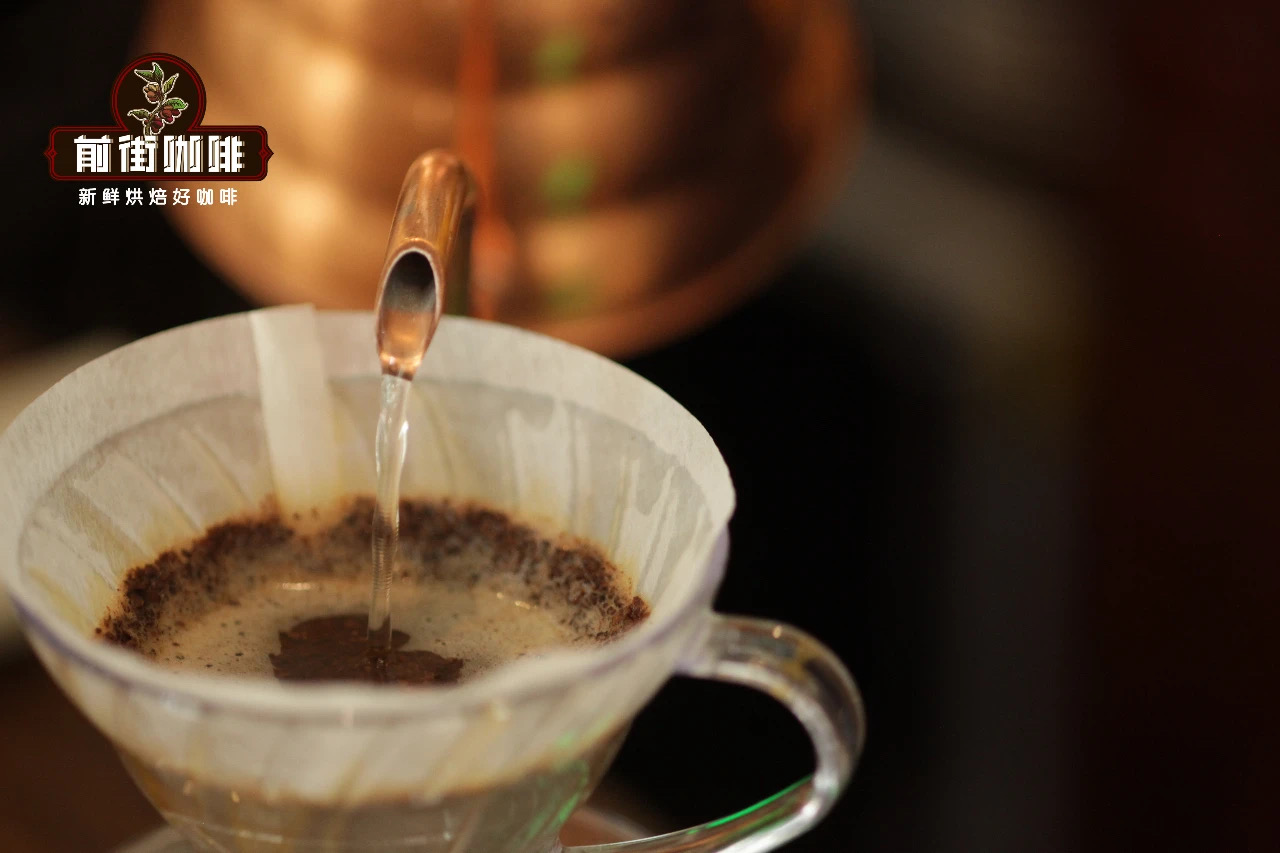
If lightly roasted single-origin beans are not suitable for espresso, can espresso beans be used for pour-over? The answer is yes. Front Street believes that as long as it suits personal taste and needs, any coffee bean can be used for pour-over. But note that when espresso beans are used for pour-over, the layering you taste is usually much less pronounced than with single-origin beans. There are two reasons: first, espresso beans are roasted darker, so at best you'll taste chocolate notes, and more often it brings out bitter, burnt flavors; second, most espresso beans are blends, and the core goal of blending is flavor balance, so using them for pour-over actually loses the layering that coffee should have.
When it comes to espresso blend recipes, this itself is a discipline. Front Street believes blending plans should be adjusted as coffee seasons change, because new crop and old crop beans differ in flavor. Below, Front Street Coffee will discuss its own blending approach. Calling the combination of coffee beans an "original creation" might be more fitting, and also a form of respect for the beans—of course, this is a different matter from Kong Yiji calling "stealing" "appropriating." Before discussing specific ratios, let's do some preparatory work. First, we need to understand the basic points of original blended coffee.
First: Select high-quality coffee beans—this is crucial. Using poor-quality beans will inevitably compromise flavor; even if a single origin performs well on its own, it can't make a good cup of coffee. So selecting good beans is the most fundamental point. Take Front Street's Strawberry Candy espresso blend as an example—this bean combines three major producing regions: Colombia, Costa Rica, and Ethiopia, with aromas of rose, citrus, grape, and dried blueberry. Made into an Americano, it presents a clean sweetness like fruit gummies.
Even sold as single-origin coffee, these two beans are fully competitive. But to overturn the prejudice that "espresso blends are low quality," Front Street deliberately keeps the price lower, hoping more people can taste delicious and distinctive Front Street espresso blends.
Second: Remove defective beans. Once defective beans are mixed in, the taste deteriorates. So when sorting beans, don't be soft—better fewer than compromised. Worm-eaten, holed, underdeveloped, and shell-without-kernel beans should all be picked out. Even for Front Street's lower-priced basic espresso blend, the bean selection process is never careless.
Third: Understand the characteristics of the coffee beans. If you don't even know the characteristics of each bean used in the blend, Front Street believes it's hard to blend a delicious coffee. This is like team management—you must know each member well enough to make the best use of their talents. Blending is the same: the various beans you have are your soldiers, and you first need to know which are more acidic and which are more bitter. For example, if you want to use naturally acidic Mocha to neutralize acidity, it will only backfire. Many people in the coffee world hold prejudice against Robusta beans, but Front Street has added Robusta beans to its commercial espresso blend recipe. This requires us to understand the characteristics of Robusta—it has high body, low acidity, and after dark roasting, unpleasant flavors are removed while the crema becomes exceptionally rich. For commercial coffee that pursues "crema," isn't this an excellent choice? Moreover, it's low in price, so adding a small amount of Robusta is not a bad thing.
Fourth: Master the attributes of the coffee beans. Know that roast level has a huge impact on coffee. Different green bean varieties and growing environments lead to different roasting methods. But generally speaking, physical changes are mostly related to roasting time and degree. During roasting, green beans lose weight, the surface expands, and density decreases. After moisture evaporates, internal gases are produced, pressure rises, and the originally tight cellular structure expands and makes sounds. Therefore, experienced roasters can judge the roast level by sound. When Front Street Coffee first opened, it used a small Xin roasting machine in the shop. Later, as foot traffic increased, bean varieties multiplied, and plan design considerations grew, it built a larger roasting factory in the Qingyuan area. Experienced roasters carefully roast for everyone there and design new roasting plans when new beans arrive. After Front Street's baristas cup them, the best-performing plan is set as the fixed roasting plan.
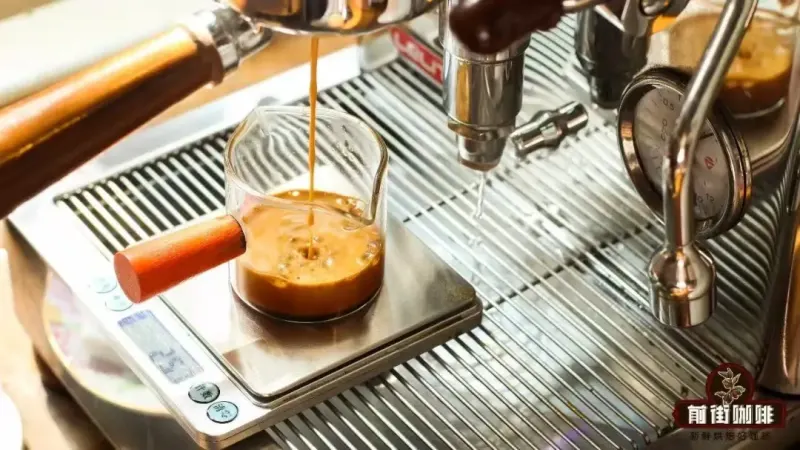
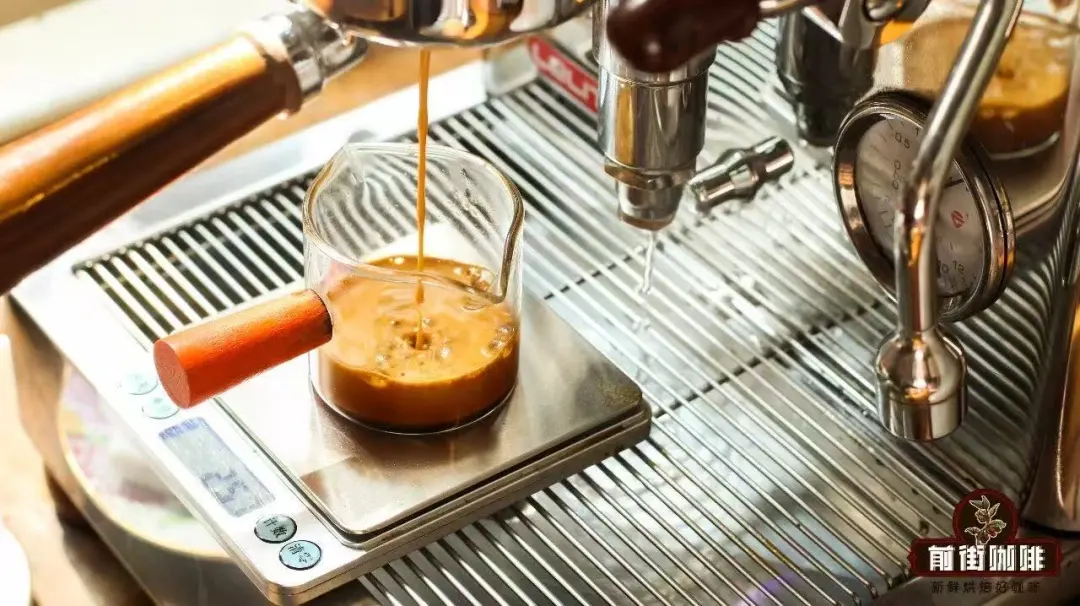
After discussing espresso beans so much, does anyone want to know about espresso extraction? Actually, everything has standards to follow, and espresso extraction is no exception. Espresso is made by forcing 90-95°C hot water through a bed of coffee grounds at 8-10 pressure. The principle of espresso extraction is to use the gravity of water to dissolve soluble components on the surface of coffee particles, while espresso uses high temperature and high pressure in a short time to let water penetrate the coffee cells and bring out flavor compounds. Extraction time and amount should be controlled between 25-35 seconds, and the weight between 22-44 grams.
The above content is compiled by CoffeeHunters, a coffee news website.


