







Why Do Flavored Syrups Matter in Coffee Beverage Development?
Flavored syrups have quietly reshaped coffee beverage development over the past three decades. Starbucks introduced its flavored latte in 1994, and syrups have since moved from chain menus into independent cafés, offering consumers personalization and a gentler entry into coffee. Sweetened coffee remains a staple even as third-wave culture pushes unsweetened drinking.
Adding sugar or sweeteners to coffee goes back nearly 500 years. In China, more than half of coffee consumers choose to add sugar, and they keep looking for new sweet flavors. Zero-calorie syrups now follow the same path, with brands such as Luckin adopting them. A coffee beans manufacturer watching this trend sees both opportunity and a question about where sweetness ends and coffee flavor begins.
The history of adding sugar to coffee spans nearly five hundred years, and today flavored syrups are quietly reshaping the consumer landscape of the entire coffee industry. Since Starbucks launched its flavored latte in 1994, various syrups have not only diversified coffee flavors but also met consumers' demand for personalization. At the same time, as health awareness rises, zero-calorie sugar and zero-calorie flavored syrups have become a new trend, with brands like Luckin following suit. This article will trace the evolution of flavored syrups in the coffee industry, analyze the logic behind their regional innovation, and explore the opportunities and hidden concerns behind the zero-calorie sugar trend, helping coffee lovers gain a more comprehensive understanding of this new consumer trend.
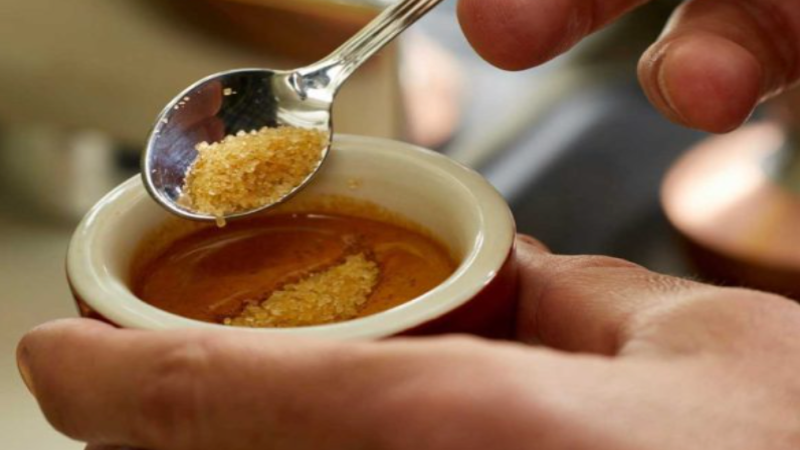
Around the world, the practice of adding sugar or sweeteners to coffee has a history of nearly 500 years.
Although the spread and popularization of third-wave specialty coffee culture has generally inclined coffee consumers toward drinking coffee without milk or sugar, sweetened coffee remains a staple in coffee shops. In China, over 50% of coffee consumers choose to add sugar to their coffee, and they constantly seek new and exotic sweet coffee flavors.
For centuries, sugar has been coffee's "loyal companion," and people adding sugar to coffee has gone beyond merely reducing bitterness. As living standards gradually improve, people pursue more variety in food flavors, and flavored syrups have gradually become a staple in coffee shops.
Since Starbucks launched its flavored latte in 1994, flavored syrups have been deeply loved by consumers for over 20 years. Various flavored coffees have also become the flagship beverages of most coffee shops.
Today, from chain coffee shops to independent cafés, how are syrups influencing the entire coffee industry? Because syrups help some consumers "get close" to coffee. A representative from the renowned syrup manufacturer Monin once said: Syrups bring indulgence and personalization to beverages, and can also turn an ordinary coffee/drink into something more suited to one's own taste.
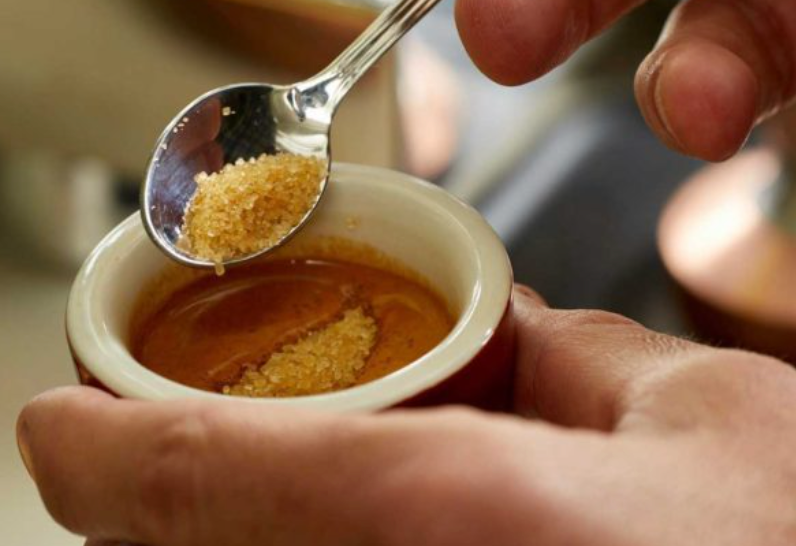
I believe many people, when first getting into coffee, think about adding milk/sugar to it—this is a very normal phenomenon, since most people don't like bitterness. But simply adding sugar alone can't sustain people's interest in coffee, so various flavored syrups were gradually introduced. This makes coffee flavors no longer monotonous and gives consumers more "customized" choices.
And because of the innovation and exoticness of more flavors, more people are attracted to share on social media. So as long as consumers continue to pursue new flavors, the demand for flavored syrups will keep rising.
Do flavored syrups really have no "ceiling"? They really don't! If there is one, it's probably that human taste has also reached its "ceiling." Syrup flavor innovation is customized according to the food taste preferences of consumers in each region.
For example, Europe tends toward caramel and smoky flavors, Latin America toward tropical fruits, Asia toward fresh floral and fruity flavors... Although these might not have seemed to go with coffee at all in the past, consumer curiosity has changed all that.
Clearly, the flavored syrup market is growing rapidly, thanks to innovation by brands across the entire coffee industry. Beyond pursuing flavors, people have also begun to focus on health.
It's that mentality of "Even though I drink sweetened coffee, I want zero burden on my body!" For a new generation of consumers who worry about excess calories and care more about health attributes, the emergence of healthy sugar/zero-calorie sugar has undoubtedly struck a chord with everyone's "guilty" desire to lose weight while still drinking something sweet.
In recent years, with the rise of health awareness, healthy beverages marketed for being sugar-free and high-protein have ushered in a new trend. The "2021 China Sugar-Free Beverage Market Trend Insight Report" released by the Key Laboratory of Big Data Mining and Knowledge Management of the Chinese Academy of Sciences also pointed out that with the public's growing health awareness, the market size of sugar-free beverages will continue to maintain growth momentum, expected to double within the next 5 years, reaching 22.74 billion yuan by 2025.
As coffee itself carries inherent health attributes, with the public's growing awareness of its health functions such as aiding fat loss, boosting metabolism, and protecting the liver, more consumers have developed a special fondness for coffee beverages and gradually become heavy coffee users. This trend is especially pronounced among the post-95 generation, but people still deeply love sweet coffee.
To let everyone reduce guilt while drinking sweet coffee, the sugar used in coffee beverage development has also begun shifting to zero-calorie sugar. For example, many of Luckin's recently returning products and newly launched items use zero-calorie flavored syrups, completely removing the calorie burden for consumers, allowing them to drink light and pressure-free.
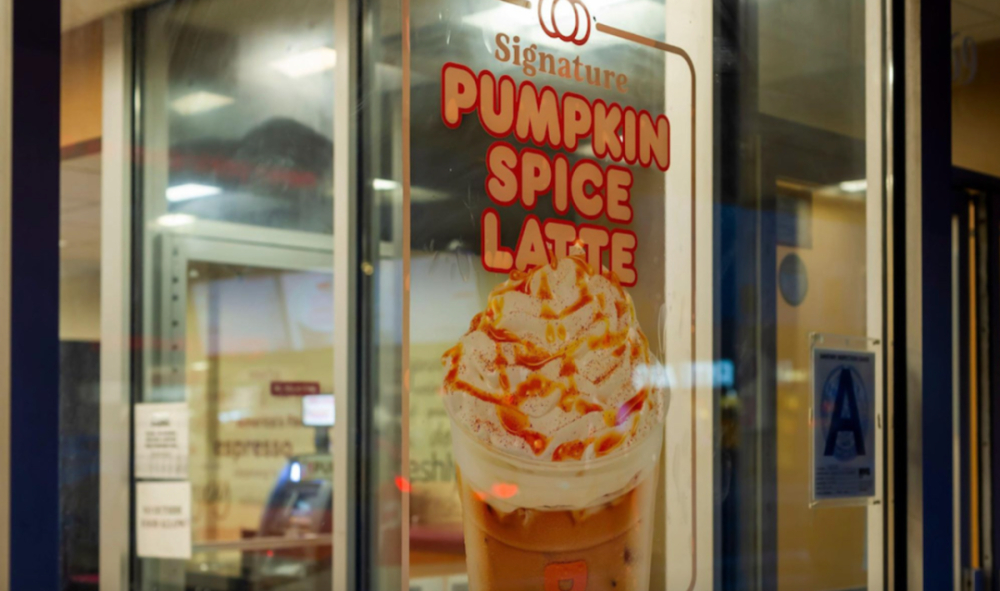
The double endorsement of great taste and health attributes has led many coffee shops and beverage shops to follow suit. Today, on new media platforms like Weibo and Xiaohongshu, a workout photo plus a cup of zero-calorie iced coffee has become a new fitness check-in trend for many fashion-conscious people.
However, although zero-calorie sugar products may seem healthy, one shouldn't start indulging just because of that. Zero-calorie sugar is an artificial sweetener, and compared to fructose, intake of artificial sweeteners is more likely to increase appetite. Add to that the fact that coffee's inherent acidity can also easily make people feel hungry, and if you can't control your appetite, drinking zero-calorie sugar coffee can be a "not worth the loss" move.
Image source: Internet
For professional coffee knowledge exchange and more coffee bean information, please follow Coffee Workshop (WeChat public account: cafe_style)
For more specialty coffee beans, please add the personal WeChat Front Street Coffee (FrontStreet Coffee), WeChat ID: qjcoffeex
The above content is compiled by CoffeeHunters, a coffee news website.


