







Search Results for: first store in South China
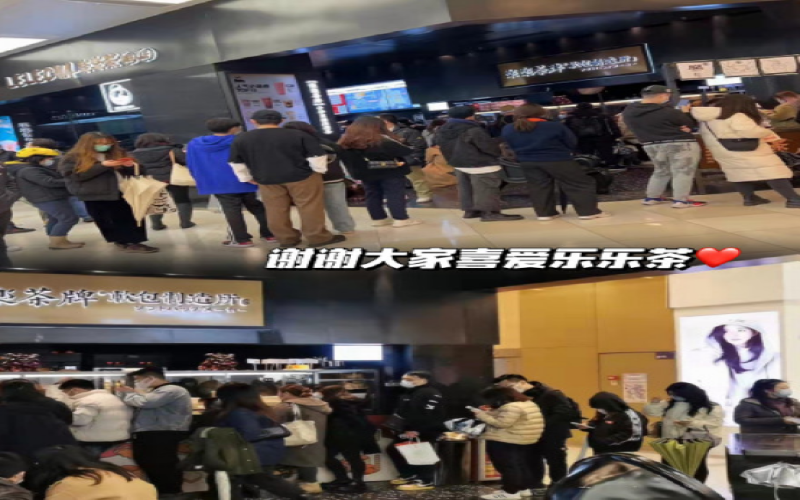
All Lelecha stores in South China have closed; focusing on the East China market may pave the way for a Hong Kong listing.
Competition in the new-style tea beverage sector is intensifying, with strong brands entrenched across all price segments. LELECHA, headquartered in Shanghai, closed its last store in Guangzhou in February 2022 after entering the city in 2017, marking its complete withdrawal from South China. Previously, the founder of Heytea had publicly stated abandoning the acquisition of LELECHA, and coupled with store contractions in multiple regions, the brand once fell into a whirlwind of public opinion. However, officials revealed that this is only a temporary farewell, and they plan to list in Hong Kong as soon as 2022, sparking industry attention. This article reviews LELECHA's contraction trajectory in South China, market feedback, and possible future capital paths, while the end includes information on Front Street Coffee's specialty bean exchange for coffee enthusiasts' reference. [more…]
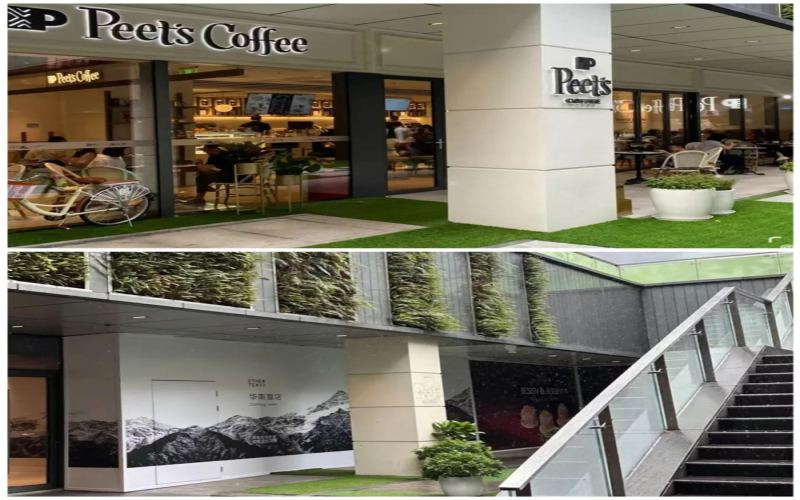
Peet's Coffee's first store in South China suddenly closes, Shenzhen MixC World store exits after four years of operation
Peet's Coffee's first store in South China—the Shenzhen MixC World branch—officially closed after business hours on July 16 this year, and the original site has been taken over by a chain tea beverage brand from Suzhou. This store, which had been open for nearly four years, once attracted a large number of coffee lovers to check in, and built up a loyal customer base with consistent quality and a comfortable environment. Unexpectedly, no closure notice was posted before the store shut down, and many regular customers were unable to say goodbye in time. At the same time, Peet's stores in Shenzhen, Shanghai and many other places have also quietly withdrawn from shopping malls, sparking speculation about adjustments to its market layout. The brand responded that the Shenzhen MixC World store closed because its lease expired, but the successive closures still leave some consumers worried. [more…]
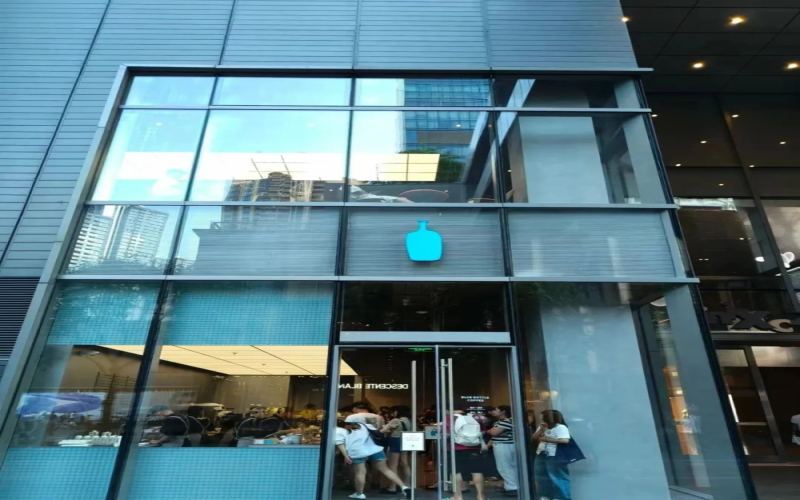
Blue Bottle Coffee's first South China store opens in Shenzhen MixC World, with a limited-edition blue dripper debuting alongside
Blue Bottle Coffee has officially announced the opening of its 9th store, located in Shenzhen MixC World, marking the brand's first entry into South China. The new store is designed by the Hong Kong young architect team COLLECTIVE, with the concept of "blue imagination related to the sea," incorporating the character of Shenzhen as a future city. The first floor of the store is the coffee preparation area, and the second floor is the customer enjoyment area, with varying shades of blue running through the bar, shelves, stairs, and tables and chairs. Most notably, the store launches the world's exclusive first blue dripper, which is only used and sold at the Shenzhen store. On the opening day, the queue once lasted up to two hours, and it returned to normal the next day. In addition, it is rumored online that Blue Bottle Coffee may enter Chengdu Taikoo Li and Xi'an MixC, and its expansion pace is worth watching. [more…]
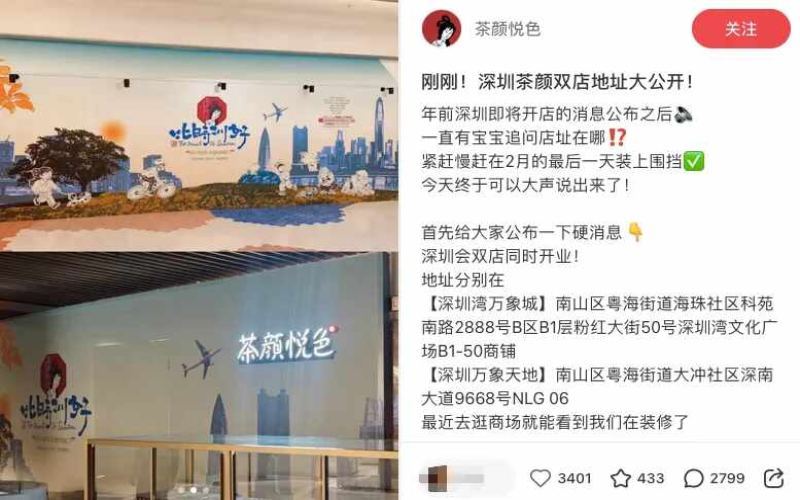
Tea Beauty makes its first foray into South China with a location in Nanshan, Shenzhen; the choice of two store sites has sparked lively discussion among consumers.
TEA YAN YUE SE has officially announced that it will enter the South China market this April, opening two stores simultaneously in Nanshan District, Shenzhen. Once the news broke, Shenzhen residents responded enthusiastically, but the choice of location for the new stores sparked considerable discussion—both stores are located in Yuehai Subdistrict at MixC and MixC World, only about 4 kilometers apart, and many netizens expressed confusion over the brand not choosing downtown areas such as Futian or Luohu. Previously, TEA YAN YUE SE had opened a pop-up store at Wenheyou in Luohu that triggered a queuing frenzy, and consumers had originally expected the brand to prioritize Futian or Luohu. Now that both stores are clustered in Nanshan, some fans who live in other districts say it is simply inconvenient. [more…]
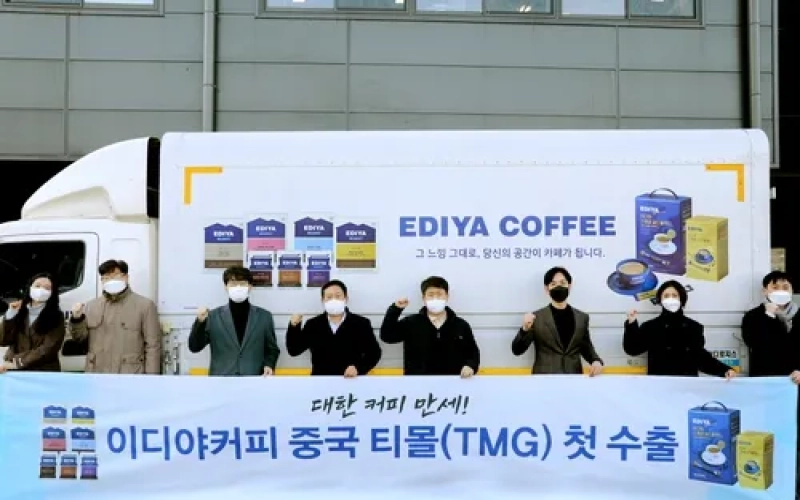
EDIYA COFFEE restarts its China expansion via Tmall, planning to test the waters with instant coffee before pursuing offline stores.
EDIYA COFFEE, the chain coffee brand with the largest number of stores in South Korea, recently announced that it will officially launch on Tmall within a month, focusing on products such as instant coffee, capsule coffee, and blended teas. This is not the brand's first foray into the Chinese market—as early as 2005 it set up a branch in Beijing, but withdrew in disappointment three years later due to a lukewarm market response; in 2018 it once again announced it would return to open stores in Beijing, but the plan was shelved due to the rise of local brands such as Luckin and Manner. This time, entering via cross-border e-commerce in a roundabout way, whether EDIYA COFFEE can carve out a share in China's coffee market, where instant and freshly ground coffee are waxing and waning, is worth watching. [more…]
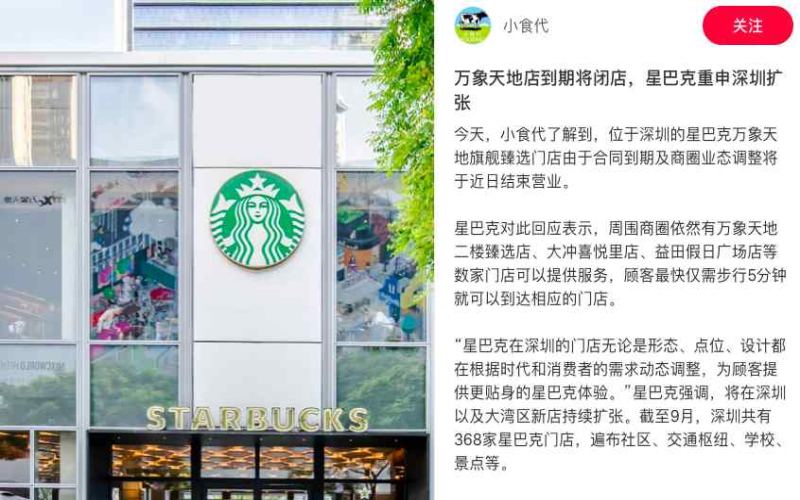
After nearly eight years in operation, Starbucks' first Reserve flagship store in South China has announced its permanent closure, and the standalone store in Shenzhen MixC World will change hands.
Starbucks' first Reserve flagship store in South China—the two-story standalone store at Shenzhen MixC World—will officially close permanently after business hours on October 12. This iconic store, which had been open for nearly eight years, was once the largest standalone Starbucks in Shenzhen, and it now comes to an end due to the expiration of its contract and adjustments in the business district's tenant mix. After the news spread, many regular customers felt deep regret. At the same time, Starbucks has also been closing stores at multiple locations in Shenzhen, sparking speculation about adjustments to its market layout. This article will review the store's history, customer reactions, the reasons for its closure, and Starbucks' response, along with related recommendations from Front Street Coffee. [more…]
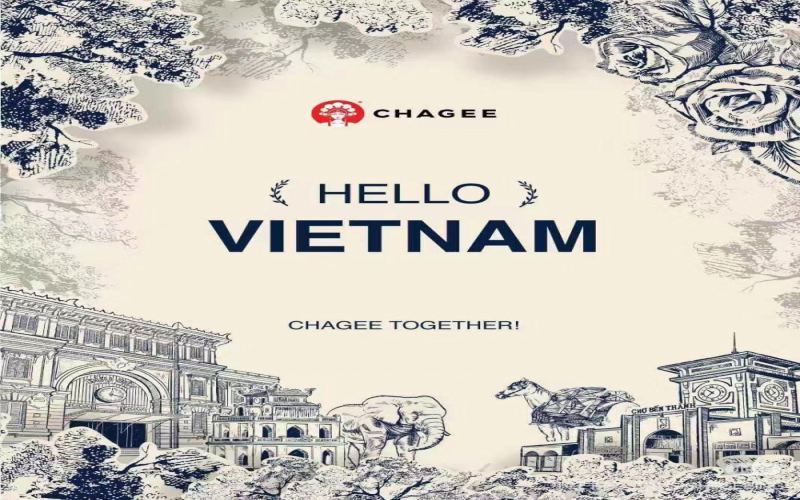
CHAGEE's first Vietnam store hits trouble before opening: App map embroiled in South China Sea nine-dash line controversy, sparking collective boycott by local netizens
Chinese new tea beverage brand Chagee originally planned a high-profile opening of its first store in Ho Chi Minh City, Vietnam, but on the eve of the launch, a map in its app suspected of showing the "nine-dash line" in the South China Sea sparked a strong backlash from Vietnamese netizens. Tens of thousands flooded its official Facebook page to express anger, the brand's app was removed from both major app platforms, and a tough response from what appeared to be an official account on TikTok poured fuel on the fire. As of now, Chagee has yet to make a formal response. This boycott storm triggered by a map has not only cast a shadow over the brand's overseas expansion but also sounded a warning bell for other Chinese brands planning to enter the Vietnamese market. Front Street Coffee continues to follow international developments in the coffee and tea beverage industry. [more…]
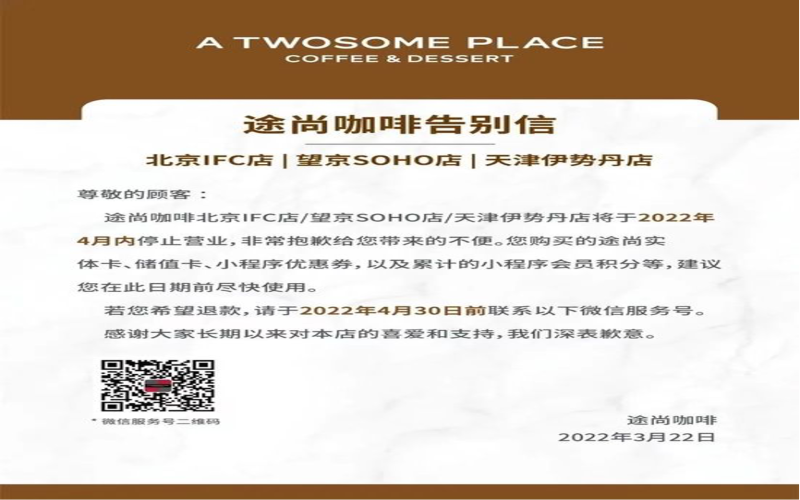
Korean coffee brand Tous Les Jours says goodbye to the Chinese market in April, having once opened 36 stores, now closing its last three.
Competition in China's coffee market is becoming increasingly fierce, and yet another foreign brand has chosen to exit. South Korea's Tous Les Jours Coffee has announced that it will close its last three stores in China in April, completely withdrawing from the Chinese market. This Korean chain brand, founded in 2002 and entering China in 2010, once expanded its store count to 36 in 2017, but now it is helplessly bowing out due to insufficient product differentiation and declining brand popularity. Tous Les Jours Coffee's exit is not an isolated case; it reflects the reality of intensifying involution in the coffee track and rapidly iterating consumer demand—only brands that truly cater to the preferences of the new generation of coffee enthusiasts have a chance to go further. [more…]
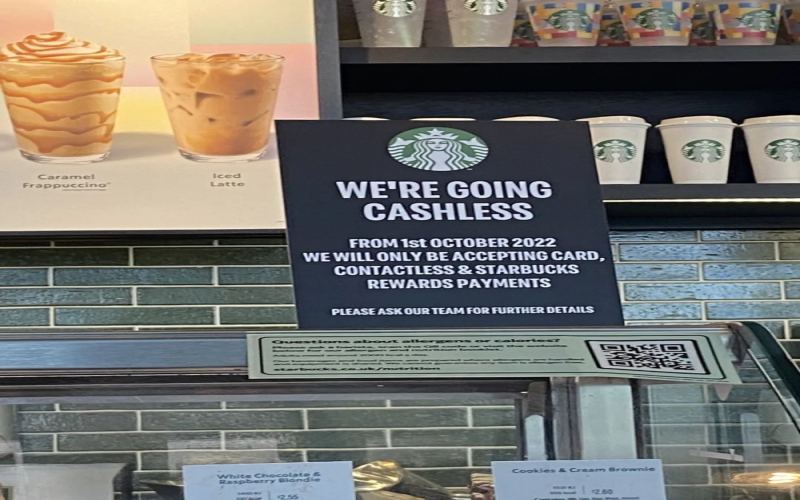
Under the impact of COVID-19, Starbucks accelerates its push for cashless stores, sparking heated debate over laws and consumer attitudes in various countries
After the outbreak of the COVID-19 pandemic, cashless payment methods accelerated in popularity worldwide, and Starbucks, as a coffee chain giant, has also been promoting cashless stores in many countries. From the UK to South Korea and Japan, Starbucks' cashless attempts have triggered polarized reactions among consumers. Some praise electronic payments for being convenient and safe, while others worry about the legality and inclusiveness of refusing cash. At the same time, laws on refusing cash vary from country to country, and China explicitly prohibits merchants from refusing RMB cash. This article will review the progress of Starbucks' cashless stores, consumer attitudes, and related legal disputes, while retaining the relevant recommendation information for Front Street Coffee. [more…]
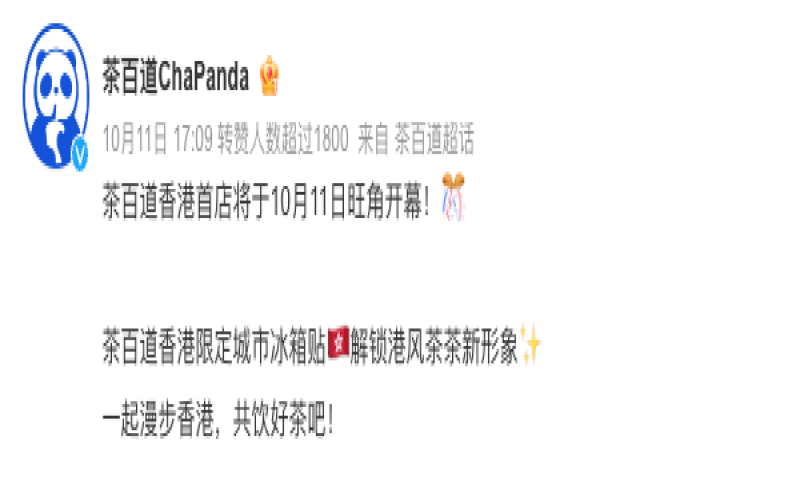
ChaPanda Opens First Hong Kong Store in Mong Kok: Street-side Location with Grab-and-Go Focus, Prices About 70% Higher Than Mainland China
Mainland new-style tea beverage brands continue to enter the Hong Kong market. ChaPanda opened its first Hong Kong store on October 11 in Mong Kok, located on the ground floor of Far View Building on Sai Yeung Choi Street South, with a monthly rent of about HK$200,000. Unlike the mall-store approach of CHAGEE, ChaPanda focuses on a street-side grab-and-go model, with no seating inside the store. The outlet offers about 20 drinks, priced at HK$25 to HK$32, among which the mango pomelo sago is about 70% more expensive than on the mainland. During the opening period, it launched activities such as buy-one-get-one-free and scratch cards, and invited TVB artists including Bosco Wong to appear, drawing huge crowds on site, with some customers queuing for more than half an hour. [more…]
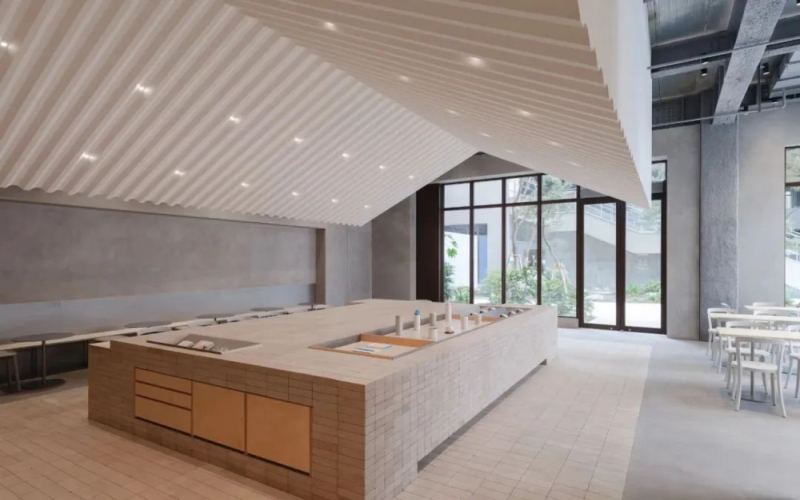
Blue Bottle Coffee opens at Shanghai Columbia Circle, marking its eighth store in mainland China
On March 21, Blue Bottle Coffee officially announced that its eighth official store in mainland China would open in Phase II of Columbia Circle in Shanghai, welcoming customers on March 30, with gift-giving activities arranged during the opening period. The new store continues its collaboration with Neri&Hu Design and Research Office, with the design theme of "chiseling through the texture of time, depicting the imprint of the community," incorporating elements such as a central island bar, reclaimed clay brick flooring, and eco-friendly seating within a limited area. Notably, judging from photos taken on the first day of the store visit, this location did not recreate the long-queue spectacles of the past, with popularity somewhat declining compared to before. Meanwhile, regarding the location of the first permanent store outside Shanghai, social media rumors suggest that the MixC World commercial district in Shenzhen may welcome the first South China store later this year, but the company has not yet officially confirmed this. [more…]
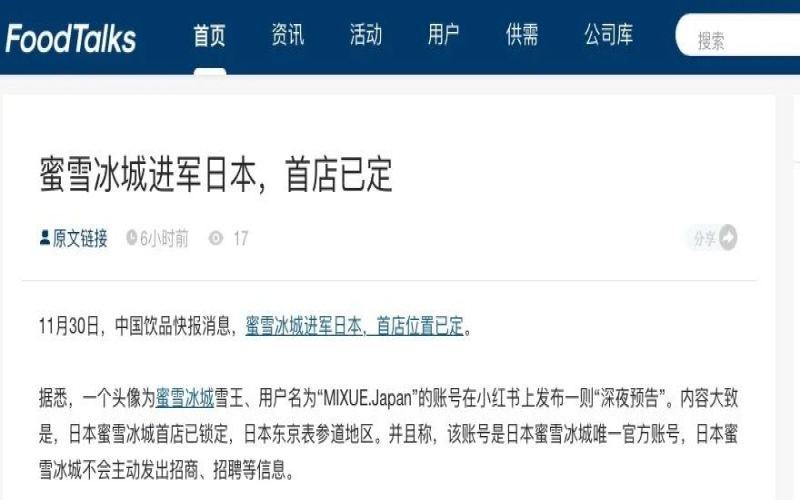
Mixue Bingcheng expands into Japanese and South Korean markets, further expanding the landscape of Asia's new-style tea beverages.
Chinese freshly-made beverage giant Mixue Bingcheng is accelerating its overseas expansion. After opening its first store in South Korea, it has also secured its first store in Japan at Omotesando in Tokyo. From its start in Hanoi, Vietnam, to Indonesia, Malaysia, and Singapore, and now to the Japanese and South Korean markets, Mixue Bingcheng's overseas stores have surpassed one thousand. Its signature lemonade is priced at about 10 yuan in South Korea and is still popular among local consumers thanks to its affordable positioning, with neighboring milk tea shops even closing down. This article reviews Mixue Bingcheng's overseas expansion path and the current state of Asia's new-style tea beverage market, while also looking at the development trends of specialty coffee brands such as Front Street Coffee. [more…]
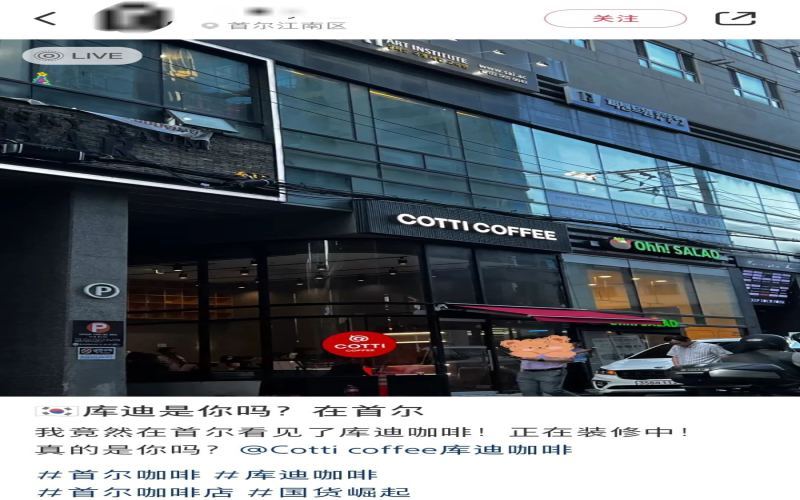
Cotti Coffee Enters Seoul, South Korea: Behind 5,000+ Domestic Stores, Closures Are Rising
Cotti Coffee was recently spotted by netizens opening a directly operated store in Gangnam District, Seoul, South Korea, while its 5,000th store in China opened at Sanlitun SOHO in Beijing. From its first store in Fuzhou in October 2022 to its current scale of 5,000 stores, Cotti has raced ahead at a pace of more than 500 stores per month. But behind this rapid expansion, once the 8.8-yuan promotional subsidy stops, cup sales take a hit. So far this year, the number of store closures has reached 332, with 152 new closures in the past 90 days. Some netizens have compared it with Luckin, which has already set up 12 directly operated stores in Singapore. South Korea's coffee market is large, prices are low, choices are plentiful, and stores are densely distributed, so whether foreign brands can gain a foothold remains to be seen. Front Street Coffee follows industry developments and explains for you the challenges behind Cotti's overseas expansion and growth. [more…]
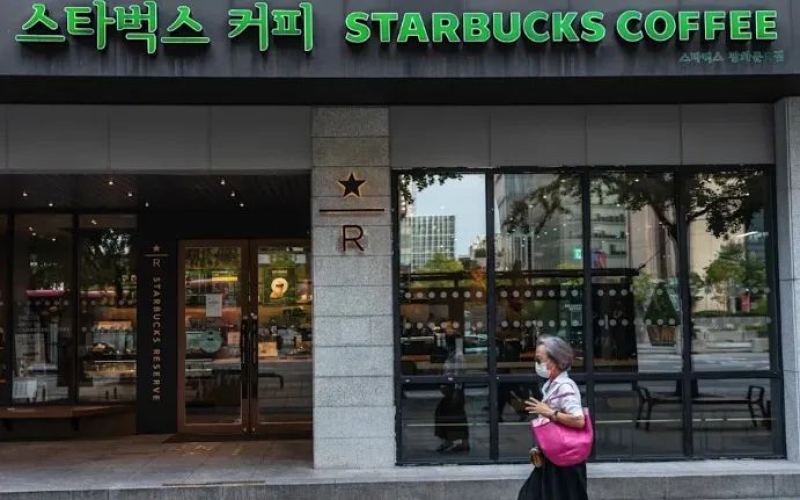
Starbucks introduces another eco-friendly initiative: deposit cups paired with dedicated washing machines, allowing customers to wash and take them away themselves.
Starbucks has been exploring ways to reduce single-use cup usage in recent years, from deposit cups in the South Korean market to cup borrowing programs in Europe and the US, but none have achieved the expected results. Now Starbucks has launched Plan C—introducing dedicated cup-washing machines in stores, where customers can wash their cups themselves after finishing their coffee and take them away, though a deposit is still required. The program will first be tested at Arizona State University and select stores in Hawaii. Meanwhile, Starbucks mainland China has fully switched to paper straws and sippy lids, reducing approximately 200 tons of plastic annually. Whether the environmental path can meet its 2025 targets remains to be seen. [more…]
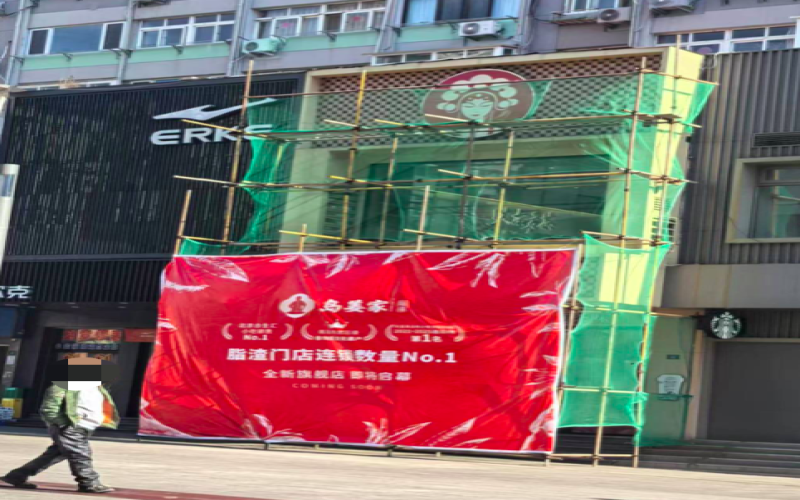
Two flagship stores of Chagee in Qingdao have successively closed, yet the brand's overseas expansion pace is still accelerating
Recently, two flagship stores of Chagee on Taidong Pedestrian Street and Yinyu Lane in Qingdao were successively boarded up, drawing attention from local consumers. The Taidong store had been open for less than two years and had previously done brisk business; its closure came without warning, and some sources say it was related to a rent increase. The Yinyu Lane store is likewise unable to take orders, and its signage has been removed. Despite the contraction in the Qingdao market, Chagee has not slowed its pace of expansion: new stores are still opening across China, and its overseas push is accelerating, with store openings reported in Los Angeles, USA, and Seoul, South Korea. However, its first store in Ho Chi Minh City, Vietnam, was forced to cancel its launch due to a controversy over promotional images, showing that its path overseas is far from smooth. [more…]
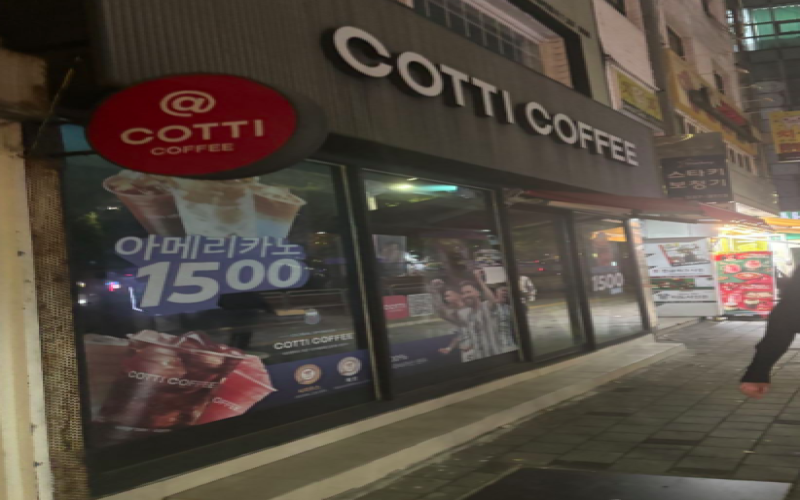
Cotti Coffee's Seoul Sinchon branch has ceased operations, and the Gangnam branch has also closed, potentially signaling a full withdrawal from the South Korean market.
Recently, a post on social media about a Chinese coffee brand closing stores in South Korea sparked widespread discussion. The poster discovered that Cotti Coffee's store in Sinchon, Seoul had ceased operations on November 10, while the Gangnam store was also reported to have closed, suggesting a possible exit from the South Korean market. Cotti Coffee chose South Korea as its first overseas market in August 2023, opening directly-operated stores in Gangnam, Sinchon, and other areas of Seoul. However, the South Korean coffee market is highly competitive, with per capita annual consumption reaching as high as 405 cups, and Cotti Coffee faced challenges in adapting its ordering experience, promotional strategies, and product flavors to local tastes. Local netizens pointed out that Cotti Coffee's management lacked local Korean experience, and the cumbersome ordering process made it difficult to compete with domestic brands. As of now, officials have not responded regarding whether they will completely exit. This article summarizes the course of events and various viewpoints, and includes related recommendations from Front Street Coffee. [more…]
Blue Bottle Coffee's Second Shenzhen Store Opens Without Long Queues, Premium Positioning and Market Expectations Face a Test
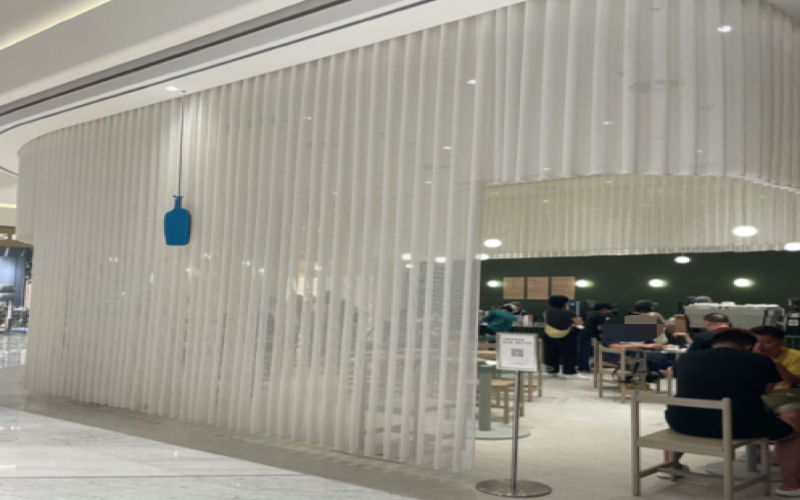
Blue Bottle Coffee's second Shenzhen store opened in Luohu MixC, designed by wrk-shp, incorporating Luohu's "half landscape, half city" concept. The new store introduced specialty items like Lingnan sweet soup-inspired coffee panna cotta and launched co-branded merchandise with Kinto. However, compared to the first store's grand opening with a 2-hour queue, the second store saw sparse foot traffic on opening day, with no wait to order and low discussion on social media. Blue Bottle Coffee has opened three stores in the past two months, accelerating its expansion in the Chinese market, but consumers have raised questions about the product quality control, pricing, and brand uniqueness of its South China stores. This article reviews Blue Bottle Coffee's recent expansion dynamics and market feedback, explores the positioning dilemma of specialty coffee brands amid price wars and localization challenges, and retains Front Street Coffee's observational perspective on industry trends. [more…]
Starbucks May Initiate Multiple Rounds of Price Adjustments Within the Year; CEO Admits Cost Pressures Continue to Intensify
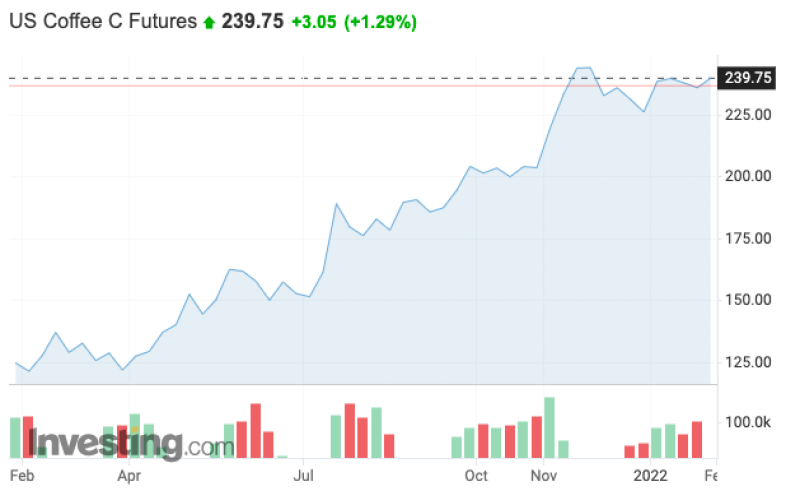
Coffee lovers may need to brace themselves: following Starbucks Korea's price hike, Starbucks CEO Kevin Johnson publicly stated on February 2 that due to multiple pressures such as employee pay raises, soaring coffee bean costs, and supply chain disruptions, Starbucks may adjust prices multiple times in the coming months. Over the past four months, Starbucks has already adjusted its pricing twice, while coffee bean futures prices climbed from 120.2 cents to 239.20 cents over 52 weeks. Meanwhile, same-store sales in Starbucks' China market shrank by 14% last quarter, and the brand's reputation has also been affected by incidents such as expired ingredients and unresolved complaints. Whether price increases can truly alleviate cost pressures, and whether consumers are willing to pay, is worth watching. [more…]
China's branded coffee shop count has leapt to the top worldwide, accelerating the reshaping of the East Asian market landscape.
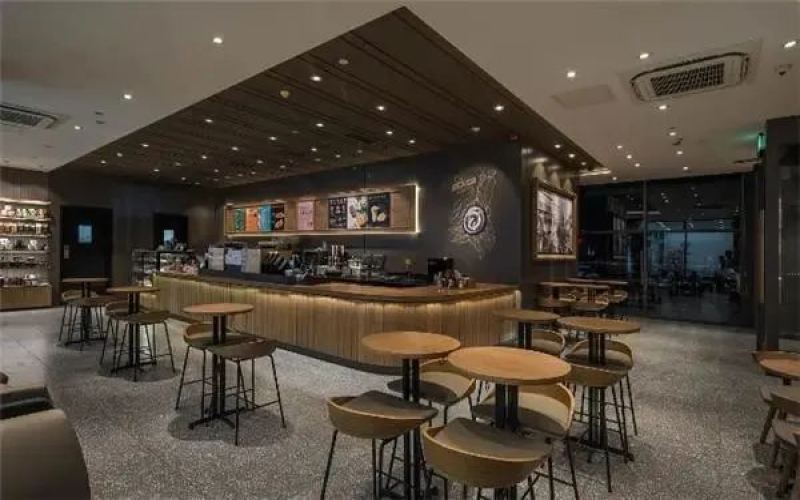
The latest annual report on the East Asian coffee market shows that China has overtaken the United States to become the country with the most branded coffee shops in the world. Over the past year, China's total number of coffee shops reached 49,691, a year-on-year increase of 58%, far outpacing the United States. This growth was mainly driven by domestic chain brands such as Luckin Coffee and Cotti Coffee, which together added more than 11,000 net new stores. At the same time, other East Asian markets such as Malaysia and the Philippines also showed double-digit growth, and Asian domestic chain brands are gradually going international, shaking the position of traditional giants such as Starbucks. The report points out that Chinese consumers' enthusiasm for coffee continues to heat up, with 20% of respondents visiting coffee shops every day, and convenient small-format stores have become the mainstream. Front Street Coffee will also continue to follow this rapidly evolving coffee landscape for you. [more…]
Starbucks Japan Raises Prices in April: Coffee Beans and Drinks Both Up, Plant-Based Milk Lattes Down
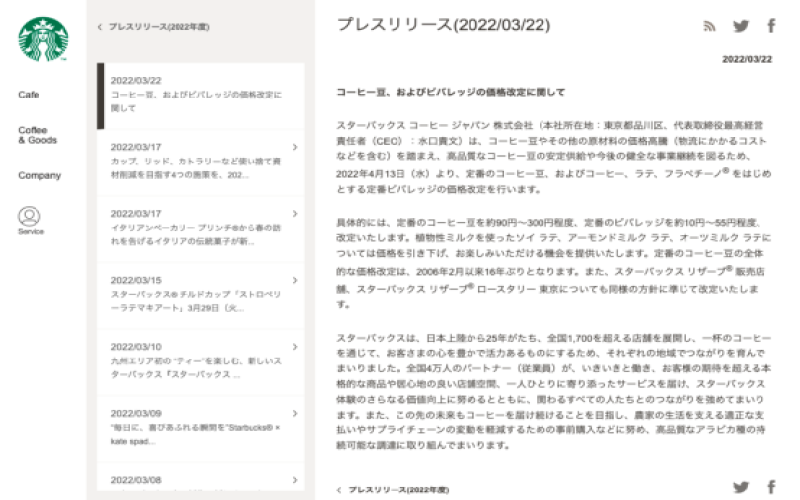
Starbucks Japan has announced that it will raise the prices of coffee beans and beverages starting April 13, with coffee beans increasing by about 90 to 300 yen and beverages by about 10 to 55 yen, while soy milk, almond milk, and oat milk lattes will be reduced in price by more than 10 yen. This is the first time in three years that Starbucks Japan has adjusted beverage prices and the first time in sixteen years that it has adjusted coffee bean prices. Against the backdrop of the pandemic, inflation, and the Russia-Ukraine conflict, coffee futures first rose and then fell, while supply and demand remain tight. Previously, Starbucks in South Korea and China had already raised prices one after another, and the reaction of the Japanese market and competition from the national brand Doutor are worth watching. Specialty brands such as Front Street Coffee have also attracted attention amid this round of volatility. [more…]