







How do cashless Starbucks stores fit into the wider coffee world?
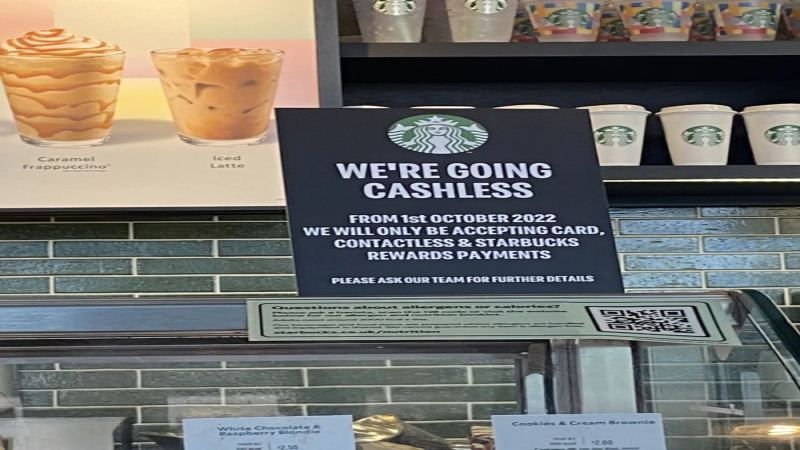
Starbucks has been expanding cashless stores across several countries since the COVID-19 pandemic pushed electronic payments forward. A Bradford, UK location posted a notice effective October 1, 2022, accepting only card, contactless, or Starbucks Rewards payment. Reactions split: some customers welcomed the speed and safety, while others objected to stores refusing cash and said they would stop visiting.
The idea is not new. Then-CEO Kevin Johnson raised it in 2020, Howard Schultz floated a cashless chain in a 2017 CNBC interview, and Starbucks tested the model in three South Korean stores in April 2018 before scaling it up that July. Rules on refusing cash differ by country; China explicitly bans merchants from rejecting RMB cash. Home brewing on a how to use coffee pot setup remains unaffected by these store policies.
After the outbreak of the COVID-19 pandemic, cashless payment methods accelerated in popularity worldwide, and Starbucks, as a coffee chain giant, has also been promoting cashless stores in many countries. From the UK to South Korea and Japan, Starbucks' cashless experiments have triggered polarized reactions among consumers. Some praise electronic payments for being convenient and safe, while others worry about the legality and inclusiveness of refusing cash. At the same time, laws on refusing cash vary from country to country, and China explicitly prohibits merchants from refusing RMB cash. This article will review the progress of Starbucks' cashless stores, consumer attitudes, and related legal controversies, while retaining relevant recommendation information for Front Street Coffee.
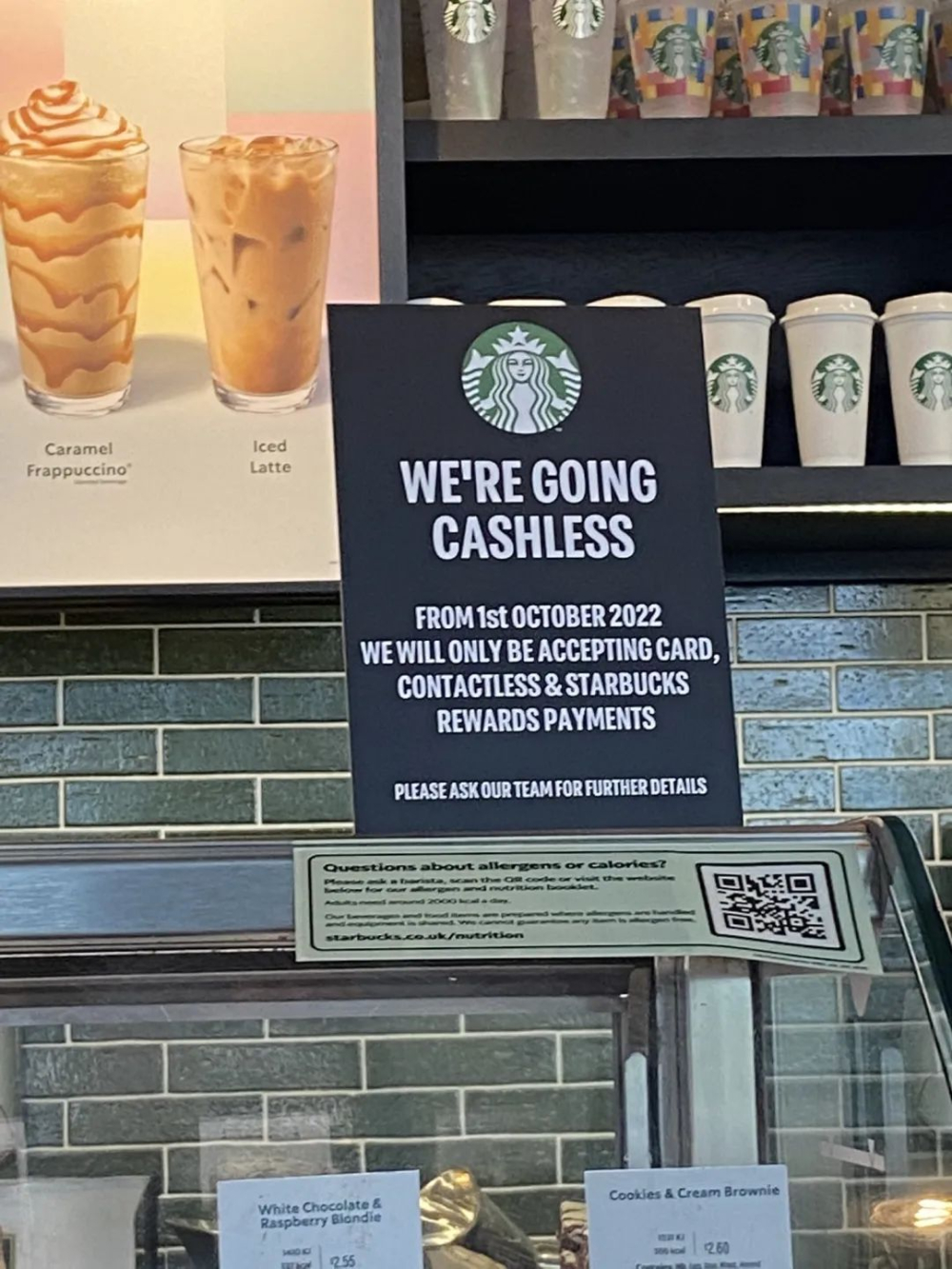
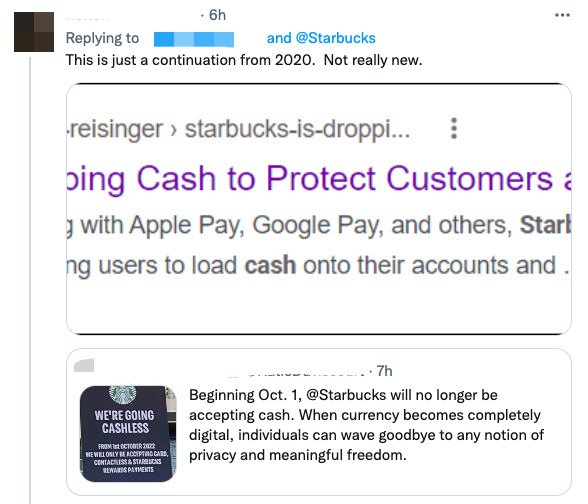
A British netizen posted a photo on social media of a notice at a local Starbucks store. The notice stated that starting October 1, 2022, the store would only support card, contactless payment, or Starbucks Rewards payment, and would no longer accept cash. This means that more and more Starbucks stores are moving away from cash payments. After the news spread, many local netizens expressed dissatisfaction.
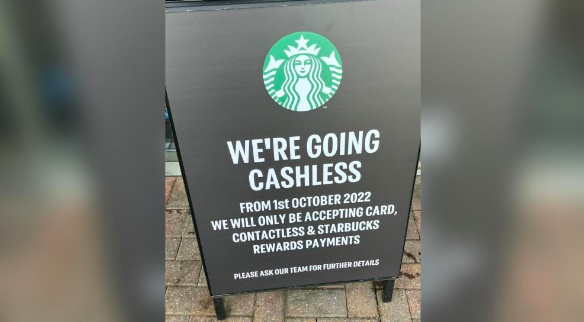
According to the British media outlet Telegraph & Argus, the same notice also appeared outside a Starbucks store in Bradford, UK. As skepticism on social media continues to heat up, cashless payment seems to be becoming a common trend in UK Starbucks stores. The media outlet has contacted Starbucks officially and is waiting for further response.
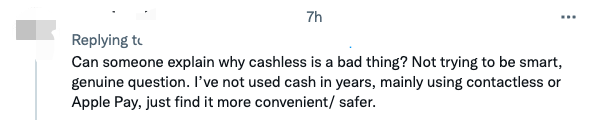
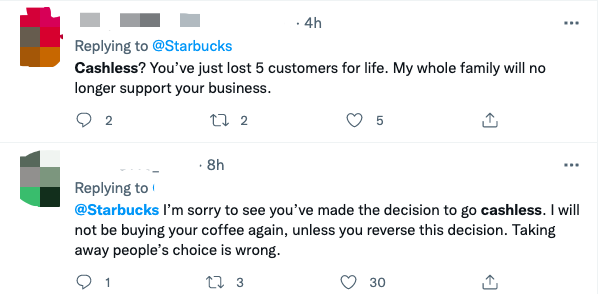
One netizen commented that they had not used cash for a long time, so Starbucks not supporting cash payments had little impact on them, and that electronic payment was actually more convenient and safe.
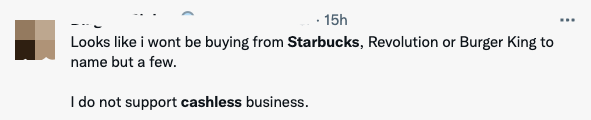
Other netizens opposed Starbucks' refusal to accept cash and said they would no longer visit any Starbucks stores.
Some netizens also pointed out that Starbucks no longer accepting cash is nothing new, as then-CEO Kevin Johnson had mentioned it as early as 2020.

In fact, in December 2017, Howard Schultz said in an interview with CNBC that Starbucks could potentially become a cashless coffee chain brand in the future.
In April 2018, Starbucks tested a cashless model in three stores in South Korea and achieved success. Starting July 16 of the same year, the cashless operating model was rolled out on a large scale across Starbucks stores nationwide in South Korea.
On July 30, 2020, the "office coffee shop" opened by Starbucks Japan became Japan's first Starbucks store to "not accept cash and use fully electronic payment."
In 2020, the COVID-19 pandemic swept the globe. To protect consumers and employees from novel coronavirus infection, then-CEO Kevin Johnson said Starbucks was planning to expand cashless payment options and predicted that mobile payment would become the main payment method.
However, stores refusing to accept cash is quite controversial. Some netizens asked: Is it not illegal for a business to refuse to accept the country's legal tender?
A British netizen shared their own experience, saying that it is not illegal for merchants to refuse cash payments.
But legal provisions differ from country to country. In August 2020, a Douyin blogger went to Starbucks to make a purchase with 4.95 kg of coins. The clerk, citing the inconvenience of storing coins, said the store's rules did not allow accepting coins. This incident sparked widespread discussion online.
According to relevant provisions of the Law of the People's Bank of China, the legal tender of the People's Republic of China is Renminbi. When Renminbi is used to pay all public and private debts within the territory of the People's Republic of China, no unit or individual may refuse it. Therefore, it is illegal for merchants to refuse cash.
In response to the incident of refusing coins, Starbucks China said: There is no rule against accepting coins, all stores have been reminded again, and it apologized for the poor experience of individual customers.
At present, there is no news indicating that Starbucks in China will follow this practice. Clearly, refusing cash in China is not legal.
Image source: Internet
For professional coffee knowledge exchange and more coffee bean information, please follow Coffee Workshop (WeChat public account: cafe_style) For more specialty coffee beans, please add the private WeChat of Front Street Coffee (FrontStreet Coffee), WeChat ID: qjcoffeex
The above content is compiled by CoffeeHunters, a coffee news website.


