







Search Results for: filtering and stirring
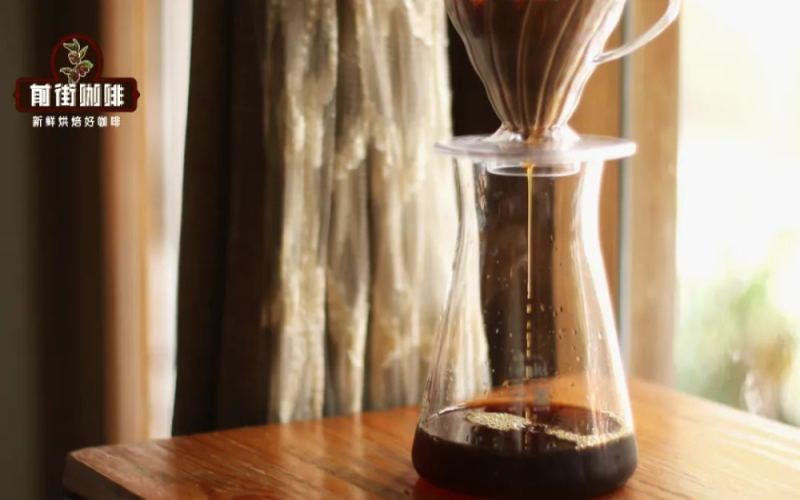
Should Cold Brew Coffee Be Filtered? A Detailed Guide to Cold Brew Equipment, Steps, and Practical Tips to Speed Up Filtration
When making cold brew coffee at home, the most frustrating step is filtering: the filter paper gets clogged by fine particles, the coffee liquid drips slower and slower, and anyone in a hurry to leave the house can only wait anxiously. Why is the filtration speed of cold brew so much slower than pour-over at the same grind size? Is there a way to get the grounds out in one step, or even skip filtering altogether? This article focuses on the filtration problems of cold brew coffee. It first explains the principle behind clogging caused by fine particles clumping together, then offers three practical solutions: cold brewing directly with a non-woven filter bag, stirring thoroughly after brewing before filtering, and first laying down a bed of coarse coffee grounds to catch the fine particles. The article also includes Front Street Coffee's comparative experiment data and grind size recommendations to help you make a cold brew coffee with full flavor and refreshing fruity acidity. [more…]

Analysis of the Causes of Slow Cold Brew Drip Filtration and Three Speed-Up Solutions
When making cold brew at home, the most frustrating part is usually the filtering stage—the coffee liquid drips slower and slower, and even after more than ten minutes it still hasn't finished filtering, with the filter paper completely clogged by fine particles. Why is the filtering speed of cold brew so much slower than pour-over at the same grind size? The main reason is that fine particles clump together and block the pores of the filter paper. Through comparative experiments, Front Street Coffee has summarized three efficient and practical cold brew filtering techniques: cold brewing directly in a non-woven filter bag, insisting on stirring before straining out the grounds, and using coarse coffee grounds as a base layer to intercept fine particles. This article breaks down the principles and operational details of each method one by one, helping coffee lovers quickly enjoy a cup of full-flavored homemade iced coffee even on a busy morning. [more…]
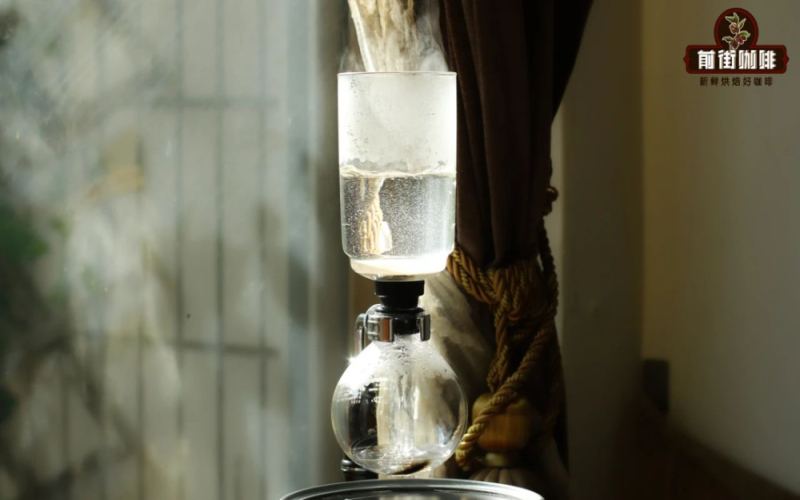
What Grind Size Is Suitable for Siphon Coffee? A Complete Guide to Coffee-to-Water Ratio, Stirring Technique, and Brewing Time
The siphon is a coffee brewing device full of retro charm. Although it is no longer commonly seen in coffee shops today, a group of loyal enthusiasts still insist on using it to make coffee. This article will start with the structure and principle of the siphon, then introduce the choice between cloth filters and paper filters, a comparison of heat sources, recommended coffee beans, and how to judge the order of adding grounds, the grind setting, the coffee-to-water ratio, the stirring method, and when to turn off the heat. It also includes Front Street Coffee’s usual complete operating procedure to help beginners get started quickly and make a cup of siphon coffee with rich aroma and a full-bodied taste. [more…]
Complete Siphon Coffee Brewing Tutorial: Apparatus Structure, Filter Media Selection, Coffee Grounds Timing, and Operational Details
The siphon pot has become a rare piece of equipment in today's specialty coffee wave, with many cafés no longer offering siphon coffee, or keeping it only as a special featured item. For those who favor this brewing method, mastering a clear set of operating logic is more practical than relying on café output. Starting from Front Street's practice, this article systematically sorts out the siphon pot's construction principles, the trade-offs between cloth filters and paper filters, the choice of heat source, the divergence between adding coffee grounds first versus later, grind size and coffee-to-water ratio, stirring techniques, and the judgment of when to turn off the heat, and includes a complete reproducible brewing process to help coffee enthusiasts consistently recreate a cup of fragrant, rich, and mellow siphon coffee in their own kitchen. [more…]
A Complete Guide to Siphon Coffee Brewing: Practical Insights from Equipment Structure to Extraction Parameters
The siphon is now a rare piece of equipment in the current specialty coffee wave; many cafés no longer offer siphon coffee, or keep it only as a special single-origin offering. But for siphon enthusiasts, outside options are limited, so it is better to do it yourself. In this article, Front Street breaks down the complete siphon coffee brewing process in plain language, starting from the upper and lower chamber structure and sealing principle, comparing the trade-offs between flannel cloth filters and round paper filters, analyzing the pros and cons of three heat sources—gas stove, light-wave stove, and alcohol lamp—and delving into the disagreement between adding coffee grounds first versus later, grind size reference, recommended coffee-to-water ratio, and the tapping and stirring technique. At the end, the article includes Front Street’s usual step-by-step operating procedure, covering all stages: pouring water, inserting the upper chamber, adding coffee grounds, stirring, and turning off the heat for drawdown. It is suitable for beginners to follow step by step. [more…]
Jamaica Blue Mountain Coffee Siphon Brewing Guide: A Complete Parameter Breakdown from Coffee Dose and Water Temperature to Stirring Rhythm
Brewing Jamaican Blue Mountain coffee with a siphon looks full of ritual, but in reality every step hides variables that affect flavor. From the coffee dose and grind size to water temperature control and stirring technique, any deviation in any step can cause this top-tier coffee to lose the cleanliness and balance it should have. This article takes Front Street Jamaican Blue Mountain coffee as an example and fully breaks down the eleven operating steps of siphon extraction, explaining in detail the recommended amount per cup, grind fineness, lower chamber heating method, timing for inserting the upper chamber, the rhythmic differences between cross and spiral stirring, and how to use a wet cloth to cool things down so the coffee liquid can return smoothly. The article also particularly points out easily overlooked details such as the fit of the filter and the distance between the stirrer and the filter cloth, and gives an intuitive sign for judging successful extraction—whether the center of the coffee bed rises like a small hill. It is suitable as a reference for coffee lovers who want to consistently reproduce Blue Mountain flavor with a siphon. [more…]
An Analysis of the Causes of Bland Siphon Coffee and a Detailed Guide to Practical Brewing Techniques
The siphon pot is no longer commonly seen in mainstream coffee shops, but its unique extraction method still attracts a group of loyal enthusiasts. When many people try to brew coffee with a siphon pot, they find that the resulting cup tastes weak and lacks complexity. The reasons behind this often involve multiple factors such as the timing of adding coffee grounds, grind size, coffee-to-water ratio, stirring technique, and the choice of heat source. Drawing on Front Street's hands-on experience, this article systematically sorts through the siphon pot's structural principles, differences in filter materials, characteristics of heat sources, the controversy over the order of adding grounds, grinding parameters, coffee-to-water ratio, and stirring methods, and includes a complete operating procedure to help readers consistently make a rich, full-bodied cup of siphon coffee at home. [more…]
Siphon Coffee Brewing Practical Guide: Structure, Principles, Operating Steps, and Suitable Coffee Bean Selection
The siphon brewer carries a strong retro appeal, and today it is no longer a regular offering in many coffee shops, appearing more often as a specialty single-item brew. However, for siphon coffee enthusiasts, if you can't get it in a shop, you just do it yourself. This article covers the structure of the siphon brewer, cloth filters and paper filters, heat sources, timing of adding grounds, grind size, coffee-to-water ratio, stirring techniques, and how to determine when to end the brew, and uses an actual brewing process as an example to explain step by step how to make a cup of coffee with rich aroma and a full-bodied mouthfeel using a siphon brewer. It will also discuss the operational differences between siphon brewing and pour-over, as well as some of Front Street Coffee's insights on using this device. [more…]
The Complete Siphon Coffee Brewing Process: An Analysis of Equipment Structure, Parameter Settings, and Key Operational Points
As a coffee brewing device full of retro charm, the siphon pot is no longer the main production method in coffee shops, yet it still retains a loyal following. This article, from the perspective of Front Street Coffee, will systematically explain the siphon pot's structural principles, filter material selection, heating source types, coffee powder addition timing, grind size, and coffee-to-water ratio, along with a complete set of operating steps. Whether you are a beginner just getting to know the siphon pot or an enthusiast hoping to refine your technique, you will find practical references here. [more…]
A Complete Guide to Siphon Coffee Brewing: From Structure and Principles to Stirring Techniques, Timing, and Grind Parameters
The siphon pot is seen in today's coffee circles as a piece of equipment full of retro character. Many cafés have long since removed it from their menus, or keep it only as a decorative specialty offering. But for those who truly love siphon coffee, if you can't get it outside, you make it yourself. This Front Street tutorial aims to explain the complete siphon coffee brewing process in the most straightforward language, covering the structure of the equipment, the choice between cloth filters and paper filters, the selection of a heat source, the timing of adding grounds, the grind size, the coffee-to-water ratio, the stirring technique, and the time to end the brew, along with the specific operating steps Front Street commonly uses, to help you make a cup of siphon coffee with a rich aroma and a full, mellow taste. [more…]
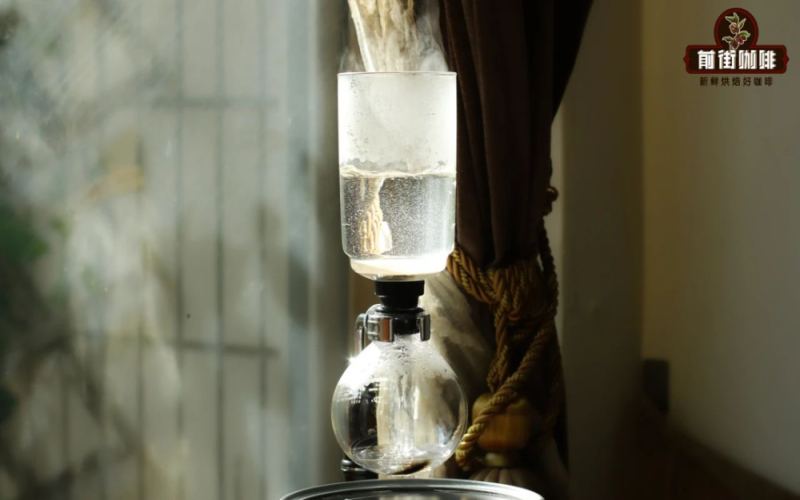
Siphon Coffee Maker Tutorial with Diagrams | Grind Size for Siphon Coffee: How Can Coffee Beginners Use a Siphon to Brew Coffee?
From today's perspective, the siphon pot is a coffee device with a strong sense of nostalgia. Many coffee shops no longer make siphon coffee, or offer it as a specialty item rather than a main product. Of course, as a siphon coffee fan, if you can't find it outside, you just make it yourself. In this article, Front Street will share about siphon coffee using language that is as simple as possible. - Hong [more…]
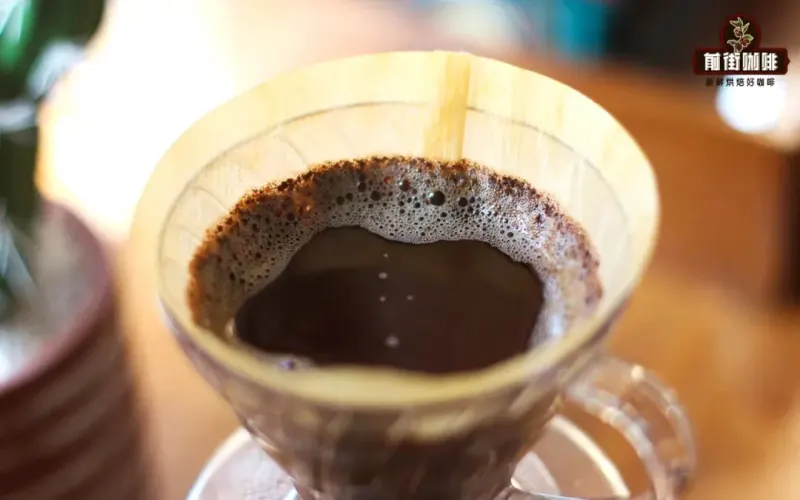
The Correct Way to Use a Showerhead Drip Filter in Pour-Over Coffee: A Detailed Guide to Flow Strength, Clogging Risks, and Stirring Techniques
For beginners, mastering the pouring technique in pour-over coffee is often difficult to stabilize, and in recent years many small辅助 brewing tools have appeared on the market. Front Street Coffee recently got its hands on a pour-over accessory called the "showerhead dripper," whose shape closely resembles a lotus seedpod and can automatically split hot water so it drips gently, thereby making extraction more even. In addition to the showerhead itself, it also comes with a stirring rod, used to make up for the drop in extraction efficiency caused by insufficient water flow impact. However, when using this kind of tool, details such as flow rate and the number of holes still need attention. This article will combine actual operation to explain in detail how to use the showerhead dripper, whether excessively strong water flow can cause clogging, and the specific key points of the stirring method. [more…]
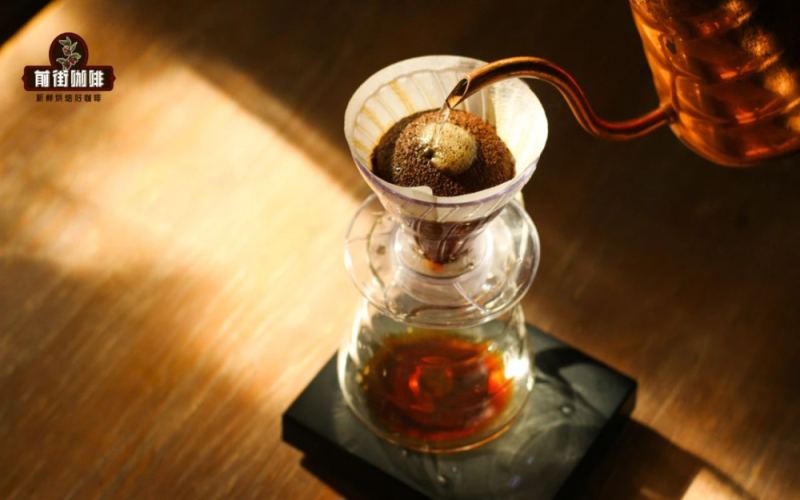
Can You Make a Latte Without an Espresso Machine? A Complete Guide to the Immersion-Style High-Concentration Coffee Extraction Method
Can you make a latte by adding milk to pour-over coffee? Of course you can, but if you simply mix milk with coffee at the strength of a regular pour-over, the result often tastes thin and weak. If you want to enjoy a rich milk coffee without an espresso machine or a moka pot, the key is to first obtain a sufficiently concentrated coffee liquid. In this article, Front Street will share a recently popular "reverse operation" — first soaking and extracting the coffee in a container, then filtering out the grounds with a paper filter, thereby obtaining a high-concentration coffee suitable for making milk coffee. The article will break down in detail the essential difference between this immersion-style extraction and regular pour-over, why making milk coffee requires high concentration, which coffee beans are suitable, and the complete operational steps from coffee-to-water ratio, grind size, stirring rhythm, to milk ratio. [more…]
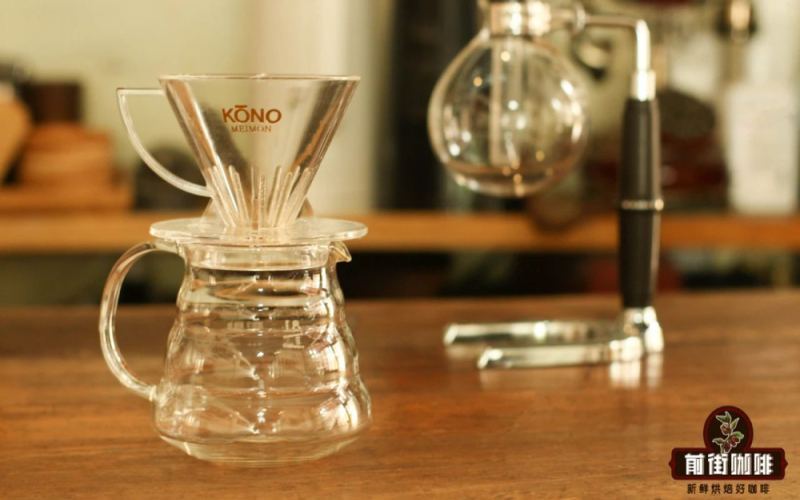
Siphon Brewing Comparison: How Stirring and Immersion Methods Affect Coffee Flavor and Extraction Rhythm
There is more than one way to extract with a siphon brewer. With the same set of equipment, switching your approach to stirring or steeping will steer the flavor in the cup in a different direction. This article starts from Front Street Coffee's brewing experiments, using the Costa Rica Canet Estate Mozart, a raisin honey-processed bean, to compare the stirring method and the steeping method. In the stirring method, a cross-shaped stir is performed 30 seconds after the coffee grounds contact the water to break the crust, the heat is removed at 56 seconds, and the total extraction time is 1 minute 8 seconds; in the steeping method, the coffee grounds are left to sit for 1 minute before the heat is removed, and the total extraction time is 1 minute 32 seconds. The two approaches each emphasize different aspects of aroma, mouthfeel, and sweet-tart expression, suiting different taste preferences. The article also covers the working principle of the siphon brewer, parameter suggestions, and key points for maintaining the cloth filter, helping coffee enthusiasts brew a cup of rich, full-bodied, aromatic coffee more consistently. [more…]
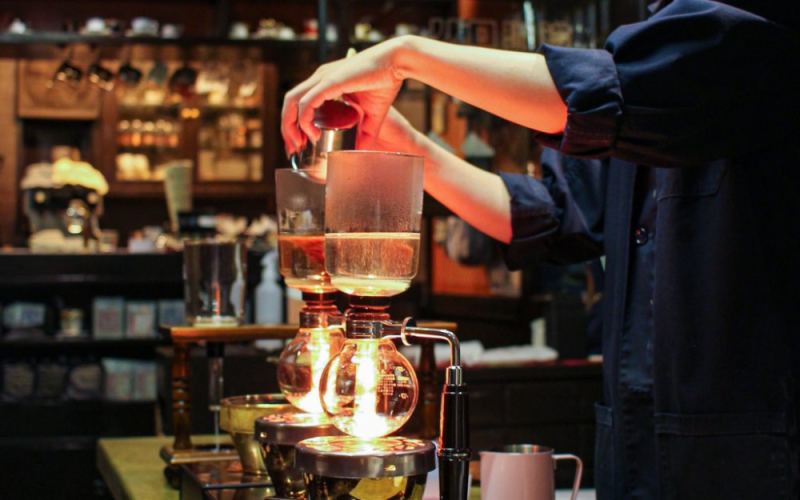
How a Siphon Works | What Makes Up the Structure of a Siphon Coffee Maker? How Do You Brew Coffee with a Siphon? What Are the Key Points for Making Siphon Coffee?
The siphon pot, with its appearance resembling laboratory equipment, is a coffee brewing tool that extracts coffee by utilizing pressure changes caused by steam and the siphon principle. It first appeared in Europe, and the trademark registration for the siphon pot was owned by a French lady, Marie Fanny Amelne Massot, exquisite [more…]
How to Brew Delicious Aeropress Coffee? A Full Breakdown of the Four Key Brewing Variables and Equipment Features
At a time when siphon and pour-over coffee are all the rage, the AeroPress, with its syringe-like shape and simple operation, is becoming a hot new trend among baristas. This device is easy to use, lightweight, and drop-resistant, so you can brew a cup anytime at home or outdoors. This article will outline the core features of the AeroPress—brewing completed in about one minute, a sediment-free cup after filtering, and hassle-free cleaning—and break down the four major factors that determine coffee quality: water temperature, stirring, time, and pressure, analyzing how each variable affects the final flavor. At the end, it also includes the AeroPress brewing parameters for Front Street 90+ Candlelight for everyone to reference and practice with. [more…]
Blue Mountain Coffee Bean Price Range and Pour-Over Steps Explained: From Market Trends to Siphon Pot Operation Guide
How much exactly does a pound of Blue Mountain coffee beans cost? On the market, prices range from a few dozen yuan to over a thousand yuan, reflecting multiple factors such as origin, grade, and tariffs. This article reviews the price trends of Blue Mountain coffee beans and compiles reference prices for coffee beans across different sales channels. It also provides a detailed introduction to Front Street Coffee's Blue Mountain brewing methods, including specific step-by-step instructions for the French press and siphon pot, helping coffee enthusiasts extract a Blue Mountain coffee with pristine flavors and rich layers at home. [more…]
Can Pour-Over Coffee Make a Latte? A Correct Reverse-Brewing Method and Key Points for Extracting Milk Coffee
Recently, a "reverse brewing" method has become popular in the coffee world—first mixing and soaking the coffee grounds and water to complete extraction, then using a paper filter and dripper to filter out the grounds, resulting in a highly concentrated coffee liquid used to make milk coffee. After being asked about this method by customers in-store, Front Street Coffee specifically sorted out the principles and operation of this approach. Strictly speaking, this is no longer "brewing" but immersion extraction, similar to a smart cup or French press. Although it cannot match the concentration of an espresso machine or moka pot, for households without pressure equipment, it is a practical alternative to satisfy a craving for milk coffee. This article will explain why making milk coffee requires high concentration, how to choose beans, and the specific extraction parameters and steps for Front Street Coffee's Strawberry Candy · Geisha Blend. [more…]
A Complete Guide to Siphon Coffee Brewing: From Equipment Structure to Hands-On Steps
The siphon pot seems quite retro in the current wave of specialty coffee, and many cafes have removed it from their regular menus, offering it only as an occasional special option. However, for coffee enthusiasts who love this brewing method, even if it is hard to find on the market, they can absolutely make it themselves. This article will start with the basic structure of the siphon pot and then sort out one by one the choice of cloth filters and paper filters, the types of heat sources, the debate over when to add the coffee grounds, the grind size setting, the coffee-to-water ratio, the stirring technique, and the timing for ending extraction. Finally, using an actual operating procedure as an example, it will fully present how a rich and mellow cup of siphon coffee is born. [more…]
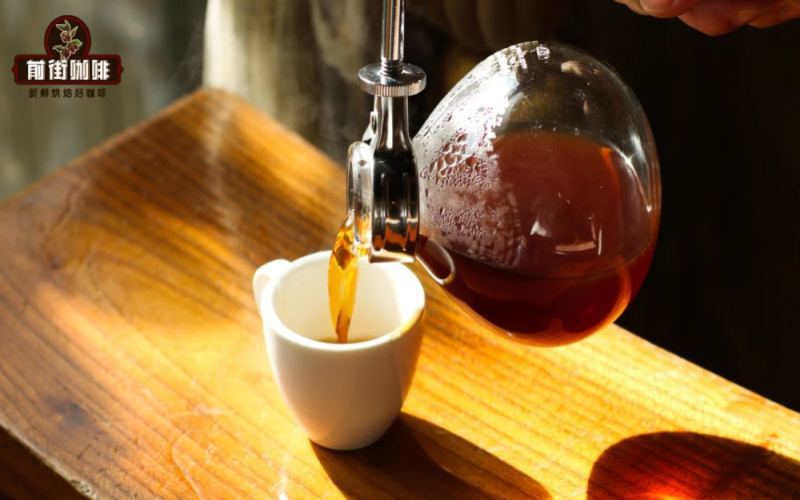
Analysis of Why Siphon Coffee Tastes Weak and What Coffee Beans to Pair for a Richer, More Aromatic Extraction
Coffee brewed with a siphon is supposed to be full of aroma and rich in body, yet sometimes it turns out flat and tasteless—the problem often lies in the operational details and bean selection. The siphon relies on a cloth filter, whose larger pores allow some fine particles to pass through, bringing a pleasant mouthfeel. This article starts with the origin and working principle of the siphon, then guides you through how to use the two techniques of stirring and immersion, paired with Front Street Costa Rica Mozart coffee beans, to brew a rich coffee woven with floral and fruity notes. It will also share practical tips on water temperature control and cloth filter maintenance to help you consistently produce a satisfying cup of siphon coffee. [more…]