







How Does Siphon Coffee Brewing Actually Work?
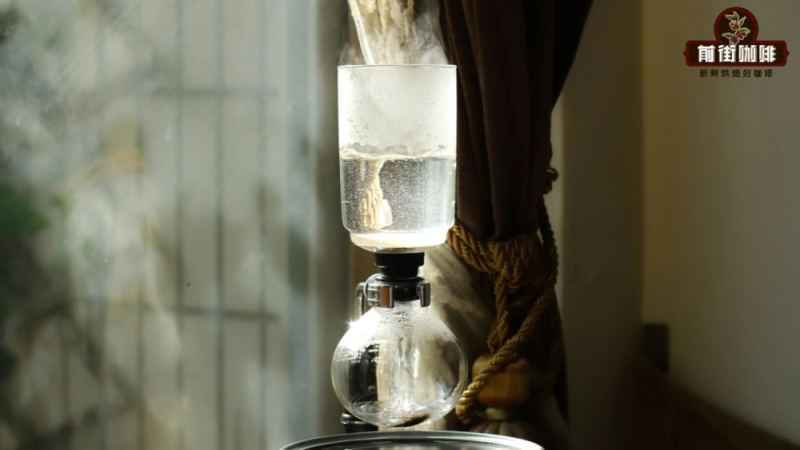
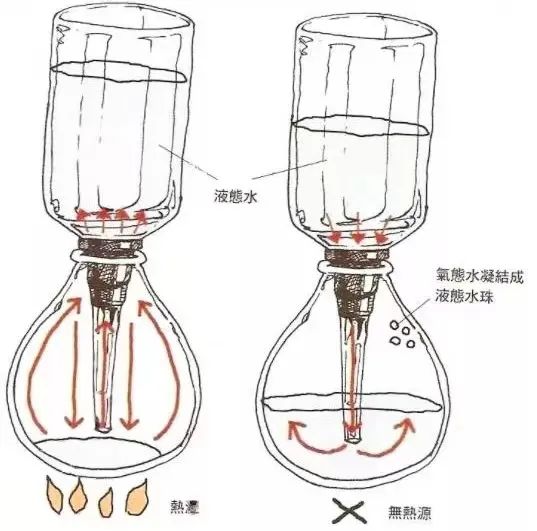
Siphon coffee brewing uses two stacked glass chambers and a heat source. Water in the lower pot is heated until it rises into the upper pot, where it meets the coffee grounds; when the heat is removed, the brewed coffee is drawn back down through a cloth or paper filter, leaving a clean, aromatic cup with a fuller body than most pour-over methods.
The variables that matter are the filter type, heat source, whether grounds go in before or after the water rises, grind size, coffee-to-water ratio, stirring method and the moment to cut the heat. A common starting point is 200 milliliters of water in the lower pot, with timing begun right after the grounds are added.
The siphon pot carries a strong retro vibe, and nowadays it is no longer a regular offering in many coffee shops, appearing more often as a specialty item. However, for enthusiasts of siphon coffee, if you can't get it at a shop, you make it yourself. This article covers the structure of the siphon pot, cloth and paper filters, heat sources, timing of adding coffee grounds, grind size, coffee-to-water ratio, stirring techniques, and how to judge when to finish, and uses an actual brewing process as an example to explain step by step how to make a cup of coffee with rich aroma and full body using a siphon pot. It also discusses the operational differences between siphon and pour-over, as well as some of Front Street's insights on using this device.
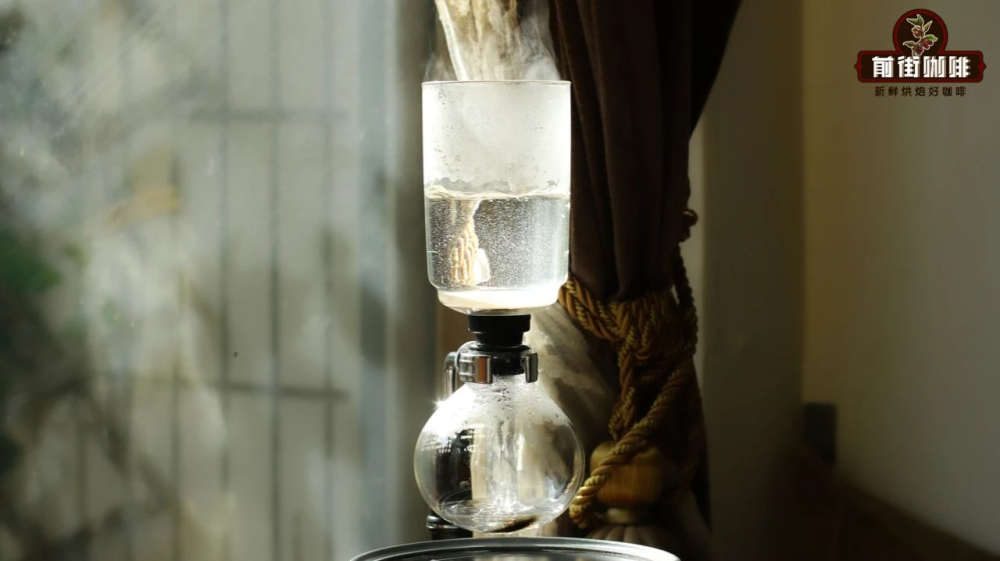
To learn more about specialty coffee, you can follow the WeChat public account: Front Street Coffee (FrontStreet Coffee) From today's perspective, the siphon pot can be considered a coffee device with a strong sense of history. Many coffee shops no longer make siphon coffee, and even if they do, it is often treated as a specialty product rather than a main offering. Of course, as a loyal fan of siphon coffee, if you can't drink it outside, then make it at home. In this article, Front Street will try to use plain and easy-to-understand language to chat with everyone about siphon coffee. -Structure of the siphon pot
-Cloth filter and paper filter
-Heat source
\n\n
-Adding coffee grounds first vs. later
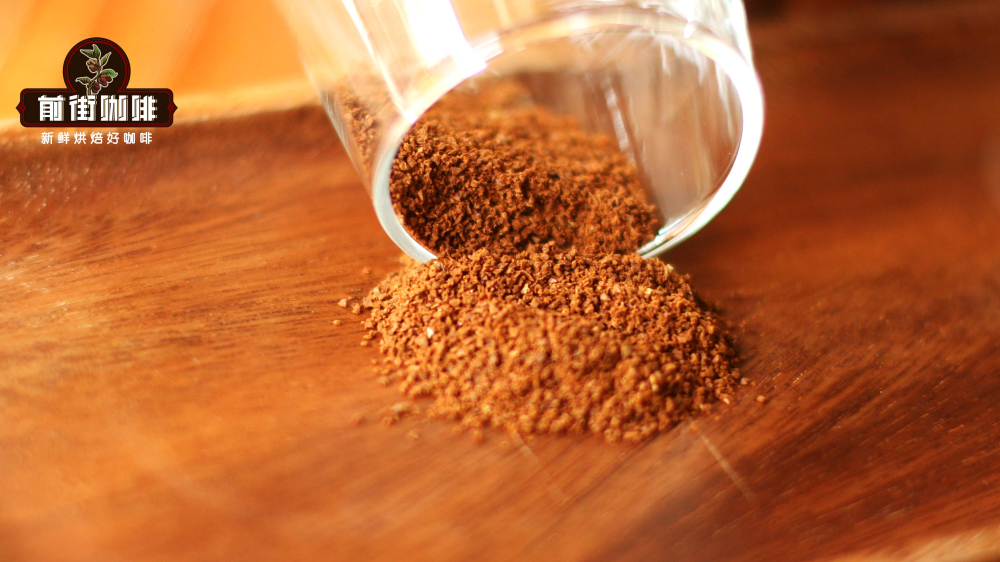
-Coffee grind size
-Coffee-to-water ratio
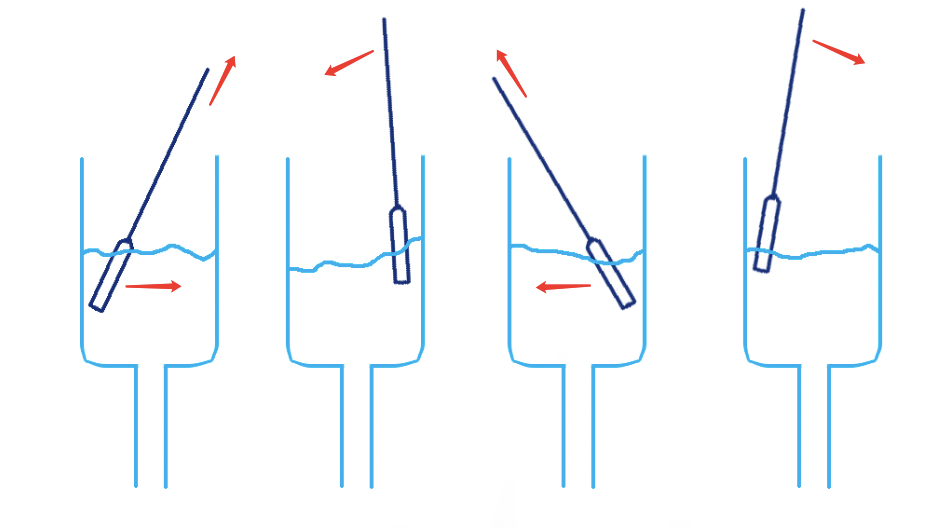
-Stirring methods There are quite a variety of stirring techniques, such as the rotational stirring method, cross stirring method, Z-shaped stirring method, infinity-shaped stirring method, and also the tapping method, etc...
\n\n
-Judging the end time
-Specific operation method Below is an example using Front Street's commonly used brewing method
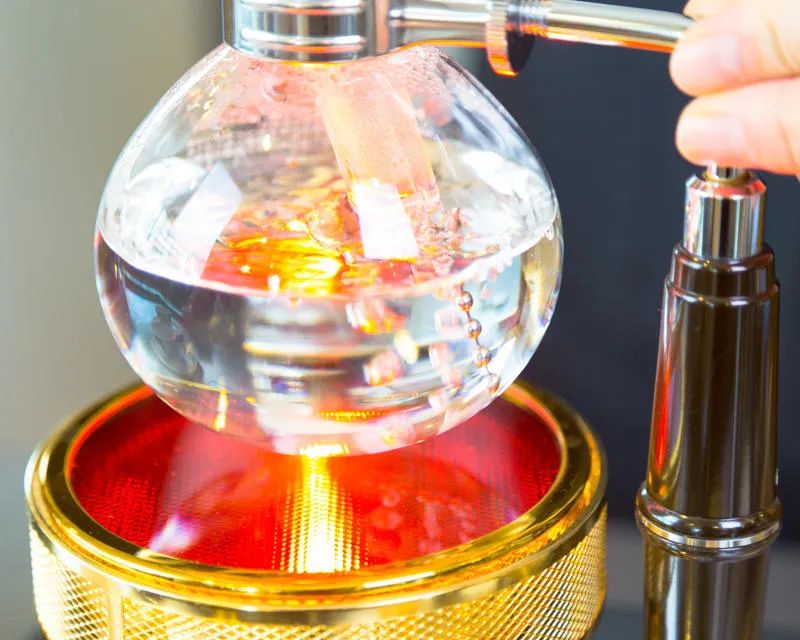
1. Pour 200 milliliters of hot water into the pot, wipe the outside of the lower pot dry, then turn on the heat source.
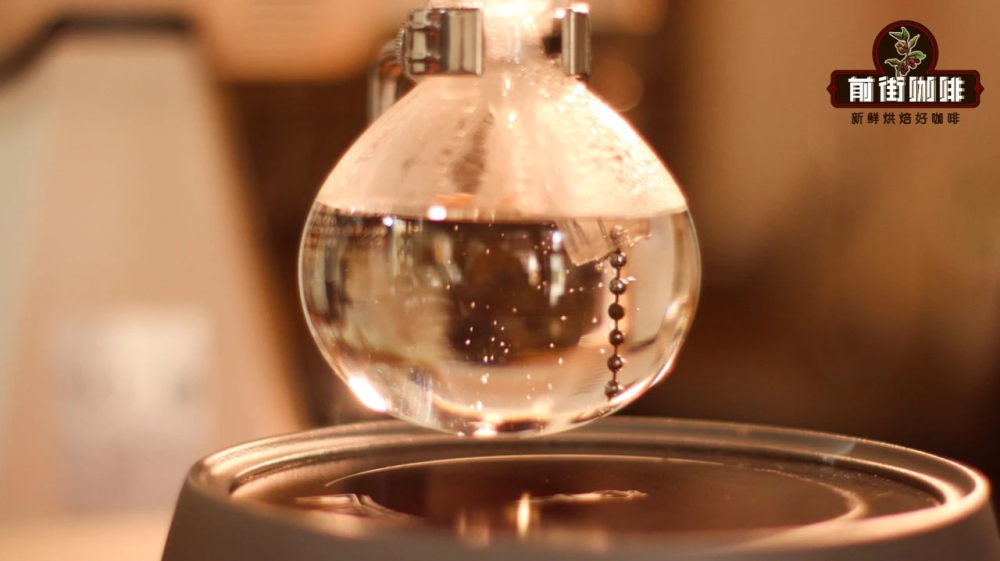
2. Insert the upper pot diagonally into the lower pot, making sure the explosion-proof bead touches the bottom of the lower pot.
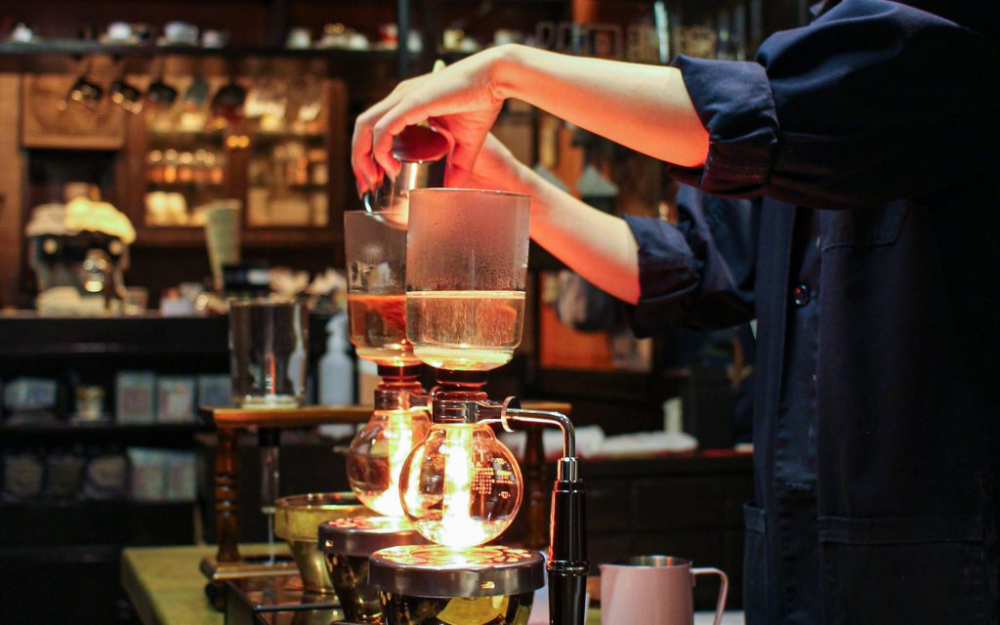
3. When the lower pot starts to continuously emit small water droplets, straighten and press the upper pot firmly. Wait for the hot water to be drawn up from the lower pot into the upper pot.
4. Add the coffee grounds and start timing at the same time. In the first stage, use a stirring rod to tap and press all the coffee grounds into the water so they absorb water evenly.
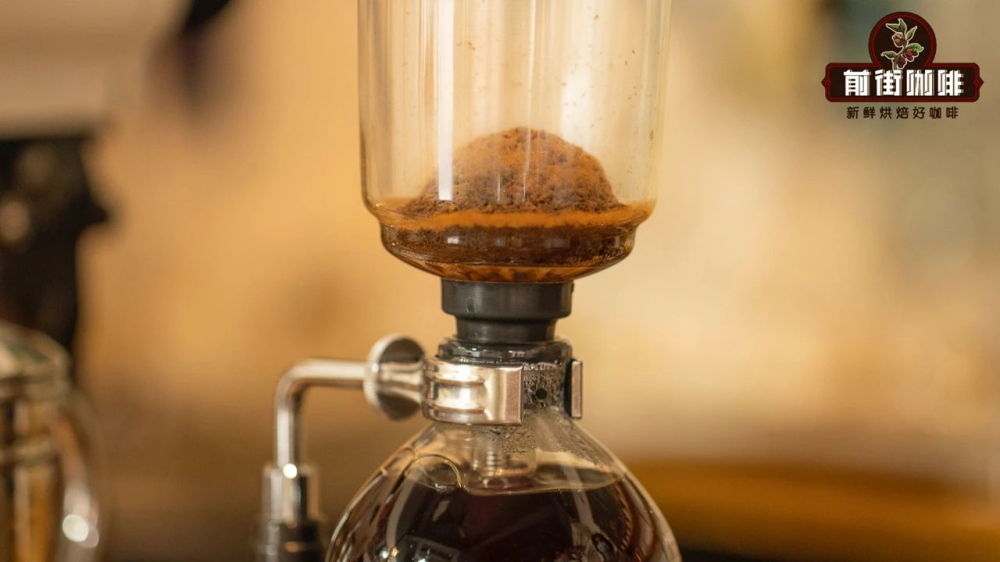
5. In the second stage, at 25 seconds, stir according to Front Street's recommended stirring method, so that the coffee clearly separates into three layers: coffee liquid, coffee grounds, and coffee foam.
6. In the third stage, at 50 seconds, stir in the same direction. At 60 seconds, remove the heat source and wait for the coffee liquid to fall back down.
\n\n

The siphon coffee brewed this way has a very rich and fragrant taste. Although it is not as clear and clean as pour-over coffee, the layer of oils floating on the surface greatly enhances the full-bodied feel of the entire cup.
In Front Street's view, compared with pour-over coffee, the siphon pot is clearly more cumbersome to operate. First, you have to prepare a heat source before brewing, and the entire extraction process does not allow for distraction. After brewing, you also need to clean immediately, washing the flannel cloth used to filter the grounds. If used in a shop with a large volume of orders, using a siphon pot for service would only be even more troublesome.
The above content is compiled by CoffeeHunters, a coffee news website.


