From today's perspective, the siphon is a coffee brewing device with a strong sense of vintage. Many coffee shops no longer make siphon coffee, or they offer it as a specialty item rather than a main product. Of course, as a siphon coffee fan, if you can't find it outside, you just make it yourself. In this article, Front Street will share about siphon coffee using the simplest language possible.
-The Structure of the Siphon
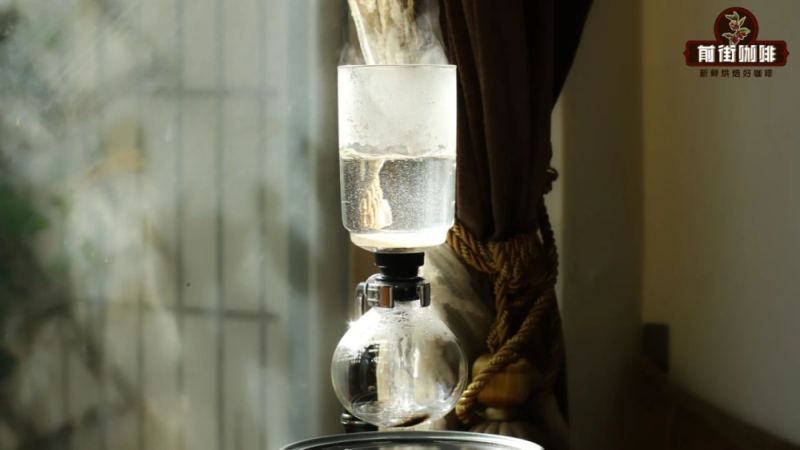
The overall structure of a siphon can be divided into the upper chamber, the lower chamber, and a stand. The stand connects to the lower chamber and serves to secure and support it. The lower chamber is roughly spherical, so that heat is distributed evenly when it is heated. The upper chamber is cylindrical, with a narrowed bottom that extends into a slender tube, and a rubber gasket is fitted at the narrowed section.
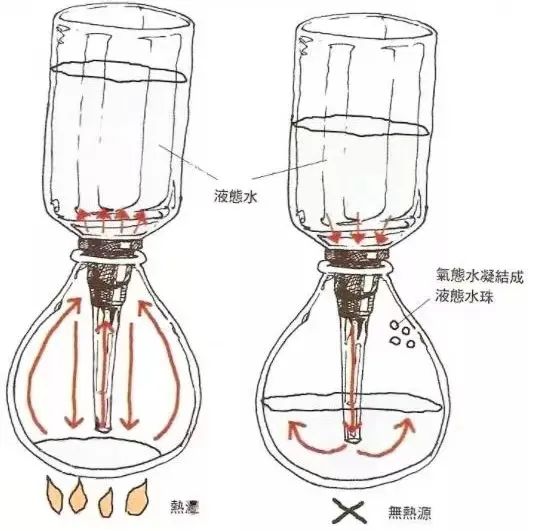
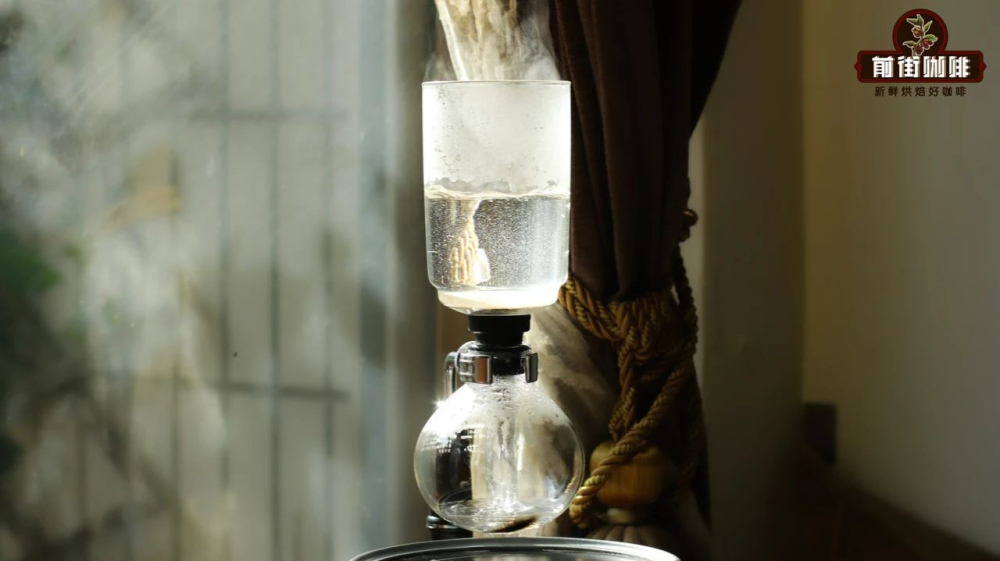
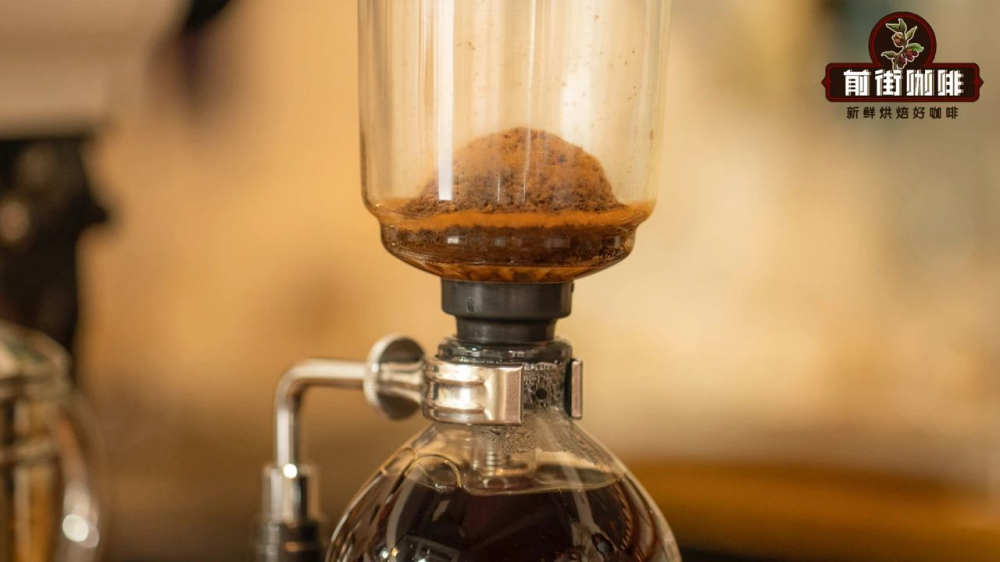
When the upper chamber is placed on top of the lower chamber, the rubber gasket creates a seal. At this point, when the lower chamber is heated, the water heats up and produces steam, creating pressure in the lower chamber that pushes the water up into the upper chamber. The upper chamber is where the coffee grounds come into contact with the water. When the heat source is removed, the coffee liquid returns to the lower chamber, and the siphon coffee is complete.
-Cloth Filters and Paper Filters
We don't want to drink a mouthful of coffee grounds, so we need a filtering device to separate out the grounds. The commonly used options are flannel cloth filters and round paper filters. Flannel is a more traditional siphon filter material. Its characteristic is that it preserves the oils in the coffee; its drawback is that it is more troublesome to use and to wash.Paper filters are a newer type of filter material. Their characteristic is that they filter more cleanly, blocking out even fine particles (including but not limited to oils). If you are only drinking it yourself, you won't be brewing coffee very frequently, so Front Street suggests choosing flannel, as this allows you to experience the taste of siphon coffee more completely.
-Heat Source
The commonly used heat sources today are gas stoves, halogen cookers, and alcohol lamps. Both gas stoves and halogen cookers can adjust the size of the heat source, and the temperature rises relatively quickly and steadily. The only downside is that the cost is slightly higher. Alcohol lamps are low-cost, but the heat source is unstable and the heating time will be longer.
Front Street believes that all of these heat sources can make very good coffee; the key is to adapt to the heating characteristics and make appropriate adjustments. Still, if conditions allow, go with a gas stove or a halogen cooker.-Adding Coffee First vs. Adding Coffee Later
There are two schools of thought regarding when to add the coffee grounds when brewing siphon coffee. The traditional camp chooses to add the coffee first. The latter group believes that if you add the coffee first, some of the coffee will come into contact with the water during its rise, causing some of the coffee to "sneak out" early, which can result in uneven extraction. Therefore, they insist on adding the coffee only after all the water has risen into the upper chamber. This is the same debate as in pour-over coffee: whether to start the timer before pouring water or start the timer at the same time as pouring.
Front Street believes that for beginners, choosing the "add coffee later" method is more reliable. This way, there are fewer unstable factors than with adding coffee first.

-Coffee Grounds Grind Size
The grind size for siphon coffee is somewhat finer than for pour-over. Based on Front Street's measurements, the grind size is approximately 90% passing through a No. 20 sieve. When using the EK43s grinder used in our shop, the corresponding setting is 9. If using a C40 hand grinder, the setting is 20.

-Coffee-to-Water Ratio
Generally, the coffee-to-water ratio for making siphon coffee is between 1:10 and 1:12. Most people use a 1:12 ratio. If brewing a single serving at home, you might as well use Front Street's usual parameters: 18 grams of coffee grounds and 200 milliliters of water.-Stirring Method
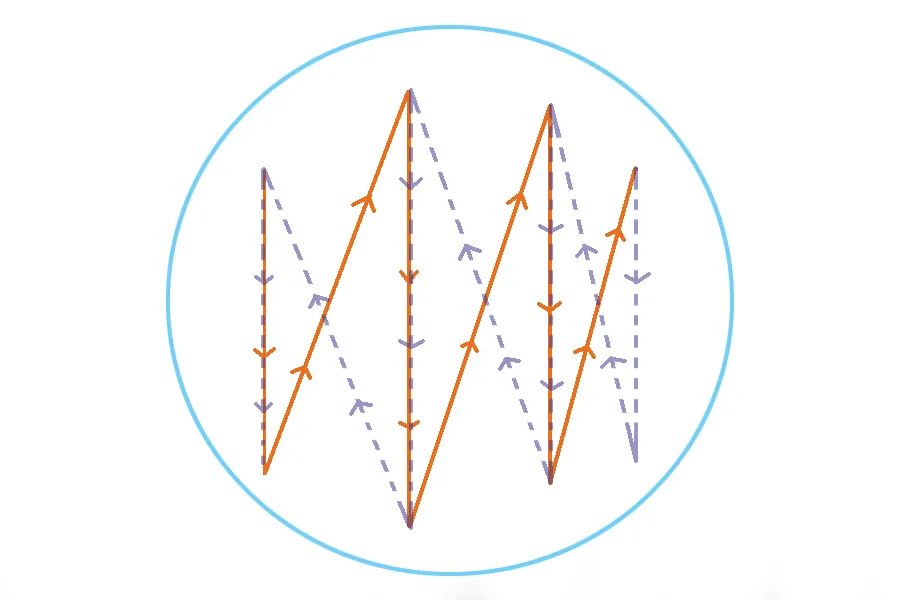
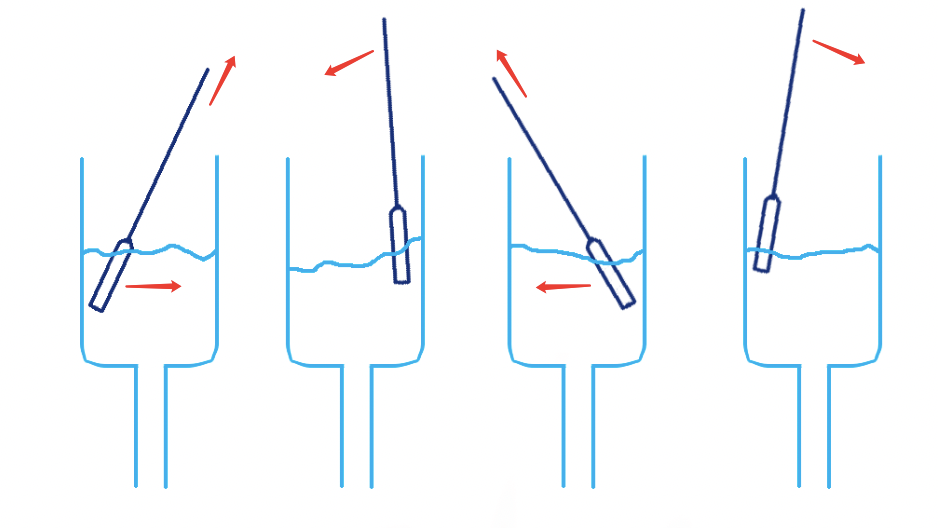
There are many stirring methods: the rotational stirring method, the cross stirring method, the Z-shaped stirring method, the ∞-shaped stirring method, and the patting method, among others...
Front Street suggests using the patting technique for the initial stir, patting the coffee grounds layer along the path shown in the diagram below. The stirring rod pivots at the center, with both ends moving back and forth in an alternating offset pattern.
This method is not the only one, but Front Street considers it relatively easy to control and easy to pick up.
-Determining When to Stop
As for when to turn off the heat for siphon coffee, some people like to judge by smelling the coffee's aroma. This places a great demand on one's basic skills and is hard to describe in words. So Front Street recommends that beginners use the timing method. If using the "add coffee later" method, start the timer when you add the coffee. If adding coffee first, start the timer when you are about to wave the stirring rod. The time to turn off the heat source is roughly within 50-70 seconds.
-The Specific Procedure
Using Front Street's usual brewing as an example:
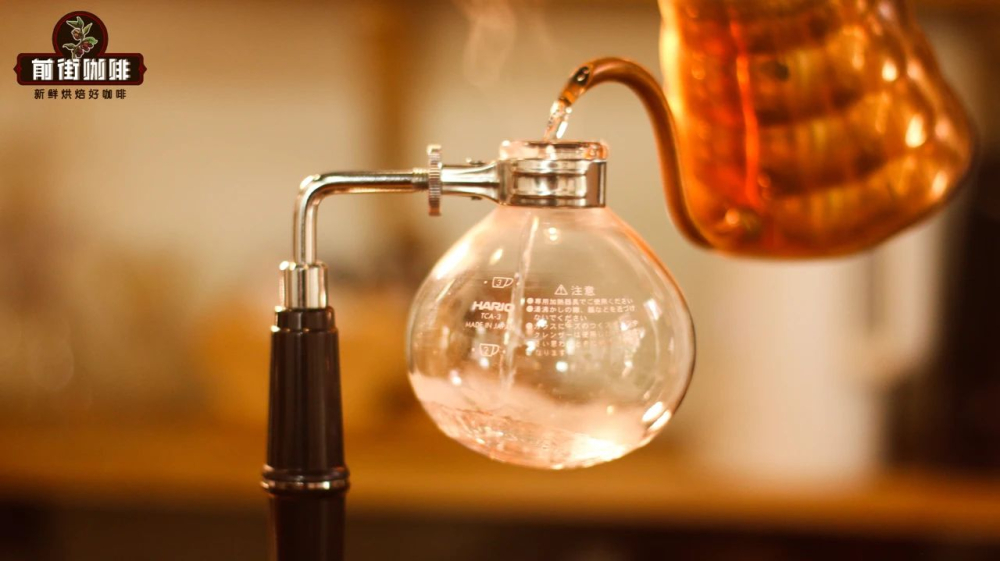
1. Pour in 200 milliliters of hot water, wipe the lower chamber dry, and turn on the heat source.

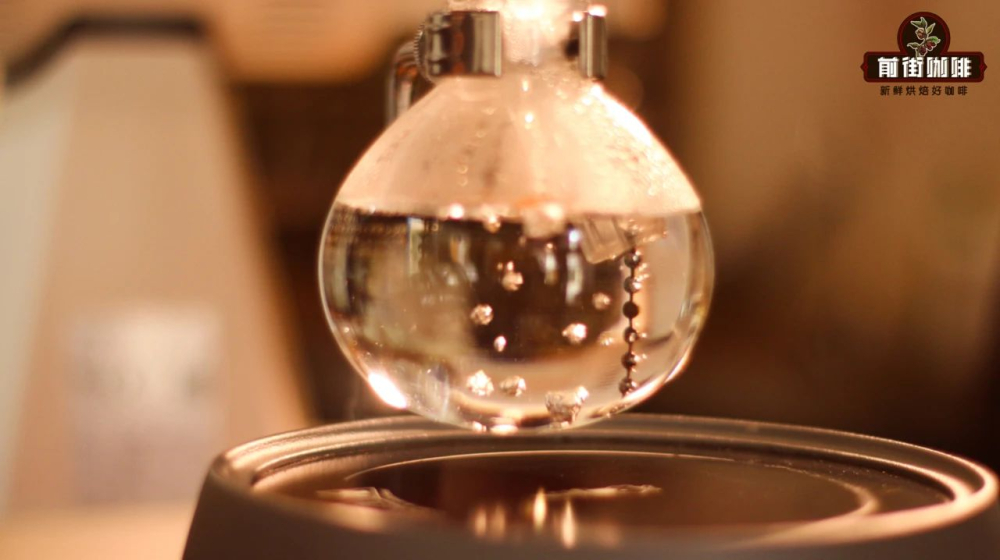
2. Insert the upper chamber into the lower chamber at an angle, making sure the anti-explosion bead touches the bottom of the lower chamber.

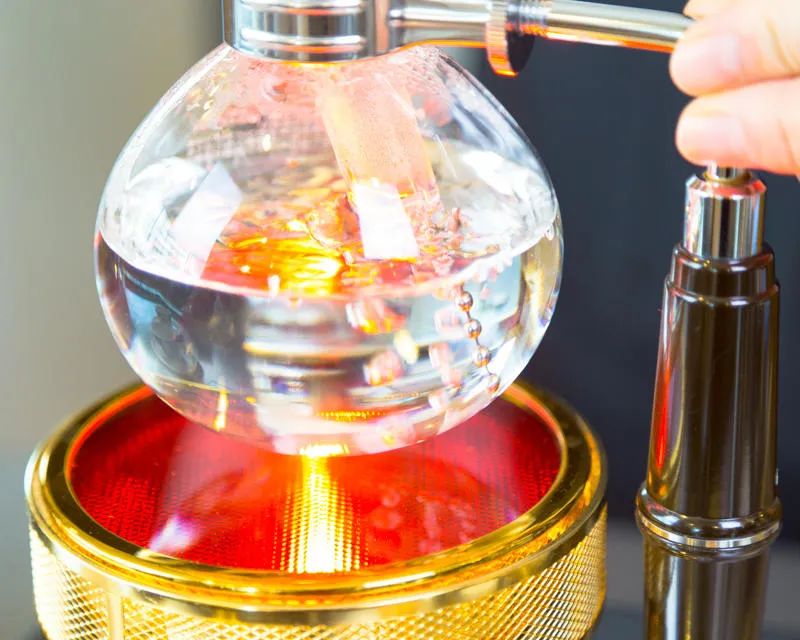
3. When continuous small droplets appear in the lower chamber, straighten the upper chamber and press it firmly. Wait for the water in the lower chamber to be drawn up into the upper chamber.
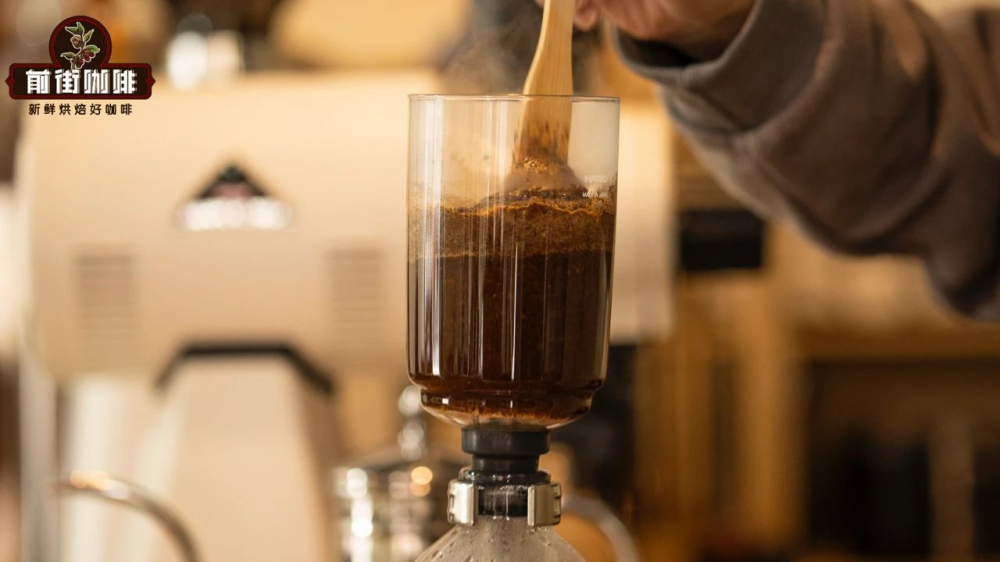
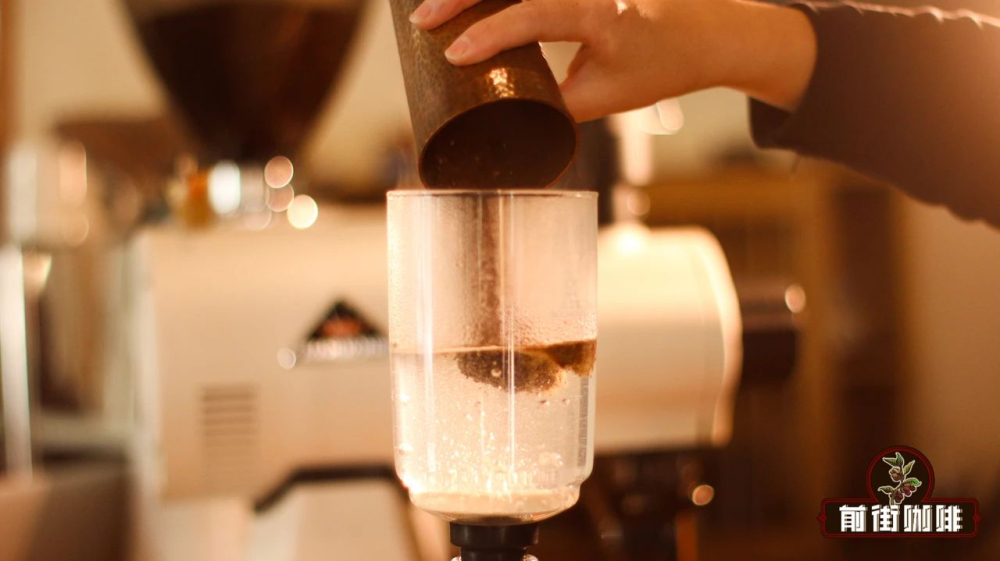
4. Pour in the coffee grounds and start the timer. In the first stage, use the stirring rod to pat the coffee grounds down into the water so they absorb water evenly.
5. In the second stage, at 25 seconds, begin stirring using the method Front Street recommends, so that the coffee clearly separates into three layers: coffee liquid, coffee grounds, and coffee foam.

6. In the final stage, at 50 seconds, begin stirring in a single direction. At 60 seconds, remove the heat source and wait for the coffee liquid to drop back down.
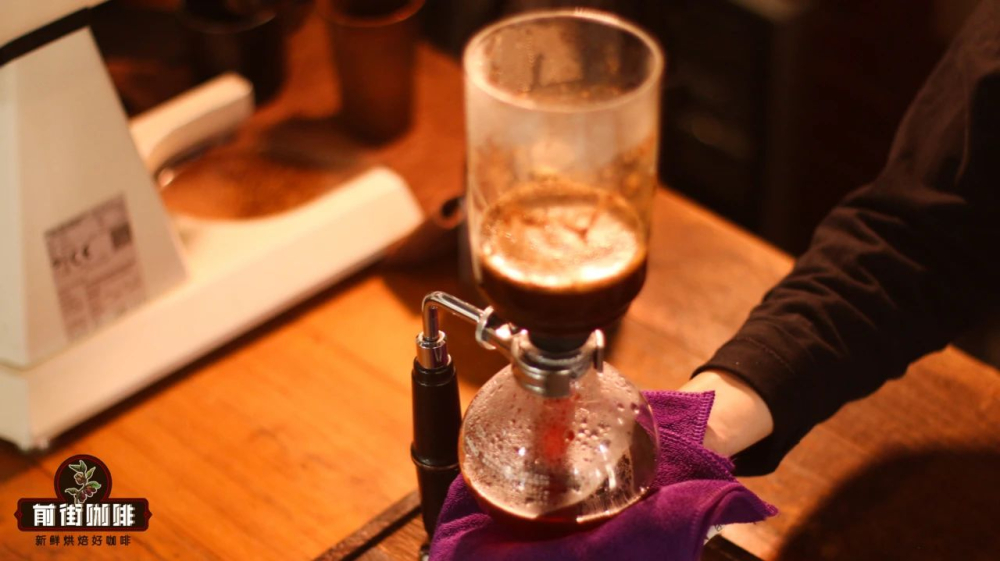

The siphon coffee made this way is very fragrant and rich. Although it is not as transparent and clean as pour-over coffee, the oils floating on its surface add a great deal of body.
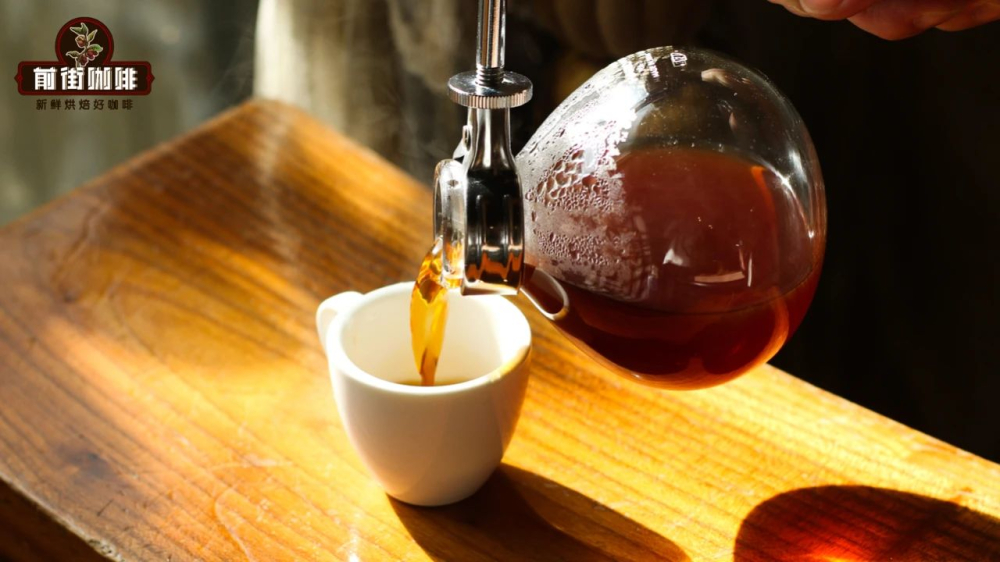
In Front Street's view, compared to pour-over coffee, using a siphon is noticeably more troublesome. First, you need a heat source before brewing, and you cannot be distracted throughout the entire extraction process. After brewing, you also need to clean up promptly, washing the flannel used for filtering the grounds. In a shop with high volume, siphon production would only be even more troublesome.
The above content is compiled by CoffeeHunters, a coffee news website.