







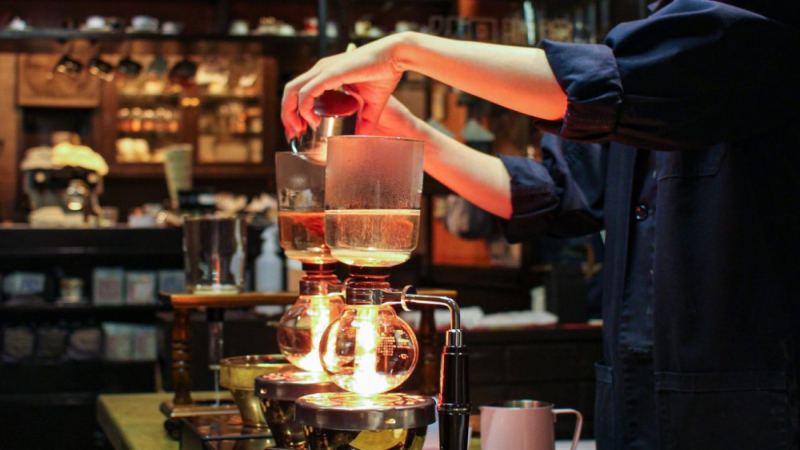
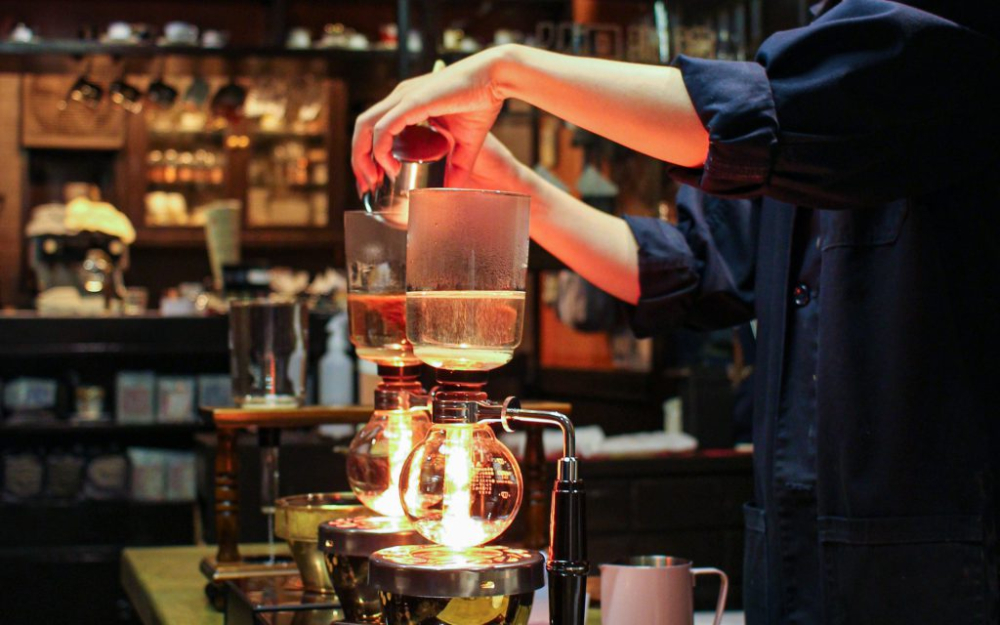
The siphon brewer, with its laboratory-equipment-like appearance, is a coffee brewing tool that uses pressure changes created by steam and the siphon principle to extract coffee. It first appeared in Europe, and the trademark registration of the siphon brewer was owned by a French lady, Marie Fanny Amelne Massot. Its exquisite spherical design marked the siphon brewer's classic status and it has been widely used and enjoyed by coffee enthusiasts around the world. Today, Front Street will start with the extraction principle of siphon coffee and introduce this magical coffee extraction device.
Introduction to the Siphon Brewer
The siphon brewer gets its name from the siphon principle it uses, achieving extraction through the pressure difference caused by temperature changes!
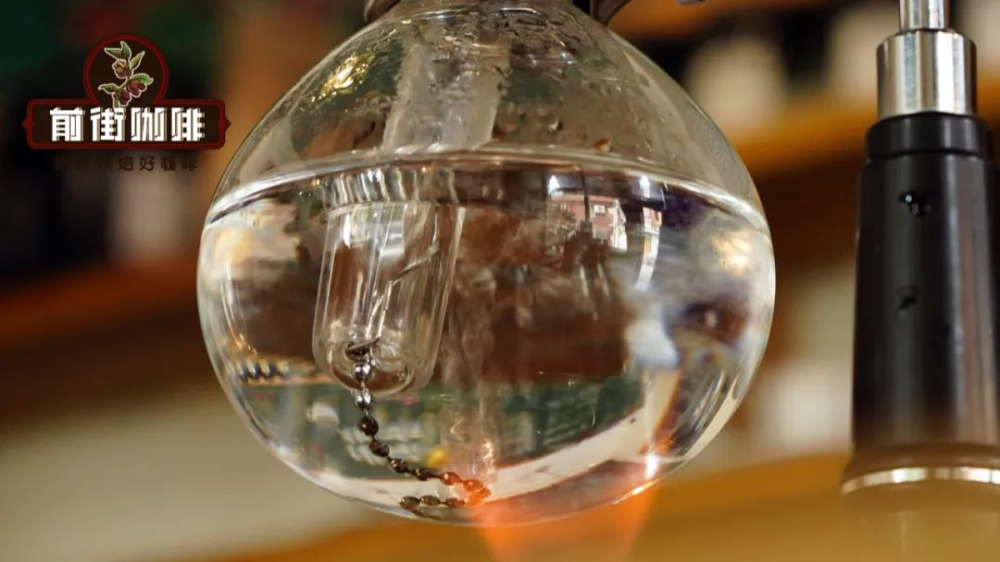
The English name of the siphon brewer is "SIPHON," so it is also called a siphon pot. It uses the thermal expansion and contraction caused by water vapor after heating to push hot water from the lower pot up into the upper chamber to merge with coffee grounds. When the temperature drops, the water flows back through the vacuum tube into the lower pot, thereby obtaining coffee liquid. Because coffee extracted by the siphon brewer has a round and balanced character, it is recommended to choose coffee beans such as Front Street Bird of Paradise, Front Street Diamond Mountain, Front Street Geisha Village Chaka, Front Street Blue Mountain No. 1, and Front Street Queen's Estate. Front Street has tried siphon coffee made with them, and both the aroma and mouthfeel are excellent.

Structure of the Siphon Brewer
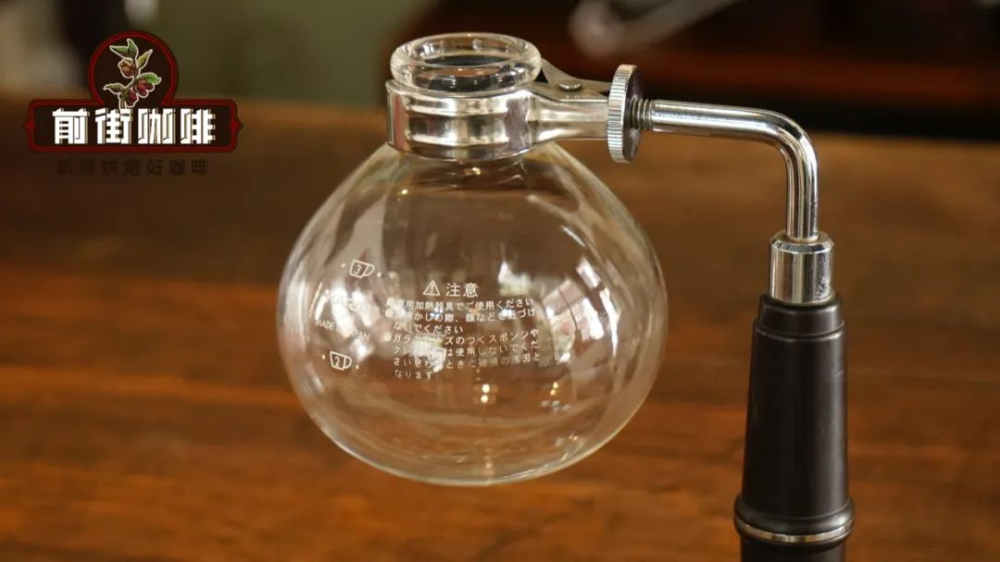
Appearance and Construction:
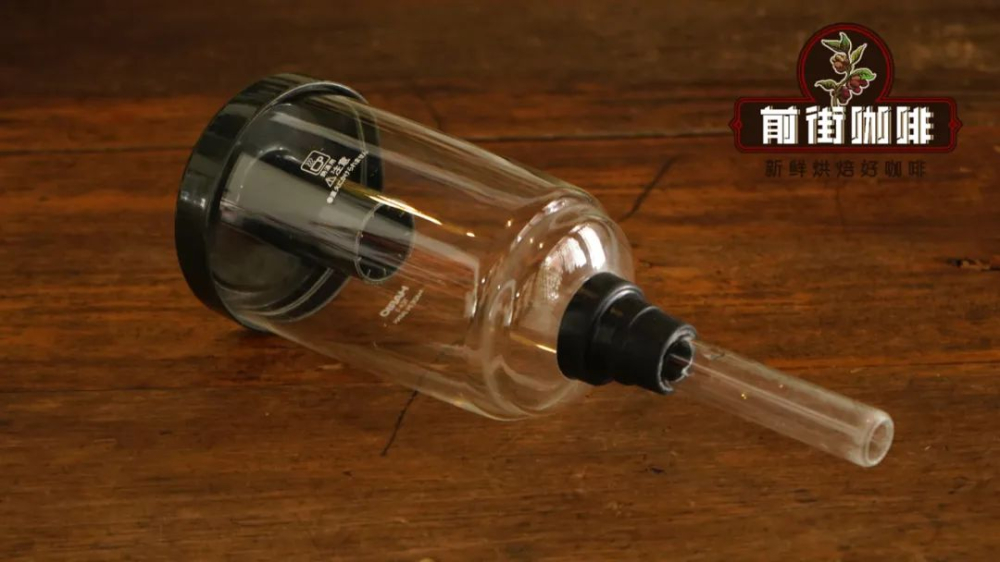
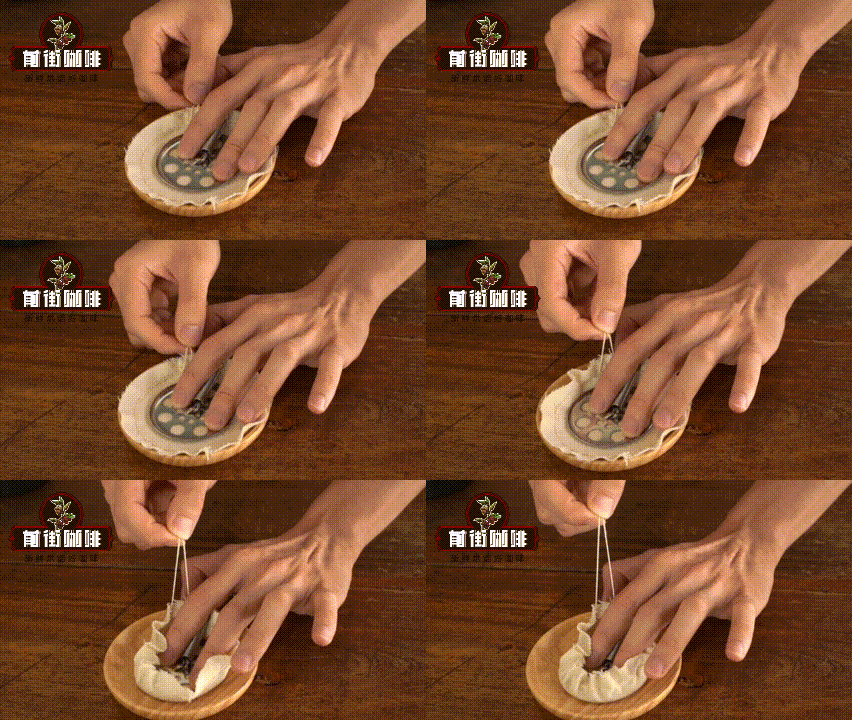
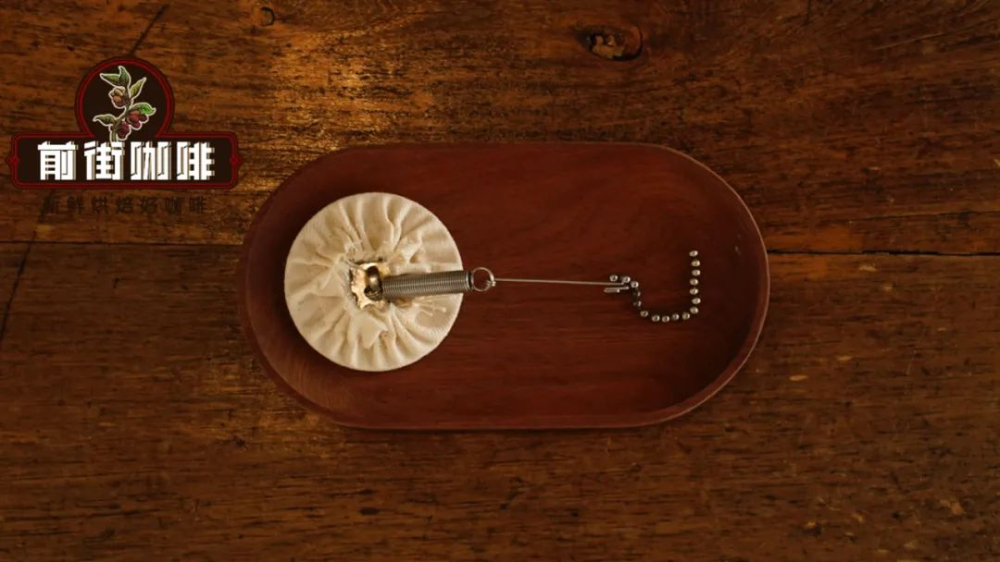
Heat Source:
The heat source for the siphon brewer is not limited. It can be an open-flame gas stove, a safe halogen cooker, or an alcohol lamp with a scientific feel. It all depends on what you want to use, and the result is the same—it can provide heat!
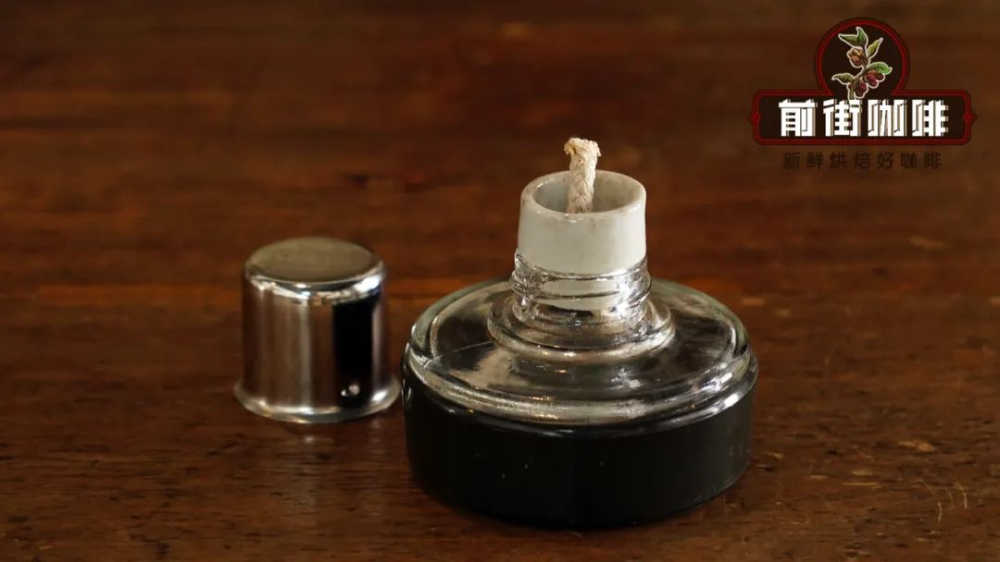
Coffee Grounds Grind Size:
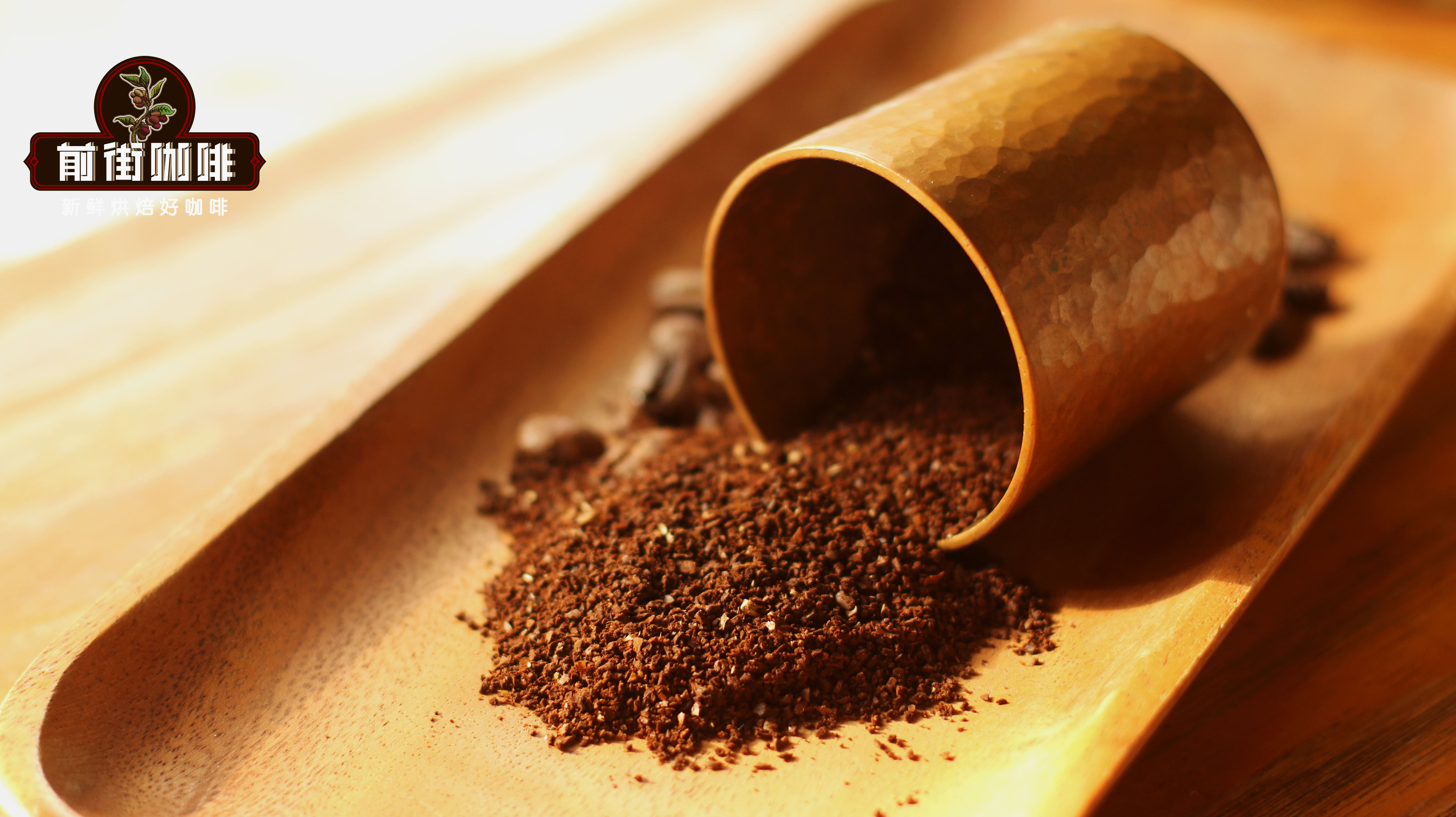
Front Street has previously measured the grind level for siphon coffee. It is slightly finer than pour-over, with a 90% passing rate through a No. 20 sieve. (Conventional pour-over uses a passing rate of 80–85%.)
The coffee-to-water ratio for making siphon coffee is usually in the range of 1:10 to 1:12. Many people prefer to use a ratio of 1:12, while Front Street's usual parameter is 1:11, using 20 g of coffee grounds and 220 ml of water.
Timing for Adding Coffee Grounds:
The timing for adding coffee grounds is one of the controversial aspects of the siphon brewer: should the grounds be added first, or should you wait until the water has risen completely from the lower pot before adding them? The traditional school chooses the former, as adding the grounds first gives a fuller flavor. Most people believe, however, that adding the grounds first can easily lead to uneven extraction, because when the water level rises, it first contacts a small portion of the grounds at the bottom of the vessel. By the time the water has fully risen and before stirring has even begun, this small portion of grounds has already been extracted.
Therefore, many people choose to add the coffee grounds after the water level has fully risen. Front Street believes that for beginners, adding the grounds afterward is a good choice, as it reduces unstable factors.

Stirring Methods:
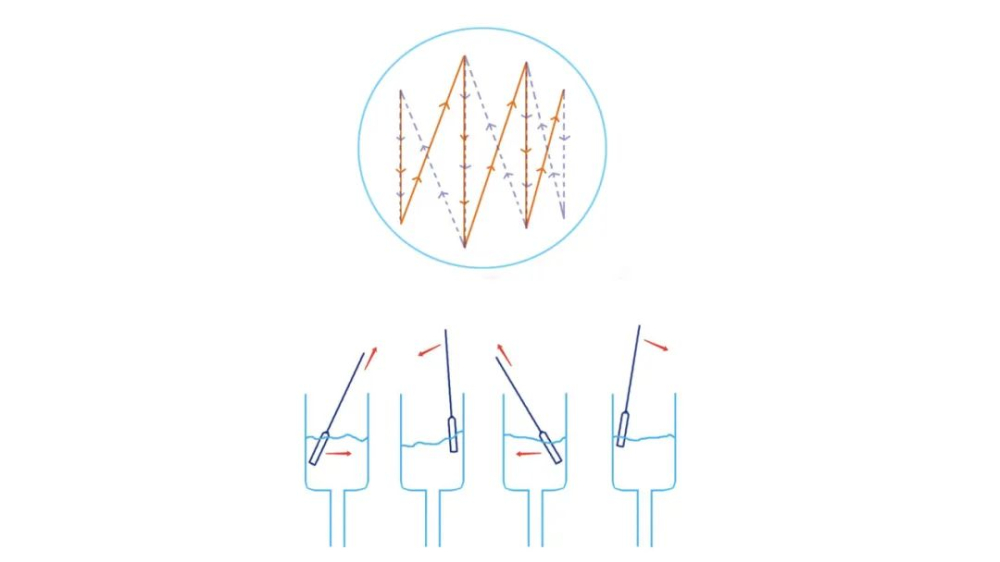
There will be three stirs throughout the process: when the coffee grounds enter the water, when half the soaking time has passed, and before turning off the heat at the end. There are many stirring methods: the cross stirring method, the Z-shaped stirring method, the ∞-shaped stirring method, the rotational stirring method, the tapping method, and so on! The method is not the only way, but for beginners who have just started and do not yet have much stirring experience, Front Street recommends the tapping method! It is easy to control and easy to learn. You can tap the coffee grounds layer along the trajectory shown in the diagram below, using the center as the pivot point for the stirring rod while keeping both ends offset and moving back and forth.
Determining When to Stop:
As for when to turn off the heat for siphon coffee, some people like to judge by the aroma the coffee produces, but this is too great a test of personal skill, so Front Street recommends that beginners use timing instead. If adding the grounds first, start timing when stirring begins. If adding the grounds afterward, start timing when the grounds are added. The heat source should be turned off at around 50–70 seconds.
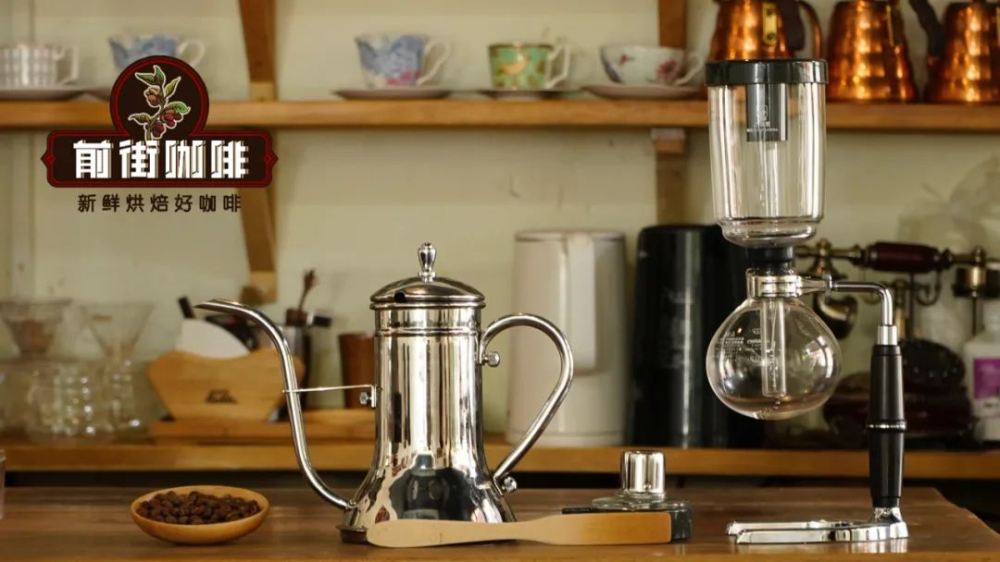
Step 1: Set up the lower pot and alcohol lamp, and install the hook of the upper pot filter cloth in advance (place the filter device into the upper pot and pull the hook out from below the tube to hang it at the end of the tube).
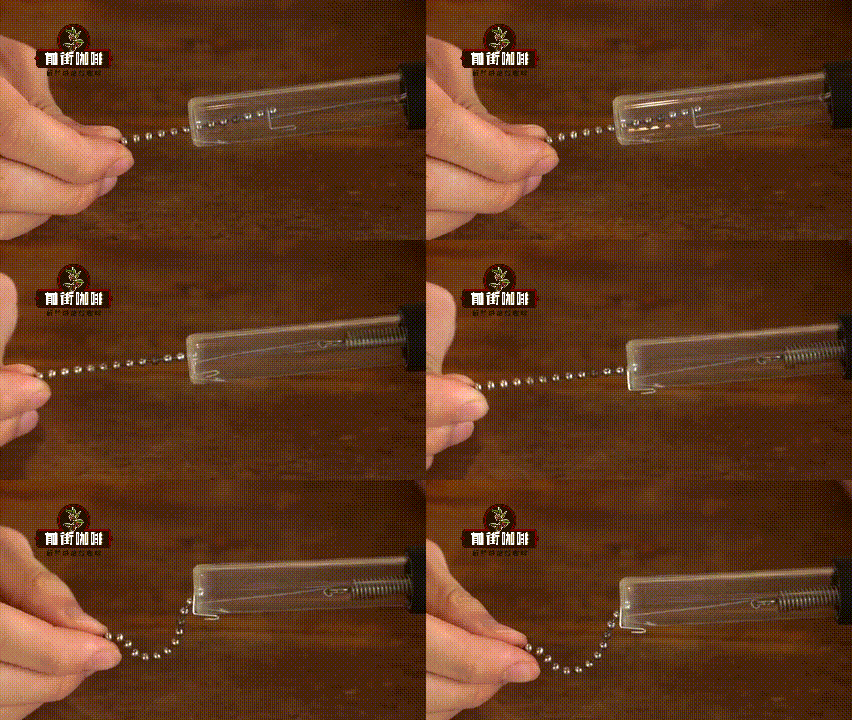
Step 2: Pour in 220 ml of hot water.

Step 3: Wipe the lower pot dry and turn on the heat source (wiping the lower pot dry prevents it from cracking during heating).
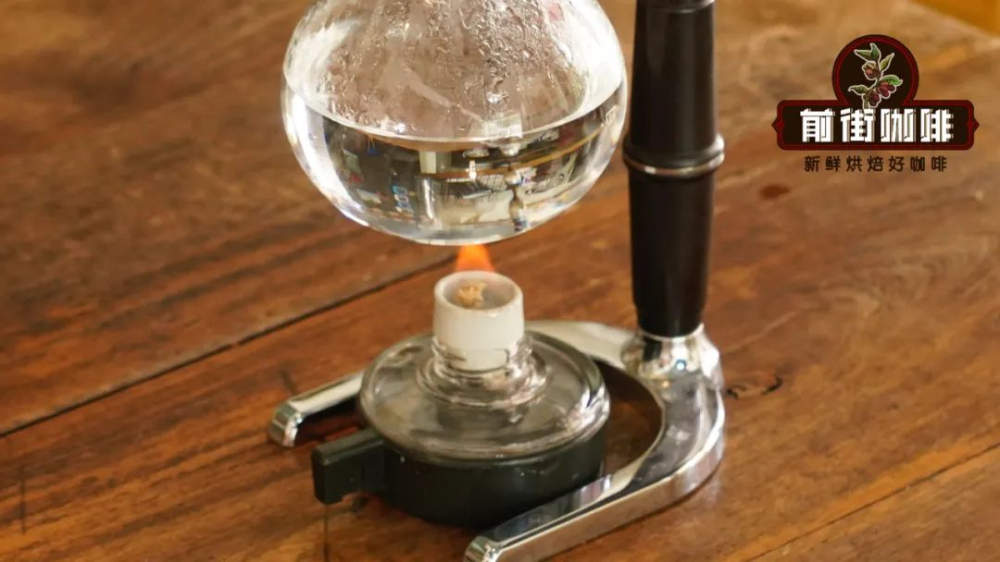
Step 4: Insert the upper pot diagonally into the lower pot, making sure the anti-explosion bead touches the bottom of the lower pot.
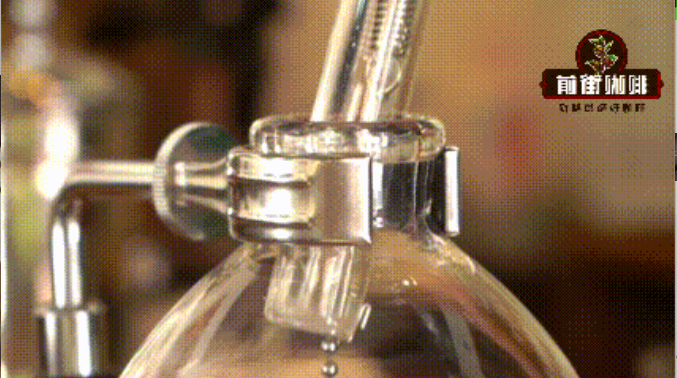
Step 5: When the lower pot begins to boil and droplets appear, straighten the upper pot and press it firmly, then wait for the water in the lower pot to be drawn up into the upper pot.
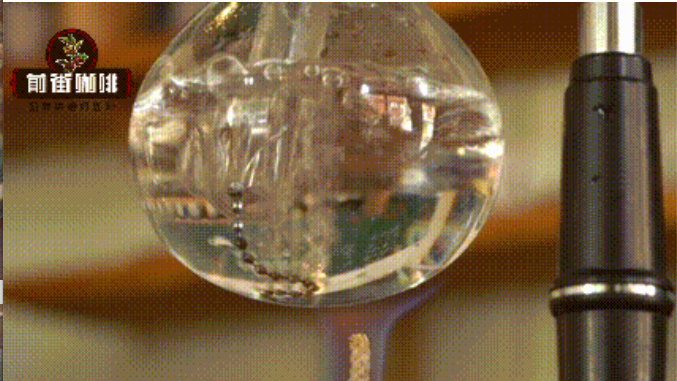
Step 6: When the upper pot stops drawing up water, add the coffee grounds and start timing. For the first stage, use the tapping method to press the coffee grounds into the water and begin even extraction.
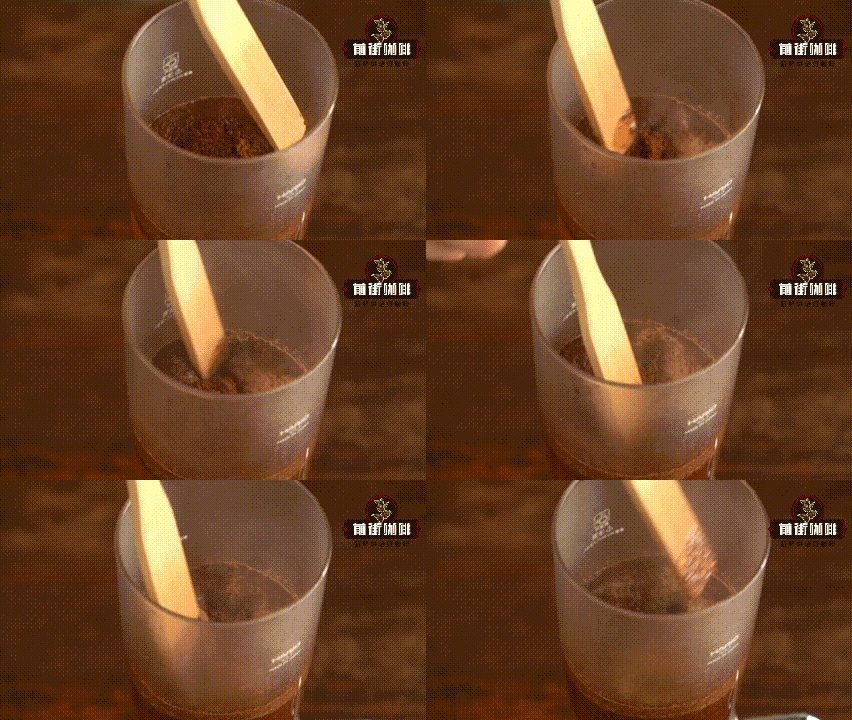
Step 7: For the second stage, at 25 seconds, begin using the stirring method recommended by Front Street to shake evenly, so that the coffee can clearly separate into three layers: coffee foam, coffee liquid, and coffee grounds.

Step 8: For the final stage, at 50 seconds, stir clockwise. At 60 seconds, remove the heat source and wait for the coffee liquid to flow back into the lower pot. (After removing the heat source, wiping the lower pot with a dry cloth can speed up the return flow.)
The above content is compiled by CoffeeHunters, a coffee news website.


