







Search Results for: filter cup stacking
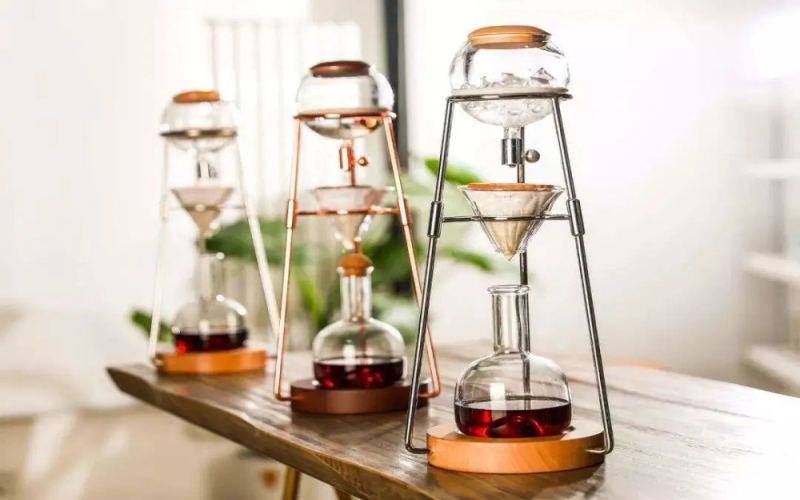
Home-made Cold Brew Coffee: A Complete Guide to Simple Equipment and DIY Methods
On a scorching summer day, a glass of cold brew coffee is a favorite for many coffee lovers. Traditional cold brew towers are not cheap, yet they are often used infrequently, so netizens have started to brainstorm and build all kinds of "DIY cold brew" contraptions using everyday items like filter cups, drip bags, and mineral water bottles. This article rounds up several of the most representative simple home cold brew setups: from stacking filter cups, to converting drip coffee bags, to combining moxibustion racks with plant-watering nozzles—each one showcases the creativity and dedication of coffee enthusiasts. Although these homemade devices are not as precise as professional cold brew towers, they make up for it with low cost, plenty of fun, and the joy of drinking iced coffee you extracted yourself. If you'd also like to try cold brew at home, you might as well take inspiration from these ideas and use the objects around you to start a low-temperature extraction experiment. [more…]
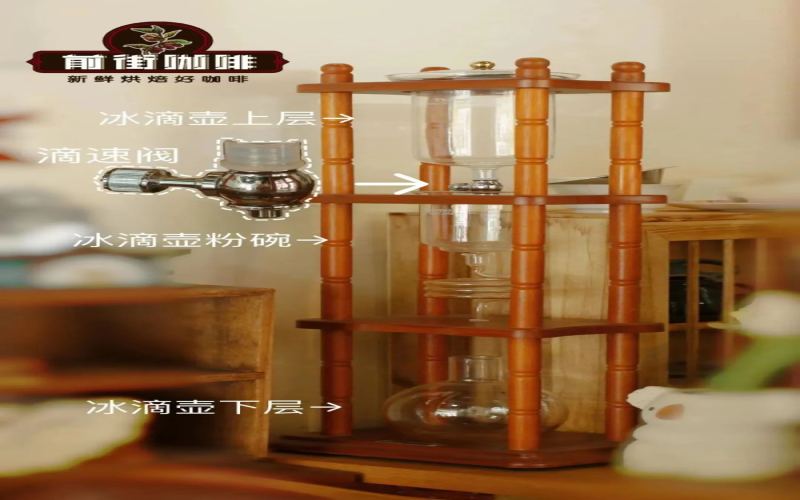
A Detailed Guide to Cold Brew Coffee Making: From Equipment Structure to Coffee Bean Selection, Master Cold Brew Techniques at Once
The ice drip pot has a unique shape, and its stacked layers often make people mistakenly think they have walked into a laboratory. Many customers who come to Front Street are curious about this set of equipment and want to replicate the store's signature ice drip at home. This article will systematically explain the structure and usage of the ice drip coffee pot, including key parameters such as grind size setting, coffee-to-water ratio, and valve flow rate control, and will share a production example using Costa Rica Mozart coffee beans from the Front Street store. In addition, the article also discusses the idea of choosing beans for ice drip coffee, offering specific coffee bean recommendations one by one according to four categories: tropical fruit fermented type, refreshing and clean type, sweet and mellow type, and flavor blend type, to help readers find the ice drip solution that best suits them. [more…]
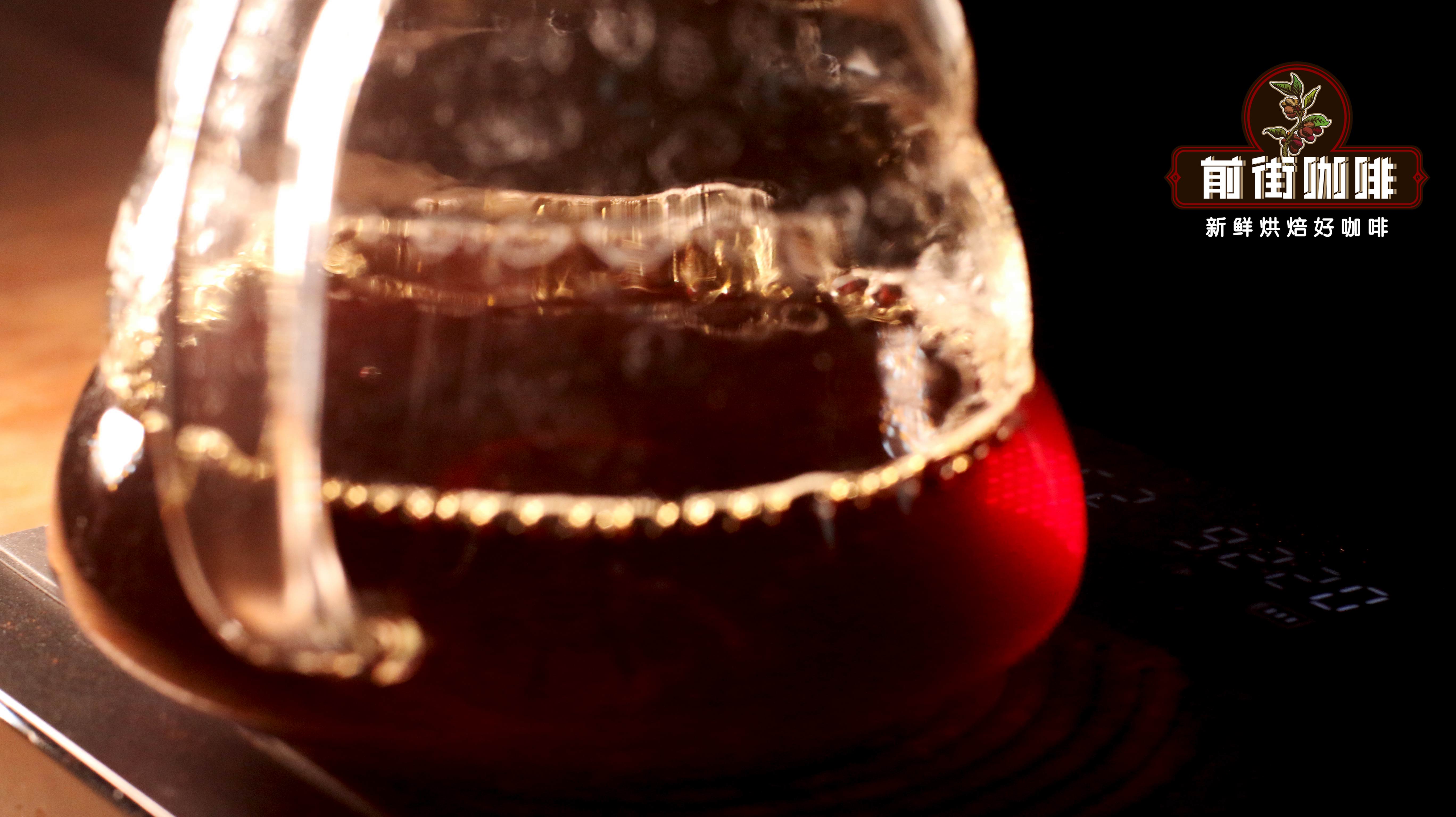
Why Is There No Golden Crema in Pour-Over Coffee? Explaining Everything from Extraction Principles to Filter Media Choice
Many people think that pour-over coffee has no crema. In fact, it is not entirely absent—it is just that most of it is blocked by the paper filter, and what remains exists in the form of mouthfeel. This article begins with the definition of coffee crema, explains why espresso can bring out a golden crema layer, and analyzes how bean variety and roast level affect the amount of crema. It then focuses on the pour-over scenario, explaining how paper filters intercept crema, the respective pros and cons of metal filters and cloth filters, and how to choose if you want to retain crema. The article retains several Front Street Coffee bean lists and blending suggestions to help enthusiasts choose as needed. [more…]
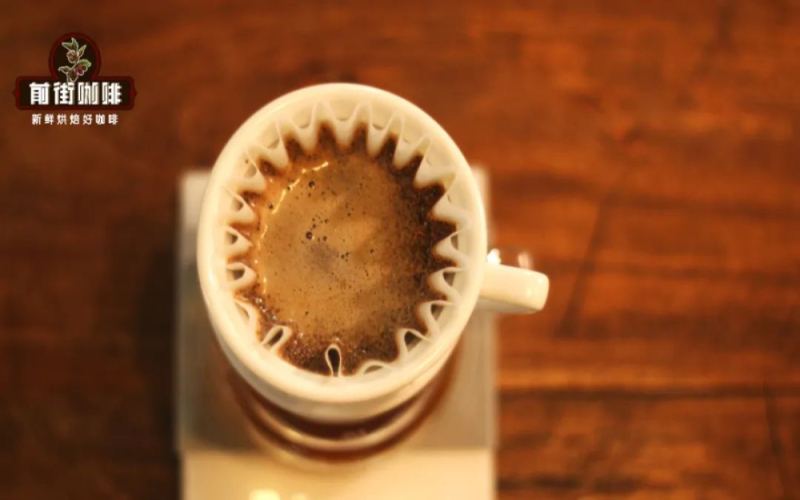
Why Is the Flat-Bottom Dripper Considered Beginner-Friendly? A Full Breakdown of the Cake Filter Cup Structure and Compatible Brewing Methods
When it comes to choosing a dripper, there is a common consensus: flat-bottom drippers offer a larger margin for error and are friendlier to those just getting into pour-over. Front Street Coffee has also mentioned in several articles that the flat-bottom structure has a natural advantage when it comes to even extraction. So what mechanism actually makes this possible? This article will clarify the differences between flat-bottom and conical drippers from the perspectives of coffee bed shape, rib design, and drainage hole layout. With the cake dripper as the main thread, it will also introduce the approaches of different schools such as Melitta 101, Lili, Ice Eye B75, Torch Donut, and April Brewer, helping you understand what kind of brewing approach flat-bottom drippers are suited to, and the role they play in the "fine grind, fast brew" trend. [more…]
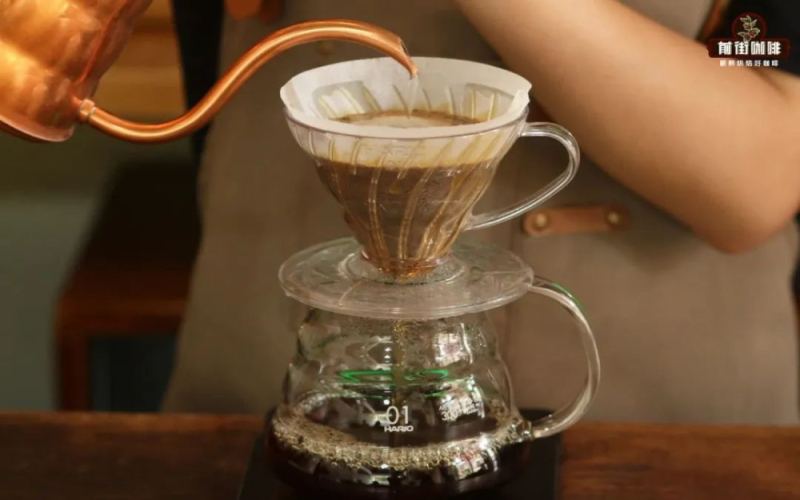
Pouring Differences Between Conical, Fan-Shaped, and Flat-Bottom Drippers: A Full Breakdown of V60, Kalita, and Wave Pouring Patterns
One of the joys of pour-over coffee lies in the extraction differences that different drippers bring. Front Street Coffee often receives questions from beginners: Do you also need to draw circles with a fan-shaped dripper? What should you pay attention to when pouring water with a flat-bottom dripper? This article takes three representative drippers—V60, Kalita, and Wave—as examples, starting from the coffee bed structure, explaining one by one the specific routes for circular pouring, and includes solutions for when the water flow is unstable. Whether you are just getting into pour-over or want to advance your understanding of how drippers and pouring techniques pair together, you will find practical reference here. [more…]
Sidamo Flower Queen Pour-Over Full Guide: Filter Cup Selection, Extraction Parameters, and Three-Pour Brewing Practice
As a highly popular Ethiopian natural bean in recent years, Geisha has won the favor of many coffee lovers with its bright citrus and berry notes and juicy sweet-tartness. But with the same bean, changing to a different dripper or adjusting a set of parameters can produce a drastically different cup profile. From the perspective of Front Street Coffee, this article first outlines Geisha's origin background and version naming logic, then uses the V60 dripper as an example to provide a complete brewing recipe and staged pouring details to help you more consistently reproduce this bean's flavor characteristics. [more…]
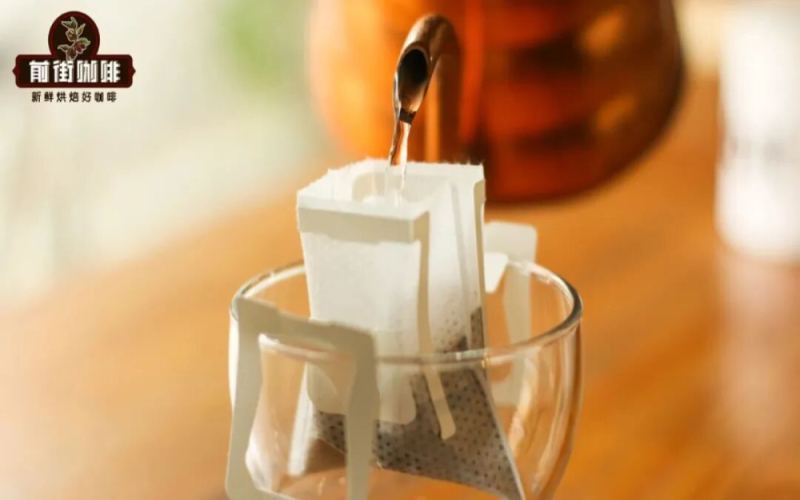
Can Drip Bag Coffee Brew a Latte-Like Flavor? Four Detailed Homemade Methods to Increase Concentration
Many people only have drip bags on hand but want to drink a latte with a milky aroma—is this actually possible? The black coffee brewed from a drip bag is far less concentrated than espresso, and adding milk directly tends to make it weak and separated. But drip bags originate from pour-over, which is highly versatile; as long as you find a way to increase the concentration of the coffee liquid, you can make a decent-tasting "fake latte." This article compiles four practical methods summarized by Front Street Coffee: the stirring method, the repeated brewing method, the milk brewing method, and the added milk powder method, and recommends medium-to-dark roast beans suitable for pairing with milk, such as Indonesian Mandheling, Colombian Huila, Queen's Estate, Cerrado, and Blue Mountain No. 1. Whether at home, in the office, or camping, you can achieve a rich and smooth milk coffee experience with simple steps. [more…]
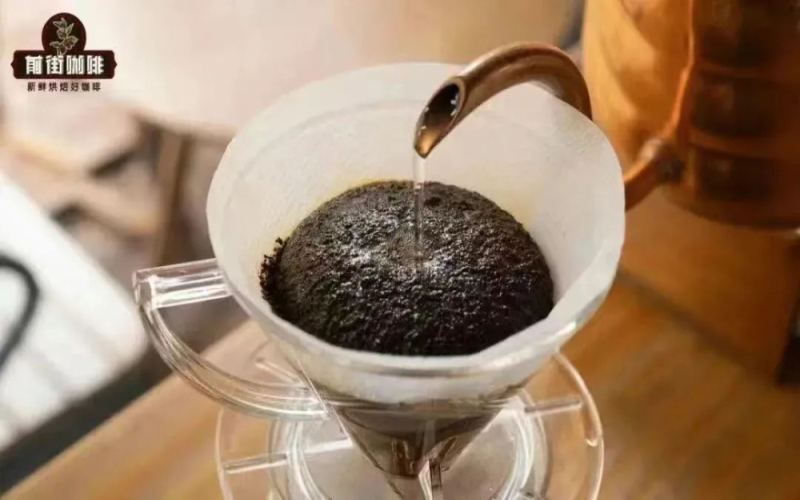
Why Does Japanese Hand-Drip Coffee Favor a Large Dose? Analyzing the Extraction Logic of High Concentration and Low Extraction
Japanese-style pour-over often uses a large dose of 20g or more—what extraction logic lies behind this? Starting from the characteristics of the dark-roasted beans favored by the Japanese, this article explains why they dislike bitterness, why they choose a coarse grind, and how a large dose slows the flow and increases concentration by thickening the coffee bed, ultimately forming a "high concentration, low extraction" style. The article also compares the differences between the Japanese-style coffee-to-liquid ratio and the conventional coffee-to-water ratio, and points out how a long extraction time, combined with a large dose, brings out caramel aroma and a highly sweet, lingering finish. If you are interested in the unique methods of Japanese brewing, or want to understand the concept of high concentration, low extraction discussed by Front Street Coffee, this article will give you clear answers. [more…]
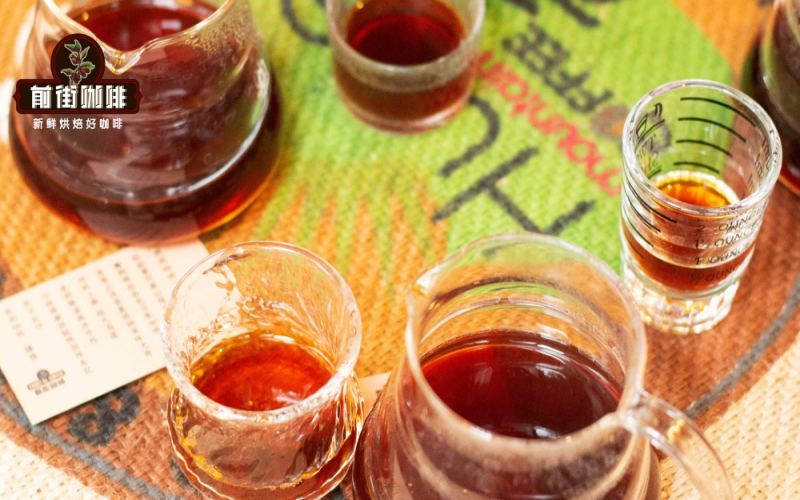
Front Street Coffee Yirgacheffe Garse Gersi Red Honey Process Brewing Guide: Flavor Profile and Pour-Over & Iced Brew Parameter Analysis
Yirgacheffe has always been known for its bright floral aroma and citrus notes, but the red honey processing method brings a completely different taste experience to this classic region. Front Street Coffee Yirgacheffe Garse Red Honey is made using fully ripe red cherry picking and a 58-hour anaerobic pre-fermentation, combined with shade-dried slow drying and a depulping process that retains the mucilage, ultimately presenting a rich layering of jasmine, elderflower, and various ripe fruits intertwined. This article will break down the processing details and flavor origins of this bean in detail, and provide two complete parameter schemes—a regular pour-over and a Japanese-style iced pour-over—to help you consistently reproduce its clean, crystal-clear yet full, sweet, and smooth cup performance at home. [more…]

From Vienna to the Espresso Bar: A Detailed Guide to the History, Classic Recipe, and Making Techniques of Latte Coffee
Latte is one of the most frequently ordered espresso drinks in cafés, yet its origins, recipe ratios, and preparation details are often richer than one might imagine. This article begins with the Blue Bottle coffeehouse in Vienna in 1683, sorts out the differences between latte and café au lait, explains in detail the standard method for making an espresso latte, extraction parameters, dosing and tamping techniques, and milk frothing skills, and introduces how Front Street Coffee's classic espresso blend performs in actual service. Whether you are an enthusiast wanting to learn about latte culture or a professional practicing the fundamentals of being a barista, you will find useful reference here. [more…]
How to Set the Grind Size for Pour-Over Coffee? A Complete Analysis of How Coarseness and Fineness Affect Extraction and Flavor
Water temperature, grind size, and coffee-to-water ratio are the three key variables that determine coffee extraction. Among them, grind size directly affects the particle size and uniformity of coffee grounds, which in turn influences how efficiently water passes through the coffee bed to extract flavor compounds. The finer the grind, the more tightly packed the coffee bed, the more resistance to water flow, and the longer the extraction time, so strength and extraction yield climb, producing a strong but easily bitter cup; the coarser the grind, the larger the gaps in the coffee bed, the smoother the water flow, and the lower the extraction yield, resulting in a weak, light-bodied coffee. This article uses grind size as the only variable, brewing three groups of coffee—fine, medium, and coarse—with Honduras Lychee Orchid beans, verifying grind size's effect on flavor through strength and extraction yield data, and providing Front Street Coffee's recommended hand-brew grind baseline, while also explaining the differences in characteristics among conical, flat, and ghost-tooth burrs. [more…]
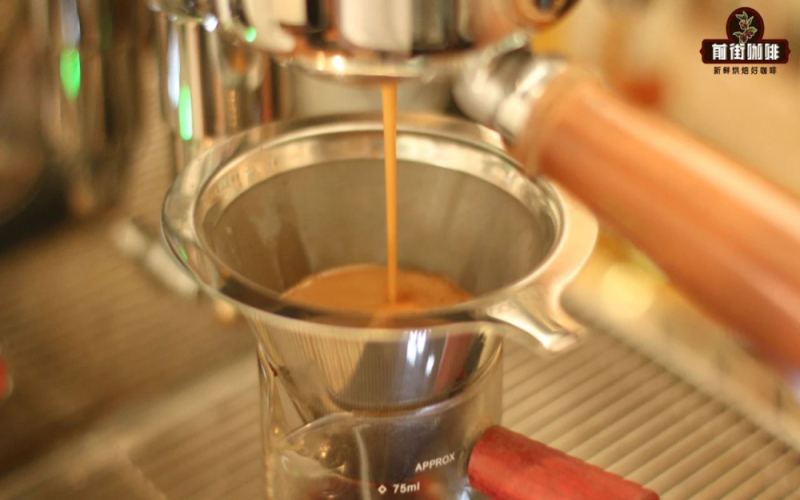
How does Italian-style espresso blend coffee differ from Sumatra Mandheling? A full analysis of flavor characteristics and brewing key points
Walking into a coffee shop, you will often see espresso and Mandheling coffee listed side by side on the menu. Under the former, there are usually further subdivided options such as latte, cappuccino, and americano, while the latter is usually presented independently. What exactly is the difference between these two kinds of coffee? Is it a difference in coffee bean varieties, or a difference in brewing methods? This article will start with the composition and extraction principles of espresso blends, then take a deeper look at the origin background, flavor characteristics, and historical origins of Front Street Mandheling, and finally sort out the key points of roasting, grinding, and brewing single-origin Mandheling, to help coffee lovers clarify the essential difference between the two. [more…]

38-yuan latte paired with celebrity-face marshmallows: coffee shop's creative marketing goes viral, portrait rights risk sparks heated debate
Recently, a "I Want to Soak" latte series launched by a coffee shop in Beijing has drawn attention on social media. The series features marshmallows printed with the faces of male celebrities, priced at 38 yuan each, with the option to add more marshmallows for an extra charge, and even offers a 48-yuan two-person option and an 88-yuan five-person option. This novel format has attracted many fans to visit and post about it, but it has also sparked controversy: some consumers find the face-printed marshmallows unappetizing, and more people question whether the shop's use of celebrity likenesses as a promotional selling point without authorization may constitute infringement. Innovation in the coffee industry is worth encouraging, but it must be done within the legal framework. [more…]

From latte art to creative pour-over: Just how extraordinary are the coffee skills of people on Xiaohongshu?
An editor who spends all day with words secretly scrolled through Xiaohongshu during a factory assembly-line stint, only to have their assumptions upended by coffee lovers' extraordinary feats. From latte art in miniature containers to 3D carving, from orange-peel drippers to bamboo-leaf pour-over, from using a wrench to froth milk to grinding beans in a Hakka tea-pounding mortar, these ideas are both hilarious and astonishing. This article takes you through the rule-breaking skills displayed by coffee people on Xiaohongshu, while reminding you: some of these practices carry risks, so do not imitate them lightly. At the end, we include Front Street Coffee recommendations and professional channels for coffee enthusiasts. [more…]
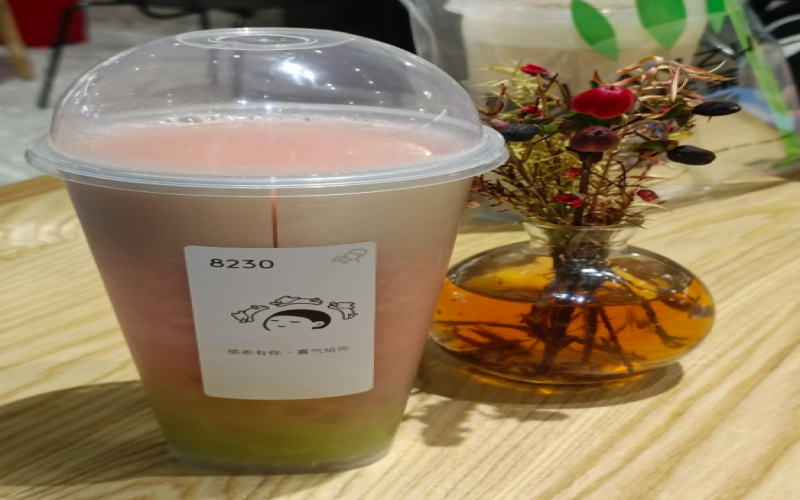
The real situation of milk tea shop employees: hand-squeezing juice and peeling fruit every day, frozen shoulder and tenosynovitis have become common occupational diseases.
Last spring, Heytea's guava series of fruit teas captured a large number of consumers with their refreshing taste, and their removal from the menu after the season became a regret for many. On the eve of this year's Valentine's Day, the guava series finally returned amid widespread calls for it, and as soon as the Refreshing Guava Grape Tea was launched, it flooded social media, with store orders packed. However, while fans were raising their cups for photos and check-ins, Heytea employees in the back kitchen were facing baskets of fresh guavas, wanting to cry but unable to shed tears. Manually squeezing fruit puree, peeling green grape flesh, and long hours of repetitive labor caused many staff members to develop health problems such as frozen shoulder, tenosynovitis, and hand allergies. Behind a cup of seemingly simple fruit tea, what exactly is hidden in terms of the production process and labor intensity? This article takes you to understand the real working conditions of milk tea workers. [more…]

Latte Coffee Beans | What Does Latte Mean? What Are the Methods for Making Milk Coffee? How Do You Make Delicious Espresso?
Nowadays, more and more people are paying attention to single-origin coffee, but in terms of orders at FrontStreet Coffee, espresso-based drinks still account for a larger proportion. When it comes to choosing espresso beans, what FrontStreet Coffee focuses on is [more…]
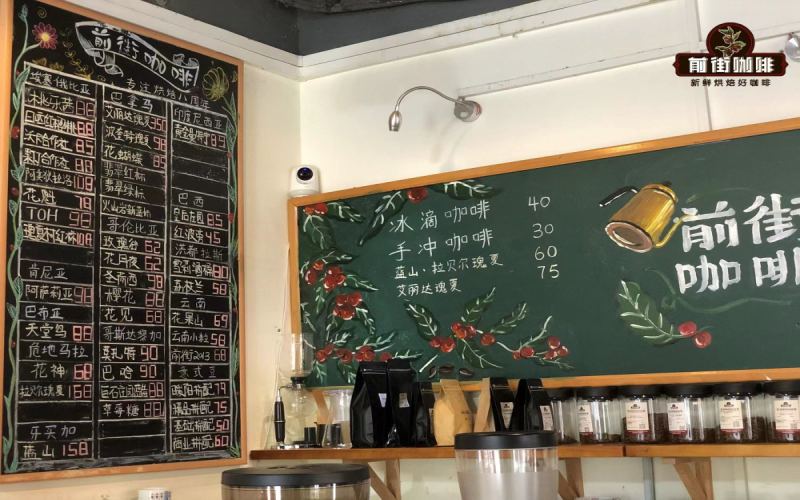
Who is Blue Mountain coffee suitable for? From grade and origin to brewing, let's talk about its flavor tier and the benefits of black coffee
What grade does Blue Mountain coffee actually belong to, and who is it suitable for? This article begins with the growing conditions of Jamaica's Blue Mountain range, sorts through Blue Mountain coffee's grading system, the characteristics of the Typica variety, and the washed processing method, and introduces the Clifton Estate Blue Mountain No. 1 on Front Street Coffee's bean list. The article also explains changes in Blue Mountain coffee's purchasing channels, the benefits of black coffee for metabolism and digestion, and Front Street's standard pour-over parameters and brewing steps, helping you gain a more comprehensive understanding of this high-end specialty coffee's flavor and positioning. [more…]

Can Blended Coffee Beans Be Used for Cold Brew? A Detailed Guide to Cold Brew Ratios and Practical Experience
In the heat of summer, a refreshing glass of cold brew is the go-to choice for many coffee lovers looking to beat the heat. But have you ever considered that coffee beans blended from two or more varieties can also produce an outstanding cold brew? Cold brew, due to its low-temperature, long-duration extraction, has a richer, smoother mouthfeel, yet its floral and fruity notes gradually fade with storage time. This article draws on the hands-on experience of Front Street Coffee, first outlining the characteristics of cold brew and the advantages of blended beans, then recreating several blending experiments one by one: from Sidra with Geisha, Pacamara with Red Cherry, to Huakui paired with Strawberry Candy and Wangshan Geisha, and finally challenging the dark-roasted Queen's Estate blended with Flower God. Some of these recipes are full-bodied and layered, while others flop into a "mask of pain," yet they perfectly showcase the fun and possibilities of blended cold brew. [more…]
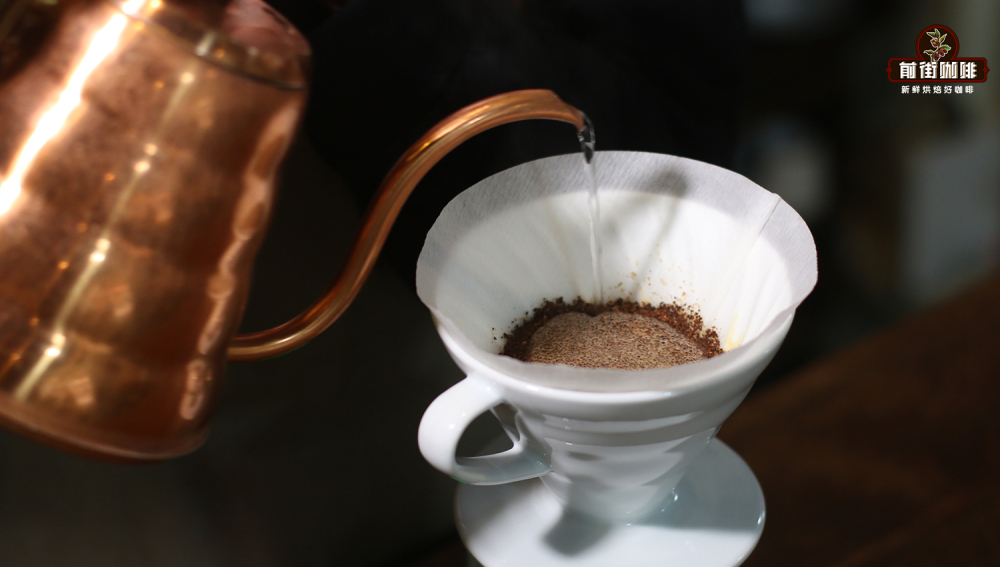
Pour-over Coffee Brewing Techniques and Tips Tutorial | How Much Coffee Powder for a Single Serving of Pour-over Coffee? Sharing the Pour-over Recipe and Parameters for Colombia Finca La Divisa Sidra
For more specialty coffee knowledge, please follow: Front Street Coffee (FrontStreet Coffee). Every day at Front Street Coffee, we encounter customers asking about pour-over coffee, perhaps about what pouring technique should be used for pour-over coffee? Or [more…]
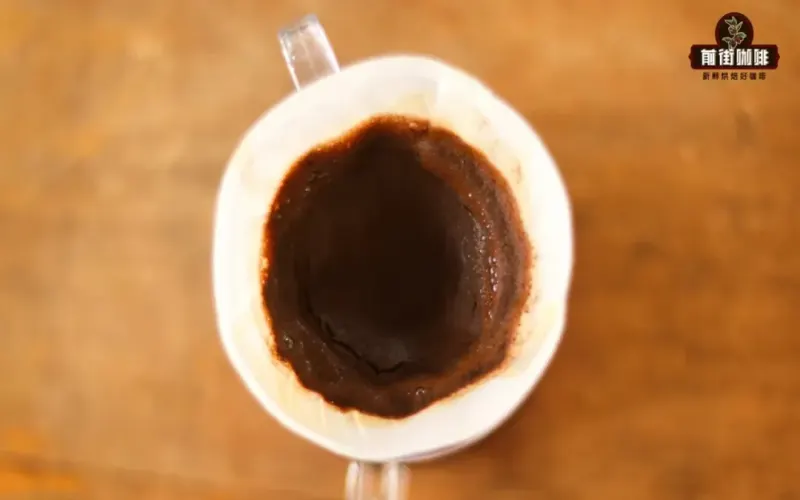
How to Fix Coffee Ground Too Fine for Pour-Over? Muddy Flow Stirring Brewing Method Explained and Practical Parameters Shared
When brewing pour-over coffee, if the filter basket ends up with a thick, muddy bed of grounds instead of distinct, granular particles, it often means the coffee was ground too fine, which easily leads to over-extraction. When faced with the dilemma of pre-ground coffee that cannot be made coarser, besides switching to immersion extraction, there is another distinctive approach using high concentration and low extraction—the mud flow. It uses extremely fine grinding combined with agitation to rapidly dissolve flavor compounds in a short time, then dilutes with hot water, resulting in coffee with a normal extraction yield and full flavor. In this article, Front Street will explain in detail the principles and specific operating parameters of the mud flow, helping you easily tackle the problem of coffee grounds that are too fine. [more…]