







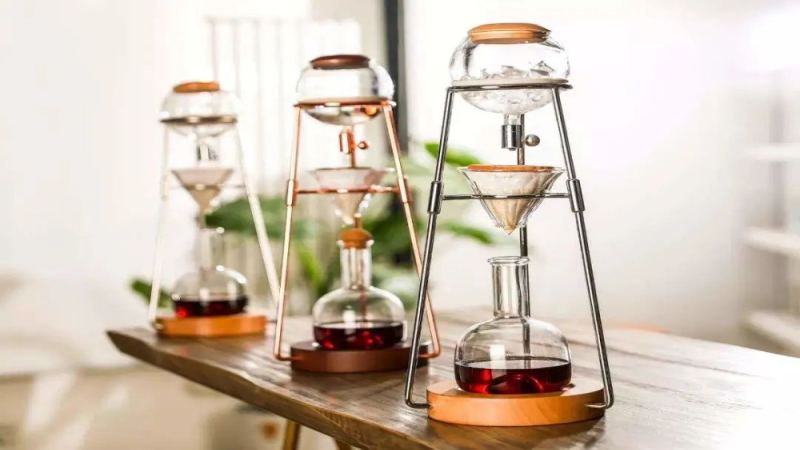
How Can a Coffee Enthusiast Make Cold Brew Without a Tower?
A cold brew tower is not required to make cold brew at home. A coffee enthusiast can build a working setup from everyday items such as stacked filter cups, modified drip bags, and mineral water bottles. These homemade devices imitate the tower's basic parts: a water reservoir, a filter holding the grounds, and a lower vessel collecting the finished coffee.
A standard cold brew tower drips ice water through brewed coffee powder one drop at a time, then lets the liquid rest and age at low temperature for a mellow, aromatic cup. The DIY versions trade precision for low cost and hands-on enjoyment. Drip speed and grind size still matter, so adjusting the valve or the bag opening controls how long the water contacts the grounds.
On a scorching summer day, a glass of cold brew coffee is a favorite for many coffee lovers. Traditional cold brew towers are not cheap, yet their frequency of use is often limited, so netizens have opened their minds and built various "DIY cold brew" devices using daily items like filter cups, drip bags, and mineral water bottles. This article reviews several of the most representative homemade cold brew setups: from stacking filter cups to modifying drip coffee bags, to combining moxibustion racks with watering nozzles—each one showcases the creativity and dedication of coffee enthusiasts. Although these homemade devices are not as precise as professional cold brew towers, they make up for it with low cost, lots of fun, and the ability to drink cold coffee extracted by your own hands. If you also want to try cold brew at home, you might as well refer to these ideas and start a low-temperature extraction experiment with items around you.
▲
Click to follow | Daily specialty coffee culture magazine Coffee Workshop
When summer is mentioned, what comes to mind first? Sunshine, beaches, air conditioning, watermelon, or cold drinks? For coffee people, summer is, of course, all kinds of iced coffee~
As an enduring iced coffee, cold brew uses ice water to drip through coffee grounds one drop at a time, extracting the essence of the coffee, and finally, after a period of fermentation and aging in a low-temperature environment, you get a cup of rich iced coffee with a mellow taste and solid aroma, making it the first choice for many when visiting a coffee shop.
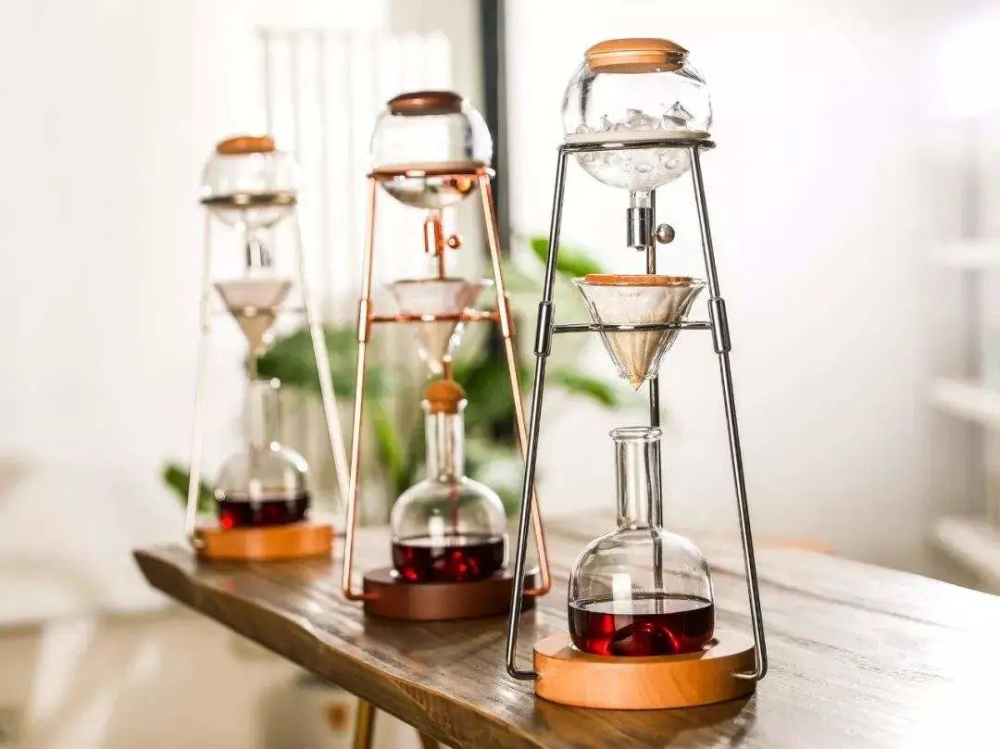
The main components of a cold brew device include several structures: an upper pot for ice water (with a valve that can adjust the drip speed), a filter that holds the coffee grounds and drips the coffee liquid, and a lower pot for collecting the finished coffee liquid. Assembled together, it becomes the professional cold brew tower on the market.
Want to drink cold brew but too lazy to go out and buy it. Buying a cold brew tower to make it at home always feels like it will only be used a few times before being put away, which is a bit wasteful. Its extraction principle doesn't look complicated either, so many people have the idea of making their own "cold brew device." To achieve making cold brew coffee without a cold brew tower, netizens enthusiastically brainstormed, full of scientific research spirit, and proudly shared their excellent works online.
Let's see how this generation of "frugal" netizens operates. Please welcome the contestants of the cold brew device showcase.
The filter cup "stacking" is the most common and easiest-to-replicate method in online "simple cold brew tutorials." Students and office workers can also do it in dormitories or offices. Just prepare ground coffee powder, plenty of ice cubes, and two filter cups. One filter cup holds the coffee grounds with filter paper, and the second filter cup holds the ice cubes. As the ice cubes gradually melt at room temperature, water droplets fall along the filter holes into the coffee layer for extraction.
If you only have one filter cup, place a round filter paper on top of the coffee, pile ice cubes directly on it to melt on their own, and you can put it in the refrigerator to slow down the melting speed. Thoughtful netizens will also seal it with plastic wrap or add a lid to prevent the aroma from escaping and better lock in the coffee's flavor.
Those who don't even have a filter cup start with drip coffee bags. The "DIY cold brew" of coffee enthusiasts from all walks of life is all about not giving up.
As long as your mindset doesn't collapse, there are always more solutions than difficulties—dormitory coffee lovers
You think it's poverty limiting imagination, but that's because you're "not poor enough." Giving coffee an IV drip might make it taste better~
Moxibustion rack + mineral water bottle + watering nozzle = a true "equipment enthusiast"
Some might think that the above "equipment" lacks professionalism, the drip speed is unstable, and the coffee made doesn't taste as good as that extracted with a professional cold brew tower, and it's very time-consuming—better to just buy it at a coffee shop. Perhaps that's true, but what netizens want is not a cup of coffee that meets store standards, but the result of their own brainstorming. Not only do they get to drink the iced coffee they made themselves, but they also enjoy the fun of the process, and after posting it online, they get resonance from "like-minded" people everywhere—why not? This cup of coffee is worth it!
Image source: very talented netizens~
Disclaimer: Some images in this article are from the internet. For some content on the website, such as images, we will respect the original copyright and indicate the source. However, due to the large quantity, some images and texts may not have been credited in time. Please forgive us. If the original author has any disputes, they can contact the website for handling. Once verified, we will immediately correct it. Compiled and edited by "Coffee Workshop." Please indicate the source when reprinting. If there is infringement, please inform us for deletion. Thank you~!
The above content is compiled by CoffeeHunters, a coffee news website.


