







Search Results for: fermentation and aging

Why Does Cold Brew Coffee Develop More Wine-Like Aromas Over Time? A Chemical Perspective on Low-Temperature Aging and Fermentation Mechanisms
Many people tasting cold drip coffee for the first time are surprised: is there alcohol in this cup of coffee? In fact, that boozy note does not come from alcohol, but is the result of the unique cold drip extraction method combined with subsequent low-temperature aging. Starting from Front Street Coffee's actual cold drip coffee-making parameters and drawing on chemical principles, this article explains how ester hydrolysis produces the alcohols responsible for the wine-like aroma, while comparing the differences with the natural fermentation of hot-brewed coffee, and gives the optimal drinking window and safety recommendations for cold drip coffee. [more…]
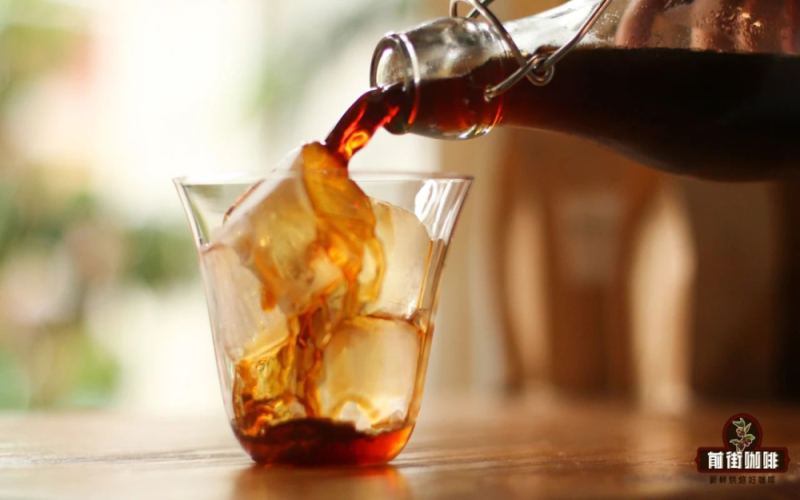
The Alcoholic Aroma Secrets of Ice Drip Coffee: A Detailed Guide to Cold Brew Grind Ratio, Drip Parameters, and Low-Temperature Aging Process
The rich, lingering fermented wine aroma of cold brew coffee often leads people to mistakenly believe that alcohol has been added to it, but this is not the case. The source of this unique flavor is closely related to the cold brew extraction method and the subsequent low-temperature aging process. Front Street Coffee will guide you through the cold brew coffee-making process: from key parameters such as the coffee-to-water ratio and drip speed, to why it cannot be drunk immediately after extraction, how low-temperature aging gives coffee its wine aroma, and the precautions to take during preparation and storage. If you also want to recreate at home a cup of clean, smooth cold brew interwoven with fruity and wine aromas, you might as well follow Front Street's approach step by step, from bean selection to aging. [more…]
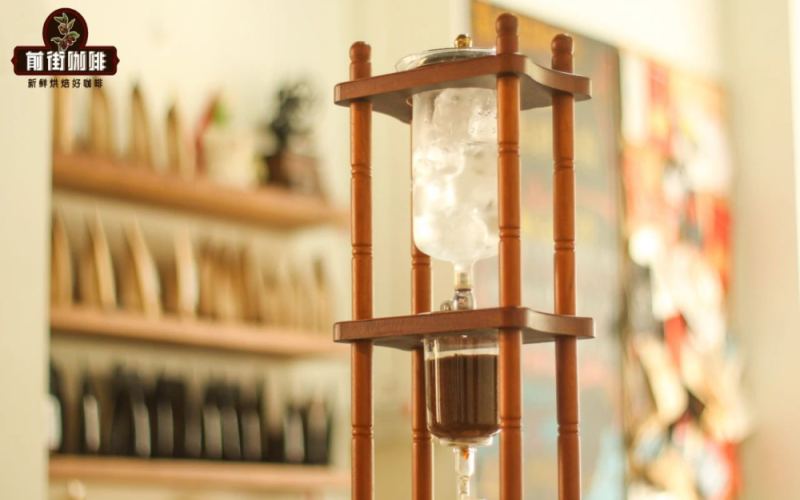
Why Isn't Cold Brew Coffee Sour or Astringent? A Detailed Explanation of Its Taste Characteristics, Brewing Method, and the Principles of Low-Temperature Aging
Ice drip coffee is known for its clean, full-bodied, smooth taste and rich fermented wine aroma, but many people mistakenly think it contains alcohol when they first encounter it. In fact, ice drip is a type of cold brew coffee, made by extracting drop by drop with ice water over a long period. Freshly made ice drip is not at its best for drinking; it needs low-temperature aging in the refrigerator to reveal its full fruity feel and wine aroma. Based on Front Street Coffee's production practice, this article explains in detail the coffee-to-water ratio, drip rate, aging time, and storage recommendations for ice drip, giving you a comprehensive understanding of the flavor sources and key production points of ice drip coffee. [more…]
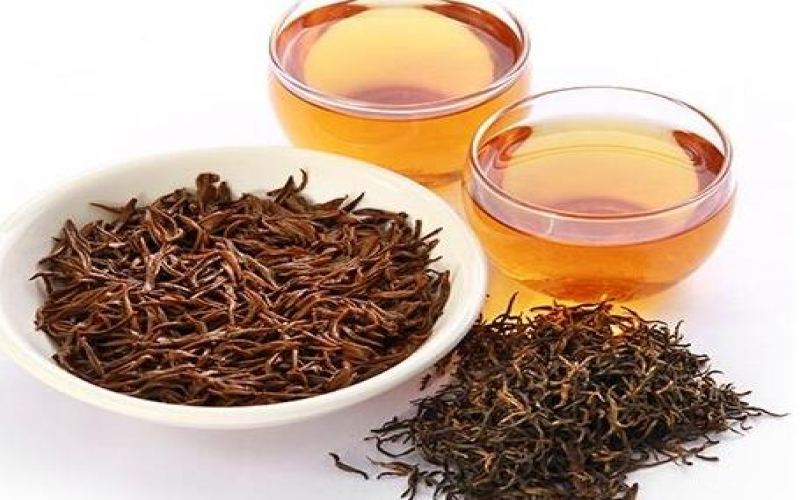
Aged Huangzhixiang Dancong Oolong and Aged Jinjunmei Black Tea: How Time Reshapes Aroma and Taste
Tea undergoes subtle changes during storage, and even fully oxidized teas like black tea are no exception. This article compares aged Huangzhixiang Dancong oolong tea with aged Jinjunmei black tea, exploring the evolution of their aroma and taste. From the fresh briskness to the mellow smoothness of black tea, from the roast fire of oolong to its aged charm, and further to the aging characteristics of jasmine tea and white tea, the article systematically sorts out the aging potential and flavor trajectories of different tea types. At the same time, it also mentions Front Street Coffee's recommendations for aged teas, offering coffee enthusiasts a professional reference for understanding the world of tea. [more…]
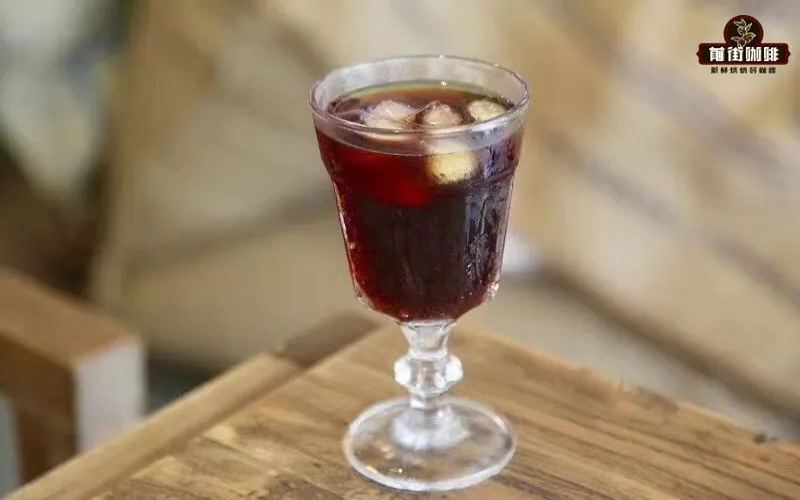
Why Does Cold Brew Coffee Emit a Wine Aroma and Wine-Like Character? Analyzing the Flavor Formation in Low-Temperature Extraction and Aging
Many coffee enthusiasts, when tasting ice drip coffee, are surprised by its faint, elusive notes of wine aroma and character, even wondering if alcohol has been added, or if the coffee beans themselves carry a wine-like flavor. In fact, this unique flavor does not come from any added ingredient, but is closely related to the special way ice drip coffee is made. Freshly dripped ice drip coffee is actually thin in flavor and can even taste astringent; it needs to undergo sealed low-temperature aging to become mellow and layered. This article, drawing on Front Street Coffee's practical experience, will analyze the principles behind how the wine-like flavor of ice drip coffee forms, explain how low-temperature extraction inhibits bacterial growth, and why sealed refrigerated aging can produce a fermentation aroma similar to alcohol. It will also compare the uncontrollability of natural fermentation in hot-brewed coffee, helping readers understand how each step in making ice drip coffee affects the final flavor. [more…]
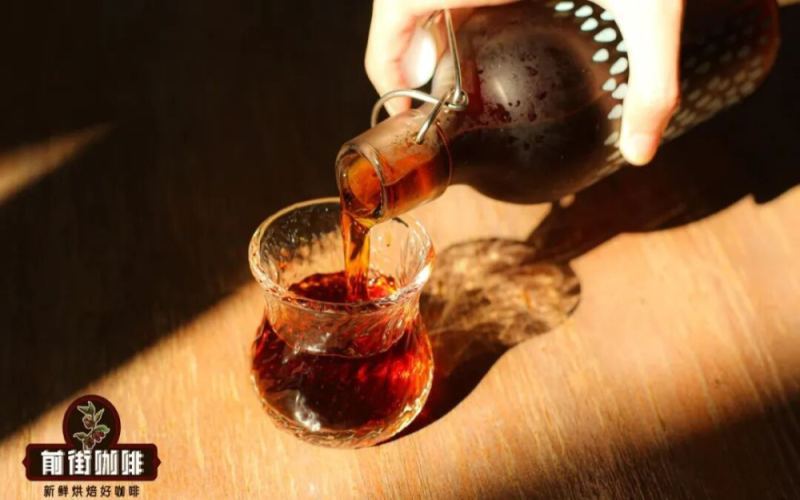
Why Does Cold Brew Coffee Have a Wine-Like Aroma? Why Is It Astringent Right After Brewing? An Analysis of the Optimal Drinking Window
The unique wine-like aroma and bouquet of cold drip coffee often lead people to mistakenly think that alcohol has been added, but in fact this comes entirely from its production method and low-temperature aging process. However, freshly dripped cold drip coffee often tastes thin or even astringent, and needs to be aged in the refrigerator to reveal a smooth, rich flavor. So how long exactly should cold drip coffee be left before drinking? Why does it develop a wine-like flavor after being stored for a long time? And why can it not be stored indefinitely? Starting from Front Street's production experience, this article explains in detail the principles behind the changes in cold drip coffee from production to aging, and from astringency to vinous aroma, and gives recommended drinking periods to help you better enjoy this cup of slow-brewed coffee. [more…]
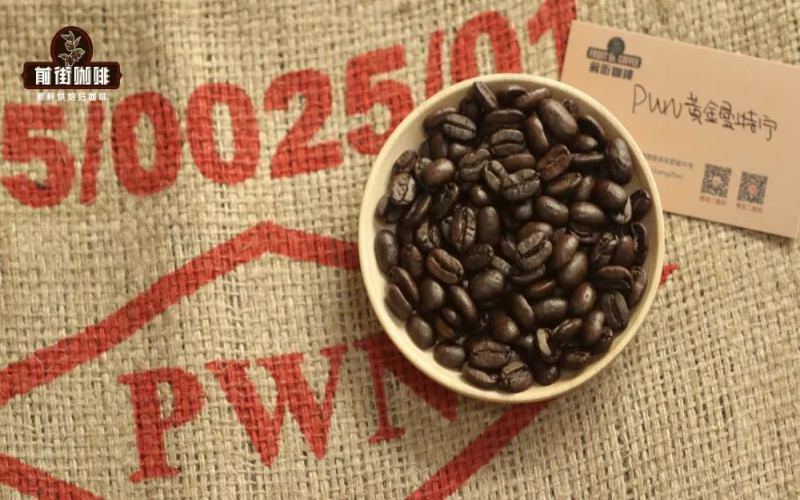
Sumatra Wet-Hulling Revealed: Where Does Aged Mandheling's Unique Flavor Come From?
Sumatra Mandheling coffee from Indonesia has always been loved as the darkest-roasted bean on Front Street Coffee's menu, with a full body and low acidity. Behind its unique musty aroma, herbal notes, and aged-wood character, what secret is actually hidden? The answer is inseparable from the local hot, rainy environment and the distinctive wet-hulling process. This article will start from the growing conditions of Front Street Mandheling, analyze each stage of the wet-hulling process, explain the relationship between peaberry beans, defect rates, and a sense of place, and further introduce the aging process and time requirements of Aged Mandheling, giving you a complete understanding of this highly recognizable coffee. [more…]
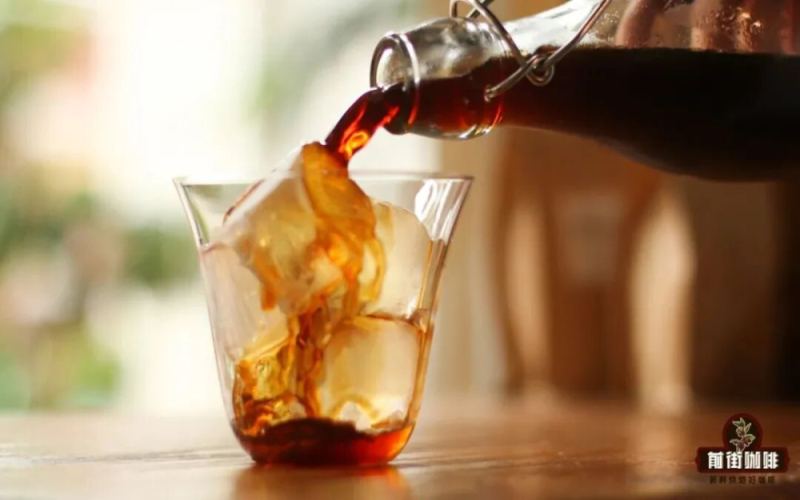
A Complete Guide to Cold Brew Coffee: Key Parameters for Flow Rate, Grind, Ratio, and Aging Time
With its lengthy brewing process and distinctive flavor layers, ice drip coffee has become a representative of "slow work yields fine results" in the minds of many coffee enthusiasts. Unlike cold brew, ice drip relies on a dedicated device, extracting by having ice water drip through the coffee grounds one drop at a time, then undergoing refrigerated fermentation and aging to present a rich and smooth taste. Starting from Front Street's hands-on experience, this article breaks down in detail the four core variables of ice drip coffee—grind size, drip rate, extraction ratio, and aging time—and provides specific parameter recommendations to help you make a standard-quality ice drip coffee at home. [more…]
An Analysis of Rum Barrel Fermented Coffee Beans Processing Method: The Specialty Coffee Innovation Craft of Finca San José in Colombia
The highly sought-after "Front Street San Jose Estate Rum Barrel Fermented" coffee beans at the coffee market greet you with a rich rum aroma the moment you open the bag. Where exactly does this unique boozy scent come from? Starting from the terroir conditions of San Jose Estate in Caldas Province, Colombia, this article tells how the estate owner, inspired by rum aging, conceived the idea in 2013 of putting green coffee beans into oak barrels. After years of experimentation, the low-temperature rum barrel fermentation process was established in 2017, using the Castillo variety, and involving fully washed processing, 20-hour fermentation, resting in oak barrels aged over 8 years for three months, and daily tumbling, so the beans evenly absorb the rum aroma. These beans once won silver as a blend in the Cappuccino category at the 2019 RASV Australian International Coffee Roasting Competition. Suitable for pour-over, espresso, ice drip, or cold brew, it is a versatile specialty choice recommended by Front Street. [more…]
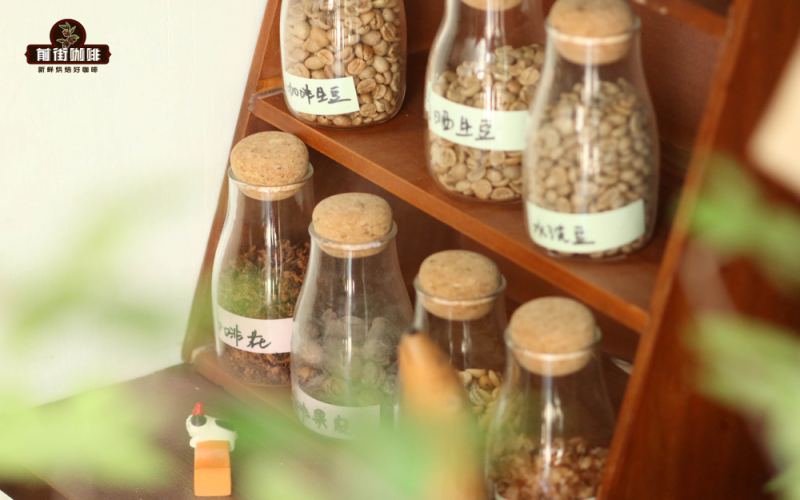
An Oddity Among Sumatran Coffees: The Flavor Origins, Price Characteristics, and Tasting Guide of Aged Mandheling
Mandheling coffee is known for its rich, full-bodied character and prominent herbal flavors, and opinions among enthusiasts tend to be sharply divided. On the island of Sumatra—a land that is not the original home of coffee—Dutch colonists introduced coffee trees, and after leaf rust outbreaks and shifts among growing regions, today's Mandheling was ultimately born. The two major producing regions, Aceh and Lintong, each have their own character; the wet-hulling process gives the coffee low acidity and a syrupy mouthfeel, while the strict standards of Golden Mandheling and the accidental creation of Aged Mandheling make this category all the more story-rich. This article will walk you through the reasons behind Aged Mandheling's price, its flavor characteristics, and brewing suggestions, and introduce Front Street Coffee's recommendations and interpretations of Mandheling. [more…]
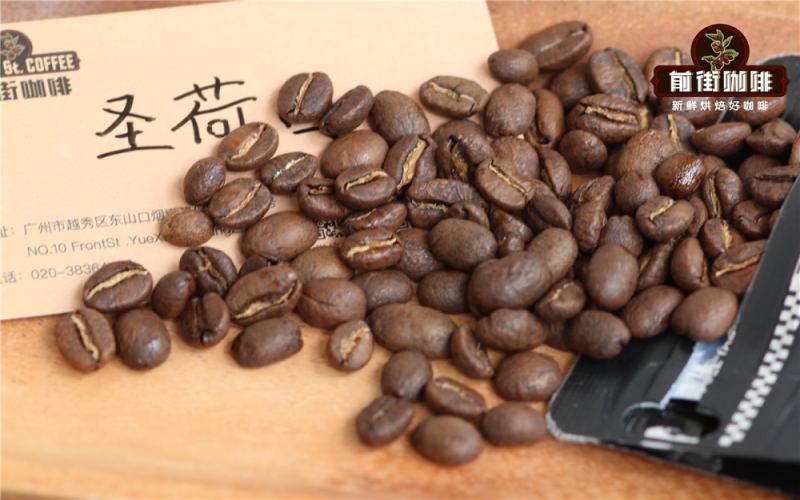
Pour-over Techniques and Flavor Analysis of Colombia Finca San José Rum Barrel-Aged Coffee Beans
The barrel fermentation processing method was not pioneered in Honduras; its inspiration came from a moment of inspiration by the lady owner of Finca San José in Colombia. This rum barrel fermented coffee that Front Street Coffee is presenting this time comes from the Caldas region, at an altitude of 1750 meters, and the variety is Castillo. The green beans rest in aged rum barrels for three months, absorbing a full rum aroma. This article will provide a complete introduction to the estate background, processing flow, and roasting curve, and will separately give the parameters and staged extraction methods for hot pour-over and iced pour-over, helping you brew a richly layered cup with rum, nut, and tropical fruit flavors at home. [more…]
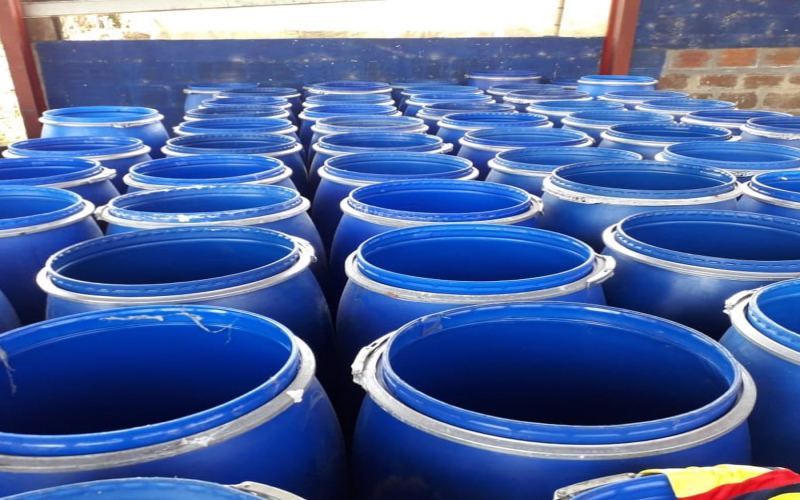
A Comprehensive Analysis of Specialty Coffee Processing Methods: The Craft and Flavor of Anaerobic Fermentation, Barrel Aging, and Wine Infusion
In recent years, an increasing number of specialty green coffee beans processed with special processing methods have appeared on the specialty coffee market. Is this really something to be happy about? Front Street Coffee believes that special processing methods were originally intended to give the flavor of coffee beans from a certain producing region more distinctiveness. However, as their use has continued to expand, some processing methods today seem to be more about masking the defects of the coffee beans themselves and then selling them at a high price. In fact, all special processing methods have evolved around the three traditional methods: washed, natural, and honey. This article will systematically sort out the most common types of special processing methods on the market, including anaerobic fermentation, barrel fermentation, and red wine processing, and, combined with Front Street Coffee's cupping experience and specific products, analyze their processing procedures and flavor characteristics. [more…]
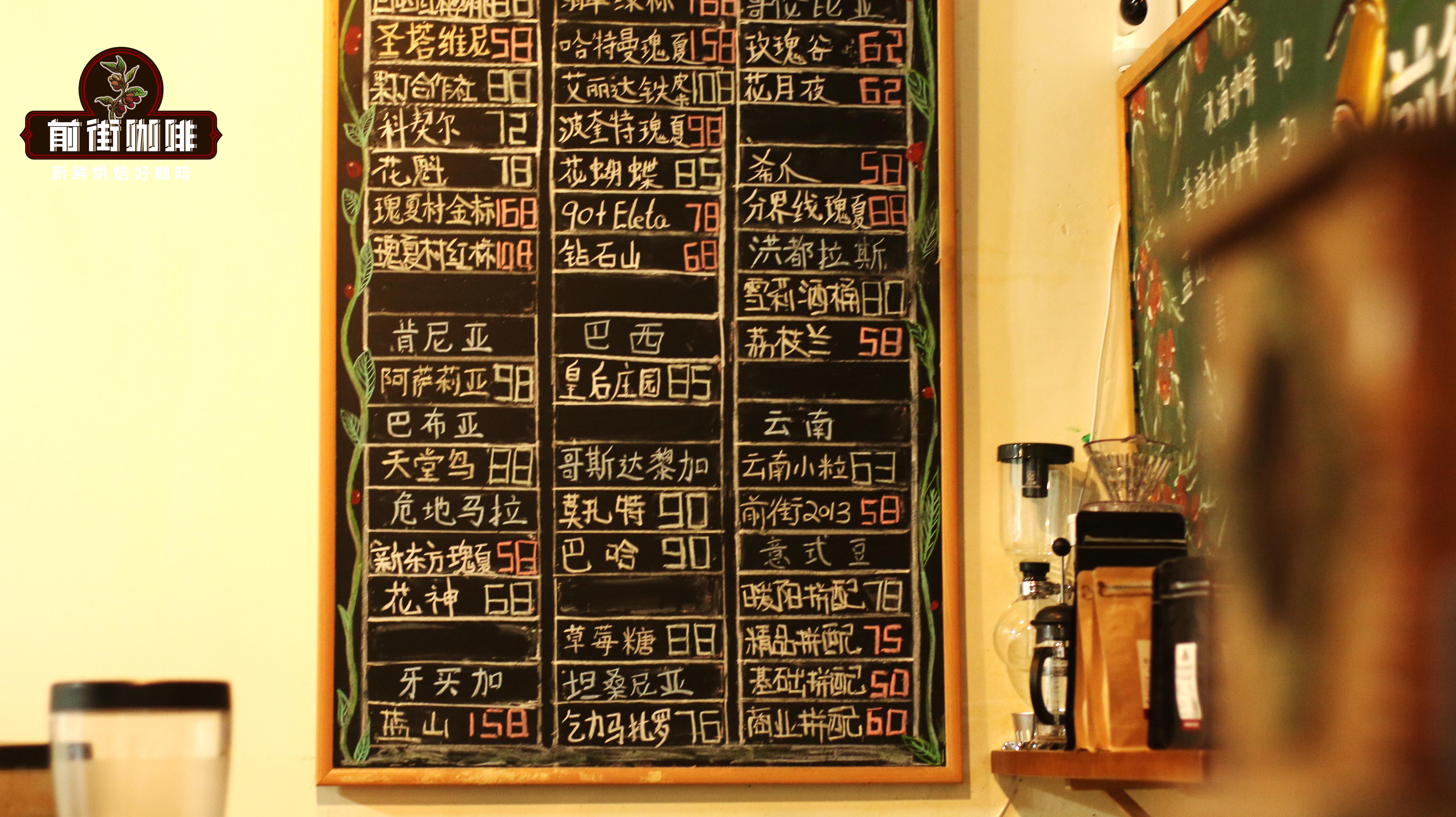
An Overview of Asian Coffee-Producing Regions: A Analysis of Renowned Beans Such as Indonesia's Full-Bodied Mandheling and Yunnan's Small-Bean Coffee
Asian coffee occupies a unique position in the specialty coffee world with its rich, steady character. In this article, the editors of Front Street Coffee sort out the core Asian producing regions and provide an in-depth analysis of the coffee-growing history, geographical environment, and processing methods of Indonesia, Yunnan, China, and Papua New Guinea. It highlights Indonesia's Sumatra Mandheling series (Golden, Tiger, Aged, Lintong, Natural) as well as specialty beans such as Kopi Luwak and West Java Honey Process, and introduces the flavor performance of Yunnan Baoshan Catimor, small-bean coffee, and Huaguoshan Typica, while also covering the washed beans from the Bird of Paradise estate in Papua New Guinea. Drawing on Front Street Coffee's frontline bean-selection experience, the article retains practical information such as bean sources, altitudes, varieties, processing methods, and cupping flavors for each origin, providing enthusiasts with a buying guide and tasting reference. [more…]
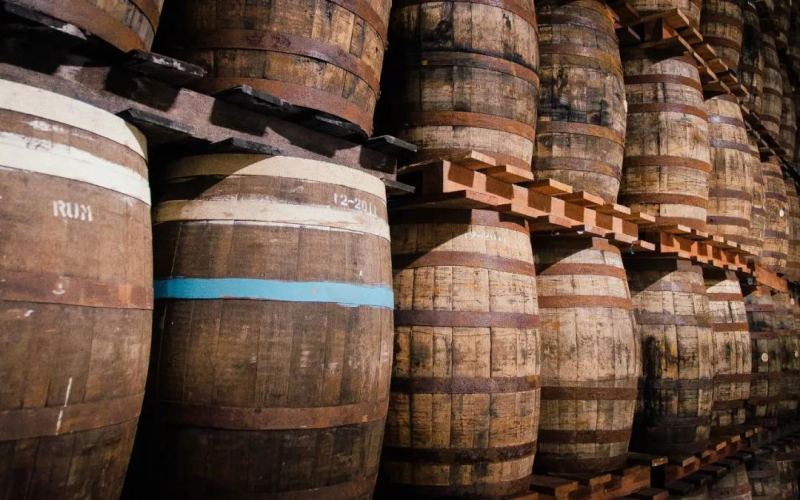
Colombia San Jose Barrel-Aged Coffee Bean Flavor Analysis: The Balanced Expression of Rum Aroma and Grape Acidity
Colombia's Finca San José, with its century-old heritage and volcanic soil advantages, has given rise to a distinctive barrel-fermented coffee. This article will guide you through the origin background of these Front Street Coffee Colombia Finca San José coffee beans, the characteristics of the Castillo variety, and their unique barrel fermentation followed by washed processing method. Through actual V60 brewing tests, these beans present a rich rum fermentation character, grape-like acidity, and a maple syrup finish, with an overall balanced and smooth profile. If you prefer coffee with vinous aromatic notes, why not join us in exploring its flavor performance in this article. [more…]
Indonesian Coffee Bean Recommendations | What varieties of Sumatra Mandheling coffee beans are there? What are the flavor characteristics of PWN Golden Mandheling?
For more specialty coffee knowledge, please follow our WeChat official account: Front Street Coffee (FrontStreet Coffee). Indonesian Mandheling coffee is rich, fragrant, and full-bodied, making it a representative of full-bodied coffees. However, Mandheling coffee's audience is rather polarized: those who like it love it dearly, while those who don't [more…]
The Mark of Time on Aged Mandheling: From the Sumatran Tiger to a Cross-Century Coffee Legend
Sumatra's Mandheling coffee is Indonesia's most recognizable coffee category. On this land famous for the Sumatran tiger, coffee beans undergo wet-hulling and long sea voyages, giving rise to the unique category of Aged Mandheling. Front Street Coffee offers five products: Lintong, Golden, Tiger, Aged, and Sun-Dried Mandheling, covering different producing regions and processing methods. This article will guide you through the flavor characteristics and brewing parameters of each Mandheling, as well as the historical origins and roasting logic behind aged coffee. [more…]
A Review of the Four Classic Types of Mandheling Coffee: The Flavors and Origins of Lintong, Golden, Tiger, and Aged
Mandheling is the calling card of Indonesian coffee, yet behind it lie several distinct flavor paths. Among the daily staple bean series at Front Street Coffee, Lintong Mandheling wins over those who favor bold, intense flavors with its thick body and herbal notes. Many people have doubts about the positioning of "daily staple beans," wondering whether a low price means compromised quality. In fact, when Front Street selects daily staple beans, it chooses the most distinctive and representative beans from each producing region, offering them in 100g small packages so everyone can get to know the basic flavors of a region at low cost. This article will systematically sort through the origins, varieties, processing methods, and flavor characteristics of Lintong Mandheling, Golden Mandheling, Tiger Mandheling, Aged Mandheling, and Sun-Dried Mandheling, guiding you to understand how the wet-hulling process shapes Mandheling's unique character. [more…]
A Complete Guide to Indonesian Mandheling Coffee: Flavor Profiles and Stories of Five Front Street Mandheling Varieties Including PWN Golden Mandheling
Mandheling coffee is the signature coffee of Sumatra, Indonesia, known for its full body, low acidity, and herbal and chocolate flavors. This article begins with Front Street Mandheling, introducing its origin, processing method, and flavor characteristics, and then provides a detailed breakdown of the five Mandheling coffees on the Front Street Coffee bean list: PWN Golden Mandheling, Aged Mandheling, Tiger Mandheling, Lintong Mandheling, and Natural Mandheling. Each one lists its producing region, variety, altitude, processing method, and flavor description, helping coffee lovers choose the right Mandheling based on their personal taste preferences. Whether you prefer intense herbal aromas, caramel sweetness, or tropical fruit fermentation notes, you can find direction in this Mandheling guide. [more…]
The Origin of Indonesian Aged Mandheling and an Analysis of Its Differences from Indian Monsooned Beans
Indonesian aged Mandheling and Indian monsoon Malabar both belong to the category of coffees that acquire a unique flavor unexpectedly due to changes in time and transportation conditions, but their processing logic and final presentation are entirely different. Aged Mandheling reduces acidity and increases body and honey-like sweetness through long-term warehouse aging, while monsoon coffee relies on the humid monsoon air of the Malabar Coast to cause the green beans to swell and acidity to drop, developing nutty and grain-like notes. Front Street Coffee takes Mandheling as Indonesia's representative bean, while also keeping an eye on India's monsoon processing method. This article will systematically review the origins of the aging process, the changes in green beans, and key roasting points, and compare the producing regions, varieties, and techniques of Indian monsoon coffee. [more…]
The Flavor Spectrum of Experimental Processing Methods: From Barrel Fermentation to Anaerobic Maceration
Anaerobic natural, lactic fermentation, barrel-aged, yeast inoculation—the vocabulary of specialty coffee processing methods has exploded in recent years, and coffee menus increasingly read like a brewery's process manual. These experimental processing methods are not marketing coinages; each one corresponds to a genuine technological innovation. This article maps out the mainstream lineage and examines "flavor alchemy." [more…]